









| Disclaimer: This article is for informational and educational purposes only. It does not constitute medical advice and should not replace consultation with a qualified healthcare provider. Always consult a doctor or registered dietitian before making significant changes to your diet, especially if you have celiac disease or a diagnosed gluten-related condition. |
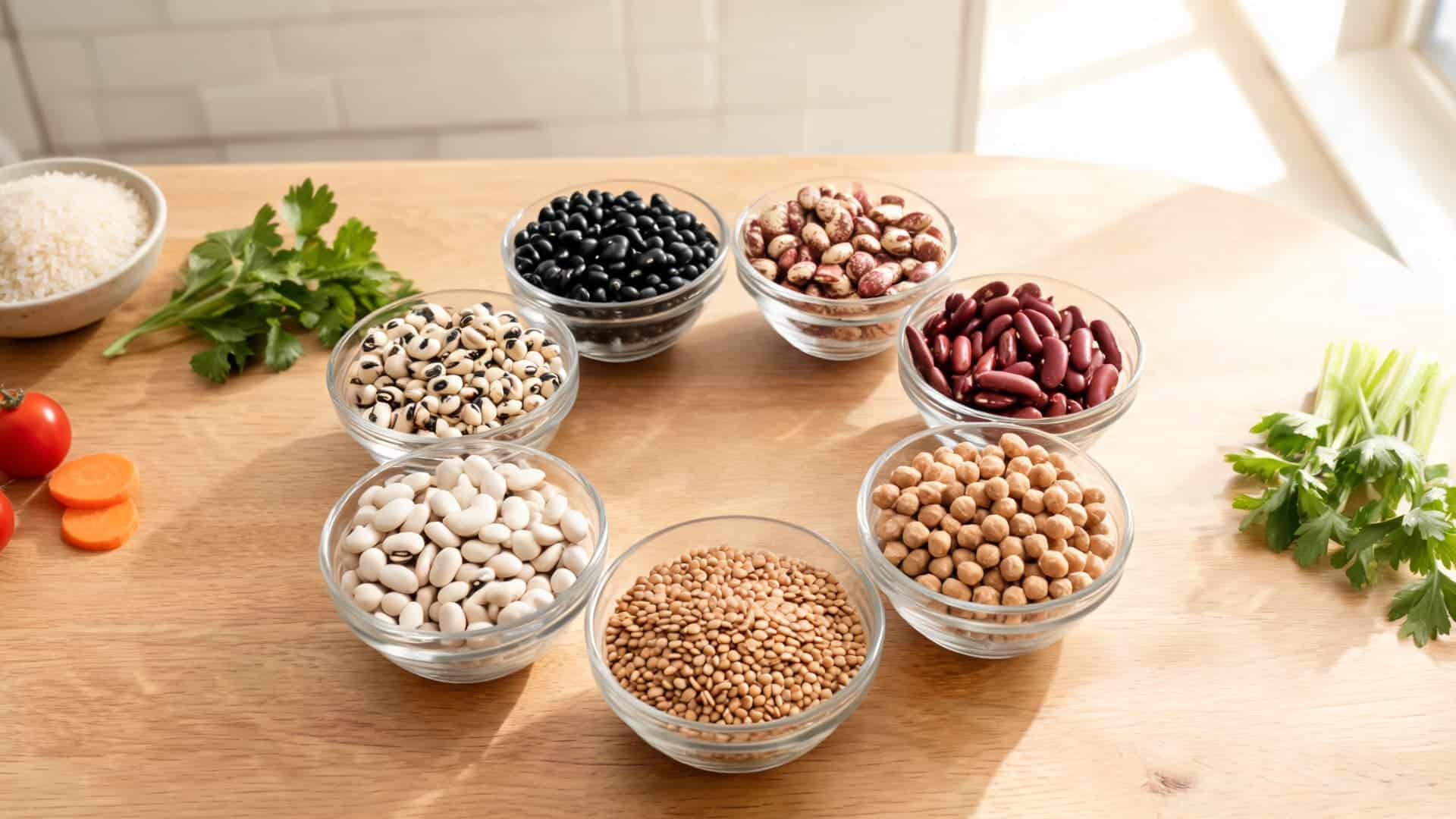
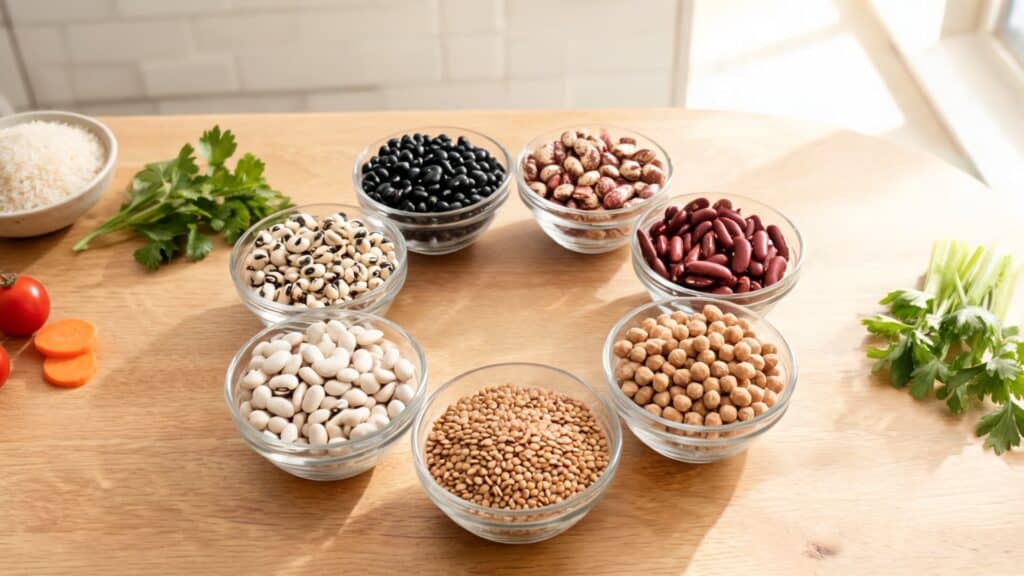
Plain beans are naturally gluten-free. If you have celiac disease or gluten sensitivity, that is the clearest starting point. The risk does not come from the bean itself but from what gets added to it: sauces, seasonings, shared equipment, bulk bins, and restaurant prep. That is where things go wrong.
| Bean Type | Naturally Gluten-Free? | Main Risk Factor | Safest Form |
| Black beans | Yes | Flavored cans, restaurant prep | Dry or plain canned |
| Pinto beans | Yes | Seasoned cans, broth-cooked | Dry or plain canned |
| Kidney beans | Yes | Chili sauces, mixed-bean cans | Dry or plain canned |
| Chickpeas | Yes | Flavored roasted snacks, hummus | Dry or plain canned |
| Lentils | Yes | Stray grain debris in bulk bins | Certified gluten-free packaged |
| Refried beans | Depends on ingredients | Wheat thickeners, sauces | Plain canned, label verified |
| Baked beans | Depends on sauce | Malt vinegar, wheat flour, barley | Labeled gluten-free only |
The table above covers the common patterns. What follows is the full breakdown of each bean type, what to watch for on labels, and exactly how to shop and cook for a gluten-free diet with confidence.
Are Beans Gluten-Free?
Yes. Beans are legumes, not grains. Gluten is a protein found in wheat, barley, rye, and triticale. Beans belong to none of those plant families, which means plain beans do not contain gluten at the source. This applies to dry beans and plain canned beans equally.
The problem comes from everything around the bean: the sauce in the can, the seasoning blend on the label, the shared scoop in a bulk bin, or the broth used at a restaurant.
For people with celiac disease, even trace exposure can trigger an immune response. So the answer to “are beans gluten-free?” is yes for the bean, and it depends on almost everything made with beans.
If you want a broader picture of which gluten-containing foods to avoid, that list is a useful companion to this one.
| Nutrition Note: Plain cooked beans offer roughly 7 to 9 grams of protein and 6 to 8 grams of fiber per half-cup serving, making them one of the most practical plant-based protein sources for a gluten-free diet. They are also naturally rich in folate, iron, and magnesium. |
Which Beans Are Gluten-Free?
All plain beans are naturally gluten-free. The type of bean is rarely the issue. What matters is how each variety is most commonly sold and prepared, because some forms carry more risk than others.
1. Black Beans
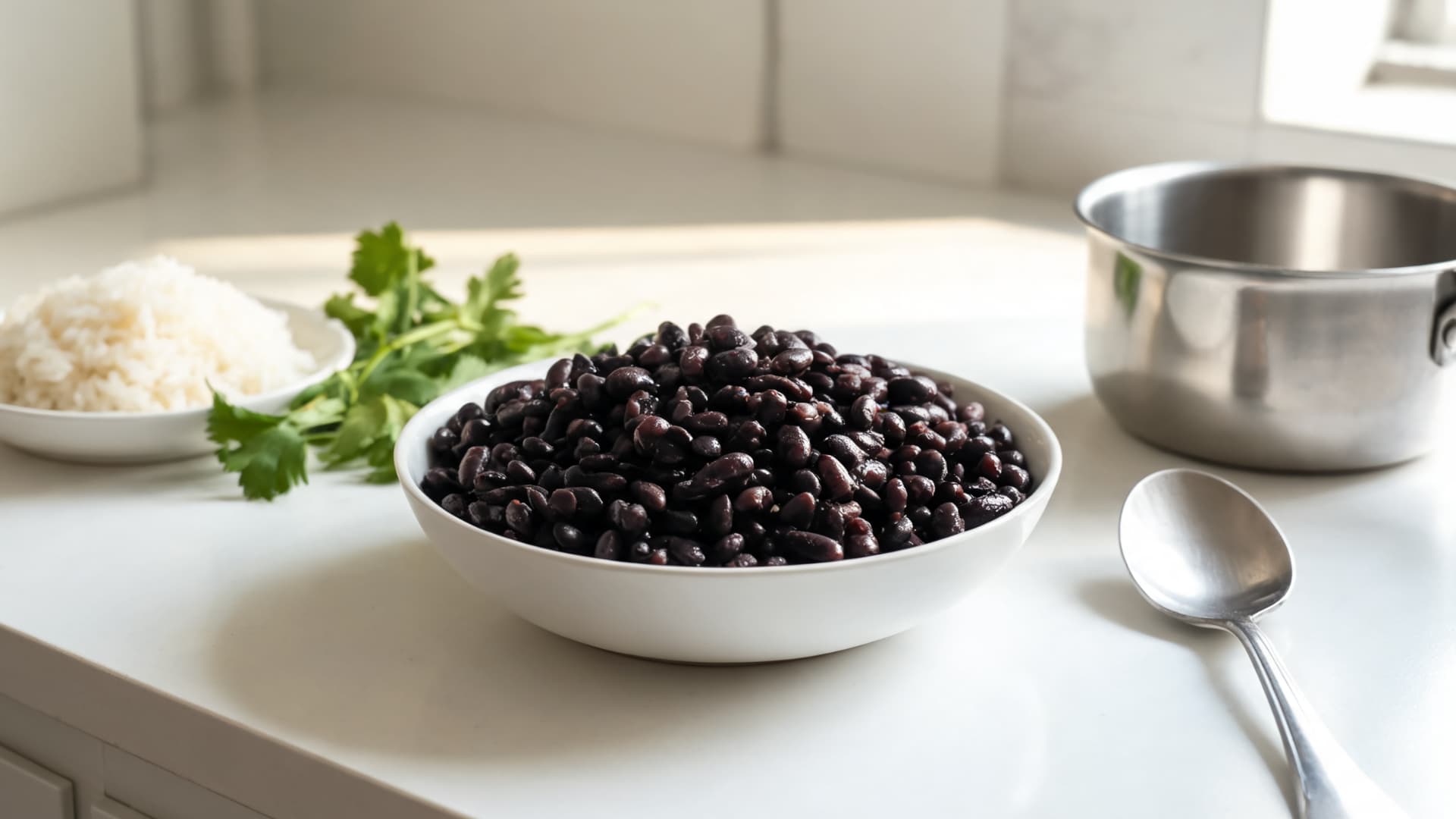
Plain black beans, dry or canned with just beans, water, and salt, are a low-risk choice for gluten-free eating. They hold up well in rice bowls, tacos, soups, and salads when seasoned with verified gluten-free spices.
The risk rises with flavored cans, black bean dips, restaurant versions, and prepared soups. These may include wheat-based thickeners, soy sauce with wheat, gluten-containing broth, or shared cooking surfaces. Always read the full ingredient list on any flavored black bean product.
2. Pinto Beans
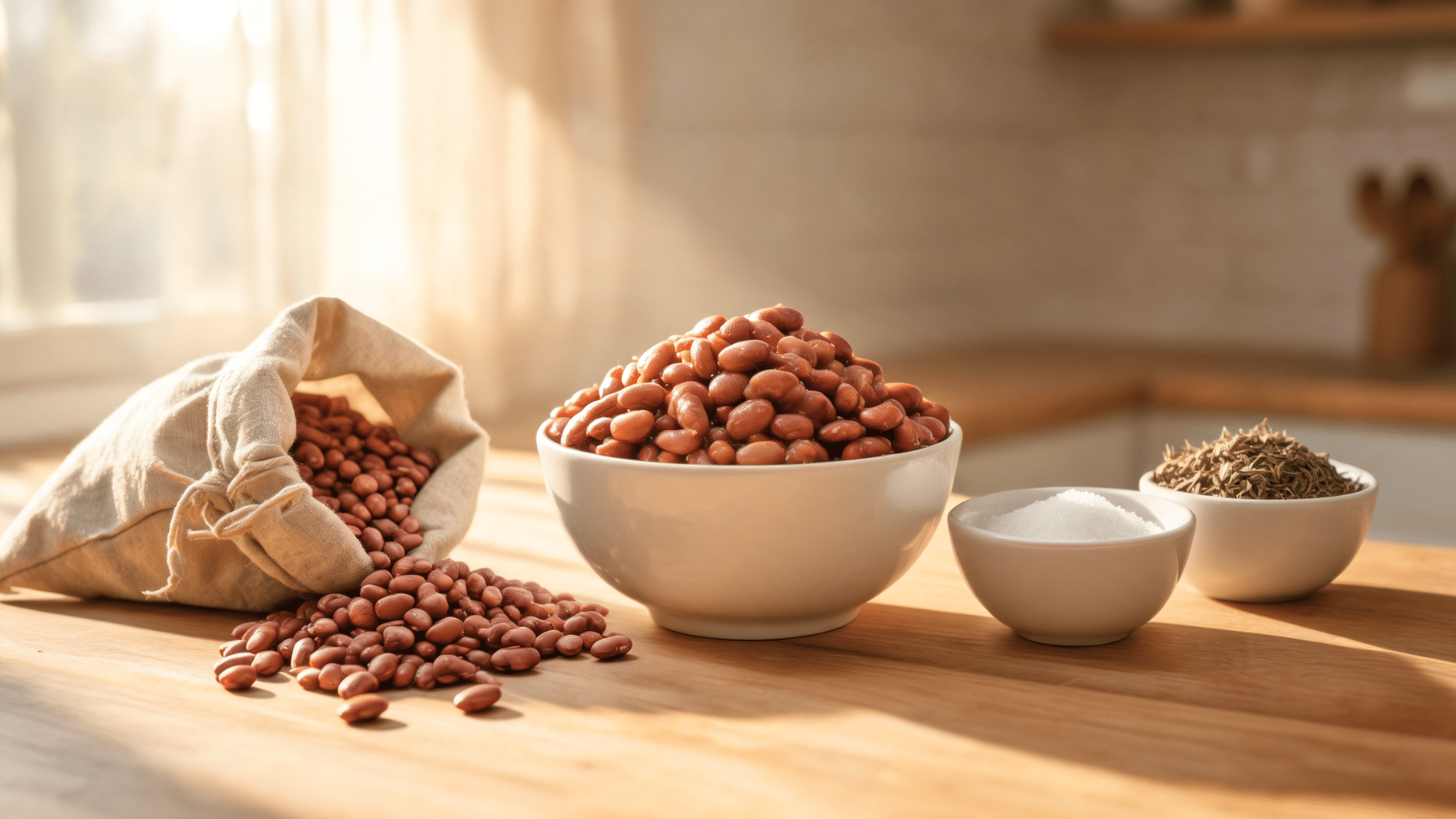
Dry pinto beans and plain canned pinto beans with short, simple ingredient lists are generally safe. The label should read: beans, water, salt. Beyond that, scrutiny is warranted.
Restaurant pinto beans, seasoned cans, and beans cooked in store-bought broth introduce risk. Spice blends can contain wheat-based fillers. Broth may be made with barley or wheat.
People with celiac disease should treat restaurant pinto beans as unknown until confirmed. Pinto bean nutrition and meals: their full macro and micronutrient profile if you want to understand what they bring to a gluten-free diet beyond safety.
3. Kidney Beans
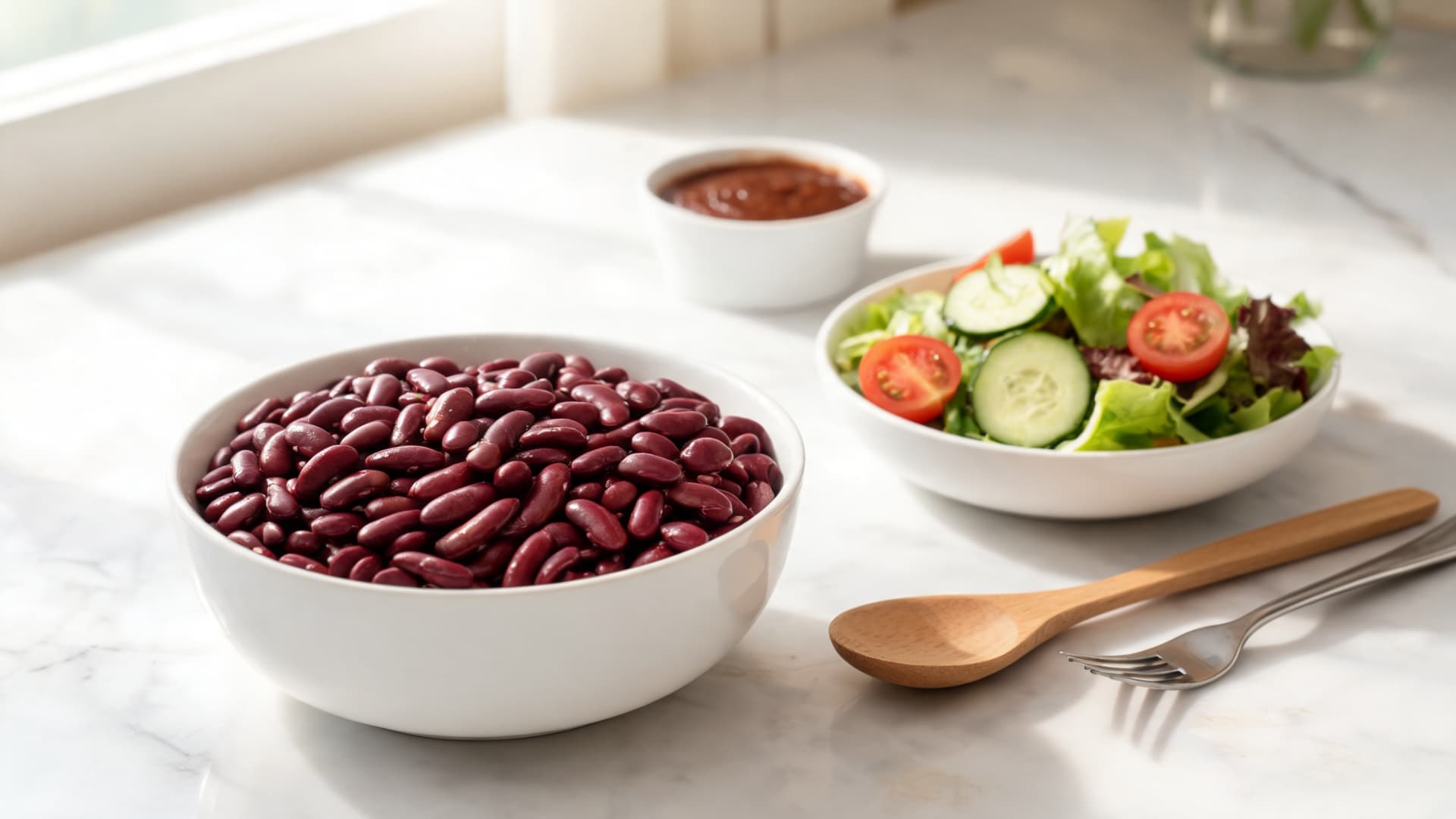
Plain kidney beans are gluten-free in dry or plain canned form. They show up in salads, rice dishes, stews, and chili. The problem is that chili and mixed-bean products are among the most common sources of hidden gluten in bean products.
Chili seasoning packets frequently contain wheat. Canned chili beans come in sauces that may include wheat-based thickeners, barley, or soy sauce. Ready-made chili products need a full label read every time before purchase.
4. Chickpeas
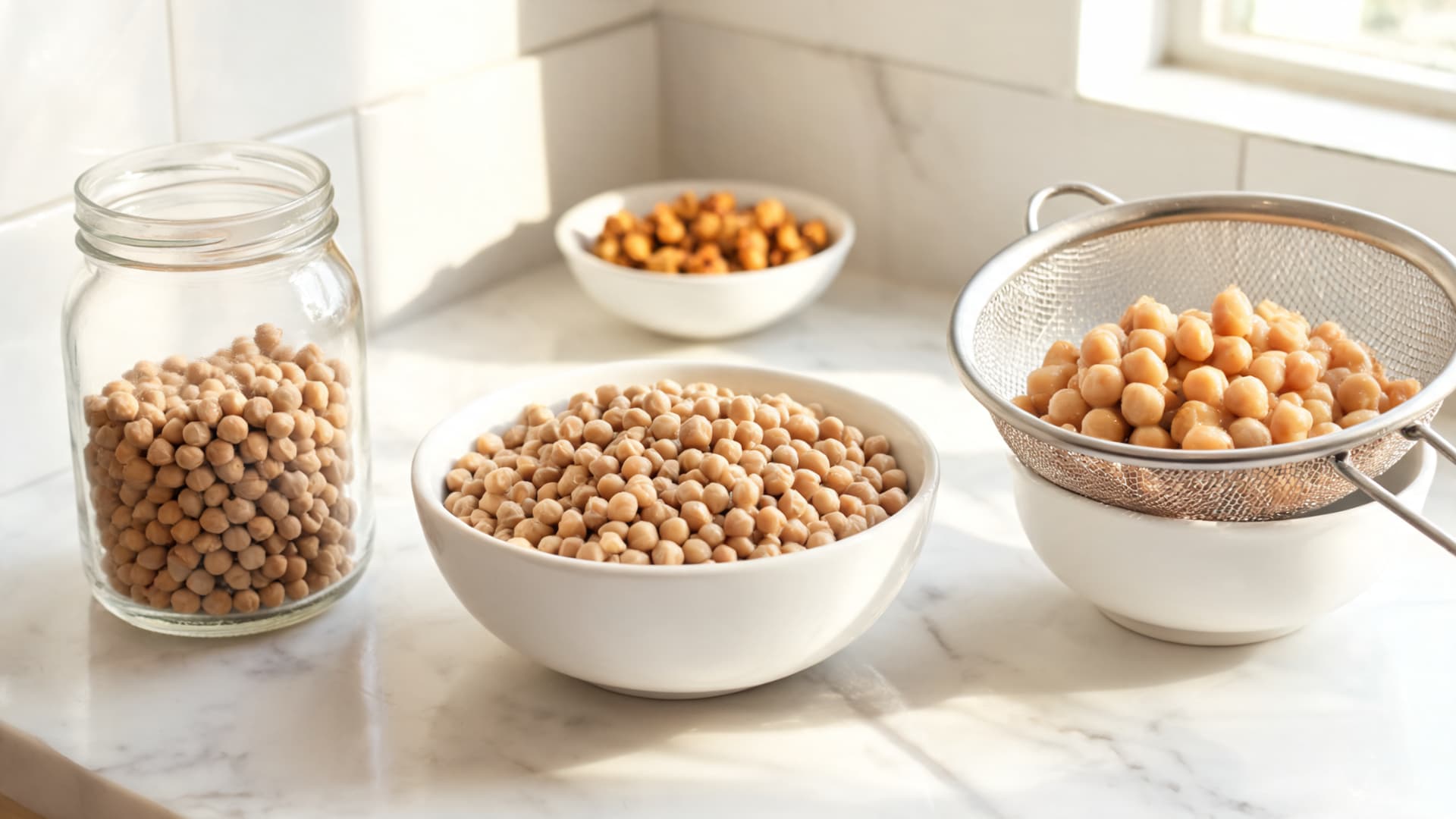
Plain chickpeas, also called garbanzo beans, are gluten-free when sold dry or canned in water with salt. They are broadly used in salads, curries, hummus, and roasted snack products.
That last category needs attention. Roasted chickpea snacks are one of the more common cases where a naturally gluten-free bean ends up coated in a seasoning blend containing wheat flour or processed on shared equipment.
Look for a certified gluten-free label on any packaged chickpea snack or hummus product. Chickpeas also make a strong protein anchor in high-protein vegan meals, provided you start with plain, labeled varieties.
5. Navy Beans
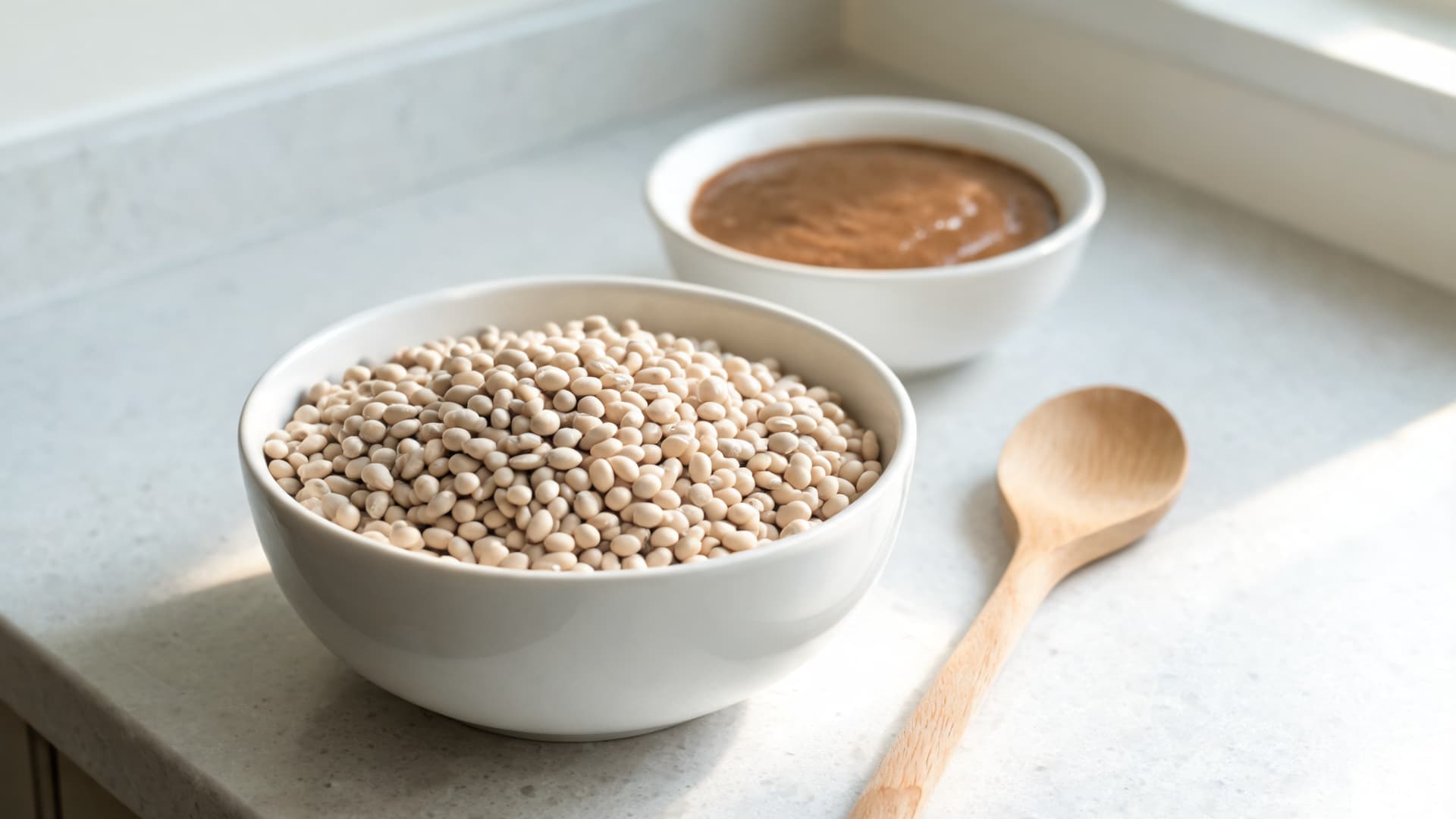
Plain navy beans are gluten-free in dry or plain canned form. At home, they are straightforward to cook with gluten-free ingredients.
The issue is that navy beans are the primary bean in most baked bean recipes, and baked beans are one of the highest-risk canned bean products. Traditional baked bean sauces often contain malt vinegar, which is derived from barley and is not gluten-free.
Some also include wheat flour as a thickener or soy sauce in the seasoning. If you want baked beans, look specifically for products labeled gluten-free and verify that malt vinegar is not listed.
6. Cannellini Beans
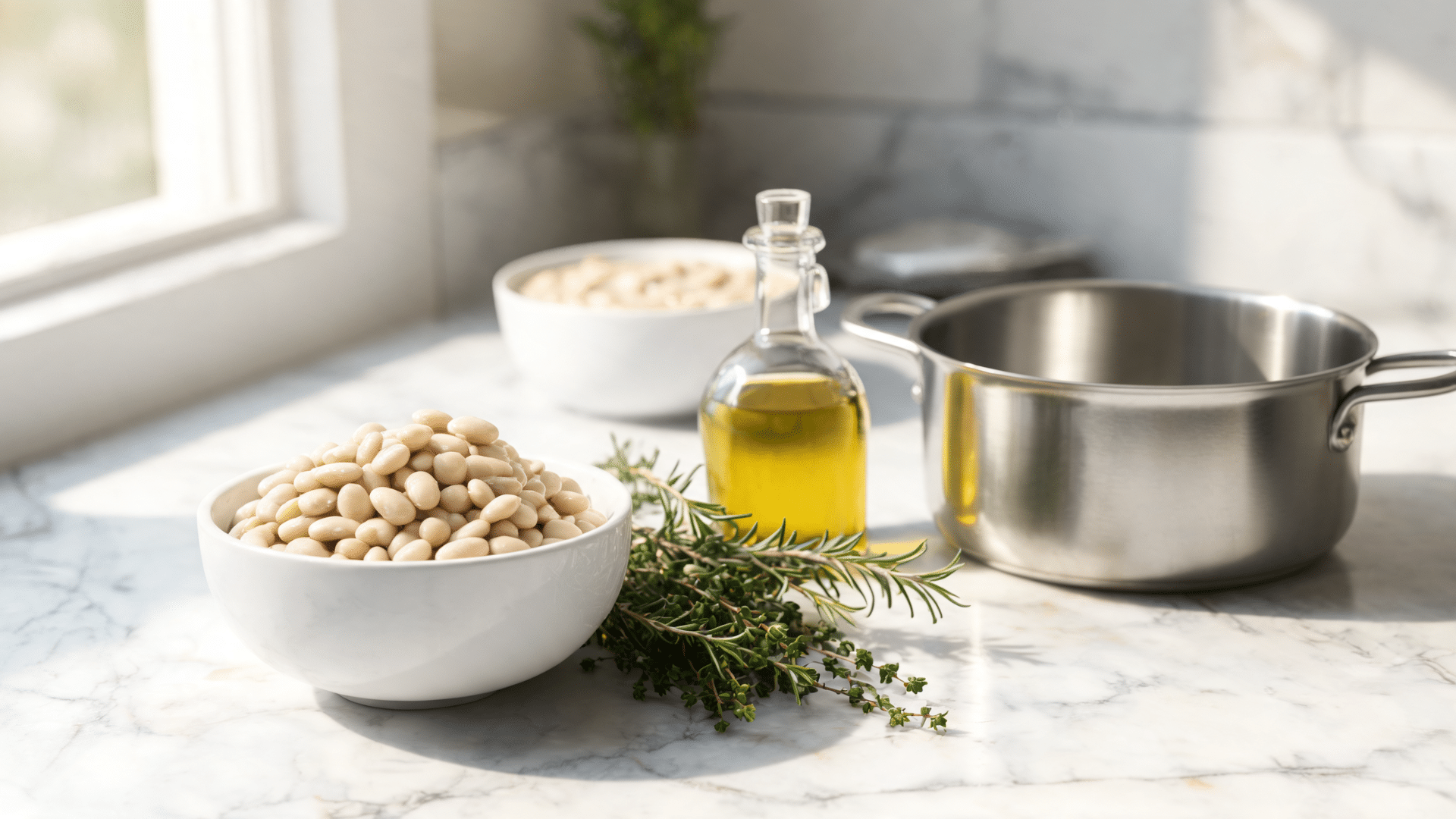
Plain cannellini beans are gluten-free in dry or plain canned form. They appear in white bean soups, Italian-style salads, dips, and casseroles.
The risk comes from prepared versions. White bean soups sometimes contain pasta or wheat flour. Frozen meals with cannellini beans may include gluten-containing broth or sauce bases.
Plain canned cannellini beans with beans, water, and salt on the label are the safer starting point.
7. Lima Beans
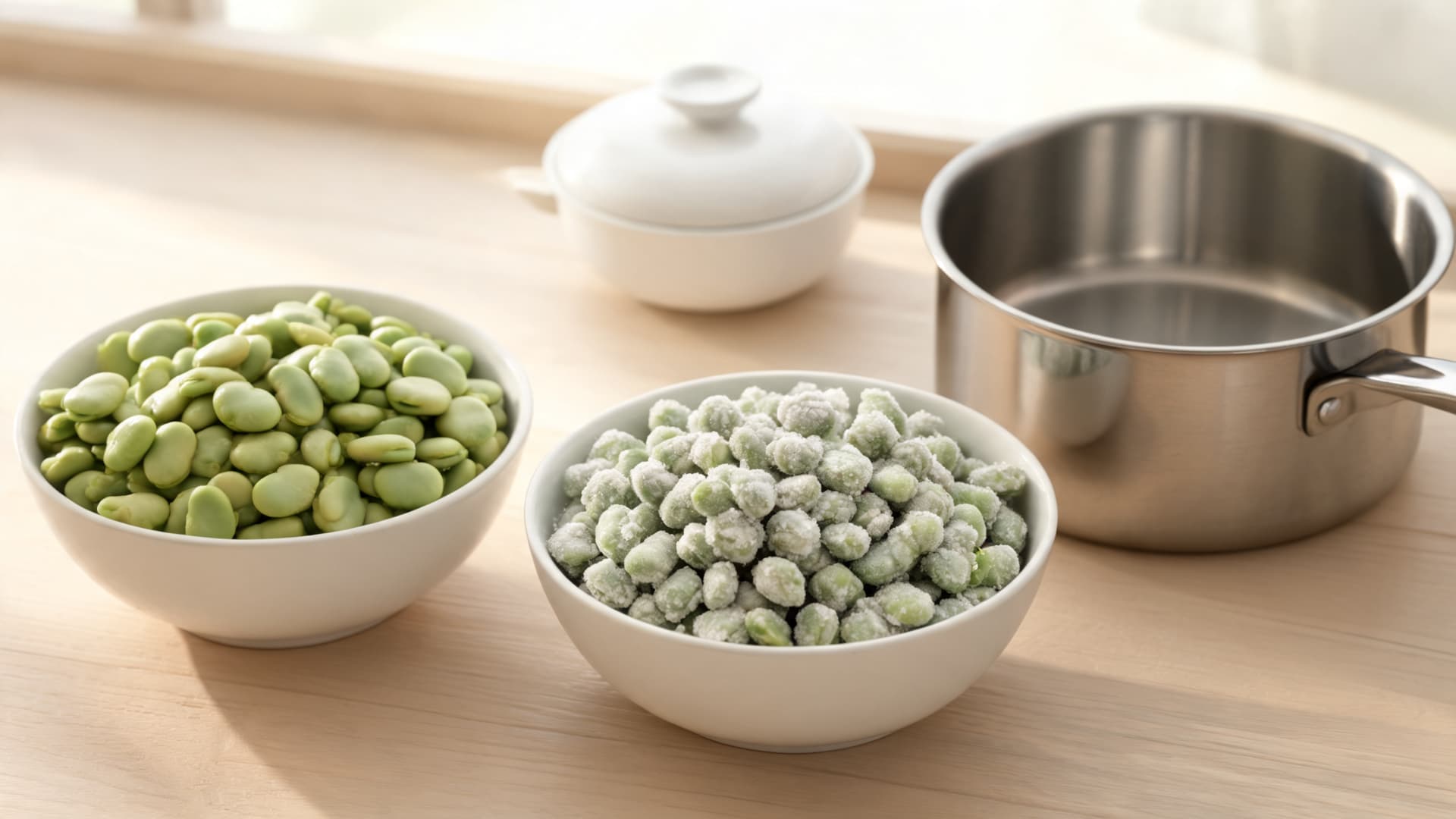
Plain lima beans, whether dry, frozen, or canned without added sauces, are gluten-free. They cook well with simple seasonings and work in most gluten-free meal formats.
Frozen lima beans with butter sauce or seasoning packets are where this gets complicated. Butter-style coatings can include wheat. Seasoning blends sometimes list undeclared wheat fillers under “natural flavors.”
Choose plain frozen lima beans without sauce and season them at home with verified ingredients.
8. Lentils
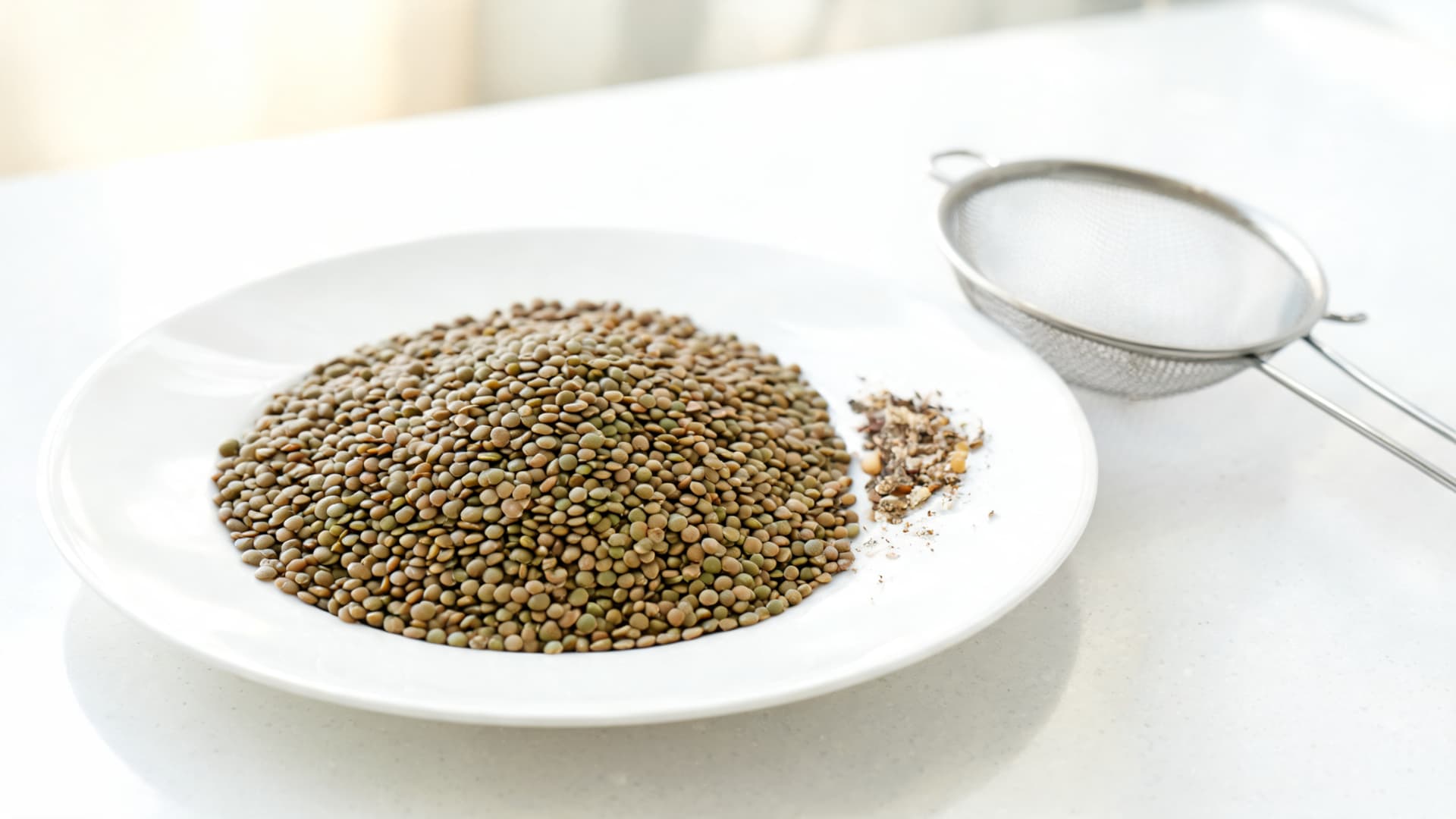
Plain lentils are naturally gluten-free, but they deserve extra attention in the shopping step. Lentils are often harvested and sorted alongside wheat, barley, and other grains. Small stray grains in a bag of lentils are not unusual, which matters a great deal for someone with celiac disease.
Sort lentils before cooking and rinse them well. For strict gluten avoidance, certified gluten-free lentils are the safest option. Bulk-bin lentils carry the highest cross-contact risk.
On the nutrition side, lentils are worth knowing about in detail because pairing lentils with other foods determines whether you are getting a complete amino acid profile from your meal.
9. Black-Eyed Peas
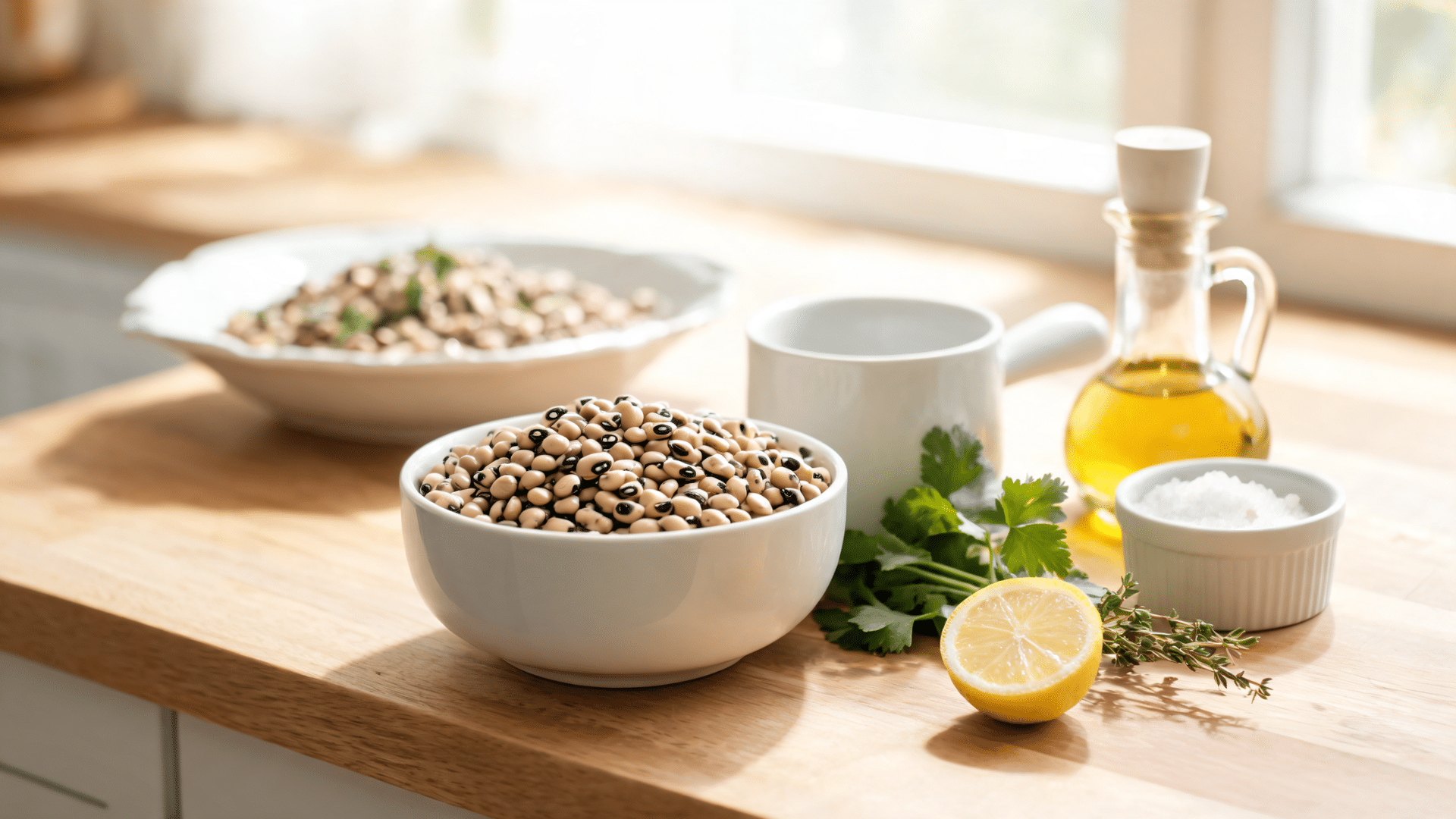
Plain black-eyed peas, whether dry, canned plain, or frozen without sauce, are gluten-free and generally low-risk at home. They work in Southern-style dishes, soups, and grain-free bowls when cooked with clean seasonings.
Seasoned canned versions, smoked-flavored products, and restaurant preparations need checking. Broth, spice blends, and smoked flavorings can contain gluten. Plain packaged options with simple ingredient lists are the safer choice.
Bean Products That Need a Closer Label Read
Plain beans are not the problem. Prepared bean products are where gluten hides. These are the categories that require the most attention before eating:
| Bean Product | What to Check |
| Baked Beans | Malt vinegar, wheat flour, barley-based sauce ingredients, gluten-free label. |
| Refried Beans | Wheat thickeners, broth, unclear seasoning blends, shared cooking warnings. |
| Chili Beans | Sauce ingredients, chili seasoning packets, soy sauce, barley, thickened liquids. |
| Bean Soups | Barley, pasta, wheat flour, bouillon cubes, gluten-containing broth. |
| Bean Dips | Spice blends, artificial flavorings, cheese sauces, shared facility warnings. |
| Bean-Based Snacks | Flavor coatings, wheat flour in batter, shared equipment, gluten-free certification. |
| Bean Burgers | Breadcrumbs, wheat flour binders, soy sauce, seasoning blends with wheat fillers. |
As a general rule: the more a bean product is processed or pre-seasoned, the more label scrutiny it needs. Read the full ingredient list every time, not just on new products. Manufacturers change formulas without notice, and a product that was gluten-free last year may not be this year.
Are Beans Safe for Gluten Intolerance?
Yes, for most people with gluten intolerance or non-celiac gluten sensitivity, plain beans are a safe and practical food. Because gluten is a protein found in specific grains and beans that belong to the legume family, there is no structural overlap. The bean itself is not a trigger.
The practical caveat is the same as for celiac disease: the risk comes from added ingredients and cross-contact, not the bean. Baked beans, refried beans, bean soups, dips, snacks, and restaurant dishes need checking for wheat, barley, malt vinegar, soy sauce, flour thickeners, and unclear seasoning blends before eating.
| Note: Beans can cause gas, bloating, or stomach discomfort in some people due to their high fiber and oligosaccharide content. These are digestive symptoms, not gluten reactions. If beans bother your stomach, that discomfort may actually reflect gut health issues rather than gluten exposure. Start with plain home-cooked beans and build up portion size gradually before assuming gluten is the cause. |
Can People With Celiac Disease Eat Beans?
Yes, people with celiac disease can eat plain, gluten-free beans. The key word is plain. For someone with celiac disease, even small amounts of cross-contact can trigger a full autoimmune response, so the shopping and preparation standards need to be stricter than for someone with general gluten sensitivity.
Here is where the risk actually enters the picture:
- Bulk-bin beans: Shared scoops are a direct cross-contact risk. Avoid entirely if you have celiac disease.
- Restaurant beans: Shared pots, sauces, and seasoning blends make restaurant beans unpredictable. Ask specifically about ingredients and shared equipment before ordering.
- Baked beans: Malt vinegar and wheat flour in sauces are common. Always check the label or make your own.
- Flavored refried beans: Seasonings and wheat-based thickeners are frequently used. Plain versions are safer but still require a label check.
- Bean soups: Barley is a classic soup grain and is not gluten-free. Pasta and wheat flour in broth are also common. Read carefully.
- Bean dips: Shared processing and undeclared seasoning ingredients can introduce gluten even in products that seem simple.
- Lentils from bulk bins or unlabeled packages: Stray grains from harvest or storage make certified gluten-free packaging the safer choice.
The safest practical approach: certified gluten-free dry beans, plain canned beans with short ingredient lists and a gluten-free label, or beans cooked at home using clean utensils, verified broth, and simple seasonings. If you are uncertain about a product or a restaurant dish, skip it.
Gluten Clues to Watch for on Bean Labels
Most people scan bean labels for obvious words like “wheat.” But gluten hides in less obvious places. Here is what to look for and what each term means for a gluten-free diet. The same vigilance applies when checking whether chocolate has gluten or any other processed food where the ingredient list can mislead.
| Label or Ingredient | What It Means |
| Wheat, Barley, or Rye | Avoid. These are direct gluten sources. |
| Malt Vinegar | Avoid. Typically derived from barley and not gluten-free. |
| Soy Sauce | Only safe if labeled gluten-free. Standard soy sauce contains wheat. |
| Wheat Starch | Safe only when the product carries a gluten-free label. |
| Hydrolyzed Wheat Protein | Avoid. Not gluten-free regardless of processing. |
| Natural Flavors | Ambiguous. Contact the manufacturer if you have celiac disease. |
| Modified Food Starch | May be derived from wheat. Verify or choose a labeled alternative. |
| Certified Gluten-Free | Best choice for celiac disease. Tested to below 20 ppm of gluten. |
| May Contain Wheat | A cross-contact warning. Avoid for celiac disease and high sensitivity. |
| Contains Wheat | Avoid on a gluten-free diet. |
If a label raises more questions than it answers, the simplest fix is to choose plain beans with beans, water, and salt on the ingredient list. A certified gluten-free designation removes the guesswork entirely for people with celiac disease. When in doubt, contact the brand directly. Most manufacturers can confirm whether their product is produced on shared equipment.
Common Myths About Beans and Gluten
A few persistent misconceptions make shopping harder than it needs to be. Here is what to disregard:
- Beans naturally contain gluten. False. Beans are legumes, not grains. No plain bean variety contains gluten at the source.
- All canned beans contain gluten. False. Plain canned beans with beans, water, and salt are typically gluten-free. Flavored and sauced varieties need checking.
- Rinsing makes any bean product gluten-free. False. Rinsing removes surface debris from plain beans. It does not remove gluten from sauces, seasoning coatings, or contaminated processing. Do not rely on rinsing as a safety measure for sauced or seasoned products.
- Organic beans are automatically gluten-free. False. Organic certification addresses farming standards, not gluten cross-contact. Organic beans can still be processed on shared equipment or stored near gluten-containing grains.
- Gluten-free means no carbs. False. This one trips people up when they are new to the diet. Gluten-free and carb-free are entirely different things. Beans are gluten-free and still contain carbohydrates, which is completely normal and nutritionally appropriate.
How to Cook Beans Safely on a Gluten-Free Diet
Home cooking with plain beans is the most reliable way to avoid gluten exposure. These steps keep cross-contact risk low:
- Sort and rinse dry beans before soaking or cooking. This removes debris including any stray grain fragments from packaging or storage.
- Use verified gluten-free broth or water. Many store-bought broths contain wheat or barley. Choose a broth that is labeled gluten-free or use plain water and build flavor with verified spices.
- Check every seasoning separately. Chili powder, cumin blends, and other spice mixes often contain wheat-based fillers or are processed on shared equipment. Single-ingredient spices or certified gluten-free blends are safer.
- Use clean, dedicated cookware. A pot used to cook wheat pasta without thorough washing can transfer gluten to beans cooked in it afterward. The same applies to colanders and strainers.
- Do not share cooking water with pasta. For a strict gluten-free kitchen, pasta and beans do not share pots, colanders, or prep surfaces.
If you eat refried beans regularly, the nutritional information on refried beans on this site covers what different versions actually contain and which plain options hold up well compared to flavored or restaurant versions.
Frequently Asked Questions
Are Canned Beans Gluten-Free?
Plain canned beans with beans, water, and salt in the ingredient list are generally gluten-free. Flavored, sauced, or seasoned canned beans need a full label check for wheat, barley, malt vinegar, soy sauce, and thickeners. For celiac disease, choose canned beans with a certified gluten-free label, since even plain varieties can be processed on shared equipment.
Are Refried Beans Gluten-Free?
Some are, some are not. Plain canned refried beans made from pinto beans, oil, and salt may be gluten-free, but the label still matters. Flavored and restaurant versions frequently contain wheat-based thickeners, seasoning blends with undeclared wheat, or broth with barley. Always read the full label, and for celiac disease, choose a brand with a certified gluten-free claim.
Are Baked Beans Gluten-Free?
Not reliably. Traditional baked bean sauces often contain malt vinegar, which is derived from barley and is not gluten-free. Some brands also use wheat flour as a thickener. Bush’s Best and some Heinz products offer labeled gluten-free versions, but always verify the current label before purchasing since formulations change.
Are Bean Chips Gluten-Free?
Some are, some are not. Plain bean chips from a single-ingredient legume base may be gluten-free, but many flavored varieties use wheat flour in the coating or are produced on shared equipment with wheat-containing snacks. Look for a certified gluten-free label and check the allergen statement specifically for shared equipment warnings.
Is Aquafaba Gluten-Free?
Aquafaba, the liquid from plain canned chickpeas, is typically gluten-free if the chickpeas themselves are gluten-free. Check the can label first. For celiac disease, use aquafaba only from chickpeas with a certified gluten-free designation.
Are Bean Burgers Gluten-Free?
Most commercial bean burgers are not gluten-free. They commonly contain breadcrumbs, wheat flour binders, or soy sauce. Always check the ingredient list and gluten-free claim before eating. Making your own at home with certified gluten-free binders gives you full control over the ingredients.
Can I Cook Beans in the Same Pot as Pasta?
Not for a strict gluten-free diet. A pot used for wheat pasta retains gluten residue even after rinsing. Use a separate, thoroughly washed pot for beans, and keep colanders and strainers dedicated to gluten-free cooking if you have celiac disease or high sensitivity.
Are Lentils Gluten-Free?
Lentils are naturally gluten-free, but they carry a higher risk of cross-contact than most other plain beans because they are often harvested and sorted alongside wheat and barley. Sort and rinse lentils before cooking, and choose certified gluten-free packaged lentils rather than bulk-bin versions for the strictest gluten avoidance.
The Final Bean
So, are beans gluten-free? Yes, plain beans are naturally gluten-free, but the safest choice depends on what is added around them. Dry beans, plain canned beans, lentils, chickpeas, and other simple beans can fit well into gluten-free meals when you sort, rinse, and cook them with clean tools.
The real risk comes from sauces, seasonings, baked beans, refried beans, bean soups, snacks, bulk bins, and restaurant prep. Always read the label, check for wheat, barley, rye, malt vinegar, soy sauce, and unclear thickeners.
For celiac disease or high sensitivity, certified gluten-free beans give you more peace of mind. Choose plain products when you can, and keep your meals simple, safe, and easy without adding extra stress to your day.
Drop a comment below and let me know what your favorite bean was.