











Fish is easier to enjoy when it fits the way you cook. A good choice should taste fresh, suit your budget, and work in meals you already make.
Choosing the best fish to eat gets simpler when you look at flavor, texture, availability, and nutrition together. Some fish are rich and filling, while others are mild, lean, and better for quick dinners.
You will also see where mahi mahi fits, since many people compare it with other white fish for protein and everyday cooking.
I’ll keep the advice clear and practical, so you can pick seafood that tastes good and works for real home meals.
What is the Best Fish to Eat
The best fish to eat should taste good, be easy to find, and work well in regular meals. Most people are not only comparing nutrition labels. They also want fish that tastes nice, cooks without stress, and fits meals they already make.
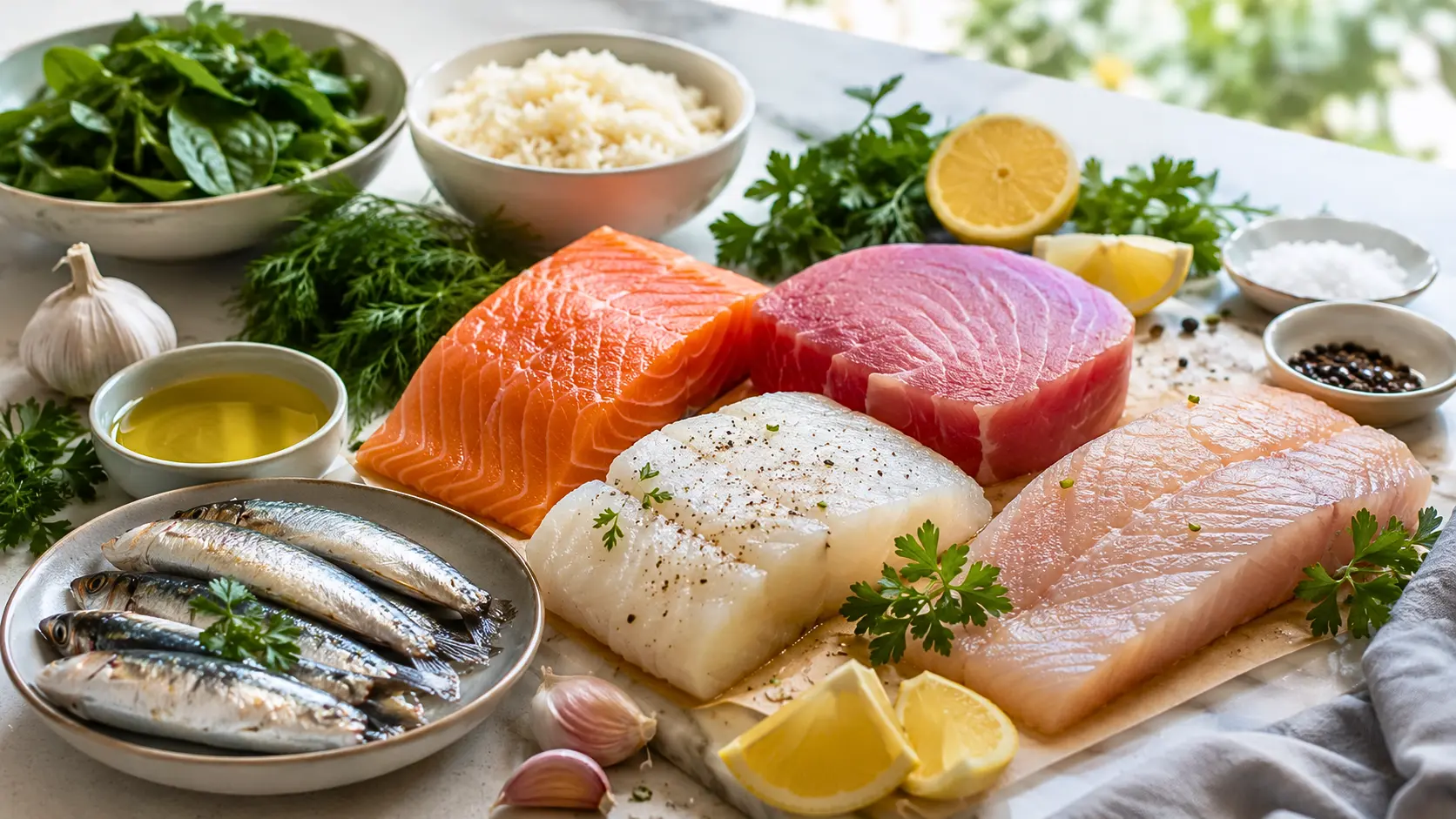
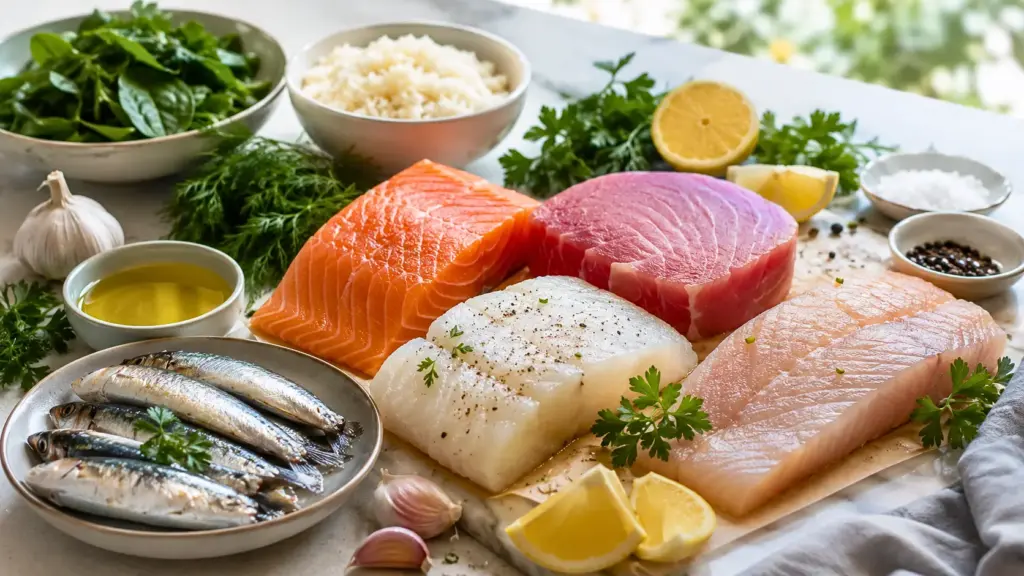
The fish below are common in grocery stores, fish markets, frozen aisles, cans, or restaurant menus. They also give you different flavor options, from rich salmon to mild cod, firm mahi mahi, and quick canned tuna.
A good choice usually comes down to three things: flavor, availability, and how easily it fits meals like tacos, bowls, salads, sandwiches, or baked dinners.
1. Salmon
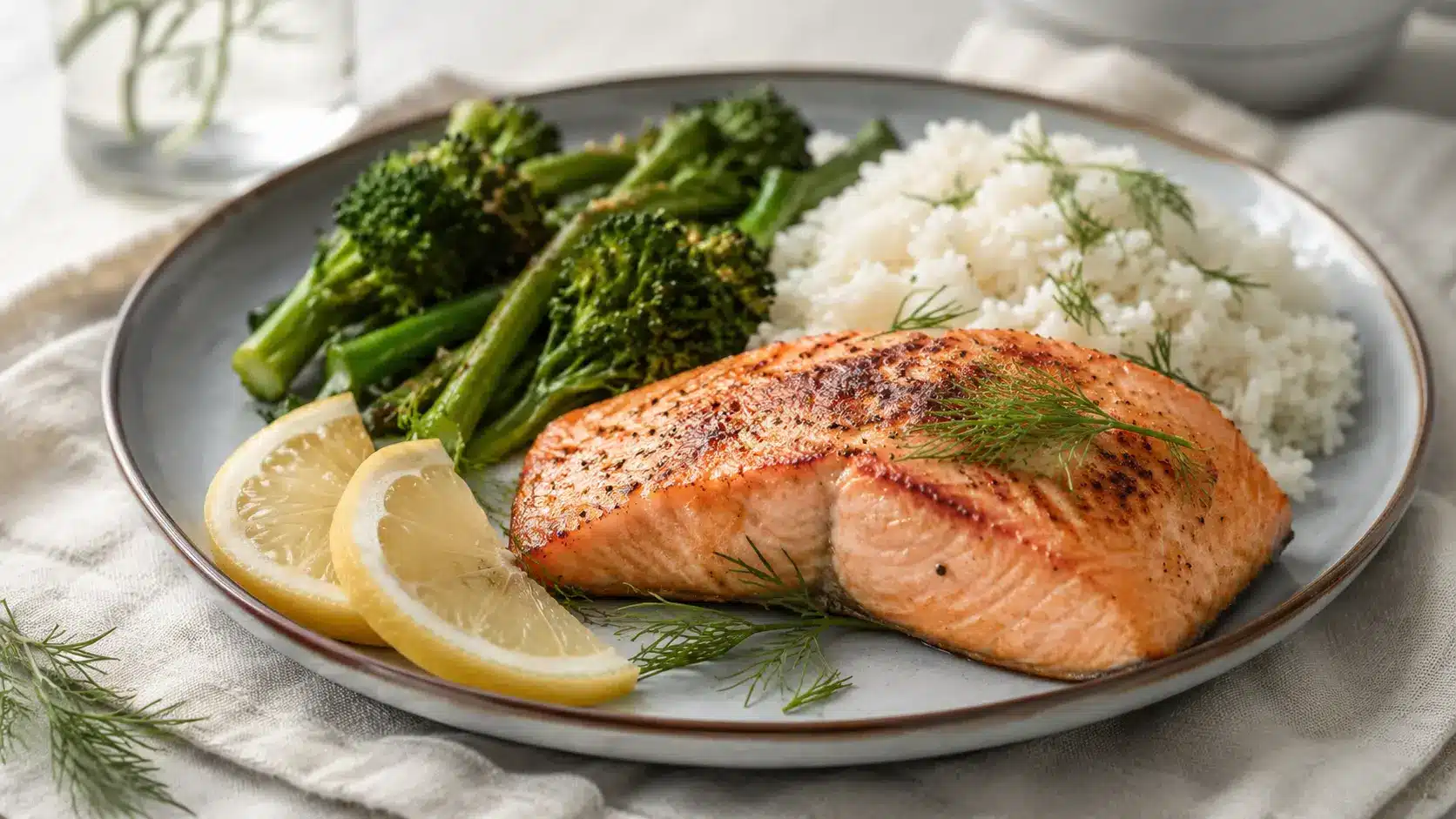
Best for: Rich flavor, omega-3 fats, and easy weeknight dinners.
Salmon has a rich flavor, a soft texture, and enough fat to stay moist during cooking. It works well baked, grilled, pan-cooked, or served over rice and greens.
You can usually find it fresh, frozen, canned, or smoked. The American Heart Association recommends two servings of fish each week, especially fatty fish, in its fish advice.
2. Mahi Mahi
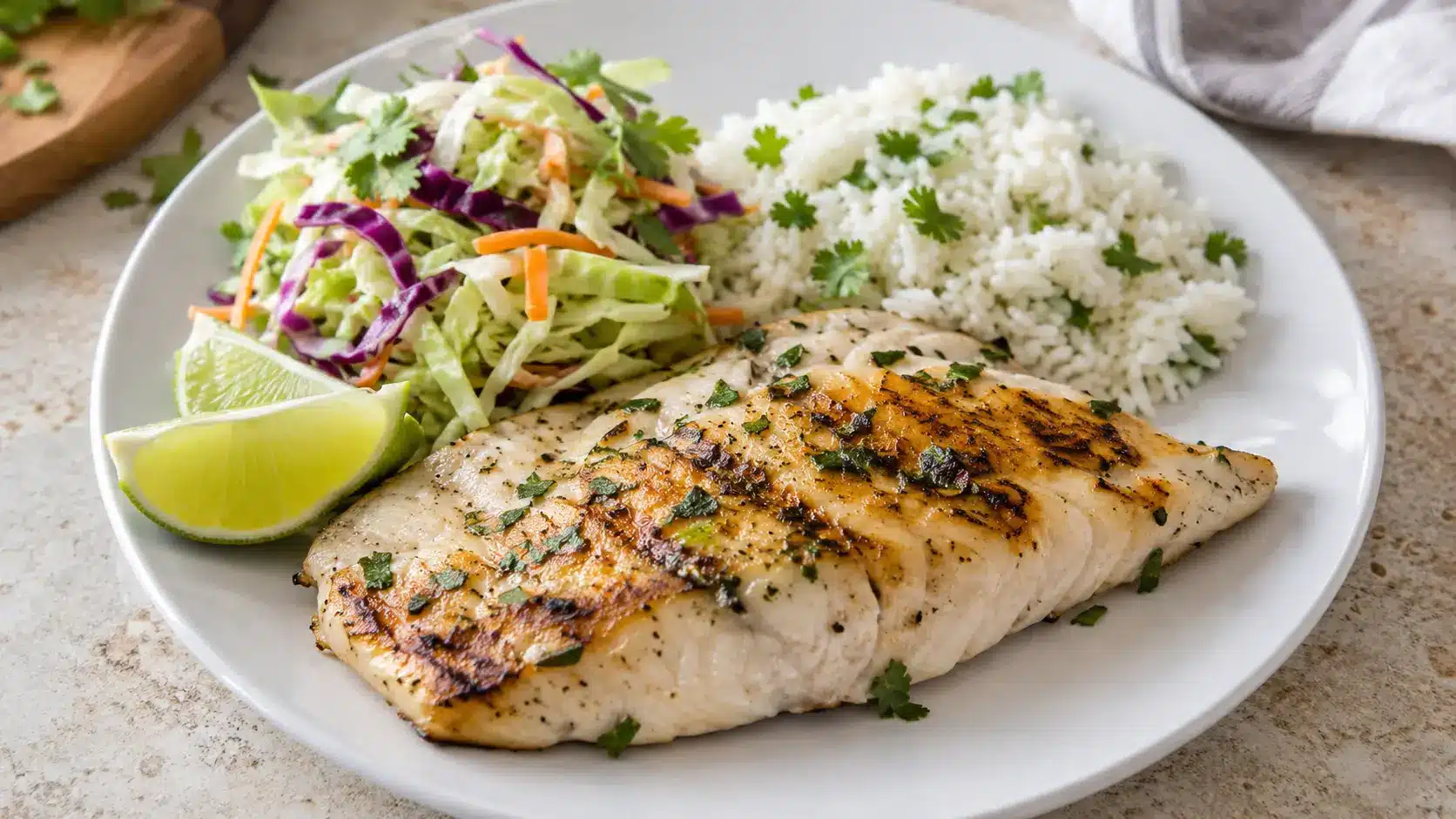
Best for: Mild flavor, lean protein, tacos, and grilling.
Mahi mahi is a firm, white fish with a clean, slightly sweet taste. It is a good pick when you want seafood that does not feel too heavy or taste too strong.
Its firm texture helps it hold together during cooking. I like it for tacos, grilled plates, and rice bowls because it can handle bright toppings and bold seasoning.
3. Cod
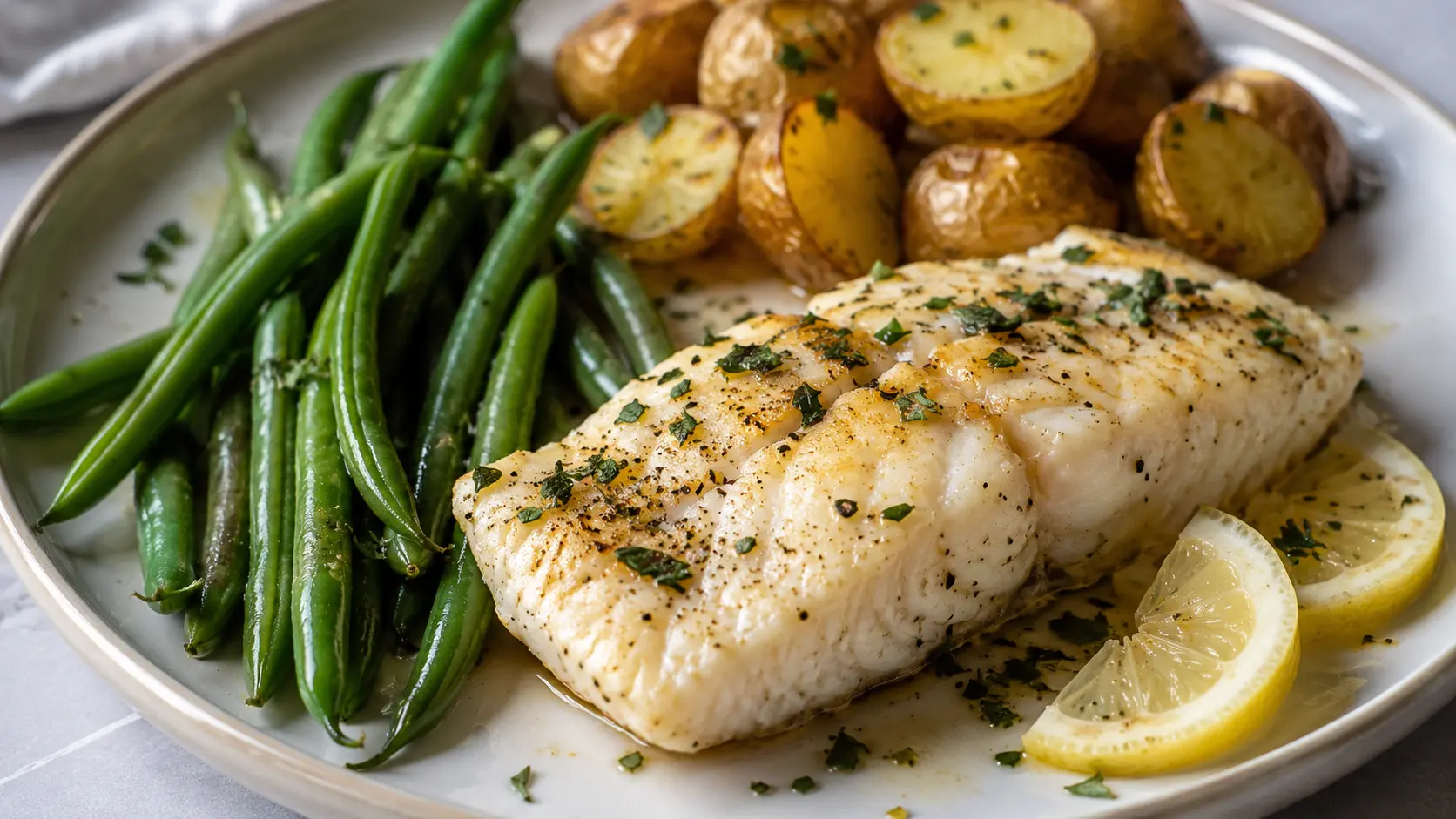
Best for: Mild meals, beginners, and simple baked dinners.
Cod has a soft, flaky texture and a very light flavor. It is one of the easiest fish to start with if you are not used to cooking seafood.
You can bake it with lemon and herbs, add it to soups, or use it in a fish sandwich. Cook it gently, since cod can dry out fast.
4. Trout
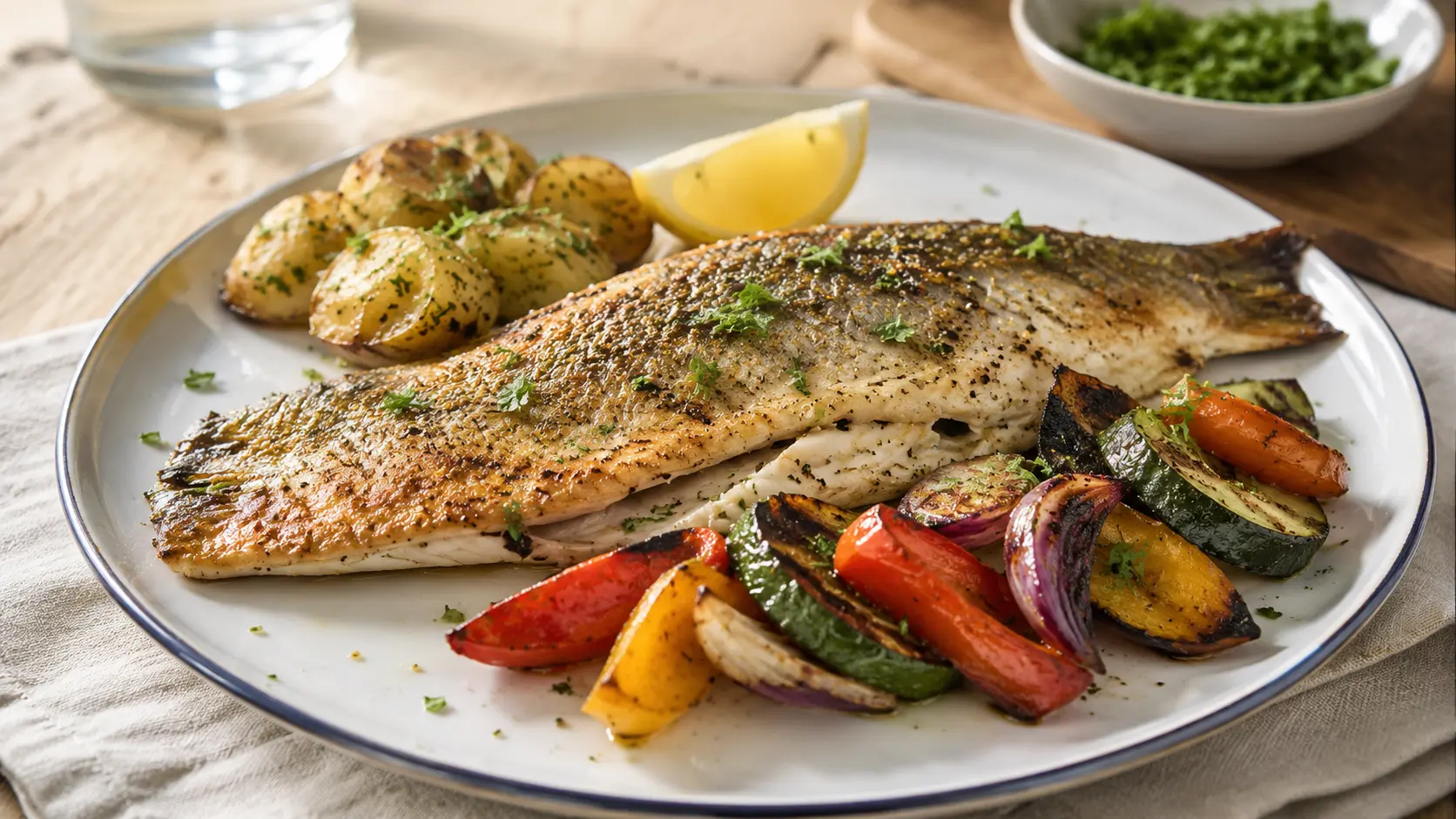
Best for: A balanced fish that feels richer than cod but lighter than salmon.
Trout has a gentle flavor and a soft texture. It gives you more fat than many white fish, but it does not feel as rich as salmon.
It works well in a pan or oven. Pair it with potatoes, rice, greens, or roasted vegetables for a simple meal that feels filling without much effort.
5. Sardines
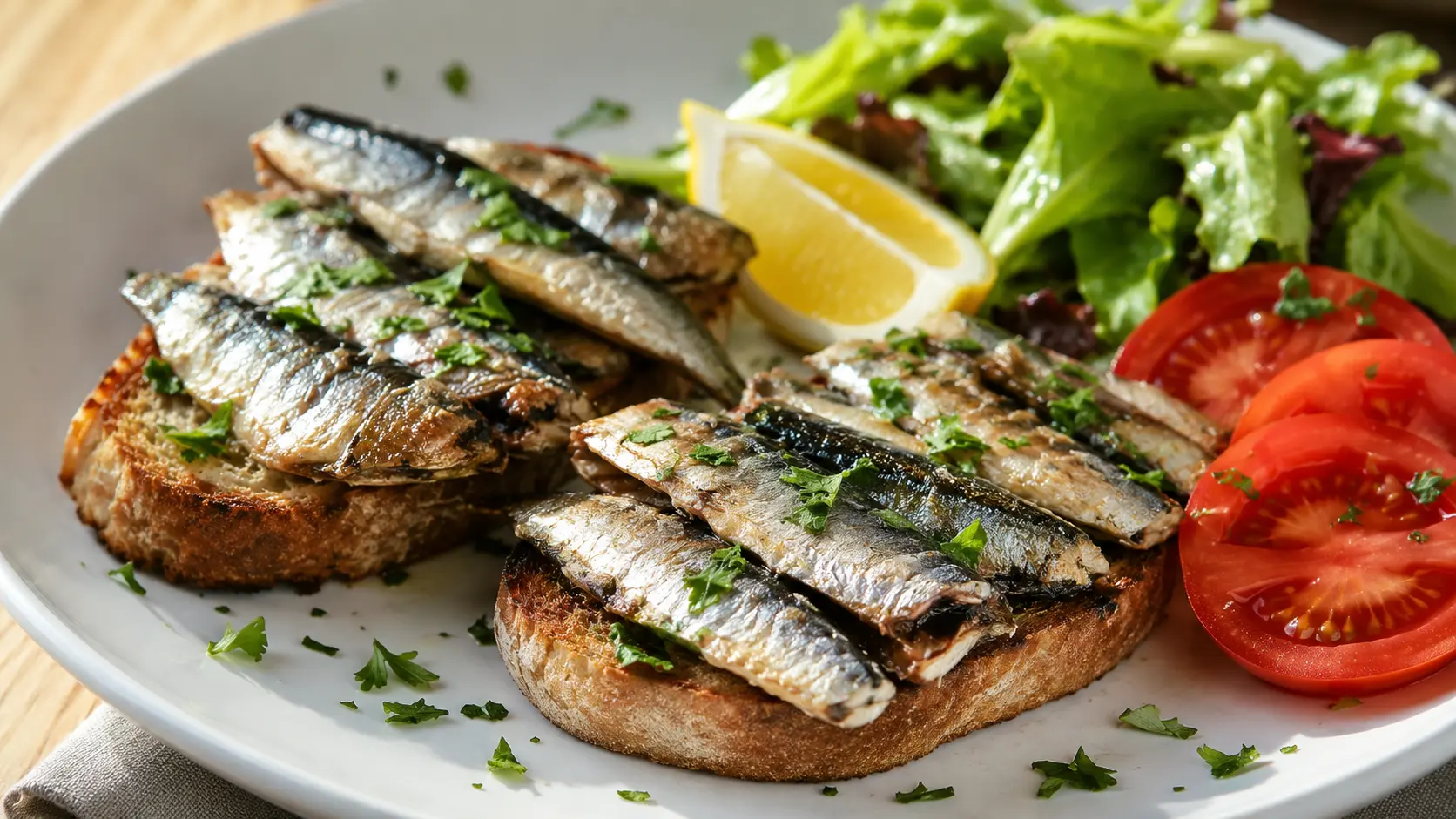
Best for: Budget-friendly nutrition and quick pantry meals.
Sardines have a stronger taste, but they are practical and easy to keep at home. Since they are often sold canned, you do not need to plan around fresh fish.
Try them with toast, pasta, rice, salads, or crackers. Lemon, vinegar, tomatoes, mustard, and herbs can make the flavor easier if sardines feel too strong at first.
6. Tilapia
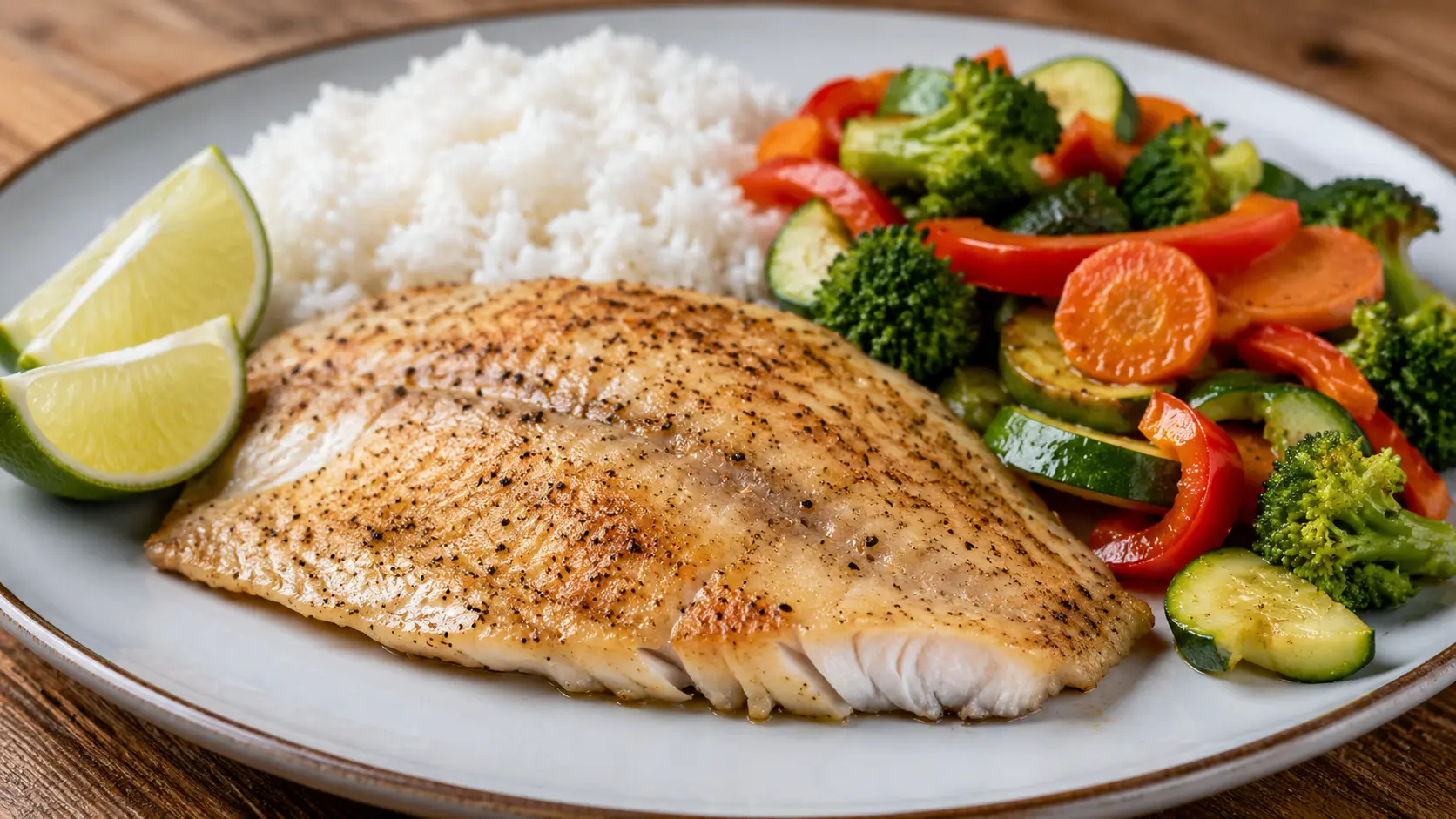
Best for: Quick, mild, affordable meals.
Tilapia has a very light taste and cooks fast. It is often cheaper than many other fish, which makes it useful for busy weeks.
Since the flavor is mild, it needs seasoning. Garlic, paprika, black pepper, lime, salsa, and herbs can help it feel less plain.
7. Tuna
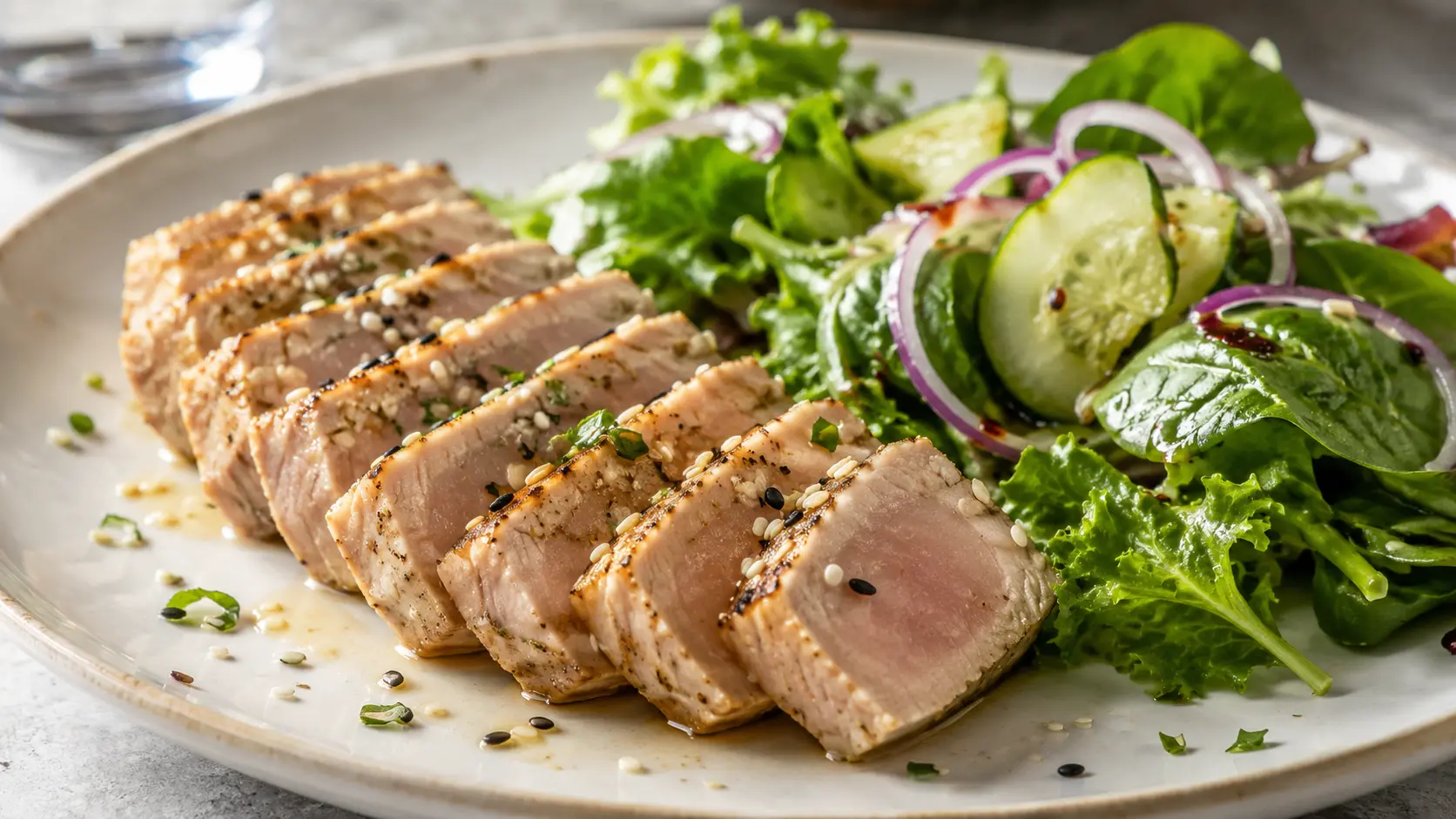
Best for: Firm texture, seared meals, salads, and sandwiches.
Tuna has a meaty texture that makes it feel different from softer white fish. Fresh tuna works well seared or grilled, while canned light tuna is useful for fast lunches.
If you dislike strong seafood flavor, start with cod, tilapia, sole, or mahi mahi before trying stronger fish like sardines.
Healthiest Fish to Eat
The right choice depends on what you need from the meal. Some fish are better for healthy fats, while others work better when you want lighter protein.
| Health Goal | Best Fish | Why It Helps |
|---|---|---|
| More omega-3 fats | Salmon, sardines, herring, trout, anchovies, mussels | Higher in healthy fats |
| Lean protein | Mahi mahi, cod, haddock, pollock, flounder, sole, tilapia | Protein with less fat |
| Heart-focused meals | Salmon, sardines, trout, herring, anchovies | Works well for non-fried meals |
| Lower-mercury routine | Salmon, sardines, cod, tilapia, trout, anchovies, canned light tuna | Better for regular meals |
| Balanced weekly mix | Salmon, sardines, trout, cod, mahi mahi | Gives you both fatty and lean fish |
EPA and DHA are omega-3 fats found in fish and seafood, according to the NIH factsheet . Use the table to choose fish based on your main goal, not just one “best” option.
Is Mahi Mahi Healthy?
Yes, mahi mahi is healthy for most people. Its main strength is that it gives you a high amount of protein for very little fat.
A 3-ounce cooked serving has about 93 calories, 20 grams of protein, and less than 1 gram of fat. It also provides niacin, selenium, vitamin B12, and vitamin B6.
Those numbers make mahi mahi useful when you want seafood that feels filling without being rich or oily. It can fit well with simple sides like vegetables, rice, potatoes, or salad.
The main limit is omega-3 fat. Mahi mahi is lower in omega-3s than salmon, sardines, trout, or mackerel, so it should not be your only seafood choice.
Overall, mahi mahi works best as a lean white fish alongside richer seafood choices.
Lower-Mercury Fish and Fish You May Want to Limit
Mercury matters most if you eat fish often or cook for children, pregnant people, breastfeeding people, or people who may become pregnant. Some fish are safer for regular meals, while others need tighter limits.
The FDA and EPA group fish into “Best Choices,” “Good Choices,” and “Choices to Avoid” in their FDA chart . This helps people choose fish based on mercury levels.
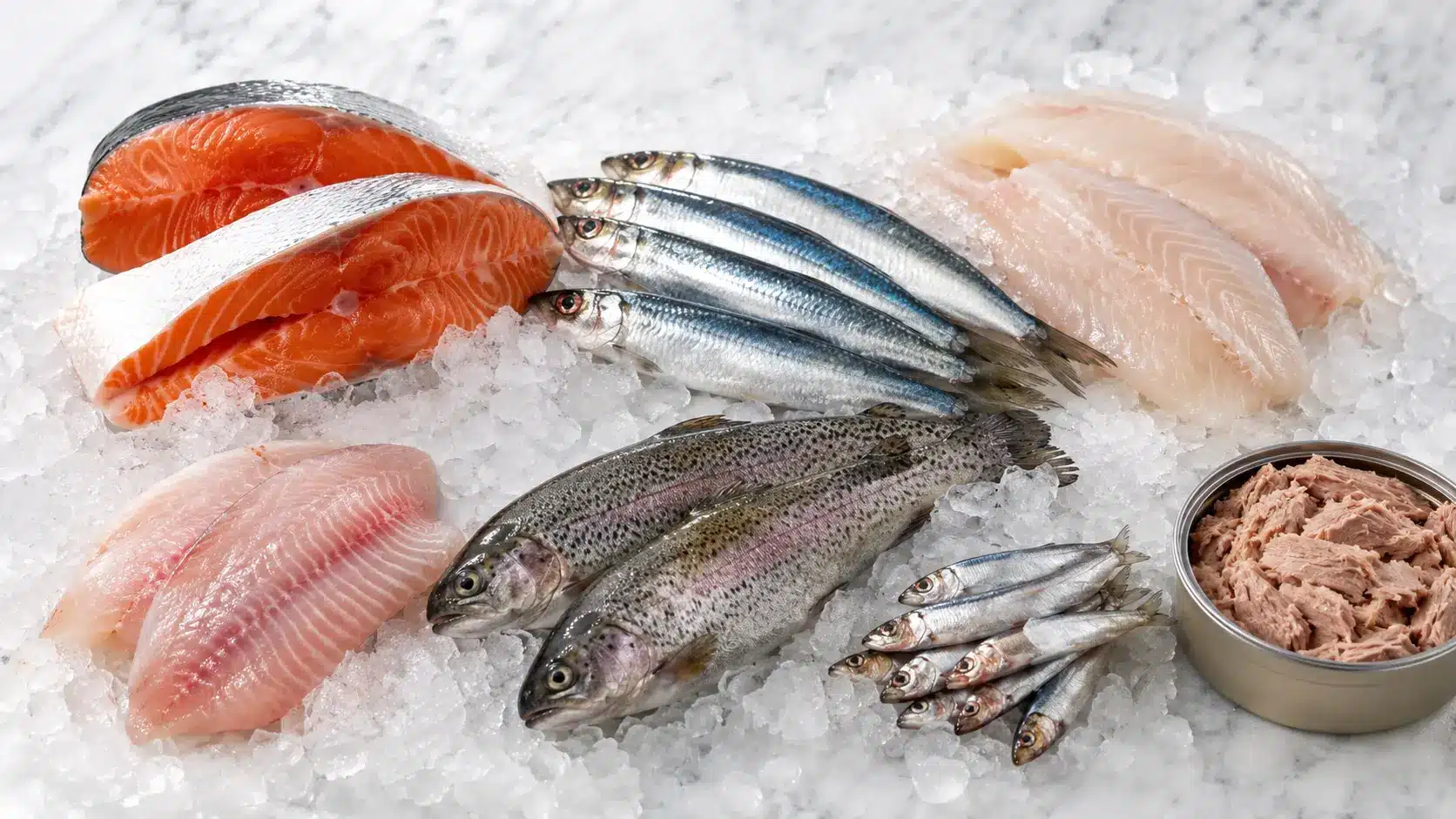
Better lower-mercury options include salmon, sardines, cod, tilapia, trout, anchovies, and canned light tuna. These choices are easier to include in a regular seafood routine.
Fish often listed as choices to avoid for certain groups include:
- Shark
- Swordfish
- King mackerel
- Bigeye tuna
- Tilefish
- Marlin
- Orange roughy
If seafood is part of your weekly routine, choose lower-mercury options more often and limit the fish listed above.
How to Buy and Cook Fish That Tastes Good
Good fish starts before it reaches the pan. A few simple checks can help you bring home fish that tastes fresh and cooks well.
- Check the smell: Fresh fish should smell clean and mild, not sour, sharp, or ammonia-like.
- Look at the fillets: Choose fillets that look moist and firm. Avoid dry edges, dull color, or mushy flesh.
- Keep it cold: The FDA says fresh fish should be refrigerated or displayed on a thick bed of ice in its seafood safety advice.
- Use frozen fish when needed: Plain frozen fillets can be a good choice because they last longer and are easier to plan around.
- Watch added ingredients: Breaded fish, sauce-covered fish, and heavily seasoned packs can add extra salt and fat.
- Pat fish dry before cooking: This helps the surface cook better and keeps the texture from turning watery.
- Do not overcook it: Fish is usually ready when it flakes with a fork and looks opaque in the center.
These small steps help fish taste fresher, cook more evenly, and fit better into simple home meals.
Frequently Asked Questions
What has the fewest bones?
Large fillets from cod, salmon, mahi-mahi, tuna, and halibut are often easier to eat because they are usually sold with the bones removed. Still, check each bite because small pin bones can remain after processing.
Can kids eat the same seafood as adults?
Kids can eat many of the same lower-mercury fish adults eat, but portions should be smaller for their age and appetite. The EPA and FDA provide age-based serving amounts in their fish chart .
Should you eat the skin?
Fish skin is edible on many types of fish, including salmon, when cleaned and cooked properly. It can turn crisp in a pan and add flavor. Skip it if the texture bothers you or if the source is unclear.
How long can cooked seafood stay cold?
USDA says cooked leftovers can stay in the fridge for 3 to 4 days. Store cooked fish in a sealed container, chill it soon after cooking, and toss it if the smell or texture seems off.
Is fresh fish better than frozen fish?
Fresh fish is not always better than frozen fish. Frozen fillets can taste good when handled well and kept cold. They also last longer, reduce waste, and make seafood easier to plan for weeknight meals.
Why do some lists say to limit mahi mahi?
Some lists focus on mercury, while others look at sourcing or fishing methods. That does not mean mahi-mahi is unhealthy on its own. It means you should check the source and rotate seafood choices.
Conclusion
The best fish to eat depends on taste, budget, and how you cook at home. Some people prefer rich fish like salmon, while others want mild choices like cod, tilapia, or mahi mahi.
For the healthiest fish to eat, variety matters more than one perfect option. Choose fatty fish when you want healthy fats, and choose lean fish when you want a lighter plate.
So, is mahi mahi healthy? Yes. It works well as a firm, lean white fish that fits regular meals without feeling heavy.
I would keep it alongside other seafood, especially when you want meals that feel balanced, doable, and worth repeating.