



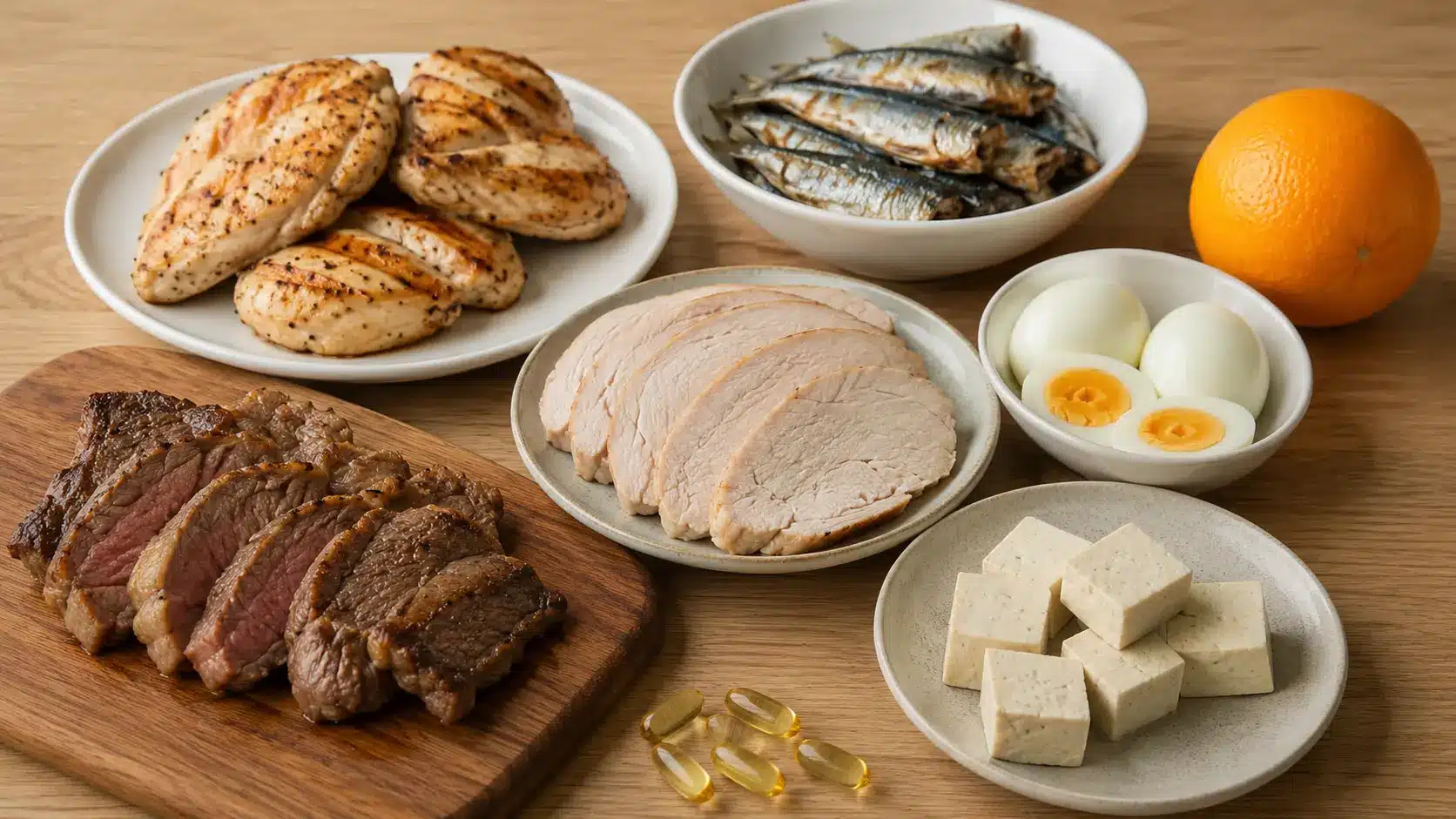







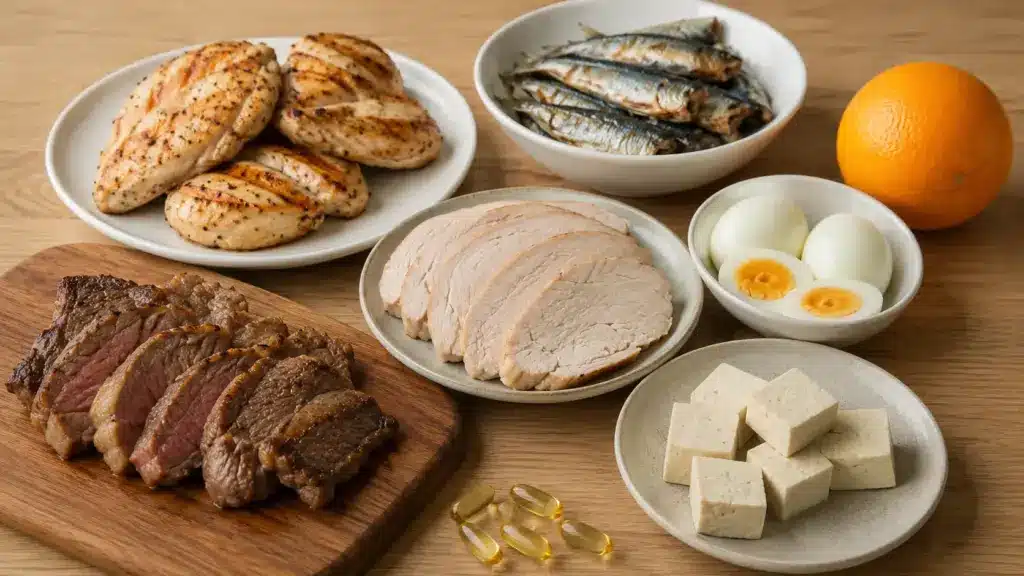

Ever wonder why some people seem to stay youthful, with firm skin and flexible joints, while others notice sagging and stiffness as they age? Could the secret be more than just skincare or exercise?
What foods have collagen, you ask? Collagen is a protein that acts like the framework for your body, keeping everything from your skin to your bones strong, flexible, and resilient.
The best part? You don’t need expensive supplements or complicated diets. By choosing the right foods, you can naturally support your collagen levels and feel the difference inside and out. Ready to see which foods can help?
Disclaimer: This content is for general information only and should not be treated as medical advice. Collagen needs can vary based on age, diet, skin type, allergies, and health history. Please consult a qualified dietitian and dermatologist before changing your diet, using supplements, or following any collagen-focused routine for safety.
The Three Main Types of Collagen in Food
Collagen is not a single compound. At least 28 types have been identified in the human body, but roughly 80 to 90 percent of the body’s collagen is Type I, II, or III. Each comes from different food sources.
| Collagen Type | Where It’s Found in the Body | Primary Food Sources | Main Benefit |
|---|---|---|---|
| Type I | Skin, bones, tendons, ligaments | Bone broth, beef skin, marine fish skin | Skin firmness, tendon and bone strength |
| Type II | Joint cartilage, hips | Chicken cartilage, slow-cooked skin-on chicken | Joint cushioning and cartilage resilience |
| Type III | Skin, blood vessels, organ walls | Pork skin, beef skin, slow-braised connective tissue cuts | Skin structural integrity, blood vessel support |
| Note: Marine collagen from fish skin is often seen as more bioavailable than bovine collagen due to smaller peptides, potentially allowing faster absorption. While plausible, large-scale human trials haven’t definitively proven this. Eating fatty fish skin offers a practical source regardless. |
Collagen-Packed Foods to Boost Your Body
Your body thrives on nutrients that strengthen its framework, and collagen-rich foods are effective for this. They support structure, promote tissue health, and boost vitality naturally. Let’s explore these foods and easy ways to include them in daily meals without complicated prep.
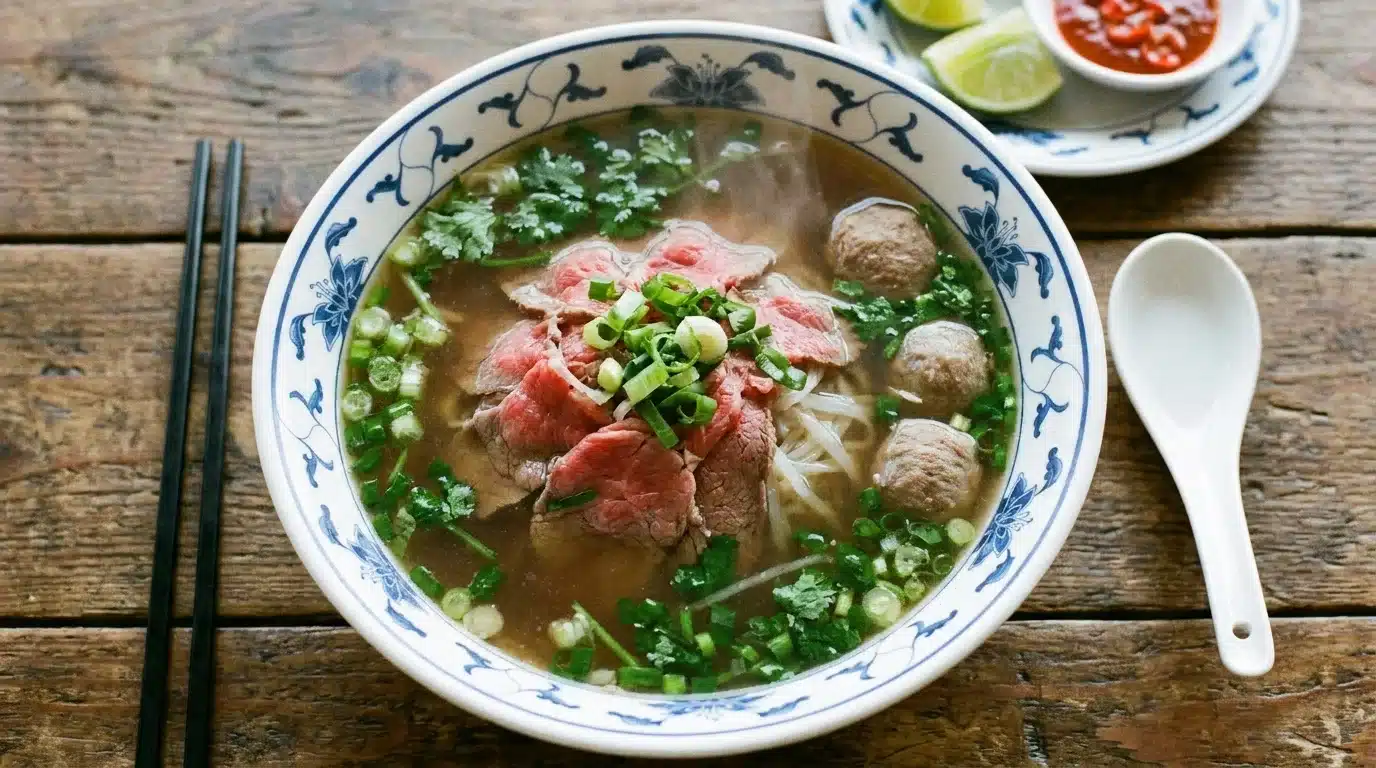
1. Bone Broth
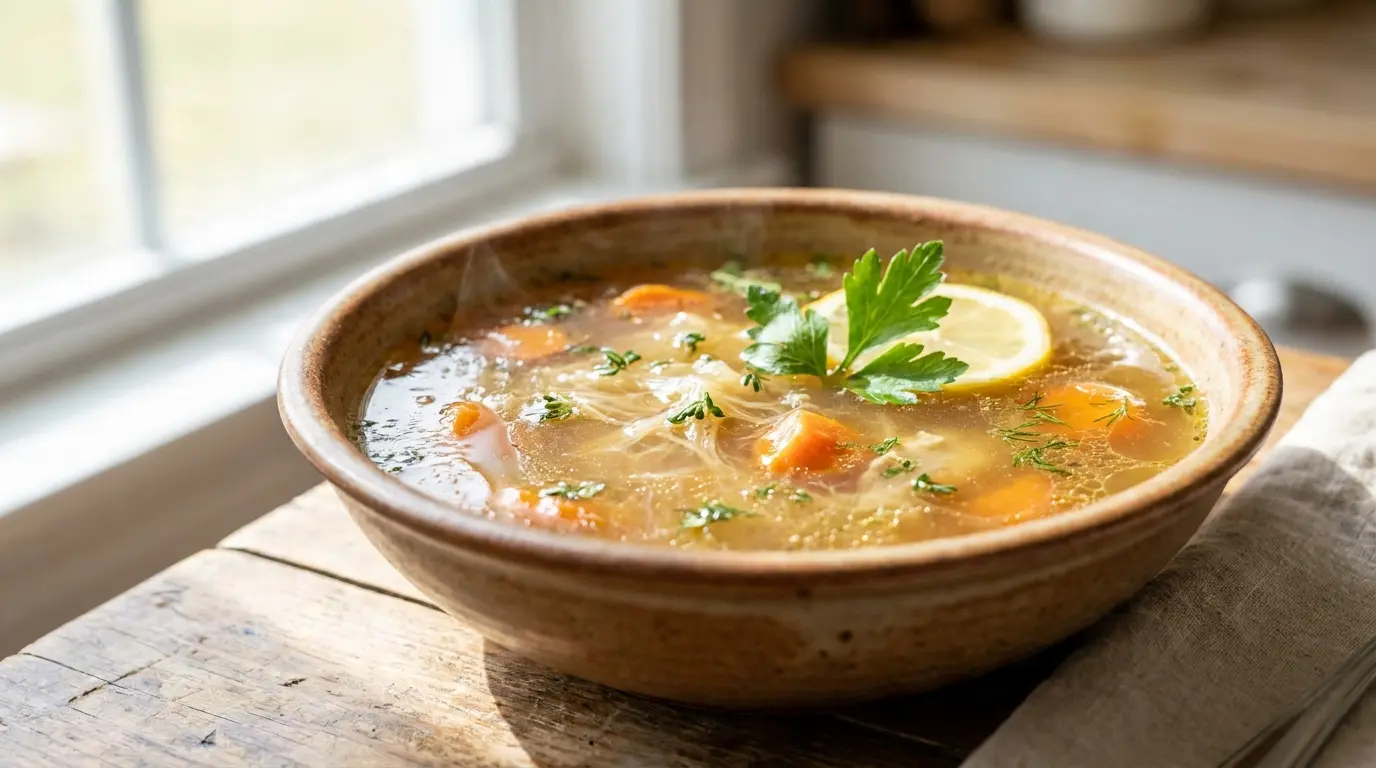
Simmering animal bones and cartilage for 12 to 24 hours breaks collagen into gelatin, releasing glycine, proline, and hydroxyproline. If your homemade broth gels when refrigerated, the extraction worked. Use it as a cooking base or drink it warm.
- Type I & III collagen: Supports skin firmness, tendons, and gut lining
- Yield varies: Homemade long-simmered broth delivers far more than most commercial versions
- Glycine bonus: Supports gut lining integrity and sleep quality beyond collagen alone
2. Chicken With Skin
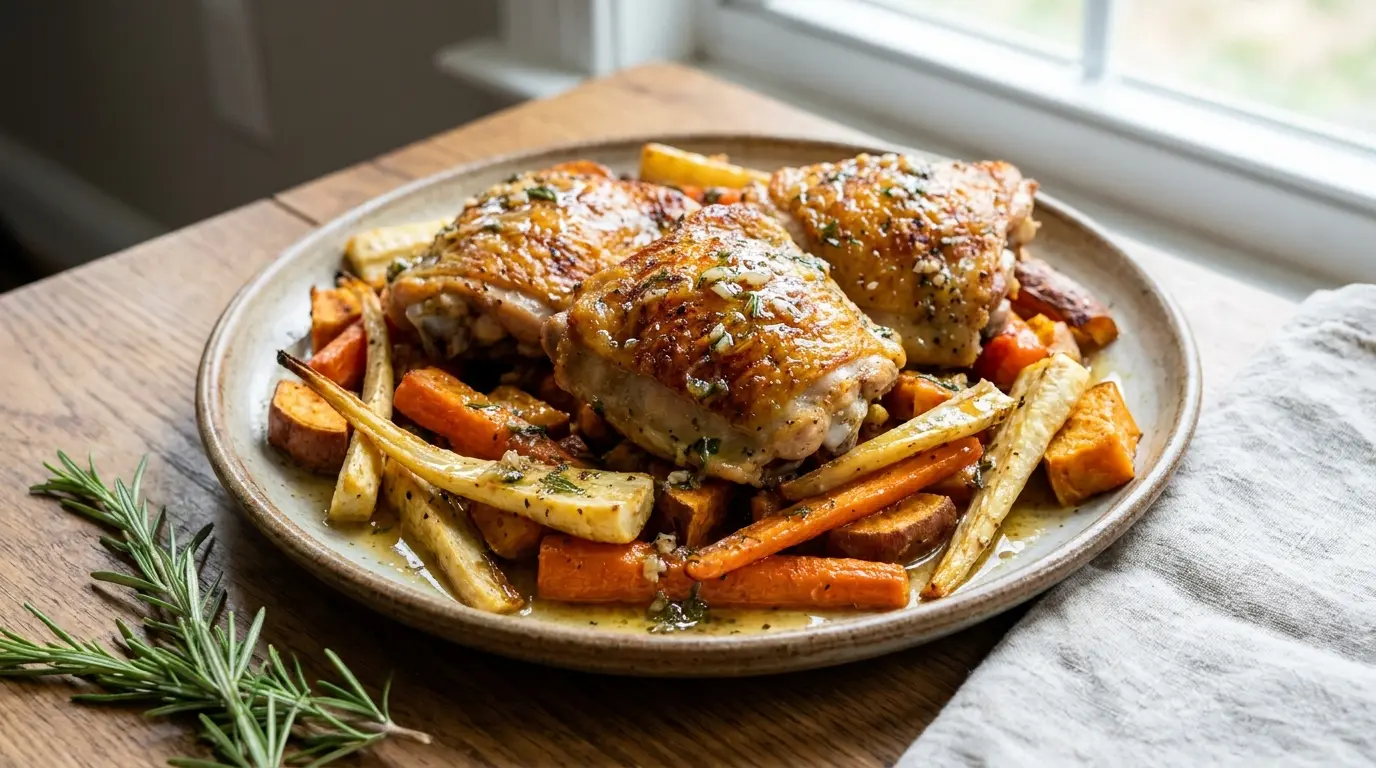
Chicken is the primary dietary source of Type II collagen, concentrated in the skin and cartilage. Skin-on thighs or drumsticks slow-cooked at 275 to 300°F for two or more hours release the most collagen. Breast meat without skin provides protein but almost no collagen.
- Type II collagen: Most relevant to joint cartilage and cushioning
- Best cut: Skin-on thighs or drumsticks, slow-cooked until cartilage softens
- Pair with vitamin C: Bell peppers or tomatoes to support collagen synthesis
3. Fish With Skin
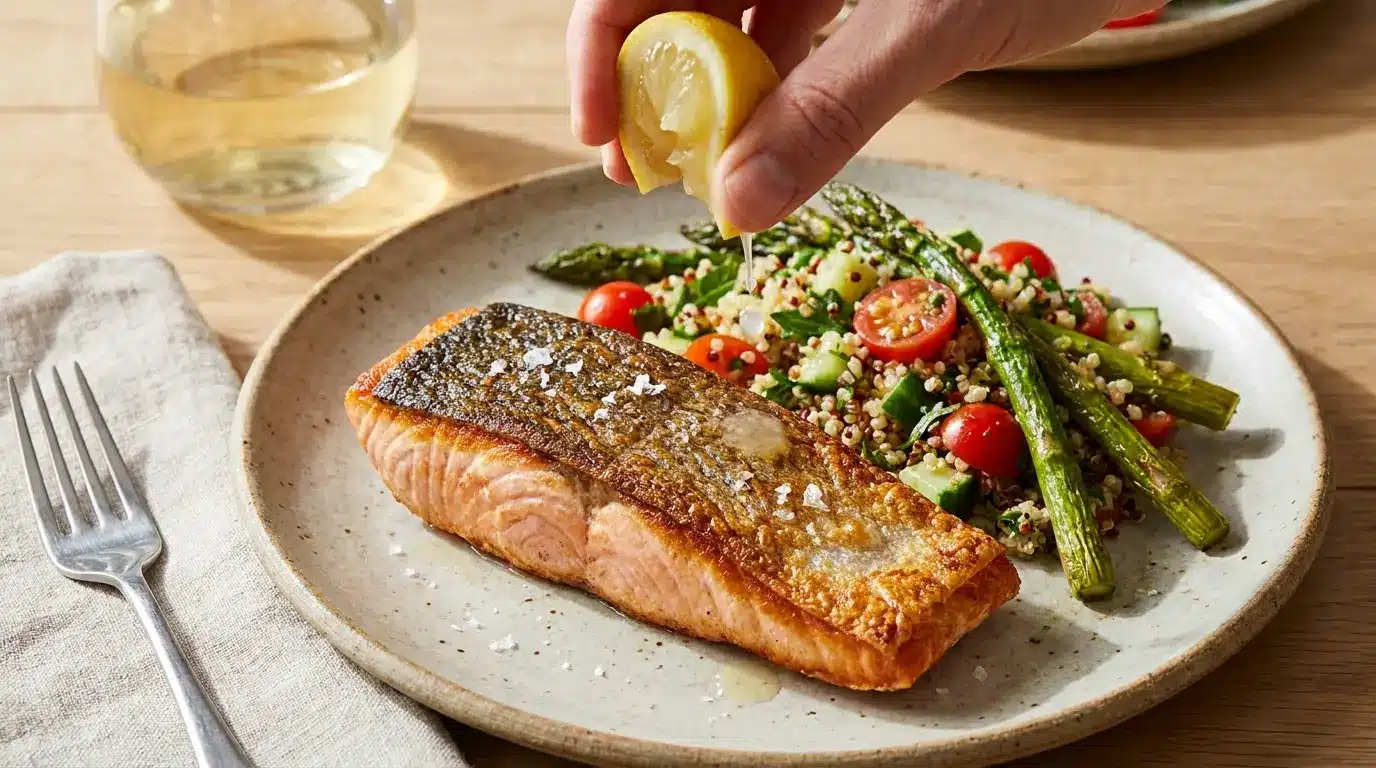
Fatty fish like salmon, snapper, and mackerel carry collagen in the skin, not the flesh. Pan-searing skin-side down until crispy keeps the nutrients intact. Discarding the skin means discarding most of the collagen.
- Type I collagen: Marine collagen, associated with skin elasticity and firmness
- Eat the skin: The flesh adds glycine and proline, but the skin is where the collagen lives
- Omega-3 bonus: Healthy fats in fatty fish reduce inflammation that degrades collagen over time, the same principle behind many everyday skin-supporting foods that work through an anti-inflammatory route
4. Sardines
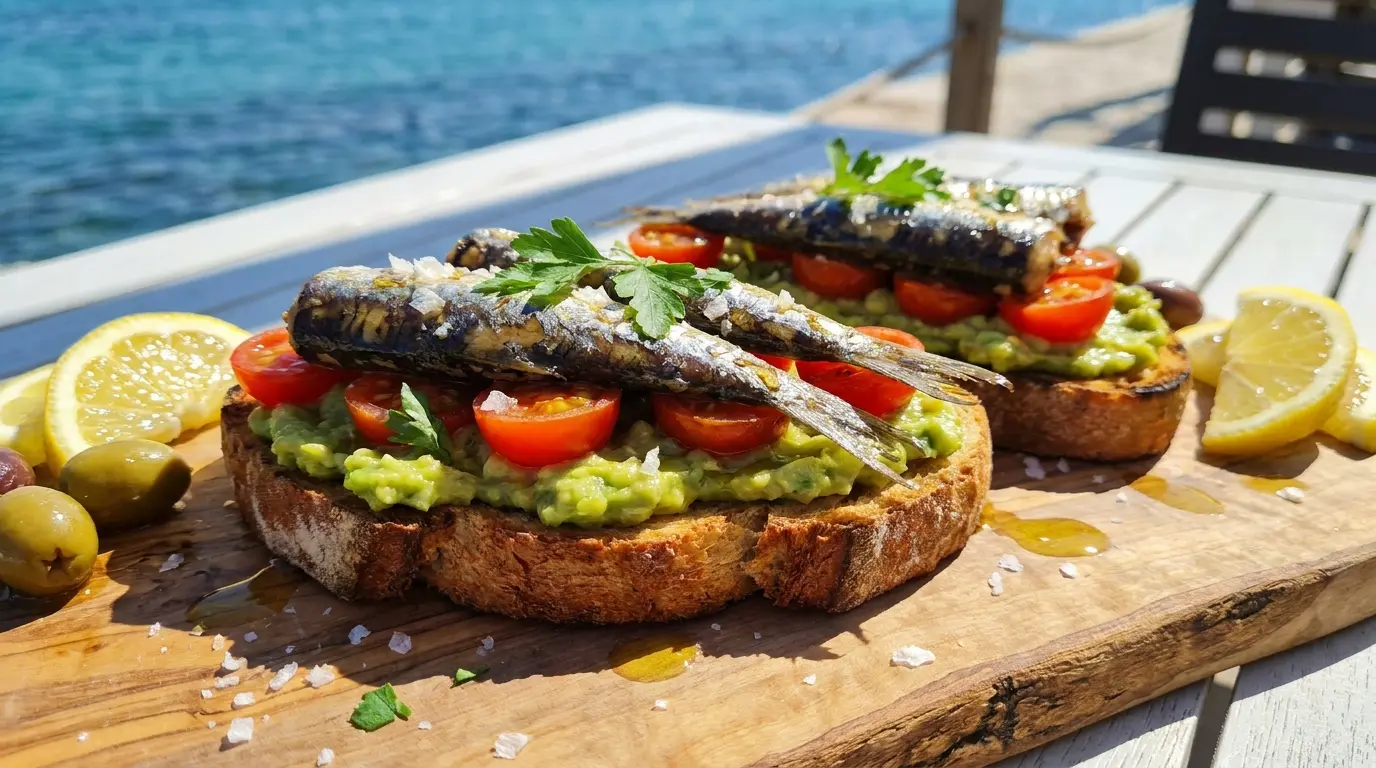
Whole canned sardines are eaten bones included, delivering collagen, amino acids, and calcium in a single serving. One can (92g) provides roughly 23 grams of protein with zero preparation needed. Layer on toast, toss into a salad, or add to grain bowls.
- Type I collagen: From skin and soft bones, eaten whole
- Calcium bonus: Soft bones provide direct dietary calcium alongside collagen amino acids
- Pair with lemon: Vitamin C from a squeeze of lemon supports collagen synthesis from the glycine and proline in the fish
5. Beef Shank or Oxtail
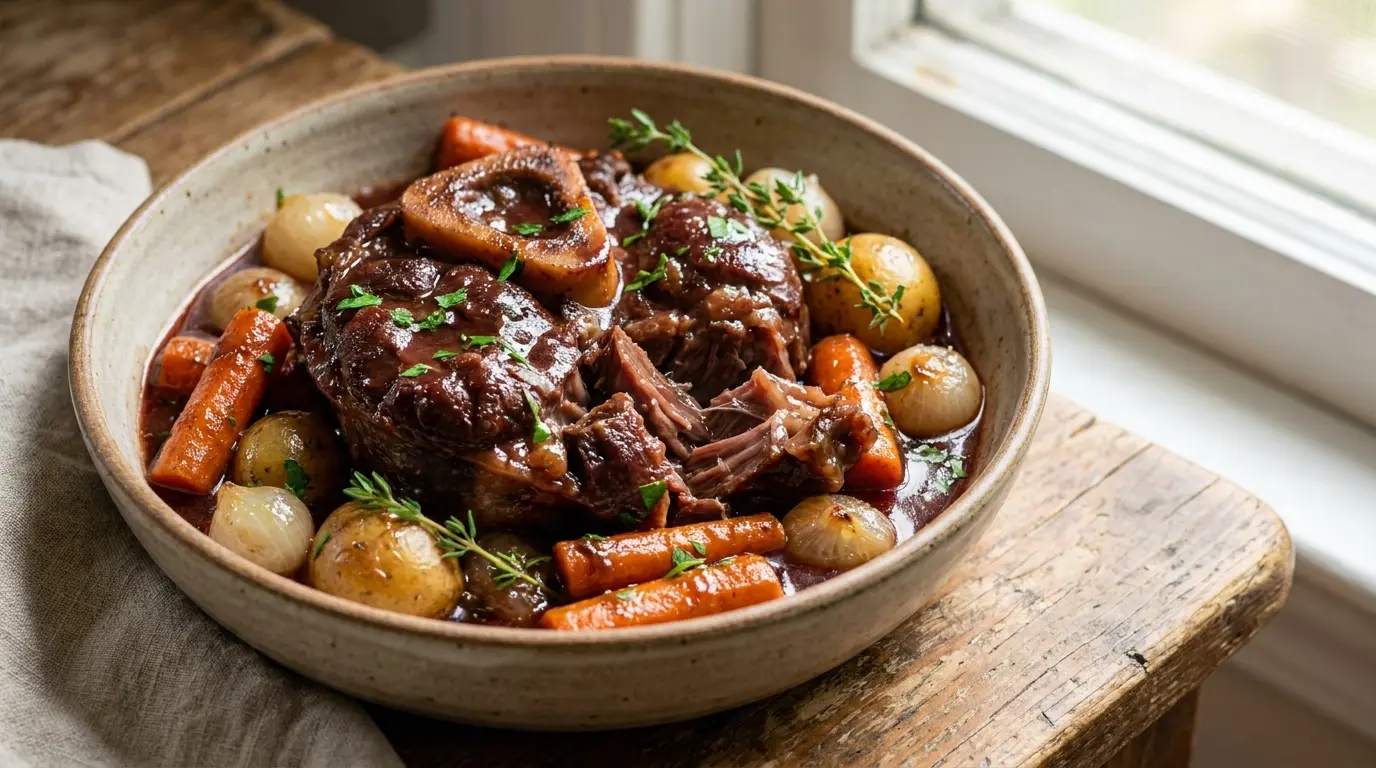
Beef is the richest source of connective tissue collagen, but the cut determines everything. Oxtail, shank, and short ribs slow-braised for three to six hours convert tough collagen into rich gelatin. Lean cuts like sirloin deliver protein but almost no collagen.
- Type I & III collagen: Supports skin, tendons, bones, and blood vessels
- Cut over quality: Tough, cheap cuts braised low and slow outperform premium cuts for collagen every time
- The braising liquid counts: Liquid left after cooking is itself a high-collagen food
6. Pork Skin or Pork Shoulder
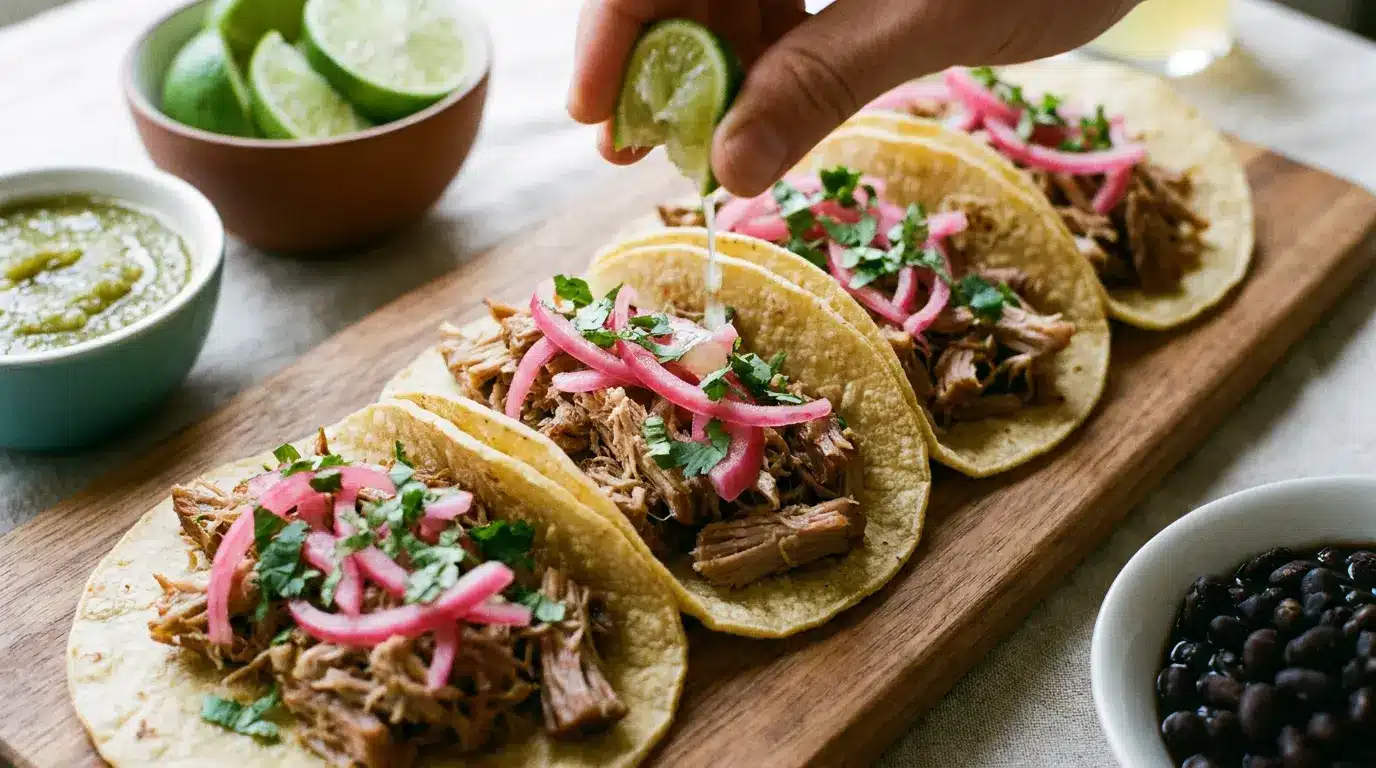
Pork collagen is structurally closer to human collagen than bovine sources, which may make it more relevant to connective tissue repair. Pork shoulder braised for several hours significantly softens the intramuscular collagen. Fresh pork skin is among the highest dietary collagen sources by weight.
- Type I & III collagen: Supports skin structure and connective tissue repair
- Fresh over processed: Fresh pork skin slow-cooked delivers collagen without the sodium and additives of packaged pork rinds
- Best method: Braise or slow-roast for maximum collagen extraction from shoulder cuts
7. Turkey with Skin

Turkey skin and cartilage offer a solid collagen source, especially when slow-roasted or braised. The collagen releases gradually during long cooking, enriching both the meat and the pan juices. A practical alternative to chicken for variety.
- Type II collagen: From cartilage, relevant to joint cushioning
- Best method: Slow-roast or braise skin-on cuts to soften cartilage and release collagen
- Pair with vitamin C: Broccoli or bell peppers alongside to support synthesis
8. Veal or Lamb Shank
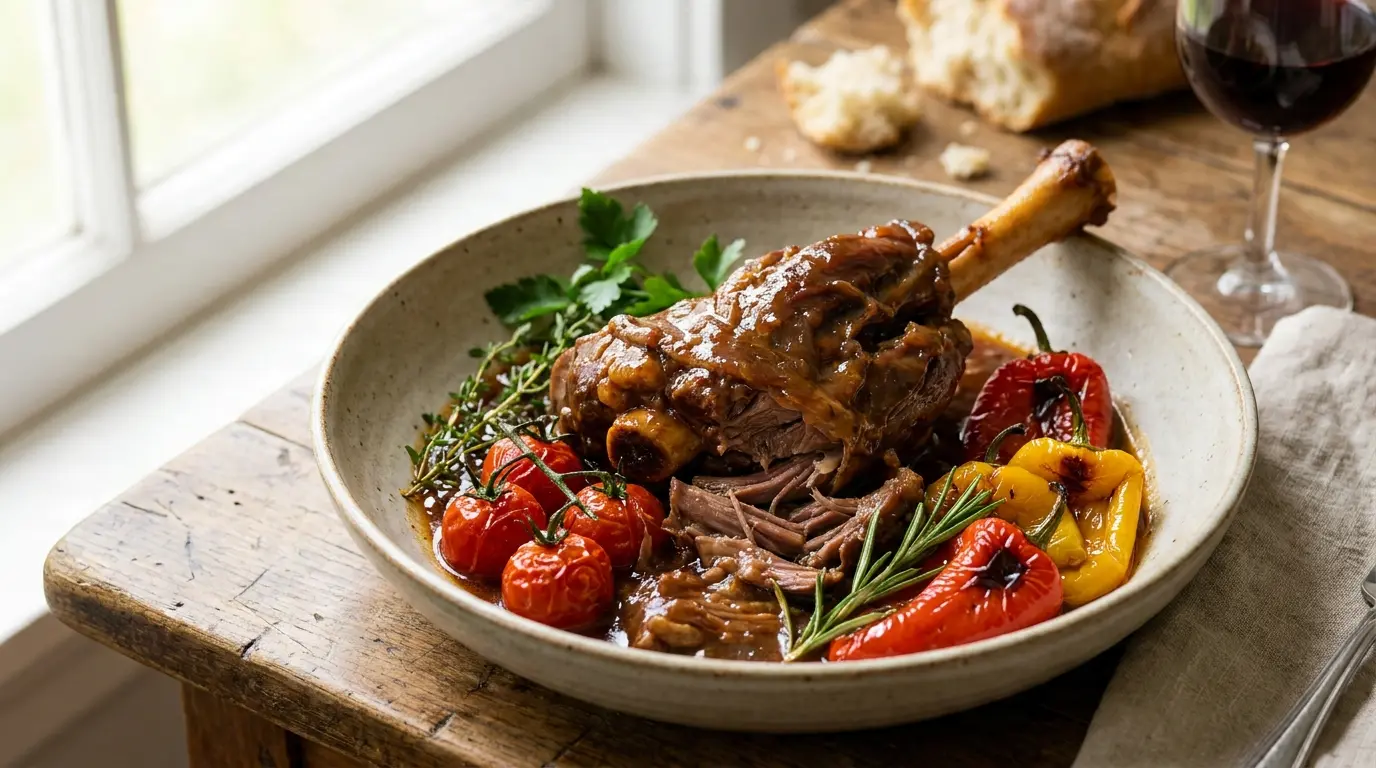
Veal and lamb shanks are dense with connective tissue that turns deeply gelatinous when braised for several hours. The younger the animal, the more soluble the collagen, which means faster extraction and a richer braising liquid.
- Type I & III collagen: Supports skin, bones, and connective tissue
- Young animal advantage: Veal collagen is more soluble than beef, extracting faster during braising
- Braising liquid: The liquid left after cooking is as collagen-rich as the meat itself
9. Pigeon or Game Bird with Skin
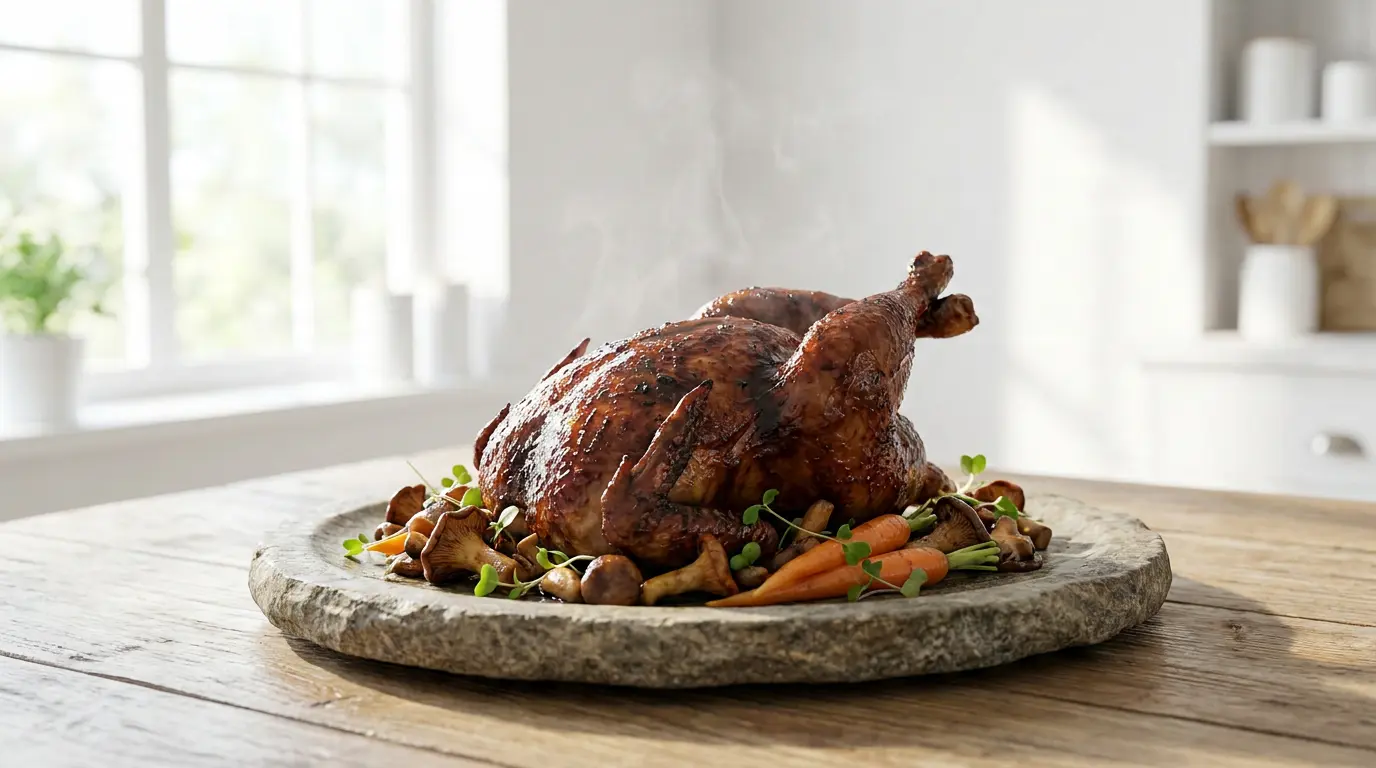
Game birds contain collagen in the skin and connective tissue, making them an underrated source for those seeking variety beyond chicken or turkey. Slow-roasting or braising releases collagen while keeping the meat tender and succulent.
- Type II collagen: From skin and cartilage, supports joint cushioning
- Best method: Low and slow roasting or braising extracts the most collagen from the skin and joints
- Pair with vitamin C: Serve alongside roasted peppers or tomatoes to support collagen synthesis
10. Tripe (Beef or Lamb Stomach)
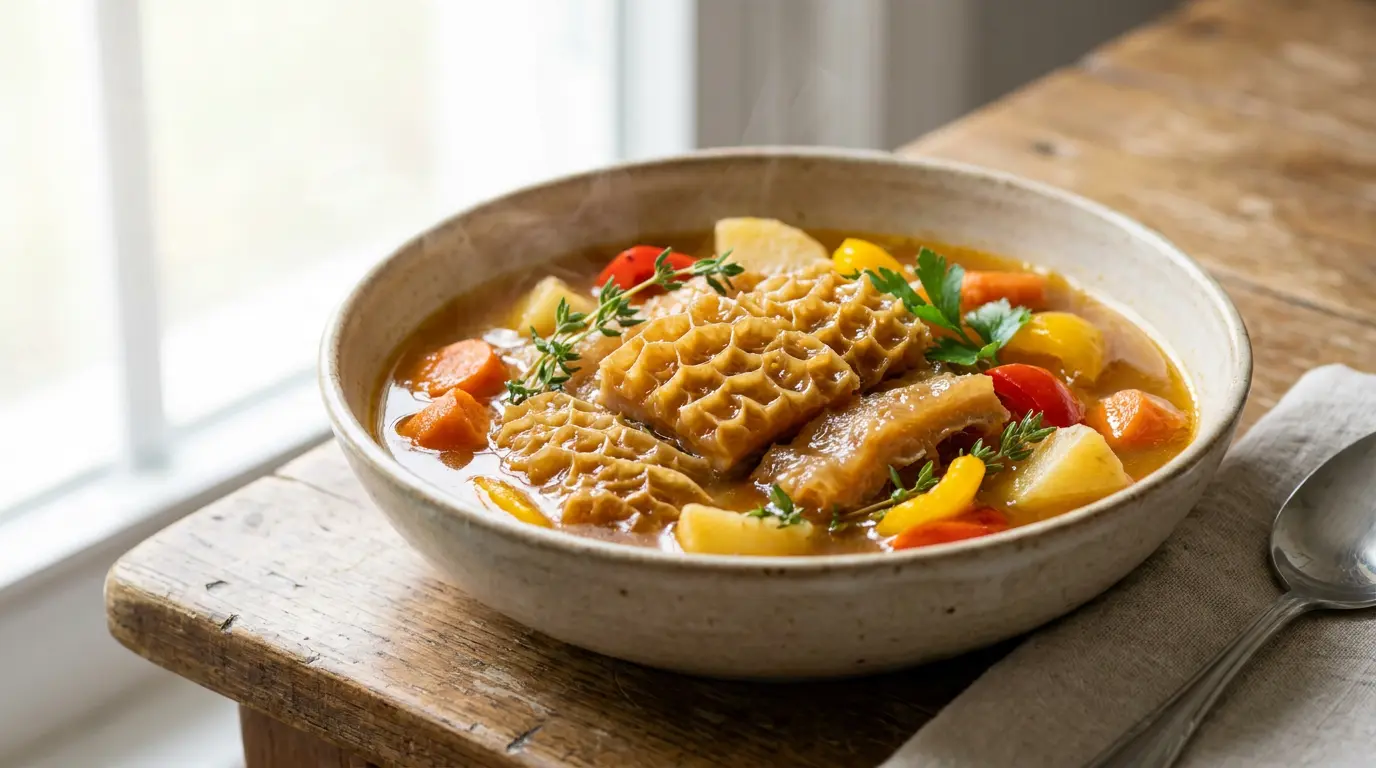
Tripe is almost entirely connective tissue, making it one of the most concentrated dietary sources of collagen. Slow-simmered for several hours, it becomes tender and releases glycine and proline into the cooking liquid. An acquired taste, but hard to beat for pure collagen density.
- Type I & III collagen: One of the highest collagen concentrations of any whole food by weight
- Long simmer required: Several hours of gentle cooking are needed to fully extract collagen and achieve a tender texture
- Pair with vitamin C: Bell peppers or tomatoes added to the braise support collagen absorption naturally
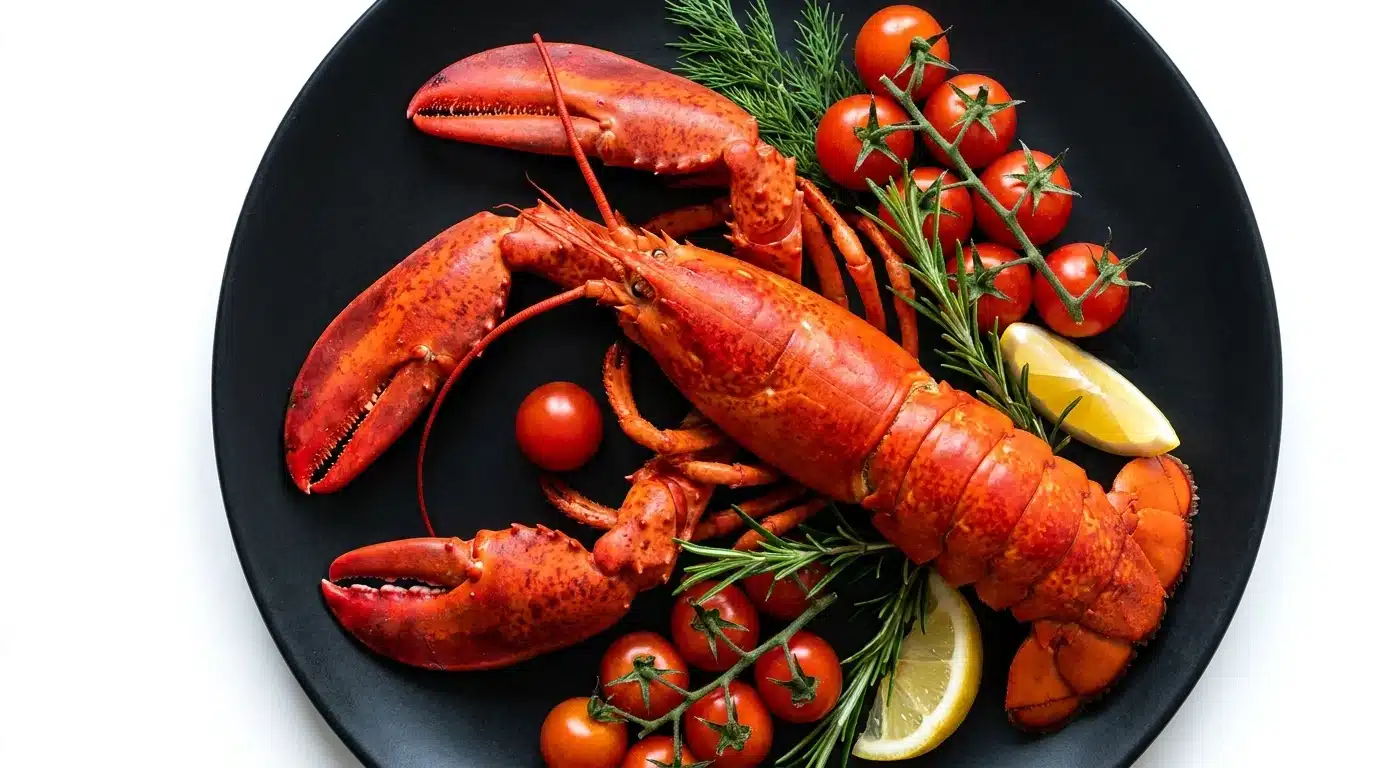
11. Shellfish (Oysters, Shrimp, Crab, Mussels)
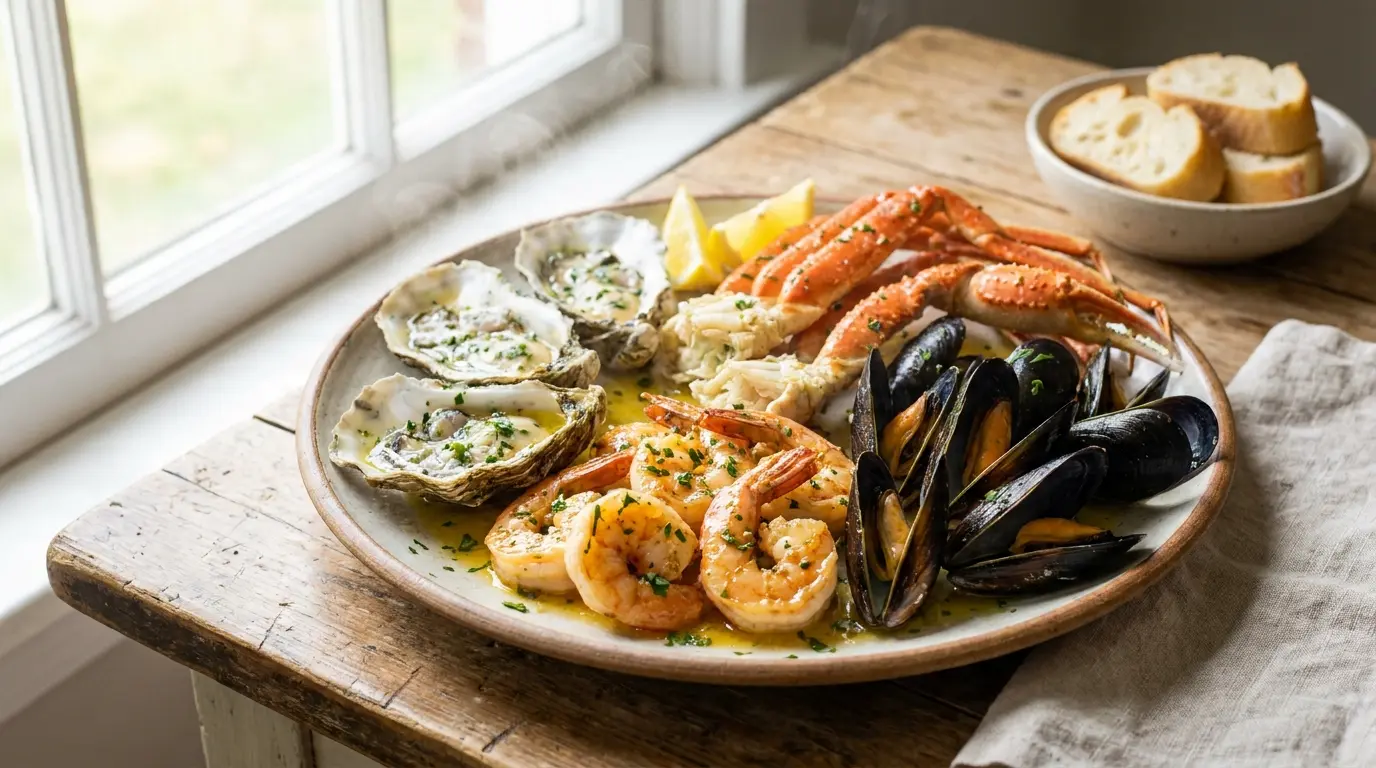
Shellfish are not a direct source of collagen but provide zinc and copper, the mineral cofactors your body needs to cross-link and stabilize collagen fibers.
Without them, collagen synthesis stalls regardless of protein intake. According to USDA FoodData Central, six medium oysters provide over 30mg of zinc, more than twice the adult daily requirement.
- Collagen role: Zinc and copper activate lysyl oxidase, the enzyme that cross-links collagen for structural strength
- Oysters lead: Highest zinc concentration of any common food, by a significant margin
- Frequency target: Two to three servings of shellfish per week covers the mineral cofactor side that protein alone cannot
Foods That Help Your Body Naturally Make Collagen
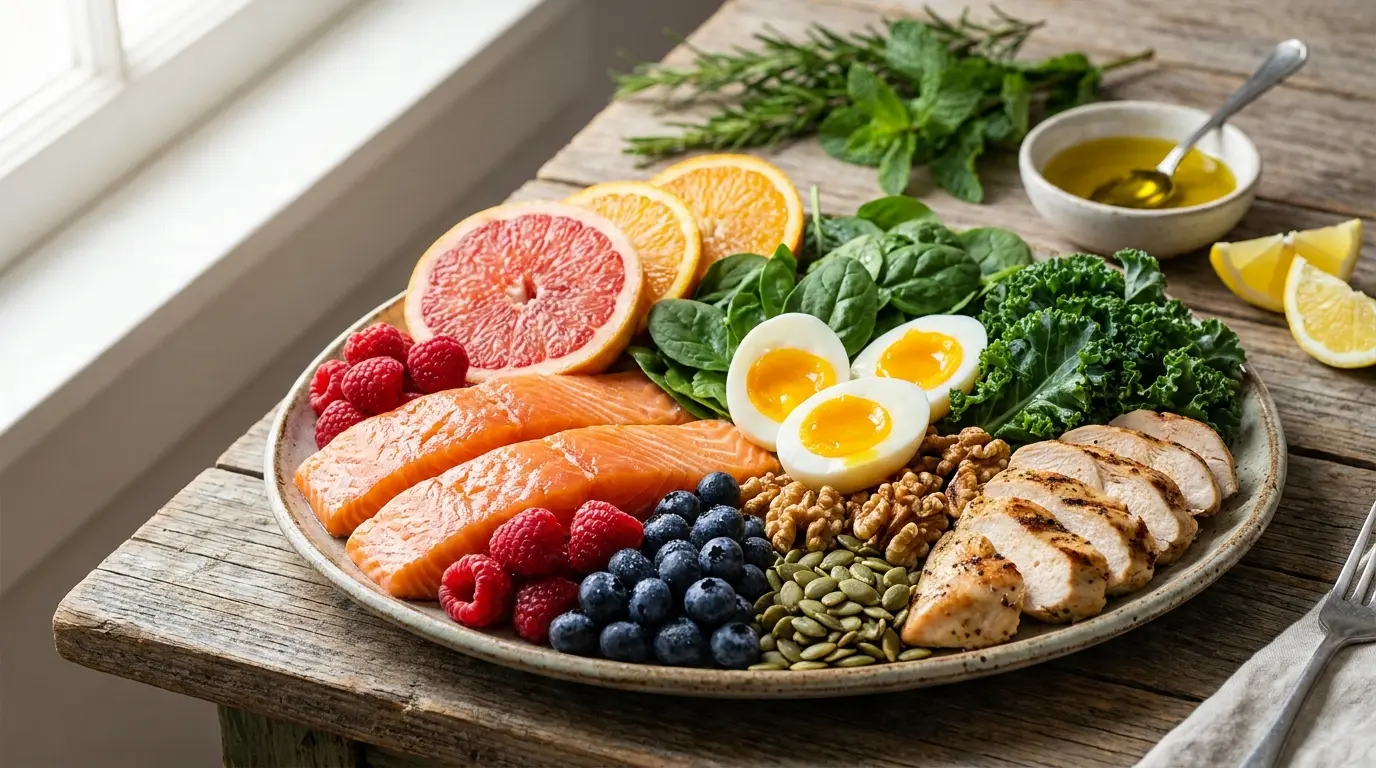
Even if a food doesn’t contain collagen itself, it can still help your body make and maintain it. Certain nutrients, protein, vitamin C, zinc, copper, proline, and glycine act as building blocks and cofactors, supporting collagen synthesis and protecting existing collagen.
Including these foods thoughtfully helps keep your skin, joints, hair, nails, and connective tissues strong and resilient. Let’s explore the key collagen-supporting foods, the nutrients they provide, and how to use them for maximum benefit.
Research published by the National Institutes of Health confirms that vitamin C is directly required for collagen synthesis, acting as a cofactor for the enzymes that stabilize the collagen triple helix.
| Food | Key Nutrients | How It Supports Collagen | Tips to Maximize Benefits |
|---|---|---|---|
| Citrus Fruits | Vitamin C | Essential for collagen formation and tissue repair | Add to salads, water, or meals; pair with protein |
| Berries | Vitamin C, antioxidants | Protects existing collagen and supports new synthesis | Mix into yogurt, oatmeal, or smoothies |
| Leafy Greens | Vitamin C, polyphenols, minerals | Aid collagen synthesis and protect from oxidative damage | Blend, sauté, or add to omelets |
| Egg Whites | Proline, amino acids | Provide raw materials for collagen production | Boil, scramble, or fold into meals with vitamin C |
| Nuts & Seeds | Zinc, copper | Support collagen-producing enzymes | Eat raw or sprinkle on salads or yogurt |
| Protein-Rich Meats | Amino acids | Supply building blocks for collagen formation | Pair with vitamin C-rich vegetables; cook gently |
Including collagen-supporting foods alongside your main collagen sources gives your body a full toolkit.
These foods ensure that nutrients are available to support efficient collagen production, protect it from oxidative stress, and help maintain overall tissue strength, flexibility, and vitality every day.
For anyone focused specifically on recovery, protein-dense soft foods can also provide the amino acids that collagen synthesis depends on.
Are There Vegan Foods With Collagen?
Even though plants don’t contain collagen, a vegan diet can still help your body maintain it naturally. The key is providing your body with the right building blocks and supportive environment so it can synthesize collagen efficiently.
For example, balancing protein from beans, lentils, tofu, or nuts with antioxidant-rich foods can help protect existing collagen from oxidative stress. Similarly, pairing iron- or zinc-rich plant foods with vitamin C-rich vegetables improves nutrient absorption, indirectly supporting collagen formation.
Think of it like giving your body the raw materials and the “tools” it needs to build strong connective tissue, resilient skin, and flexible joints, all without consuming animal products.
Practical Tip: Focus on meal combinations and preparation techniques that enhance nutrient availability, such as adding a squeeze of lemon to a bean salad or topping tofu with bell peppers
Foods and Habits That May Lower Collagen Over Time
Even small daily choices can affect how your body maintains collagen. It’s not about fear; it’s about understanding what can subtly wear down this essential protein over time.
By knowing these factors, you can make simple adjustments that help your joints, skin, and connective tissues stay strong and resilient. Key Factors That Can Impact Collagen:
- Excess Sugar: Sugary foods can trigger glycation, a process that stiffens collagen fibers and reduces skin elasticity. Moderation protects both appearance and tissue strength.
- Insufficient Protein: Low protein intake limits the availability of amino acids needed to rebuild collagen, slowing tissue repair and reducing support for muscles and skin.
- Poor Sleep: S leep is when your body recovers and synthesizes proteins like collagen. Chronic sleep deprivation disrupts repair cycles, leaving tissues weaker.
- High Alcohol Intake: Excessive alcohol increases oxidative stress, which breaks down collagen and interferes with your body’s natural repair processes.
- Unprotected Sun Exposure: UV rays degrade collagen and accelerate visible signs of aging. Even short daily exposure can slowly damage skin and connective tissues.
Sugar deserves special attention here; its effect on collagen goes beyond the skin. Many of the foods worst for gut health are also the same high-sugar, processed options that trigger glycation and speed up collagen breakdown throughout the body.
Practical Tip: Small, consistent changes make a big difference, reduce sugar, ensure enough protein, get restorative sleep, limit alcohol, and use sun protection to preserve collagen naturally and keep tissues resilient
Frequently Asked Questions
Are there uncommon animal foods that are rich in collagen?
Yes. Beyond chicken, fish, and bone broth, less common options such as duck skin, veal shank, tripe, and game birds are also collagen-rich. Including these foods adds variety while naturally providing essential amino acids and supporting connective tissue.
Can collagen-rich foods help with recovery after intense workouts?
Absolutely. Collagen-rich foods supply amino acids needed for tendon, ligament, and muscle repair. Consuming them after exercise supports tissue recovery, reduces soreness, and helps maintain joint flexibility, making them valuable for athletes or anyone engaging in intense physical activity
Do different cooking methods impact the quality of collagen in foods?
Yes. Slow-cooking preserves collagen and gelatin, making nutrients more bioavailable, while high-heat frying or prolonged boiling can degrade some amino acids. Choosing gentle cooking methods ensures you retain collagen’s benefits for skin, joints, and connective tissues.
Can combining multiple collagen-rich foods in a single meal enhance absorption?
Combining foods like chicken skin, fish skin, and bone broth provides complementary amino acids, potentially improving collagen synthesis. Including vitamin C-rich vegetables alongside further supports absorption, helping your body use collagen more efficiently for skin, joints, and connective tissues.
Final Takeaway
When thinking about what foods have collagen, the best sources come from animal foods that include skin, bones, and cartilage. These provide ready-to-use collagen and amino acids your body can absorb directly to support joints, skin, and connective tissues.
At the same time, fruits, leafy greens, eggs, and shellfish don’t contain collagen themselves but help your body produce it naturally, thanks to vitamin C, zinc, copper, and essential amino acids.
A simple way to get the most out of your meals is to pair a protein source with a vitamin C-rich food. By doing this consistently, you can naturally maintain stronger skin, healthier nails, and more resilient joints over time