











A common question is whether 100% digestible foods actually exist, leaving nothing behind after digestion. The answer may surprise you.
Even foods you think of as light or gentle on the stomach are not fully digested. This includes gut-friendly vegetables, which still produce some waste. This is completely normal and actually a healthy part of digestion.
Here, I will explain how digestion works, clear up some common myths, and share foods that are easy on your system. By the end, you will know which foods to eat to keep your stomach calm and settled.
What Does “100% Digestible” Really Mean?
When I talk about digestion, I’m not just talking about food breaking down in your stomach. Digestion is the process by which your body breaks food into smaller parts, while absorption is when those nutrients enter your bloodstream.
Even when food is easy to process, your body still doesn’t use every single part of it. There’s always some material left behind, especially things like fiber that your body cannot fully break down.
This waste moves into the large intestine and is later removed. So, when you think about “100% digestible,” it doesn’t really happen in real life, because your body is designed to leave some parts unused.
The Biggest Myths About Fully Digestible Foods
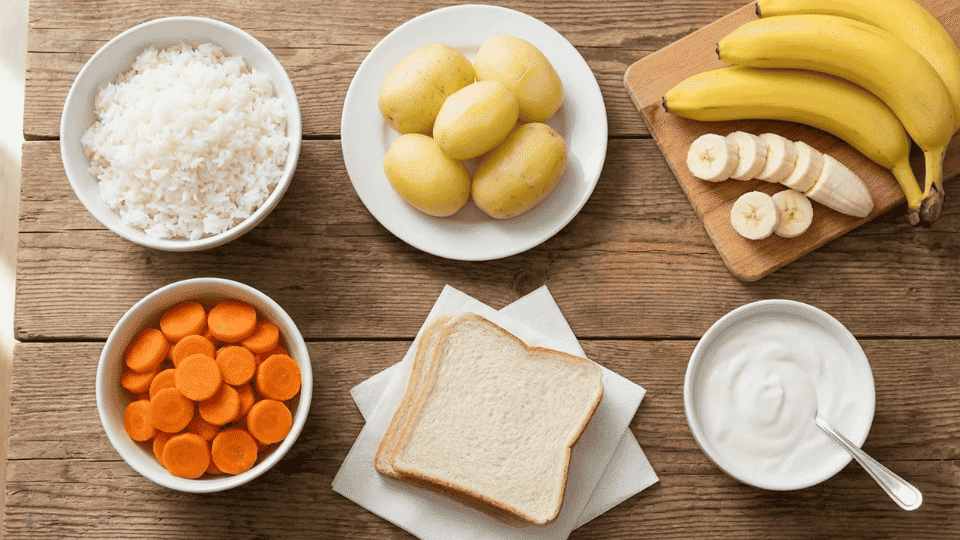
I’ve noticed many people believe certain foods leave no waste. Let’s break down these common myths so you can understand digestion more clearly.
Myth 1: Liquid Foods Are Fully Digestible
I’ve heard this a lot; people think liquids pass through the body without leaving anything behind. That sounds logical, but it’s not true.
Even liquids like juices, milk, or soups contain sugars, minerals, and small particles that your body doesn’t fully use. Your system still filters out what it doesn’t need, so some waste always remains after digestion.
Fact: Studies show that while liquids are digested faster, your body still separates and removes unused nutrients, like sugars and fats, as waste.
Myth 2: Processed Foods Are Easier to Digest
It’s true that some processed foods feel lighter on the stomach, but that doesn’t mean they are fully digested. Let me break this down so you can see what’s really happening.
- Processed foods are broken down more quickly, but your body still cannot fully absorb all of them, so some waste is always left behind after digestion.
- Many processed foods lack fiber, which may reduce bulk, but your body still removes unused sugars, fats, and additives that it does not need.
- Even soft or refined foods go through the same digestive system, which means not everything gets absorbed into your bloodstream during the process.
Many people believe some foods leave no waste at all. Let’s clear up these common myths so you understand how digestion really works.
Fact: Processed foods often lack fiber, which reduces bulk, but they still contain elements that the body can’t absorb completely, leaving waste behind.
Myth 3: “Low Fiber” Means Zero Waste
A lot of people think cutting fiber means no waste, but your body doesn’t work that way. Even low-fiber foods still leave something behind after digestion.
Your body removes unused nutrients, excess fats, and cellular waste. So even when fiber is low, the digestive system still produces waste as part of its normal process.
Fact: Even without fiber, the body eliminates excess fats, sugars, and waste from cells. The digestive process produces waste regardless of fiber content.
How Digestion Actually Works
When digestion is explained simply, it becomes easier to understand what’s happening inside the body. It all starts in the mouth, where chewing breaks food into smaller pieces.
Then it moves to the stomach, where acids help break it down further. After that, food enters the small intestine, where most nutrients get absorbed into the bloodstream.
What’s left then goes to the large intestine, where water is removed, and waste is formed. Even foods like stool-firming foods still leave some parts behind. That’s why some leftovers always remain and get removed later.
Foods That Are Harder to Digest
Noticed some foods feel heavier on your stomach and take more effort to process. These can slow digestion and sometimes cause discomfort.
- High-Fiber Foods: Beans, lentils, and raw vegetables take longer to break down. This can lead to gas, bloating, or a feeling of heaviness after meals.
- Fat-Heavy Meals: Fried and oily foods slow digestion because fat takes more time to process. This can leave your stomach feeling full and sluggish.
- Dairy food: If your body lacks enough lactase, dairy can be harder to digest. This may lead to bloating, cramps, or discomfort after eating.
- Processed Foods: Foods with additives and preservatives may slow digestion. Your body may take longer to process them, causing heaviness or discomfort.
- Control Portion Sizes: Large meals can overload your digestive system. Eating smaller portions helps your body break food down more easily and feel more comfortable.
A small change in what and how you eat can make a big difference. It helps to pay attention to how your body feels after meals.
Tips to Make Any Food Easier to Digest
Simple changes in how you prepare and eat food can help your body process meals more comfortably and reduce the risk of bloating or discomfort.
- Cook Food Thoroughly: Cooking breaks down tough fibers and softens food, making it easier for your digestive system to handle and absorb nutrients.
- Eat Smaller Portions: Smaller meals reduce pressure on your digestive system, allowing your body to process food more smoothly without feeling overly full or uncomfortable.
- Chew Food Properly: Taking time to chew well helps break food into smaller pieces, making digestion easier and reducing the workload on your stomach and intestines.
- Avoid Heavy Combinations: Meals high in fat, fiber, and sugar together can slow digestion, making it harder for your body to process everything at once.
- Stay Consistent with Eating Habits: Eating at regular times helps your digestive system stay active and balanced, making it easier for your body to handle meals efficiently.
Making these small adjustments can support smoother digestion and help your body feel more comfortable after eating.
Wrap Up
So when you look at it closely, the idea of 100% digestible food doesn’t really exist. Your body always leaves something behind, and that’s not a bad thing. In fact, it helps your gut do its job better.
What I’ve learned over time is this: it’s not about chasing perfect digestion. It’s about choosing foods that feel right for your body and don’t cause discomfort. Simple changes, like cooking your meals well or picking low-fiber options when needed, can make a big difference.
If you’re trying to improve your digestion, start small and pay attention to how you feel after meals. And if this helped you, share it or save it for later; you’ll likely come back to it.