



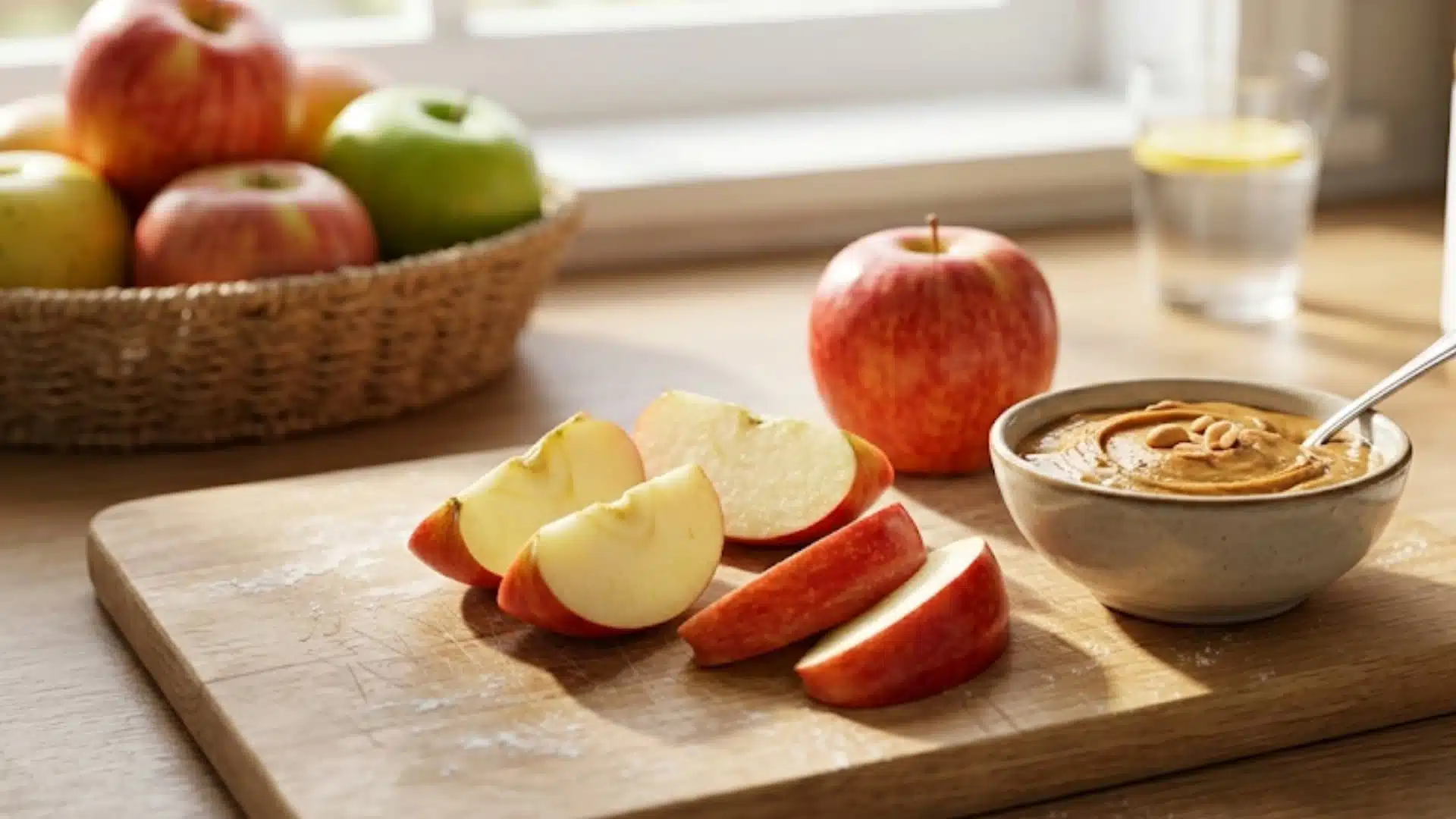









Are apples and peanut butter healthy? Absolutely, and this classic pairing might be exactly what you need for satisfying nutrition.
This simple combination offers more than just great taste; it delivers essential nutrients, helps maintain steady energy levels, and supports various aspects of your health.
From blood sugar management to heart health benefits, this duo works together to create a balanced option for any time of day.
Let me help you understand why apples and peanut butter belong in your regular snack rotation and how to maximize their benefits.
I’ll walk you through everything you need to know about making this snack work for your wellness goals, including nutritional facts, health benefits, expert recommendations, and creative serving ideas.
Understanding Apple
Apples belong to the rose family and originated in Central Asia thousands of years ago. Today, over 7,500 varieties exist worldwide, including Gala, Fuji, Granny Smith, and Honeycrisp, each offering unique flavors from sweet to tart.
The fruit contains pectin, a soluble fiber that supports digestive health and cholesterol regulation, and quercetin, a flavonoid with anti-inflammatory properties that may protect brain cells.
Nutritional Profile of a Medium Apple (182g):
- Calories: 95
- Carbohydrates: 25g
- Fiber: 4.4g
- Vitamin C: 14% of Daily Value
- Potassium: 195mg
- Vitamin K: 5% of Daily Value
- Natural sugars: 19g
Apple domestication began along the Silk Road in Kazakhstan, where wild apple forests still exist. Through centuries of cultivation, traders and farmers developed the sweeter, larger varieties we enjoy today.
Modern production spans temperate regions worldwide, with China, the United States, and Poland among the top producers.
Understanding Peanut Butter
Peanut butter is a food paste made primarily from ground, dry-roasted peanuts. Despite its name suggesting it contains dairy, peanut butter is plant-based and naturally free from animal products.
The spread gained commercial popularity in the early 1900s when food manufacturers began producing it on a large scale.
Nutritional Breakdown of Peanut Butter (2 tablespoons/32g):
- Calories: 190-200
- Protein: 7-8g
- Fat: 16g (mostly unsaturated)
- Carbohydrates: 7g
- Fiber: 2g
- Vitamin E: 18% of Daily Value
- Magnesium: 14% of Daily Value
- Niacin: 22% of Daily Value
Combined, apple and peanut butter calories total about 285–300 when you use one medium apple and two tablespoons. Peanut butter is made by roasting and grinding peanuts into a paste.
It began in South America and gained popularity in the United States in the late 1800s.
Health Benefits of Combining Apples and Peanut Butter

Pairing these two foods creates synergistic effects that support multiple aspects of wellness. The combination addresses common nutritional needs while providing sustained satisfaction between meals.
1. Stabilizes Blood Sugar Levels
Maintaining steady glucose levels prevents energy crashes and supports metabolic health. This combination works through multiple mechanisms to regulate sugar absorption. Here’s how this pairing keeps your blood sugar stable:
- Fiber slows digestion, preventing rapid glucose spikes that occur with simple carbohydrates alone
- Protein and fats from peanut butter moderate sugar absorption into your bloodstream effectively
- Gradual energy release keeps you satisfied for 2-3 hours after eating this snack
- Supports glucose monitoring for anyone managing diabetes or prediabetes conditions successfully
The slow-release effect creates stable energy rather than the sharp peaks and crashes associated with processed snacks.
2. Supports Heart Health and Cholesterol Management
Cardiovascular health depends on managing cholesterol levels and reducing inflammation. Both components of this snack contribute protective compounds for your heart. Consider these cardiovascular benefits from regular consumption:
- Soluble fiber in apples binds to cholesterol in your digestive system before absorption
- Monounsaturated fats in peanut butter improve cholesterol profiles when replacing saturated fats
- Antioxidants like vitamin E and quercetin protect blood vessels from oxidative damage
- Potassium content helps regulate blood pressure and supports proper heart function
Regular consumption may contribute to lower LDL cholesterol and higher HDL cholesterol over time.
3. Aids Weight Management Through Satiety
Feeling full between meals prevents overeating and supports calorie control. The protein, fat, and fiber work together to signal satisfaction. The satiety factor works through these key mechanisms:
- Protein triggers satiety hormones that communicate fullness signals to your brain
- Apple fiber expands in your stomach, creating physical fullness that reduces snacking urges
- Prevents compensatory eating at main meals when consumed mid-morning or mid-afternoon
Studies indicate that this combination can reduce overall daily calorie intake when portions are appropriate.
4. Provides Sustained Energy Without Crashes
Consistent energy levels throughout the day improve productivity and mood. This pairing delivers both quick and long-lasting fuel. Experience lasting energy through this dual-action approach:
- Natural apple sugars offer immediate energy, while peanut butter provides longer-lasting fuel
- B vitamins in peanut butter, particularly niacin, support energy metabolism atthe cellular levels
- Two-phase energy release prevents the mid-afternoon slump many people experience regularly
- Athletes use this combination for pre-workout fuel and post-exercise recovery nutrition
Unlike processed snacks, this pairing maintains steadier blood sugar and sustained mental focus.
Expert Advice on Maximizing Health Benefits
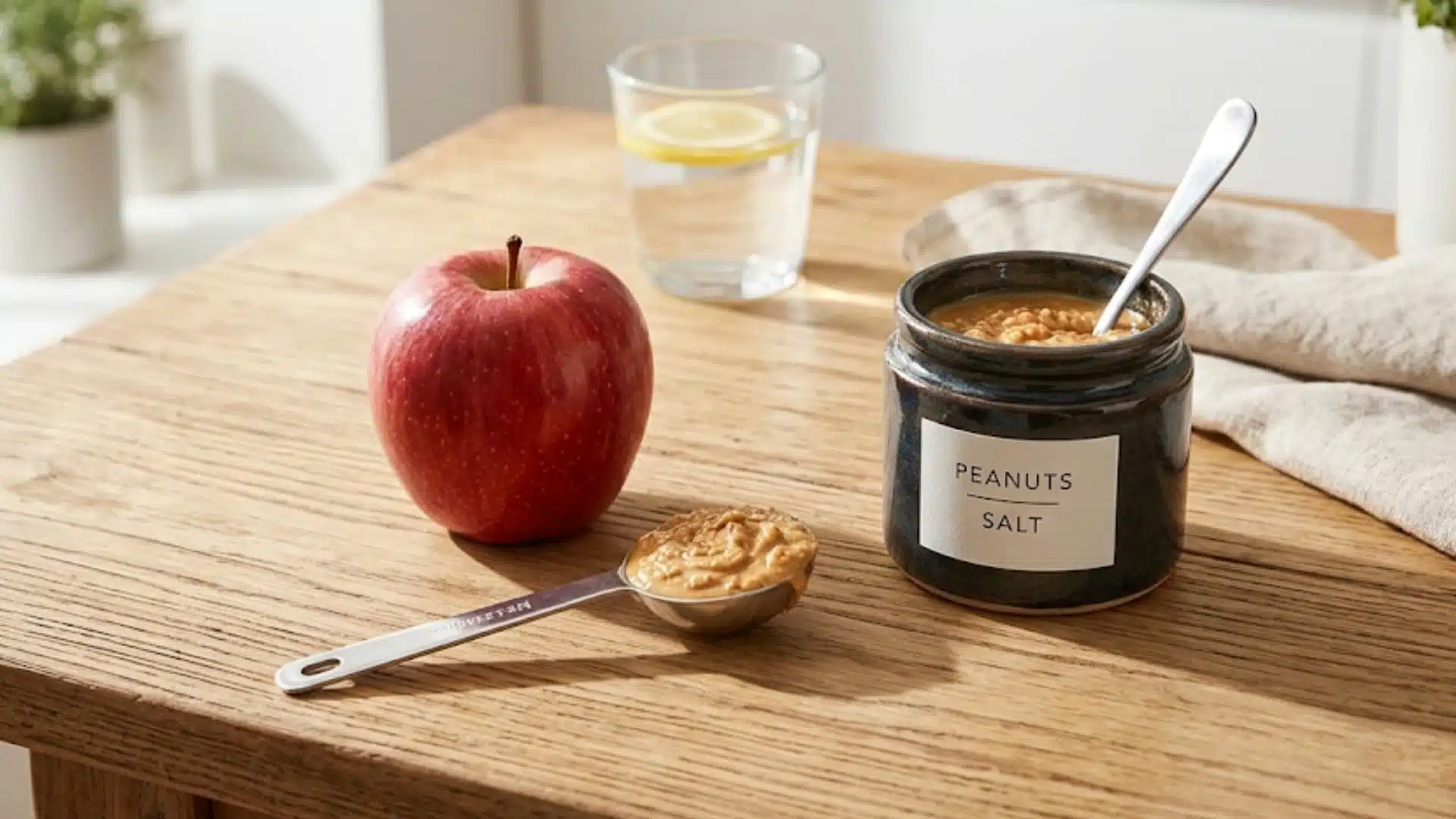
Health professionals consistently recommend this snack combination with specific guidelines for best results. The quality of the ingredients and the proper portion size determine whether this snack supports your wellness goals.
Selecting the best peanut butter matters for health, as medical reviews show that peanut products, when eaten regularly in moderate amounts, are linked to better heart health and lower disease risk.
For example, a review published in MDPI found that eating nuts or peanut butter was associated with a reduced risk of heart disease and improved cholesterol levels. Pick peanut butter with only peanuts and salt listed, avoiding added sugars and hydrogenated oils. Refrigerate after opening to keep oils fresh. Portions matter since peanut butter is calorie-dense.
Research in the American Journal of Clinical Nutrition reports that moderate nut butter intake supports metabolic health without causing weight gain. One to two tablespoons with a medium apple keeps calories reasonable while delivering steady energy. Using actual measuring spoons helps maintain proper portions.
Innovative Ways to Pair Apples and Peanut Butter
Different serving styles keep this snack interesting while maintaining nutritional value. Each method offers unique advantages based on your schedule and preferences.
The table below outlines seven practical options with portions, calories, and key benefits.
| Method | Serving | Calories | Ingredients | Key Benefit |
| Classic Slices | 1 apple + 2 tbsp | 285-295 | Apple, peanut butter | Complete balanced nutrition |
| Apple Rings | 1 apple + 1.5 tbsp | 240-250 | Apple, peanut butter, cinnamon | Fun, appealing format |
| Stuffed Boats | 1 apple + 1 tbsp | 190-200 | Apple, peanut butter, nuts | Greater volume, fuller feeling |
| Toast Topper | 1 slice bread + 1 small apple + 1 tbsp | 265-280 | Bread, apple, peanut butter | Longer-lasting energy |
| Apple Sandwich | 1 apple + 1 tbsp | 190-200 | Apple, peanut butter, granola | Easy to transport |
| Baked Apple | 1 apple + 1 tbsp | 190-200 | Apple, peanut butter, cinnamon | Satisfies sweet cravings |
| Breakfast Bowl | 1 apple + 1 tbsp | 230-245 | Apple, peanut butter, oats, seeds | Add extra nutrients |
Choose methods that match your daily routine for consistent healthy snacking. Classic slices work when you need something quick, while baked apples satisfy comfort-food cravings without derailing your nutrition goals.
Peanut butter is usually a go-to for many fitness enthusiasts. However, boiled peanuts for weight loss is also an easy and tasty way to go even healthier with less fats and carbohydrates.
Tips for Making Apples and Peanut Butter Work for Your Health
Getting the most from this snack requires attention to preparation, storage, and timing. Simple adjustments can significantly improve nutritional value and digestive comfort. Follow these practical guidelines for optimal results:
- Prevent browning by applying lemon juice to cut apples or storing them in lemon water
- Drink 8 ounces of water with this snack to support digestion and proper fiber function
- Measure portions accurately using measuring spoons rather than estimating to control calorie intake
- Vary protein sources throughout the day instead of eating nut butter at every meal
- Wash apples thoroughly under running water to remove pesticides and wax; keep the skin on for maximum fiber
These small adjustments help you maintain nutritional quality while preventing common mistakes that reduce benefits or add unnecessary calories.
Healthier Alternatives to Consider
Rotating your snacks helps you avoid boredom and improve the variety of nutrients. Instead of sticking only to apples and peanut butter, you can mix things up with other fruit, vegetable, and nut butter pairings.
Below is a simple comparison table to help you see the benefits clearly.
| Snack Combination | Key Nutrients | Why It’s Helpful |
|---|---|---|
| Carrots + Almond Butter | Fiber, vitamin A, healthy fats | Lower sugar, filling, crunchy |
| Celery + Cashew Butter | Healthy fats, hydration | Fewer calories, high water content |
| Pear + Sunflower Seed Butter | Fiber, antioxidants | Peanut-free option |
| Cucumber + Pistachio Butter | Healthy fats, potassium | Lower-carb choice |
| Banana + Tahini | Potassium, calcium | Creamy, energy-supporting |
| Bell Pepper + Macadamia Butter | Vitamin C, healthy fats | Immune support |
| Jicama + Hazelnut Butter | Prebiotic fiber | Supports gut health |
| Strawberries + Walnut Butter | Vitamin C, omega-3 fats | Heart-supporting fats |
Each option provides similar fiber and healthy fats while giving your body different vitamins and minerals. Rotating choices keeps your snack routine balanced and interesting without relying on just one combination.
Final Thoughts
Apples and peanut butter make a smart, balanced snack when you use the right portions and quality ingredients.
You’ve seen how the fiber in apples supports digestion and cholesterol control, while peanut butter adds protein and healthy fats for steady energy.
Together, they help manage hunger, support heart health, and keep blood sugar more stable than processed snacks. I recommend choosing natural peanut butter and sticking to one or two tablespoons with a medium apple.
That keeps calories reasonable while still giving you real nutritional value. Try adding this snack to your weekly routine and notice how it affects your energy and fullness. Share your experience or favorite way to enjoy it below