










If you grew up seeing boiled peanuts at fairs or roadside stands, you may wonder, are boiled peanuts healthy, or just a salty treat?
I get it. You want the real answer, not food hype. You want to know what’s in them, how the salt changes things, and what a fair serving looks like.
In this guide, you’ll learn what boiled peanuts are and how they compare to roasted peanuts. You’ll also see a compact nutrition table, the main benefits and risks, and tips for weight goals and blood sugar concerns.
If you’re ready to try them, I’ll also share a simple community-style recipe plus easy ways to use boiled peanuts at home.
How are Boiled Peanuts Made?
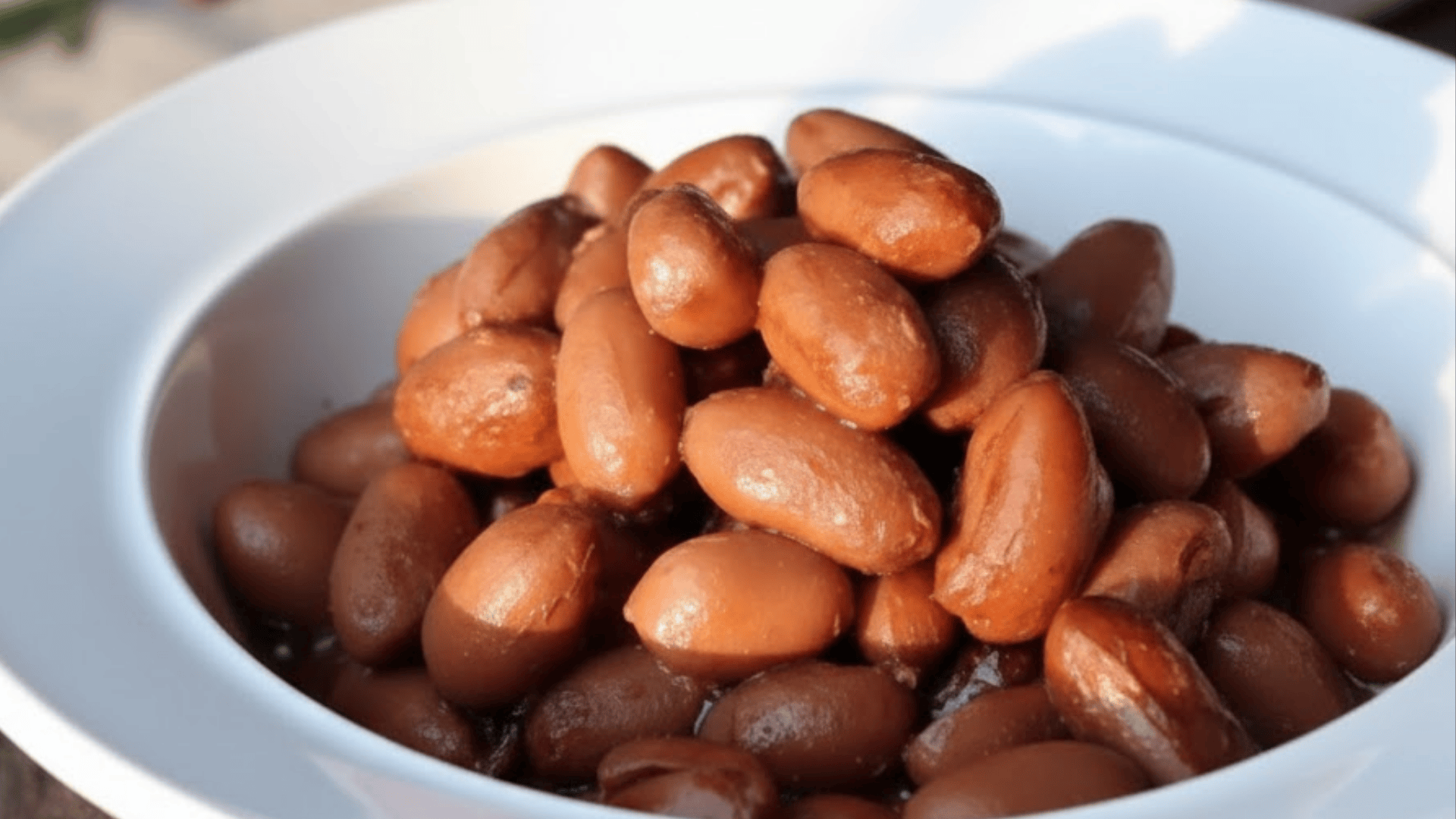
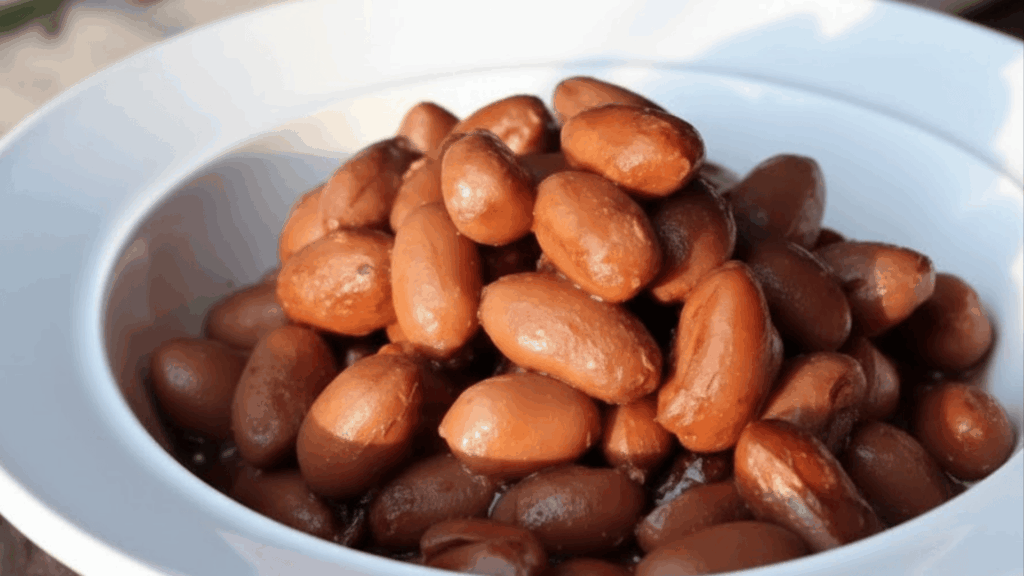
Boiled peanuts are peanuts cooked in water until they turn soft. They are usually boiled in the shell. Some people use raw peanuts, and some use green peanuts.
Green peanuts are fresh and have more moisture, so they often cook faster and taste softer.
Boiled peanuts are popular in parts of the Southern United States. They are often sold hot in cups or bags. Many versions use salt, and some include spices like garlic, chili, or Cajun-style seasoning.
Boiled Peanuts Nutrition
Nutrition can change a lot based on two things:
- Salt level in the cooking water
- How do you measure the serving (in shell vs shelled)
A cup of in-shell boiled peanuts is not the same as a cup of shelled peanuts. A cup of shelled peanuts holds a lot more edible peanuts, so calories and nutrients can jump quickly.
| Nutrient | Per 100 g | Per 1 cup in-shell (edible yield ~63 g) |
|---|---|---|
| Calories (kcal) | 318 | 200 |
| Protein (g) | 13.5 | 8.5 |
| Total fat (g) | 22.1 | 13.9 |
| Carbs (g) | 21.3 | 13.4 |
| Fiber (g) | 8.7 | 5.5 |
| Sodium (mg) | 751 | 473 |
| Potassium (mg) | 180 | 113 |
| Magnesium (mg) | 102 | 64 |
What Boiled Peanuts Offer
Even though exact numbers vary, boiled peanuts are known for these nutrients:
- Protein: helps keep you full and supports muscle repair
- Fiber: supports digestion and helps you feel satisfied
- Healthy fats: mostly unsaturated fats
- Vitamins and minerals: often include B vitamins, magnesium, and phosphorus
Boiled Peanuts: Benefits vs. Risks
Here’s a clear side-by-side view so you can quickly spot the main benefits and the main risks of boiled peanuts.
| Benefits | Risks |
|---|---|
| Help you feel full because they contain protein and fiber | High sodium if cooked in salty brine (common in roadside or canned) |
| Plant-based protein that supports muscle repair and slows hunger | Easy to overeat because peanuts are calorie-dense |
| May provide more antioxidant compounds compared to some other peanut forms | Peanut allergy risk (can be severe; cross-contact is possible) |
| Contain healthy fats that can fit a balanced eating style | Gas or bloating if you eat a lot quickly (fiber can do that) |
| Provide minerals like magnesium (muscles, nerves) and phosphorus (bones, energy use) | Salt cravings can make you keep snacking, especially with very salty batches |
If you keep portions reasonable and control the salt, boiled peanuts can stay on the “healthy snack” side more often.
Boiled Peanuts vs. Roasted Peanuts: Which is Healthier?
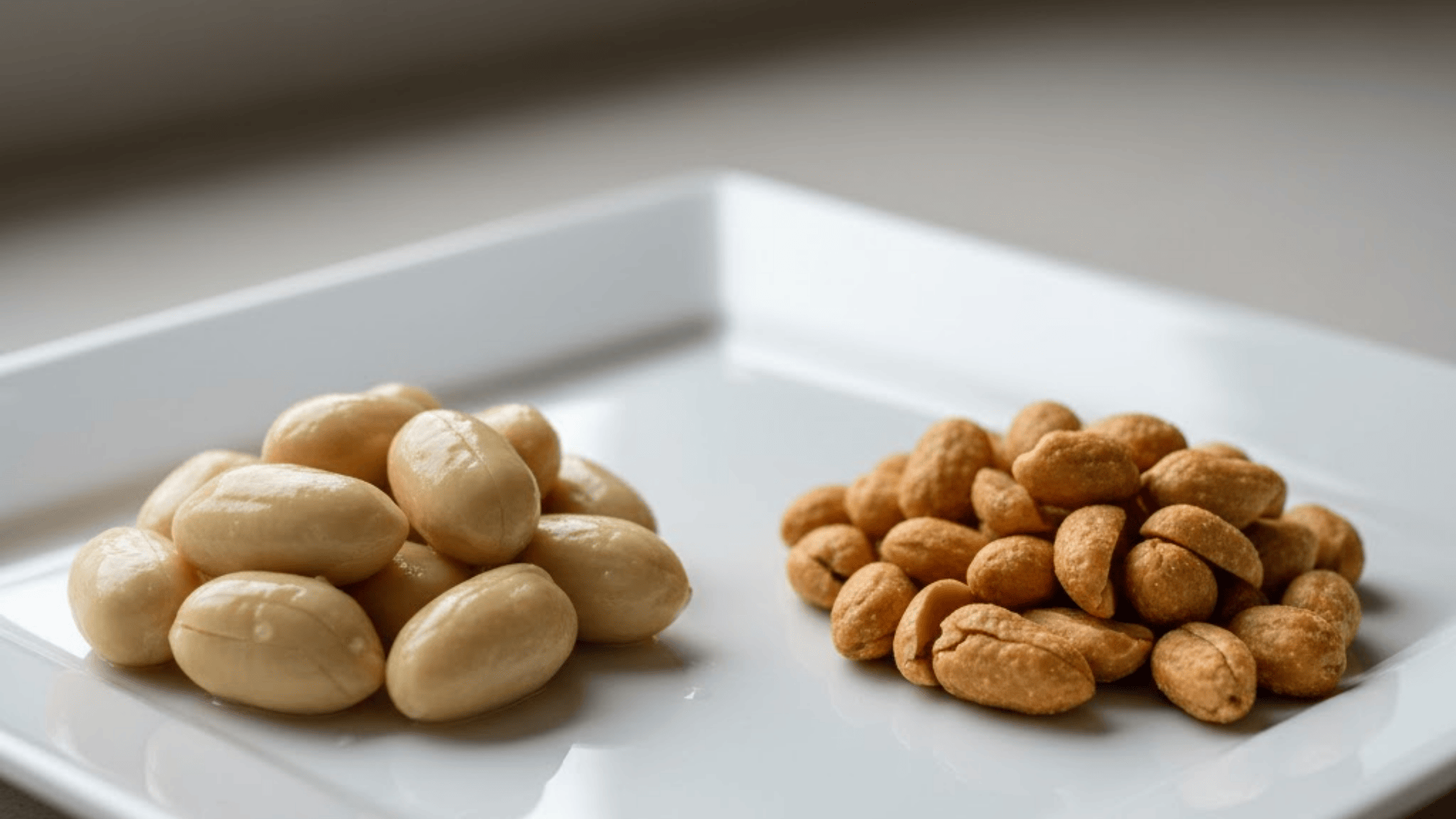
Both boiled and roasted peanuts can be healthy choices because they come from the same food and offer similar nutrients like protein, healthy fats, and minerals.
What changes most is how they’re prepared and how easy they are to overeat. Boiled peanuts often come with more salt from the cooking water, while roasted peanuts often come in easy-to-measure servings, especially if you buy single-serve packs.
Boiled peanuts may be a better fit if you want:
- A softer texture that slows down eating, so you may notice fullness sooner
- A snack that feels more filling, since it holds water from boiling
- Homemade batches where you control salt, spice, and how strong the flavor is
- A warm snack that feels more satisfying than a dry, crunchy option
Roasted peanuts may be a better fit if you want:
- Easier storage and a longer shelf life without needing the fridge
- More low-salt options on shelves, like unsalted or lightly salted bags
- Simple portion control through single-serve packs, which helps prevent overeating
If you keep an eye on salt and stick to a reasonable portion, either boiled or roasted peanuts can fit into a balanced eating plan.
Are Boiled Peanuts Good for Weight Loss?
Boiled peanuts can fit into a weight loss plan, but they work best when you treat them like a planned snack with a clear serving size.
If you keep eating from a big bag or cup, calories can add up fast because peanuts are calorie-dense.
For weight goals, keep it to one portion, choose lightly salted or homemade so you control the salt, and eat slowly so your body has time to feel satisfied.
They also work well when you replace less filling snacks like chips or sweets, instead of adding them on top of your usual snacks.
Are Boiled Peanuts a Good Option for People With Diabetes?
Boiled peanuts have protein, fats, and fiber, which can help you feel steady compared to sugary snacks. Still, every person is different. Portion size and the rest of your meal matter a lot.
If blood sugar matters to you, it helps to:
- Keep the portion moderate
- Avoid sweet-flavored peanut products
- Pair with non-starchy foods if you want a fuller snack
For personal medical guidance, follow your clinician’s advice.
How Many Boiled Peanuts Should You Eat?
A simple target is one snack portion, then stop. For many people, about 1 cup of in-shell works well as a reasonable serving. This gives you a filling snack without going overboard.
If your boiled peanuts taste very salty, choose a smaller portion or switch to a lower-salt batch next time.
If you limit sodium for health reasons, homemade boiled peanuts with less salt are often the best option.
Community Discussion: What People Say About Boiled Peanuts

Boiled peanuts are usually made with raw or green peanuts, not roasted ones. People often say the snack is a “love it or hate it” thing because the peanuts turn soft instead of crunchy.
In the community discussion, many also point out that the texture is close to edamame for some people, while others dislike the soft, mushy bite.
A common tip is to use fresh, damp green peanuts when possible, since older, dry peanuts may turn out less flavorful. Many also mention that too much salt can ruin a batch, so it helps to start light and add more only if needed.
You can reference what home cooks say in this boiled peanuts community discussion.
Recipe From the Community: Lemon, Garlic, and Chili Boiled Peanuts
This version keeps the classic salty boiled peanut taste, but adds bright lemon, rich garlic, and a gentle heat from dried chilies.
Ingredients:
- 1 to 2 pounds raw or green peanuts (in-shell)
- Water (enough to fully cover peanuts)
- Salt (start small, add more later if needed)
- 2 lemons, cut in half
- 2 whole heads of garlic (keep cloves in the head, peel loose outer skin)
- 2 to 6 dried chilies (use more for more heat)
Steps:
- Rinse the peanuts under cool water to remove dirt.
- Add peanuts to a large pot and cover fully with water. Keep a little extra water above the peanuts.
- Add salt, lemon halves, whole garlic heads, and dried chilies.
- Bring the pot to a boil, then lower the heat to a steady simmer.
- Simmer until the peanuts are soft. This can take a few hours. Check by opening a shell and tasting.
- When they are tender, turn off the heat and let the peanuts sit in the cooking liquid for 30 to 60 minutes for more flavor.
- Drain and eat warm. Add a pinch more salt only if you truly need it.
Storage: Cool leftovers fast, then store them in a covered container in the fridge. Keep a little of the cooking liquid with the peanuts so they stay moist.
Easy Ways to Eat Boiled Peanuts
Boiled peanuts are not only for snacking. You can also use them in simple meals as a soft, nutty add-on.
| Idea | How to use it | Quick tip |
|---|---|---|
| Salads | Sprinkle shelled boiled peanuts on top | Drain well so the salad doesn’t get watery |
| Rice bowls | Mix into rice with veggies and a light sauce | Use lightly salted peanuts if your sauce is salty |
| Soups or stews | Stir in near the end for a soft bite | Add in the last 5–10 minutes so they don’t turn mushy |
| Simple spread | Mash with garlic and lemon for a dip | Add a little cooking liquid for a smoother texture |
These ideas help you keep things fresh while still using the same basic ingredient.
Bottom Line
Now you have a clear answer to whether boiled peanuts are healthy, plus the details that actually matter.
I walked you through what boiled peanuts are, why serving size can be confusing, and what the nutrition looks like in a simple way. You also saw the biggest benefits, like protein and fiber, and the biggest risks, like sodium and easy overeating.
If you’re trying to manage weight or blood sugar, you now know how boiled peanuts can fit without going overboard.
If you want the best results, keep your portion steady and control the salt. And if you’re curious, try the lemon, garlic, and chili recipe. For more helpful food guides, check out the other posts on the blog.