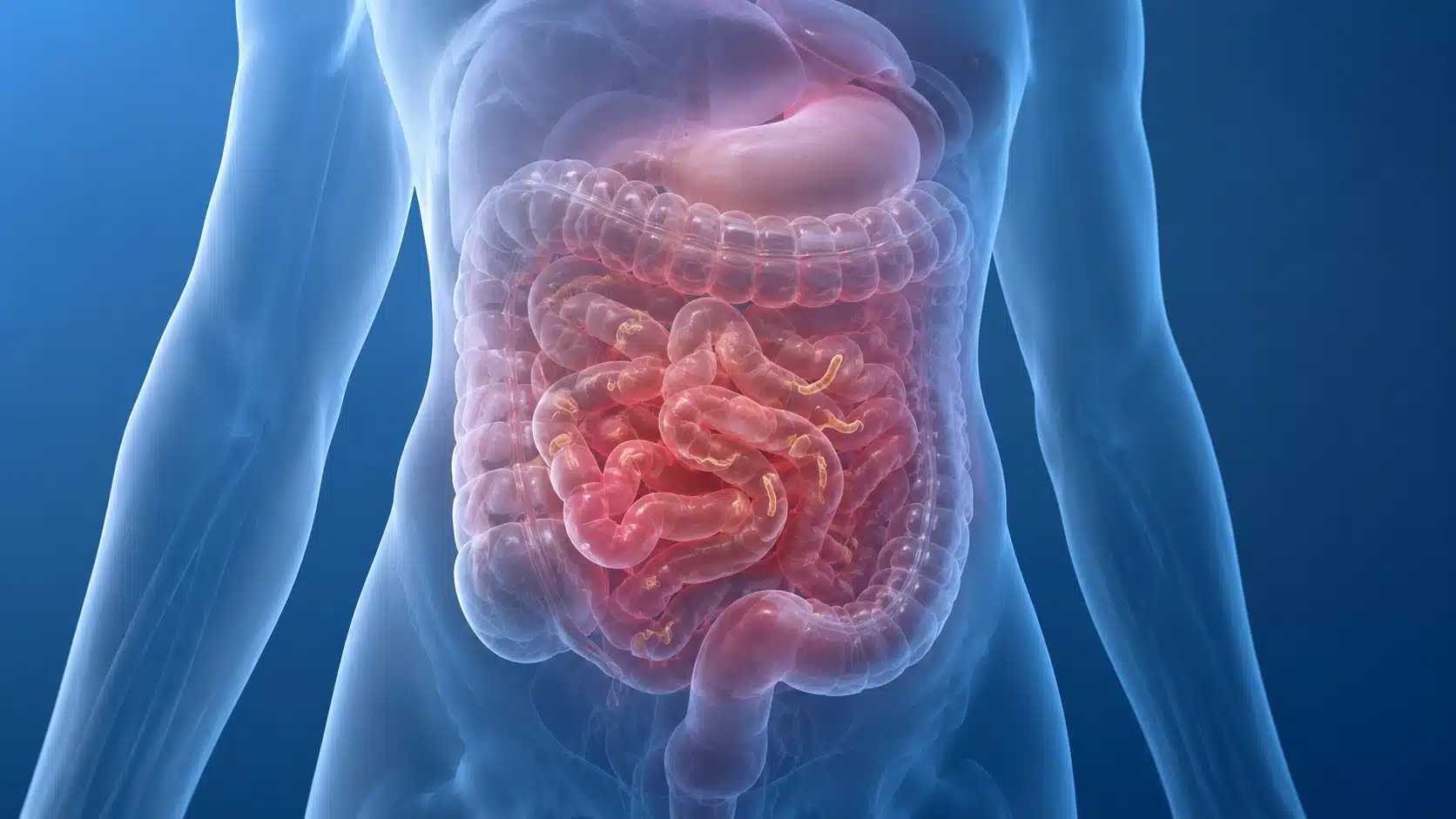















When I first looked into skipping food for 36 hours, it felt like something only extreme health enthusiasts would attempt. Going a full day and a half without eating sounded uncomfortable and almost unrealistic at first.
A 36-hour fast is often seen as a middle ground between intermittent fasting and longer extended fasts. It encourages the body to shift into fat-burning mode, start early cellular cleanup, and improve metabolic flexibility without requiring extreme fasting durations.
In this guide, I’ll walk you through what really happens during a 36-hour fast, the key benefits, such as ketosis and autophagy, and how to approach it safely so you can get the most out of it.
What You Eat and What Happens to Your Body?
A 36-hour fast means going without food for 1.5 days, consuming zero calories. Only water, black coffee, herbal tea, and electrolytes are allowed to maintain hydration and mineral balance.
Unlike intermittent fasting, which uses shorter eating windows, a 36-hour fast creates a deeper metabolic shift.
The body gradually shifts from using stored glucose to burning fat for energy, thereby increasing fat utilization and metabolic efficiency.
| Timeframe | What Happens | How You May Feel |
|---|---|---|
| 0–12 Hours | Uses stored glycogen for energy | Normal hunger, steady energy |
| 12–24 Hours | Fat burning begins, early ketosis starts | Mild hunger, better focus |
| 24–36 Hours | Deeper ketosis + early autophagy | Reduced hunger, clearer mind |
By the end of the 36 hours, the body becomes more efficient at using fat for fuel, and hunger levels usually drop while mental clarity improves. This steady transition is what makes longer fasting periods feel more manageable and metabolically effective over time.
Key Benefits of a 36 Hour Fast

A 36-hour fast creates a series of metabolic changes in the body that go beyond simple calorie restriction. As the fast progresses, the body shifts into fat-burning mode, activates repair processes, and improves overall energy regulation. These combined effects are what make extended fasting feel more impactful compared to shorter fasting windows.
1. Fat Burning & Ketosis
A 36-hour fast encourages the body to shift from glucose to fat as its main energy source. This early stage of ketosis helps improve fat utilization and supports steady energy levels without frequent crashes. It also helps the body use stored fat more efficiently for fuel throughout the day.
The longer fasting window strengthens metabolic flexibility and reduces dependence on constant food intake. Over time, this can support better energy stability even after normal eating resumes.
2. Autophagy Activation
As fasting continues, the body begins a natural cleanup process called autophagy. This helps remove damaged cells and supports internal repair, both of which play important roles in overall cellular health.
It also contributes to improved recovery and better cellular efficiency over time.
3. Improved Insulin Sensitivity
Insulin levels drop during fasting, allowing the body to respond better to carbohydrates later. This helps stabilize blood sugar and reduces sudden energy spikes and crashes.
Better insulin sensitivity also supports long-term metabolic balance and more controlled energy use throughout the day.
4. Mental Clarity
Many people experience improved focus during a 36-hour fast. This happens because the brain starts using ketones for fuel, which provide a more stable energy source than glucose.
This shift often leads to reduced brain fog and a steadier sense of alertness.
5. Digestive Rest
With no food intake for an extended period, the digestive system gets time to rest and reset. This can reduce bloating and improve digestion once normal eating resumes.
It also gives the gut a break from constant processing, which may support better comfort and gut efficiency.
6. Weight Loss Support
Early weight loss during a 36-hour fast comes from glycogen and water loss, followed by gradual fat burning. This makes it a useful tool for improving overall calorie control and body composition.
It can also help reset eating habits by increasing awareness of hunger cues and portion control.
These benefits work together to support better metabolic balance, improved energy regulation, and enhanced internal recovery. A 36-hour fast is less about restriction and more about giving the body a structured break to function more efficiently.
Scientific Insights on Short-Term Fasting
Research on intermittent and extended fasting suggests that short-term fasting can positively influence metabolic flexibility, insulin regulation, and fat oxidation. When the body goes without food for an extended period, it becomes more efficient at switching between glucose and fat as fuel, which supports more stable energy levels.
Some studies also indicate that aligning fasting windows with the body’s natural circadian rhythm may improve blood sugar control, digestion, and overall metabolic efficiency. This means fasting during the later hours of the day may work differently from fasting that aligns with daytime activity patterns.
While a 36-hour fast is shorter than prolonged fasting protocols, it is still long enough to activate several key biological pathways associated with improved metabolic health and cellular repair processes.
Risks, Side Effects, and Who Should Avoid a 36 Hour Fast
A 36-hour fast can be helpful for some people, but it is not something everyone should try without thinking through the risks. Because the body goes without food for a full day and a half, beginners may notice short-term side effects as their energy levels, hunger signals, and hydration needs change.
Common Risks and Side Effects
Some side effects are temporary and may improve as the body adapts to fasting. However, they can still feel uncomfortable, especially during the first attempt. Paying attention to hydration, electrolytes, and overall energy levels can make the experience safer and easier to manage.
Common risks and side effects may include:
- Headaches or Dizziness: These can happen during the first 12–18 hours, especially if hydration or electrolyte intake is low.
- Fatigue or Low Energy: Some people may feel tired as the body shifts from regular food intake to stored energy.
- Irritability or Mood Changes: Hunger spikes may affect mood, patience, and focus during the adjustment phase.
- Difficulty Concentrating: Mental focus may dip temporarily, especially for beginners or people with busy schedules.
- Electrolyte Imbalance: Not getting enough water, sodium, or minerals may increase weakness, lightheadedness, or discomfort.
These side effects are usually mild for healthy adults, but they should not be ignored. If symptoms become severe, unusual, or difficult to manage, it is safer to stop the fast and gradually return to normal eating.
People Who Should Avoid Fasting
While some healthy adults may tolerate a 36-hour fast, certain people should avoid it unless a healthcare professional says it is safe. Extended fasting can affect blood sugar, blood pressure, energy levels, and eating patterns, so personal health history matters.
People who should avoid 36-hour fasting without medical supervision include:
- People With Diabetes: Fasting can affect blood sugar levels and may be risky without proper monitoring.
- Pregnant or Breastfeeding Individuals: The body needs steady nutrition during pregnancy and breastfeeding to support both energy and nutrient needs.
- People with a History of Eating Disorders: Extended fasting may trigger unhealthy food restriction patterns or emotional stress around eating.
- People With Chronic Low Blood Pressure: Long gaps without food may increase dizziness, weakness, or lightheadedness.
- Anyone With Ongoing Medical Conditions: People taking medication or managing chronic health issues should get medical advice before trying a long fast.
A 36-hour fast should never feel like something you have to push through at any cost. If severe weakness, unusual symptoms, or significant discomfort occurs, stop the fast and resume eating slowly. Anyone unsure about their safety should speak with a healthcare professional before trying it.
How to Prepare for a 36 Hour Fast
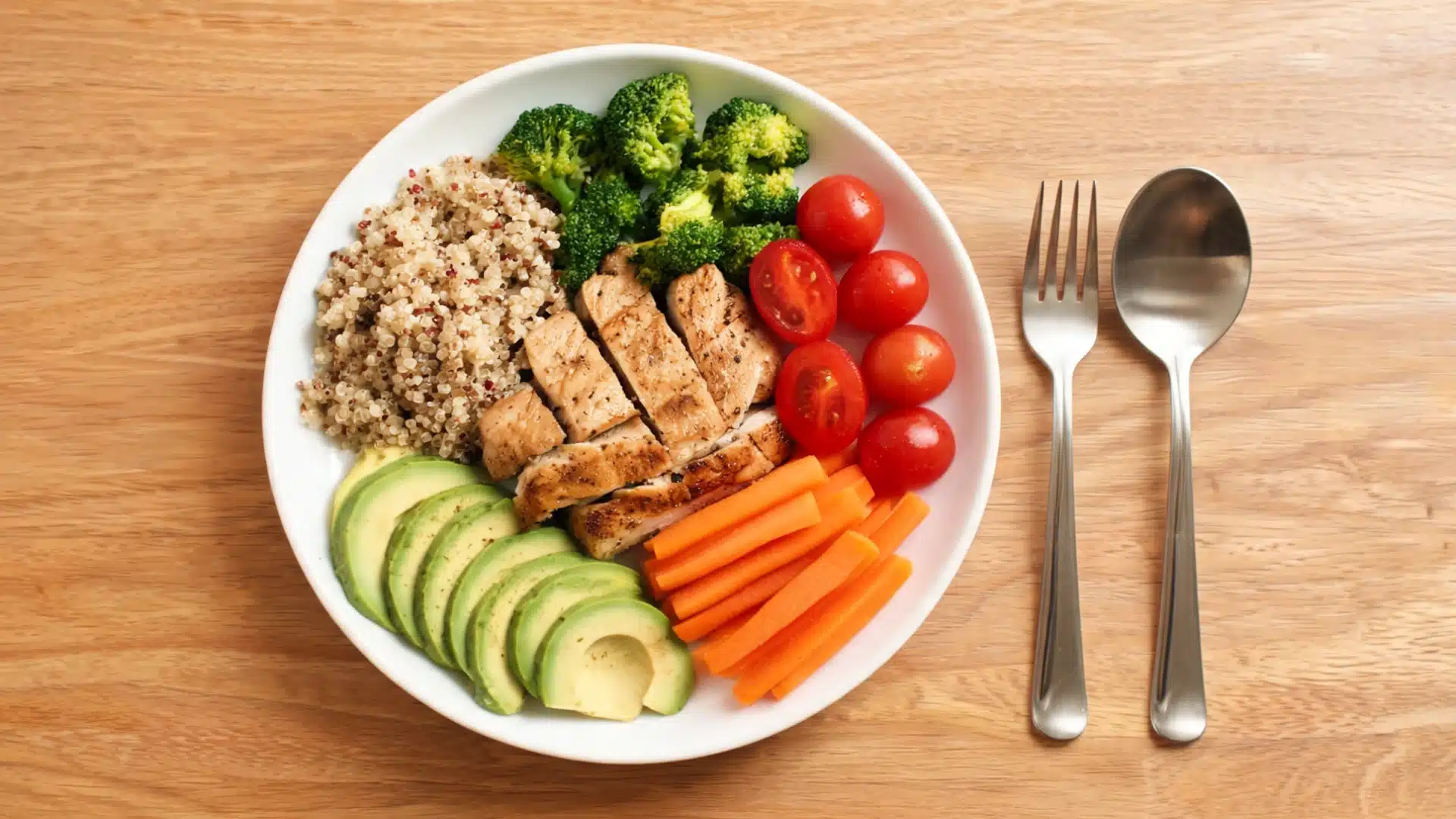
Proper preparation makes a 36-hour fast much smoother and reduces common side effects such as fatigue, headaches, or intense hunger pangs. When your body is already well hydrated and adjusted to lighter meals, the transition to fasting becomes significantly easier and more stable.
- Eat lighter meals before starting: reduces the digestive load and helps your body adapt more smoothly to fasting.
- Increase water intake: Helps maintain stable hydration and supports energy balance during the fast.
- Add electrolytes: Helps prevent headaches, fatigue, and mineral imbalances during longer fasts.
- Avoid heavy or processed foods: Prevents cravings and makes the transition to fasting less intense.
- Mentally prepare for hunger waves: Builds consistency and helps you stay committed during difficult phases.
- Plan refeeding in advance: Ensure you break the fast with light, easy-to-digest foods.
Taking these steps before starting a 36-hour fast improves comfort, supports energy stability, and increases the chances of completing the fast successfully without unnecessary strain.
How to Break a 36 Hour Fast Safely
Breaking a 36-hour fast is just as important as the fast itself. After going without food for a full day and a half, the digestive system needs a slower restart instead of a large, heavy meal right away.
Start with something light and easy to digest, such as eggs, yogurt, soup, cooked vegetables, avocado, or a small portion of lean protein. These foods help bring energy back without overwhelming the stomach. It is also a good idea to keep drinking water and include electrolytes, especially if you feel lightheaded or low on energy.
Here is a simple meal plan you can follow after a 36-hour fast:
| Time After Fast | What to Eat | Example Meal |
|---|---|---|
| First meal | Light, easy-to-digest foods | Greek yogurt with berries, vegetable soup, boiled eggs, or avocado |
| 1–2 hours later | Small balanced meal if you feel good | Lean protein with cooked vegetables and a small portion of rice or sweet potato |
| Later in the day | Normal balanced meal | Grilled chicken or tofu with vegetables, healthy fats, and complex carbs |
| What to avoid at first | Heavy or processed foods | Fried foods, sugary snacks, large carb-heavy meals, and processed fast food |
Avoid breaking the fast with fried foods, large portions of carbs, sugary snacks, or heavy processed meals. These can cause bloating, stomach discomfort, blood sugar spikes, or a sudden crash afterward.
A simple approach is to eat a small meal first, wait 1–2 hours, and then return to a normal balanced meal if your body feels good. Breaking the fast slowly helps protect digestion, maintain stable energy, and make the whole fasting experience feel more controlled and sustainable.
Final Takeaway
After exploring how a 36-hour fast works, I’ve realized it’s more about the body’s adaptation over time than just skipping food. From shifting into early fat burning and mild ketosis to activating metabolic balance and giving the digestive system a reset, this fasting window sits between intermittent and extended fasting.
We also covered energy changes, key benefits such as improved insulin sensitivity, mental clarity, and digestion, as well as preparation and safety.
From my perspective, it’s something to approach slowly, stay hydrated, and listen to your body. If you found this guide helpful, you can explore more fasting and nutrition breakdowns here to better understand what actually works for your lifestyle and goals.