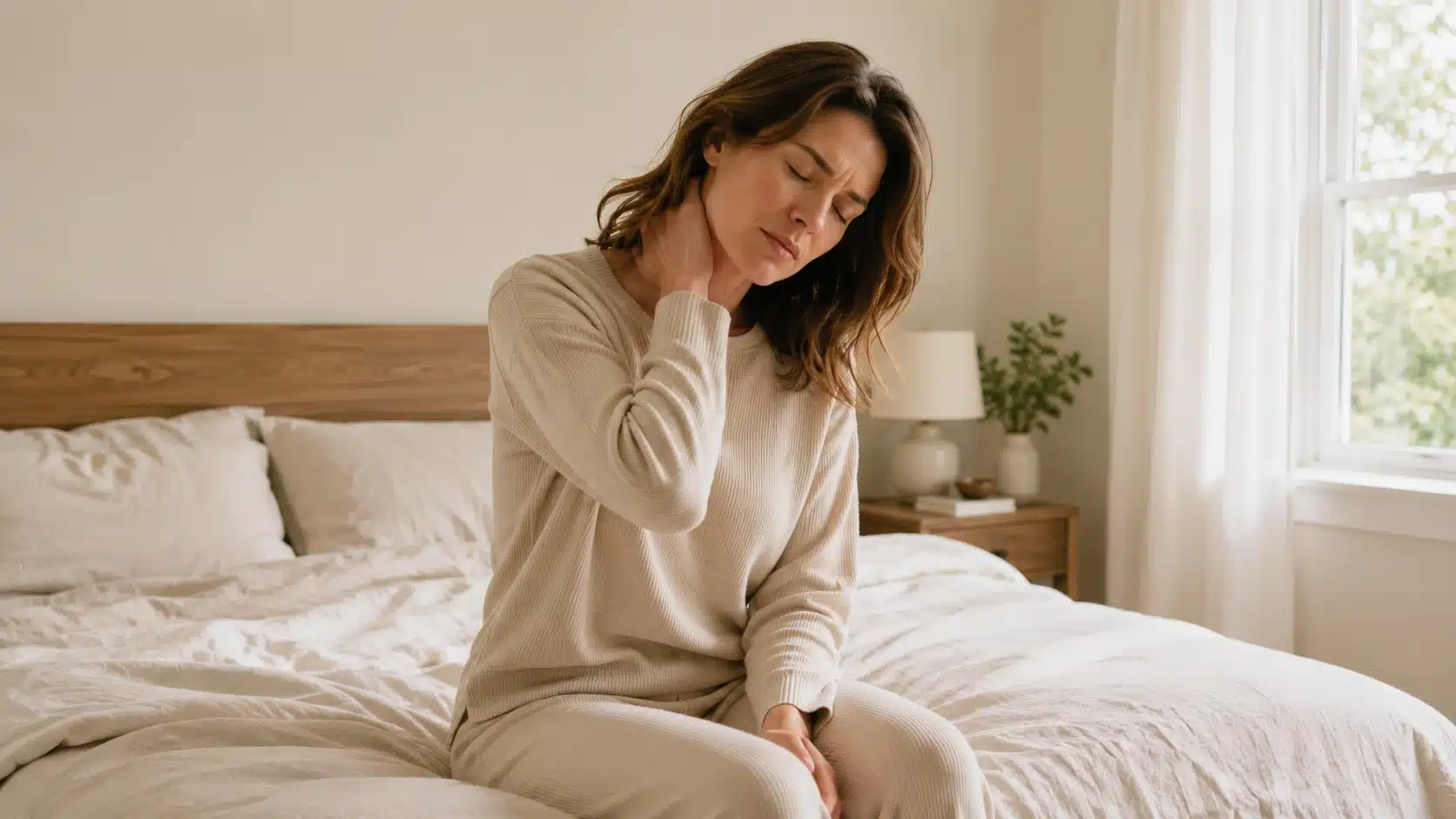









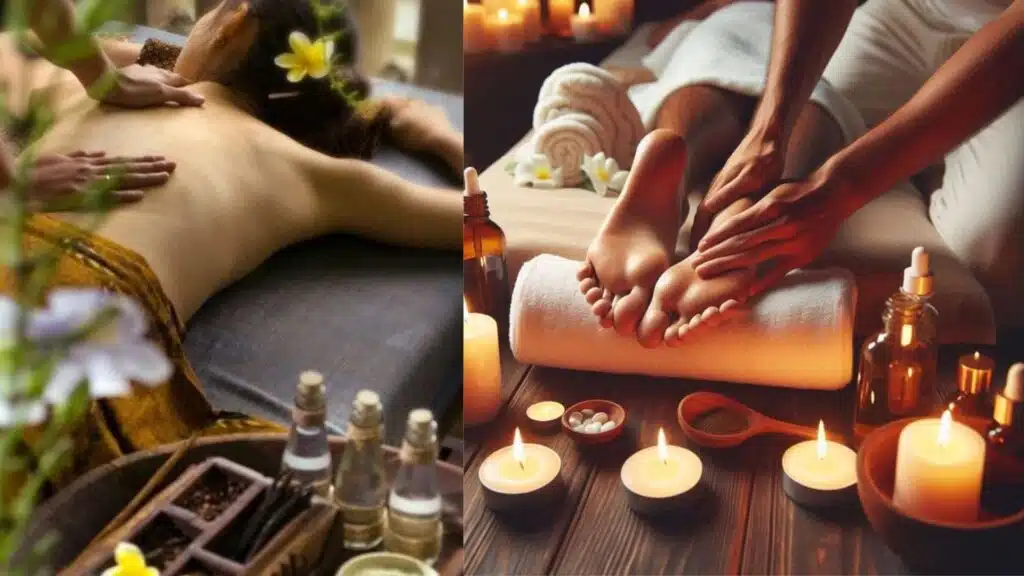

Ever feel like stress sits in your shoulders even after a long rest? I know that feeling when your body stays tense even when your mind wants to relax.
A relax massage can help shift your body into a calmer state by easing muscle tension and lowering stress response.
Here you’ll understand what it is, how it works, its key benefits, and how to choose the right service for your needs. This helps you make a simple, informed decision so your next massage feels comfortable, safe, and truly relaxing from start to finish.
You can also compare options near you more confidently.
| Disclaimer: This article is for informational and educational purposes only. It does not constitute medical advice and should not replace consultation with a qualified healthcare provider. Always consult a doctor before making changes to your health practices, especially if you have an existing medical condition, blood clotting disorder, recent injury, or are pregnant. |
| Condition / Goal | Stress relief, mild muscle tension, general relaxation |
| Primary Mechanism | Activates the parasympathetic nervous system; lowers cortisol and raises endorphin and serotonin levels |
| Evidence Level | Well-studied for short-term stress and anxiety reduction; moderate evidence for sleep and mood benefits |
| Who It Is For | Adults experiencing everyday stress, mild muscle tightness, or sleep difficulty; suitable for first-time clients |
| Who Should Avoid | People with recent blood clots, active infections, severe osteoporosis, recent fractures, or those on blood thinners (consult a doctor first) |
The table above gives you the core facts at a glance. The sections below break down the physiology, the techniques, who benefits most, and what the research actually says about frequency and outcomes.
What is Actually Happening in Your Body During a Relax Massage
When a therapist applies slow, moderate pressure, sensory receptors in your skin and muscles signal your brain to shift your autonomic nervous system. This process moves you out of sympathetic activation (the fight-or-flight stress state) and into parasympathetic activation (the rest-and-digest state).
This shift triggers a measurable physiological cascade:
- Your heart rate drops and breathing slows.
- Blood pressure decreases temporarily.
- Cortisol (the primary stress hormone) drops significantly.
- The brain increases production of endorphins, serotonin, and dopamine, which naturally elevate mood and reduce pain perception.
If you use other tools to lower cortisol alongside massage, such as adaptogenic herbs, the combined effect on baseline stress can be more sustained.
At the circulatory level, the gentle stroking movements during a Swedish relaxation massage improve local blood flow and support lymphatic drainage. Over repeated sessions, this can reduce low-grade inflammation and improve tissue flexibility, particularly in desk workers who hold chronic tension in the neck, shoulders, and upper back.
Pairing regular massage with targeted neck and posture work addresses both the symptom and the postural cause of that tension.
Relaxation Massage vs. Deep Tissue Massage: The Core Difference
The comparison matters because a lot of people book the wrong type of massage for their actual needs. A relaxation massage uses light to medium pressure and is designed to calm the nervous system.
A deep tissue massage uses firm, targeted pressure to address structural muscle problems: scar tissue, chronic knots, injury-related tightness. Deep tissue work can leave you sore for 24 to 48 hours. A relaxing massage typically does not.
| Factor | Relaxation Massage | Deep Tissue Massage |
| Pressure | Light to medium | Medium to firm |
| Primary Goal | Stress relief, nervous system calm | Structural muscle repair, chronic pain |
| Post-Session Feel | Relaxed, sometimes drowsy | Relieved but possibly sore |
| Good For | Stress, sleep difficulty, mild tension | Injury rehab, athletic recovery, chronic knots |
| First-Timer Suitable | Yes | Not recommended as a starting point |
Use this comparison to book the right service. If your goal is to reduce daily stress and sleep better, a relaxation massage is the correct choice. If you have a specific structural problem like a frozen shoulder or recurring lower back knots, start with deep tissue after consulting a provider who can assess your condition.
The Main Techniques Used in a Relaxation Massage
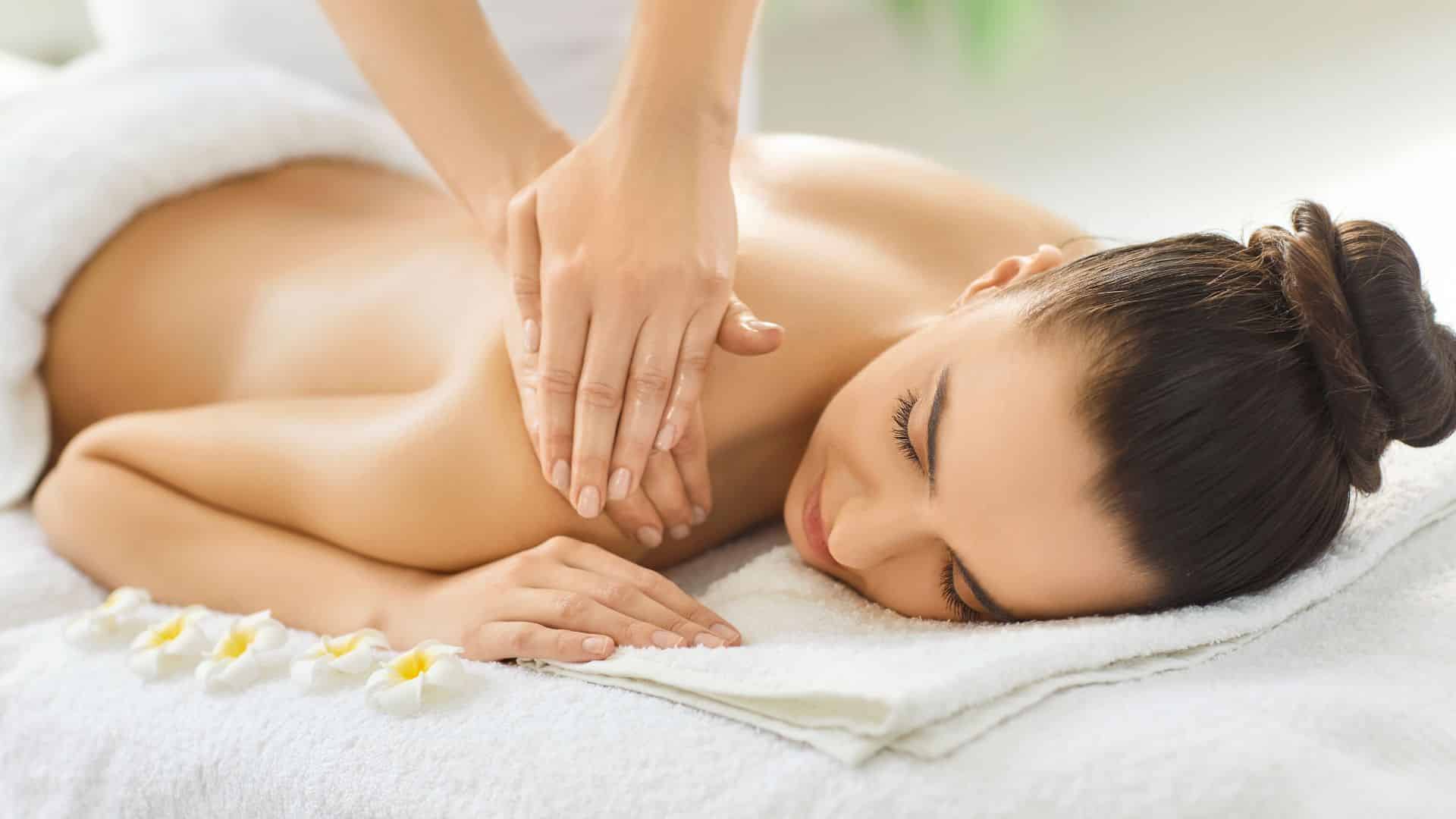
Most relaxation massage sessions draw on Swedish massage as their foundation. Swedish massage was developed in the 19th century and remains the most widely studied and commonly offered form of gentle bodywork in the United States.
A standard relaxation massage session uses four primary techniques, often layered together:
1. Effleurage
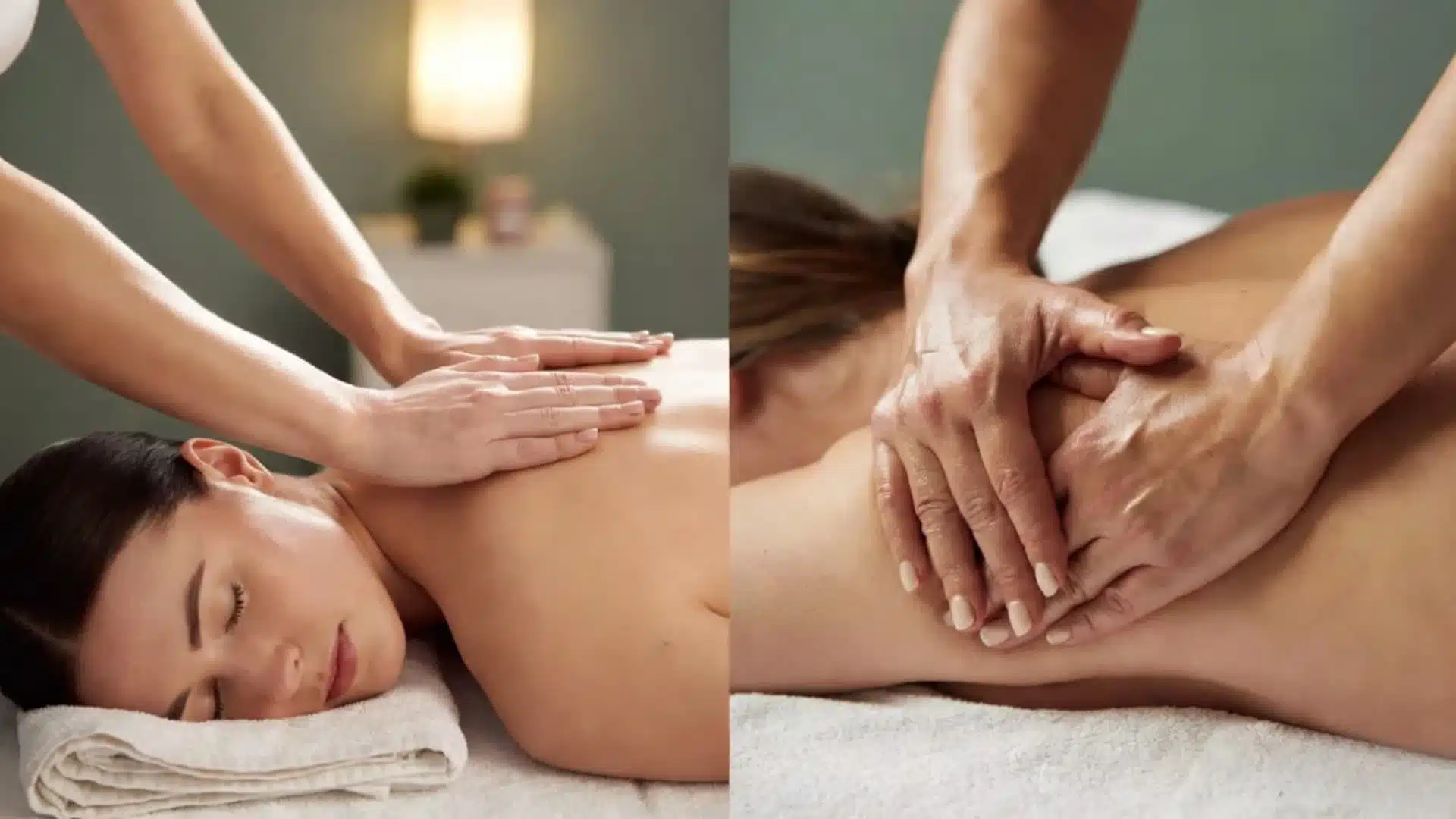
Long, gliding strokes are applied with the palms and fingers along the full length of a muscle group. Effleurage is typically used to open and close each section of the body. It warms the tissue and prepares it for deeper work.
At the start of a session, effleurage moves toward the heart to support venous blood return. The pace is slow, typically 40 to 60 strokes per minute, which researchers associate with the most significant parasympathetic activation.
2. Petrissage
Kneading, rolling, and compression movements are applied to the muscle bulk. Petrissage lifts and squeezes soft tissue, which helps move fluid through the muscle and reduces surface-level tension.
In a relaxation massage, the pressure stays moderate. It is enough to work the muscle without triggering a pain response that would re-activate the sympathetic nervous system.
3. Friction
Circular or cross-fiber pressure is applied to specific points of tension.
In a relaxation massage context, friction is used lightly, typically on the upper trapezius, base of the skull, and along the spine, where desk workers carry the most accumulated tension. It should never cause sharp pain.
4. Tapotement
Rhythmic percussion using the edges of the hands or cupped palms. In a relaxation context, tapotement is used sparingly if at all. When included, it is light and brief, used to stimulate circulation before closing the session.
Understanding these four techniques helps you communicate effectively with your therapist before and during a session. If effleurage feels too light or petrissage pressure feels too firm, you can name the technique and ask for an adjustment.
Evidence-Based Benefits of Relaxation Massage
Research shows relaxation massage provides measurable physical and mental health benefits beyond general stress relief. Clinical studies highlight its impact on stress hormones, sleep quality, anxiety levels, and mild pain reduction.
- Stress and Cortisol Reduction: A study by Hernandez-Reif et al. (2004) published in the International Journal of Neuroscience found that breast cancer patients who received regular massage therapy showed significantly reduced cortisol levels alongside improved mood. Field et al. at the Touch Research Institute, University of Miami, replicated similar cortisol reduction findings across multiple populations, confirming the effect holds for several hours post-session.
- Sleep Quality Improvement: A 2011 study by Moyer et al., drawing on pooled data from controlled massage therapy trials, found consistent improvements in sleep quality across elderly adults, people with insomnia, and those with chronic lower back pain. The mechanism is physiological: massage activates the parasympathetic nervous system, lowering cortisol, slowing heart rate, and reducing muscle tension, all of which make deeper sleep stages more accessible.
- Anxiety Reduction: A meta-analysis by Moyer, Rounds, and Hannum (2004) published in Psychological Bulletin reviewed 37 massage therapy studies and found statistically significant short-term reductions in anxiety and improved mood across healthy adults and clinical populations. A separate study in Complementary Therapies in Nursing and Midwifery found elderly stroke patients who received massage reported measurably less anxiety, with systolic blood pressure, diastolic blood pressure, and heart rate all moving in the direction of calm.
- Mild Pain Relief: Research by Field et al. published in the Journal of Bodywork and Movement Therapies found that massage increases endorphin release and reduces perceived pain intensity in people with fibromyalgia and general muscle discomfort. The mechanism is dual: neurological, through endorphin-mediated pain threshold elevation, and mechanical, through reduced muscle tension and decreased nerve compression at surrounding joints.
These findings show that relaxation massage is not just a comfort-based treatment but a scientifically supported method for improving stress response, sleep quality, emotional balance, and mild physical discomfort when practiced consistently.
| Practical Note: Most of the benefits above are short-term following a single session. The compounding effect, where stress tolerance, sleep quality, and baseline muscle tension all improve measurably, requires consistent sessions over 4 to 8 weeks. A single relax massage is worthwhile. A monthly or biweekly habit is where the clinical research shows the most meaningful change. |
What to Expect During a Relaxation Massage Session
By combining these massage techniques with proper hydration and light stretching afterward, you maximize the restorative effects, leaving your body relaxed, your mind clear, and your energy renewed for the day ahead.
| Stage | Description |
|---|---|
| Before | The therapist consults on pressure preference, sore areas, and any injuries or allergies |
| During | Quiet room, soft music, light-to-medium strokes; pressure adjusted to comfort |
| After | Relaxed feeling, possible slight soreness; recommended to hydrate and avoid strenuous activity immediately |
Knowing what each stage involves allows you to fully relax during the session. From initial consultation to post-massage aftercare, this structure ensures comfort, maximizes stress relief, and leaves both body and mind refreshed.
A relaxation massage is best suited for people seeking gentle pressure, stress relief, and a calm overall experience, rather than deep muscle treatment.
Who Should Choose a Relaxation Massage
A relaxing massage is the right choice for a specific set of needs. It is not a universal solution, and knowing its boundaries helps you get the most value from the session.
A relaxation massage is well-suited for:
- First-time massage clients who are unfamiliar with how pressure and technique should feel
- Adults managing occupational stress, mental fatigue, or burnout
- Desk workers with mild to moderate neck and upper back tension from sustained posture
- People experiencing stress-related sleep difficulty
- Anyone who wants a calming, full-body experience without clinical rehabilitation objectives
A relaxation massage is not well-suited for:
- Structural problems requiring targeted therapy, such as chronic back injury, rotator cuff damage, or post-surgical rehabilitation
- Athletic performance recovery requires specific muscle group work and a sports massage protocol
- Conditions requiring lymphedema massage therapy with specialized training
- Anyone with active skin infections, deep vein thrombosis, or acute inflammation
If your needs fall into the second category, a deep tissue massage, sports massage, or therapeutic massage with a specifically trained provider is a better fit. For people recovering from a shoulder or upper-body injury in particular, structured rehab exercises are a more appropriate starting point than general soft tissue work.
How Often Should You Get a Relaxation Massage
The research on frequency suggests that single sessions produce meaningful short-term benefits, but the most clinically significant outcomes appear with consistent sessions over time. Here is a practical framework by goal:
| Goal | Recommended Frequency | Notes |
| First-time or occasional relaxation | Monthly | Establishes baseline; good for general stress management |
| Active stress management | Every 2 to 3 weeks | Produces compounding cortisol and sleep benefits |
| Chronic tension or anxiety | Weekly for 4 to 6 weeks, then biweekly | Most trial protocols showing clinical benefit use this pattern |
| Maintenance | Every 4 weeks | Sustains gains from a higher-frequency initial period |
Pair your massage sessions with adequate sleep, light stretching, and hydration for the most durable effect. Massage accelerates tissue recovery and nervous system downregulation, but it works alongside healthy baseline habits rather than replacing them.
Types of Relaxing Massage Services You May See Near You
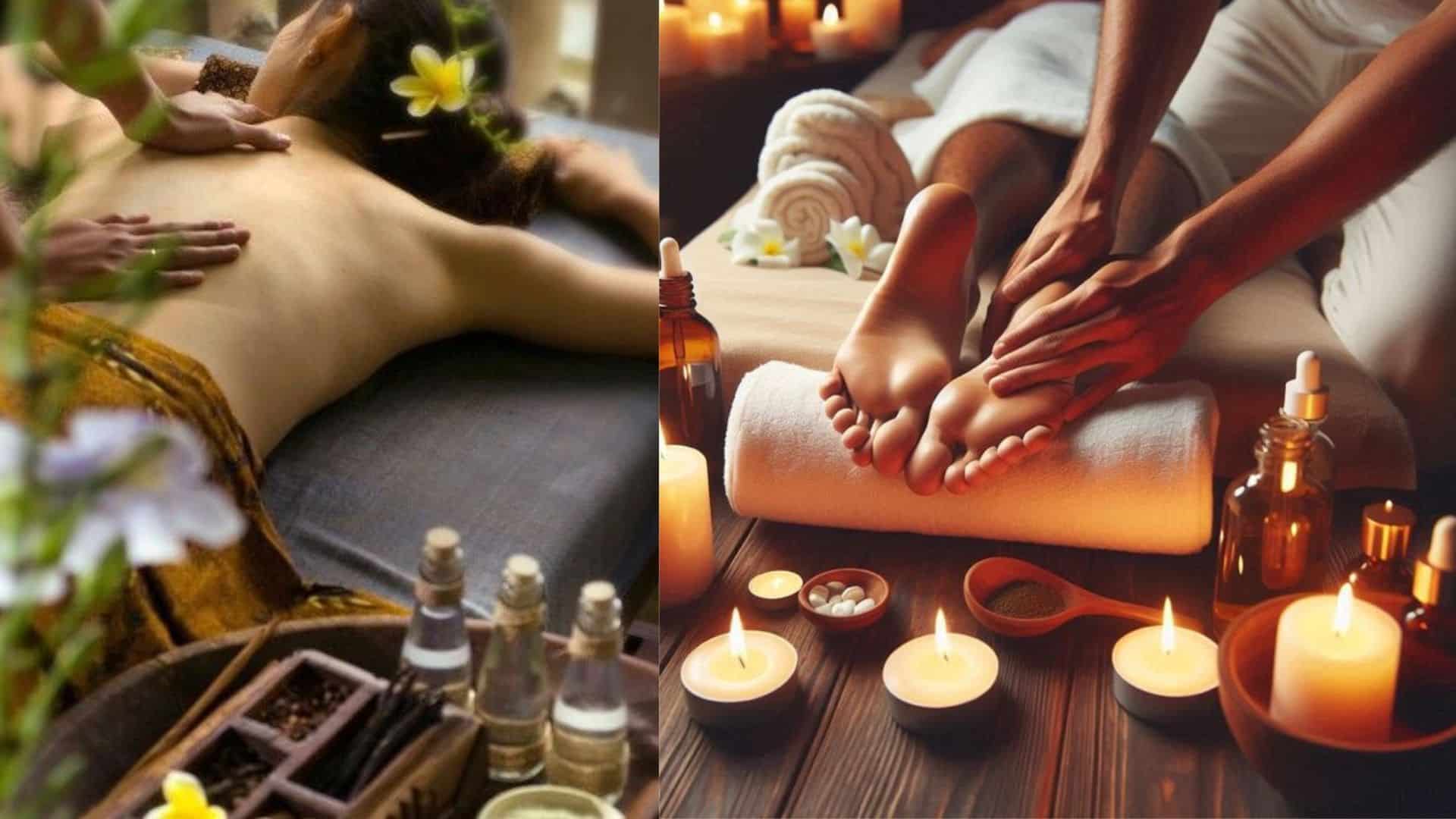
When you search for relax massage near me, nearby spas may not all use the same service name. Some call it a Swedish massage, some list it as a full-body massage, and others offer foot reflexology, aromatherapy, or hot stone massage.
The best option depends on how much pressure you want, which body area needs care, and what kind of spa experience you prefer.
1. Swedish Relax Massage
A Swedish relaxation massage is a gentle full-body treatment that uses light to medium pressure with long, flowing strokes to reduce stress and relax tight muscles. It is one of the most common massage styles offered in U.S. spas and is often recommended for beginners or anyone seeking a calm, soothing experience rather than deep-tissue work.
- Location: Common in spas and wellness chains across major U.S. cities like New York, Los Angeles, and Houston.
- Review: Clients often describe it as “deeply calming and perfect for first-timers.”
- Online sites: Massageenvy, spas near you, booking platforms like Mindbody
2. Full Body Relax Massage
A full-body relaxation massage is a gentle treatment that targets head-to-toe muscle groups with slow, calming techniques designed to relieve stress and promote overall relaxation. It typically uses light-to-medium pressure with smooth, continuous strokes to create a soothing experience.
- Location: Widely available in Chicago, Dallas, Miami, and Phoenix
- Review: “Felt like full-body stress was gone after one session.”
- Online sites: local spa websites, Yelp listings
3. Aromatherapy Relax Massage
An aromatherapy relaxation massage is a calming treatment that combines gentle massage techniques with essential oils to support emotional relaxation and reduce stress. It uses soft-to-medium pressure with slow strokes, while soothing scents help create a more peaceful spa experience for the mind and body.
- Location: Popular in California, Florida, and resort spa destinations
- Review: “The scent plus massage made it extremely calming.”
- Online sites: Spafinder, resort spa websites
4. Hot Stone Relax Massage
A hot stone relaxation massage uses smooth, heated stones combined with gentle massage strokes to deeply relax muscles and release built-up tension. The warmth helps improve comfort and creates a slow, soothing experience ideal for full-body relaxation and stress relief.
- Location: Luxury spas in Las Vegas, New York, and Los Angeles
- Review: “Heat melts tension instantly, very soothing.”
- Online sites: resort spa sites, MassageLuXe
5. Mobile Relax Massage
A mobile relaxation massage is a convenient service where a licensed therapist travels to your home, hotel, or office to provide a calming full-body massage. It uses light-to-medium pressure with slow strokes to reduce stress and create a comfortable, spa-like experience without the need to visit a clinic.
- Location: Available in most major U.S. metro areas
- Review: “Best convenience, no travel stress at all.”
- Online sites: Zeel,contact-based mobile massage services
These relaxation massage types help you understand what’s commonly available at spas, wellness centers, and mobile services. Using “near me” or adding your city name to the search makes it easier to find the right service quickly.
Most spas in the U.S. feature a core menu of 15 widely accessible, relaxing massage techniques. You can find these services at national wellness franchises such as Massage Envy and Elements Massage, as well as at premium day spas like Bella Santé Spas.Take some more reviews from Yelp for your reference.
Frequently Asked Questions
What should I wear to a relaxation massage?
Wear comfortable, loose clothing to your appointment. During the session, you undress to your comfort level and remain draped with a sheet or towel throughout. Therapists are trained in professional draping. Only the body area being actively worked is uncovered at any time. If you prefer to keep specific clothing on, communicate this before the session begins.
Will I be sore after a relaxation massage?
Mild temporary soreness in areas that held significant tension is possible and normal. This is different from the post-session soreness from a deep tissue massage, which is more pronounced and longer-lasting. If you want to understand why muscle soreness happens and what it signals, our breakdown of muscle soreness after physical work explains the underlying mechanism clearly. Most people, after a relaxing massage, feel relaxed and sometimes drowsy rather than physically sore. Drink water and avoid intense exercise on the day of your session.
Is relaxation massage effective for anxiety?
Yes, with reasonable expectations. The clinical evidence for short-term anxiety reduction following massage is consistent across multiple study populations. A single relaxation massage can produce a measurable drop in anxiety within the session and for several hours afterward. For people with diagnosed anxiety disorders, massage is best used as a complementary tool alongside professional treatment, not as a standalone intervention.
Can I get a relaxation massage if I am pregnant?
Prenatal massage is a specific category that requires specialized training. Not all relaxation massage therapists are trained in prenatal protocols. If you are pregnant, ask specifically whether the therapist holds prenatal massage certification and whether the table accommodates pregnancy positioning. Do not book a standard relaxation massage and assume it is automatically safe during pregnancy.
How long should a relaxation massage session be?
A 60-minute session covers the full body adequately, though the therapist will spend less time on any one area. A 90-minute session allows more thorough work on high-tension areas while still completing a full-body treatment. For a first session, 60 minutes is the right starting point. It is long enough to experience the full parasympathetic benefit without committing to a longer session before you know your pressure preferences.
Does a relaxation massage help with sleep?
Yes. The parasympathetic activation from a relaxing massage directly supports the physiological conditions required for sleep onset: lower cortisol, reduced heart rate, relaxed muscles, and elevated serotonin. Studies show improvements in sleep quality following massage therapy in multiple populations, including elderly adults, people with insomnia, and adults with chronic lower back pain. Scheduling a massage in the late afternoon or early evening can reinforce this effect.
Final Verdict
After understanding what a relax massage is, you can see how it supports both physical ease and mental calm in everyday life.
Most adults benefit from regular sessions because consistent relaxation helps reduce stress, improve sleep quality, and release muscle tension built from daily routines.
You’ve also learned how different techniques, pricing, and spa choices affect your overall experience and results. When you choose the right place and maintain a simple routine, the benefits become more noticeable over time.
I encourage you to try a relax massage and notice how your body responds after a single session. Share your experience or check other wellness tips to keep improving your stress and recovery habits naturally.