




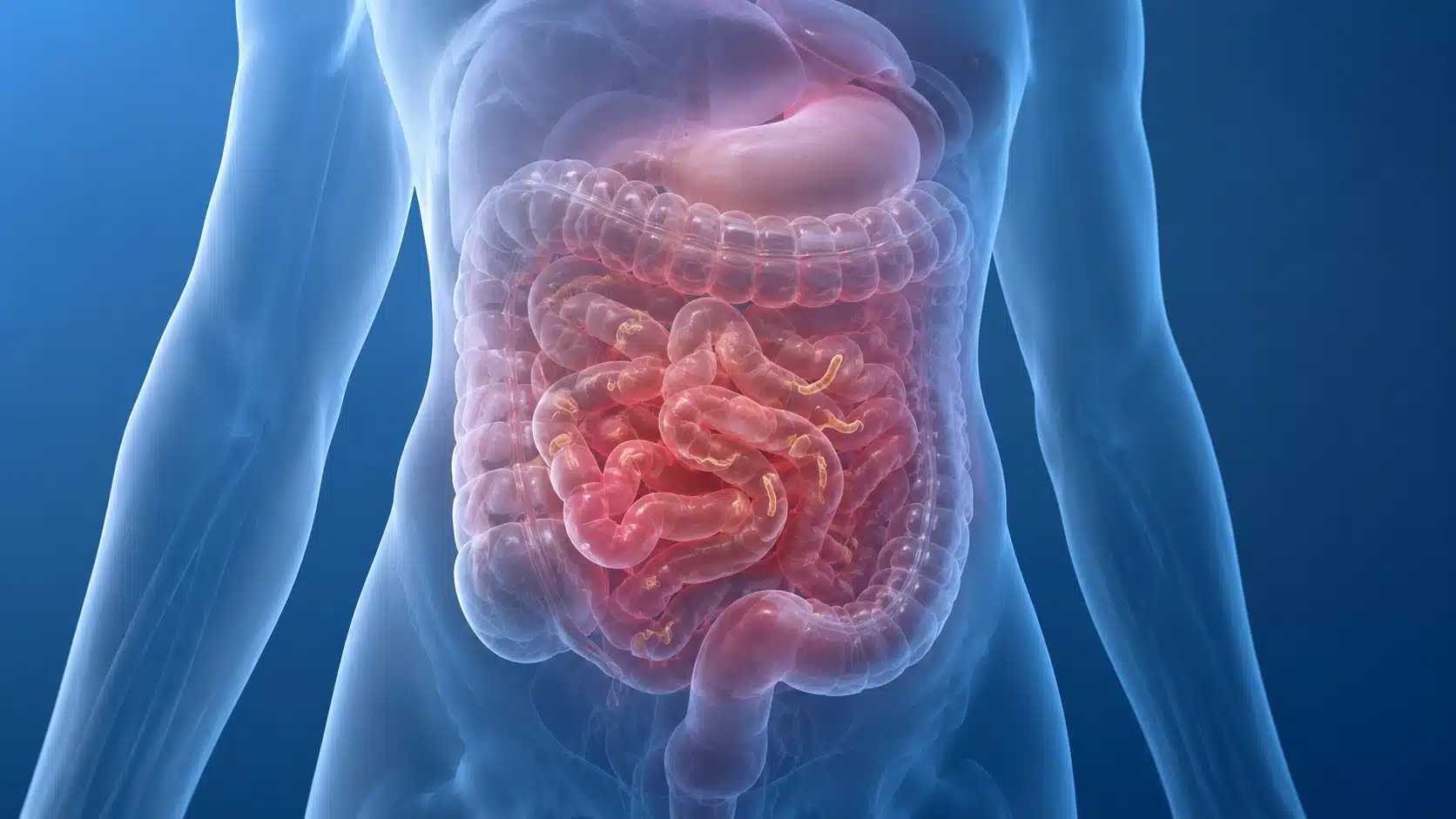









A few years ago, a close friend came to me convinced she had parasites. She had read about fasting on a wellness forum, started a three-day cleanse, and was waiting to feel better. Three weeks later, she finally went to a doctor. The stool test came back positive for Giardia.
The antiparasitic medication cleared it in ten days. The fast had done nothing except delay the diagnosis. That experience is part of why this piece exists. Does fasting kill parasites is one of the most searched questions in the gut health space right now, and the honest answer deserves more than a quick paragraph.
This article covers what parasites are, how infections happen, the most common signs to watch for, how doctors test and treat them, what the research actually says about fasting, and when a doctor visit should happen immediately.
| Medical Advisory: The symptoms discussed in this article can overlap with those of many digestive and other health conditions. This content is for educational purposes only and should not be used to diagnose or treat a parasitic infection. If you have ongoing symptoms, visible worms in stool, severe weight loss, blood in stool, or persistent diarrhea, seek medical evaluation and testing promptly. |
Can Parasites Be Killed by Fasting?
A parasite is an organism that lives on or inside a human host and depends on it for nutrients and survival. Common types include protozoa such as Giardia, helminths such as roundworms and tapeworms, and ectoparasites such as lice and mites.
Each type requires specific diagnosis and treatment, not general lifestyle changes. So, does fasting kill parasites? No. There is no scientific or clinical evidence that fasting can kill or remove parasites in humans.
Medical sources, including the Cleveland Clinic, state that “parasite cleanses” and diet-based methods are not effective treatments. Many parasites can survive low-food conditions by slowing their activity or adapting inside the body.
In some respects, it creates a more favorable one, much like the dietary patterns that compromise gut health over time, extended fasting can shift the intestinal environment in ways that benefit opportunistic organisms rather than the host.
| Important: If you are currently fasting because you suspect a parasitic infection, stop and seek medical evaluation. A stool ova and parasite exam (OPE) is the standard first-line test and is typically processed within 48 to 72 hours. Testing is straightforward. Fasting while infected delays diagnosis without reducing parasite burden. |
How Do People Get Parasites?

Parasitic infections are more common than most people assume, and the routes of transmission are often everyday situations rather than dramatic exposures.
- Contaminated food: Raw or poorly washed produce can carry protozoan cysts or worm eggs from contaminated soil or handling.
- Unsafe water: Drinking or swallowing untreated water, including water from streams or pools, is one of the most common routes of Giardia and Cryptosporidium.
- Undercooked meat: Pork, beef, and fish can carry tapeworm larvae or other parasites that survive if the meat is not cooked to a safe internal temperature.
- International travel: Visiting regions with limited sanitation infrastructure significantly increases the risk of exposure, particularly to protozoan infections.
- Poor hand hygiene: Pinworm eggs transfer easily from surfaces to the mouth through unwashed hands, and this route is particularly common in children.
- Animal contact: Pets can carry certain parasites, and contact with animal feces in soil or on surfaces poses a risk of transmission.
- Walking barefoot on contaminated soil: Hookworm larvae can penetrate the skin directly through the soles of the feet when a person walks on soil containing infected feces.
Understanding transmission helps with prevention. But the more pressing question for most readers is whether something they are already experiencing could be a symptom of infection.
Symptoms of Worms in the Stomach
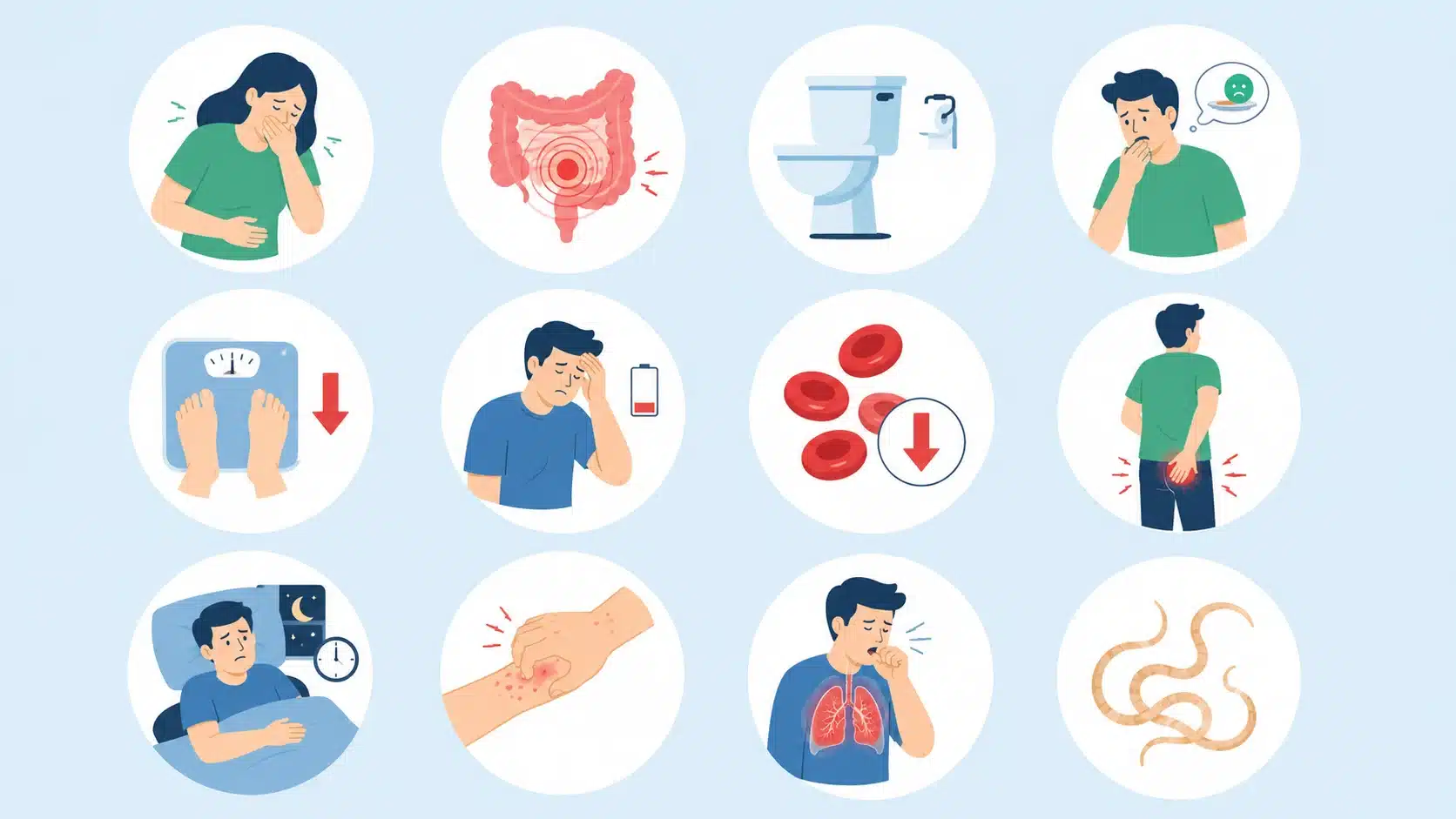
Symptoms of intestinal worm infections in adults often overlap with common digestive issues like infections or food intolerance.
Many of these overlapping signs of a disrupted gut make it easy to dismiss a parasitic infection as something milder. The CDC notes that some infections may cause no symptoms, while others become noticeable only when the infection is more severe.
The American Academy of Family Physicians also emphasizes that persistent digestive symptoms, especially ongoing diarrhea, should be evaluated rather than assumed.
- Nausea and Abdominal Discomfort: Nausea, cramping, or stomach pain may occur when worms irritate the intestinal lining. These symptoms are more meaningful when combined with changes in appetite or exposure risks.
- Digestive Changes (Diarrhea or Loose Stools): Diarrhea lasting more than a few days, especially after travel or exposure to unsafe food, may indicate an infection, though many other conditions can cause similar symptoms.
- Loss of Appetite and Unexplained Weight Loss: Worms can interfere with digestion and nutrient absorption, leading to reduced appetite and gradual weight loss, especially when symptoms persist.
- Fatigue and Iron-Deficiency Anemia: Some parasites, such as hookworms, can cause slow blood loss, leading to anemia. This often results in tiredness, dizziness, and general weakness.
- Anal Itching (Especially at Night): Nighttime itching around the anus is a classic sign of pinworm infection and can disrupt sleep while also spreading within households.
- Skin Changes or Rash: Certain worm infections may cause skin irritation when larvae enter through the skin, often appearing as rashes or localized itching.
- Cough or Respiratory Symptoms With Gut Issues: Some parasites pass through the lungs during their life cycle, which may lead to coughing or mild respiratory symptoms alongside digestive issues.
- Visible Worms or Segments in Stool: Seeing worms or worm-like material in stool is a clear warning sign that requires medical testing for proper diagnosis and treatment.
Symptoms alone cannot confirm a worm infection, as many digestive conditions can look similar. If symptoms persist, worsen, or occur alongside risk factors such as travel, contaminated food or water, or unexplained fatigue, seeking proper medical testing is the most reliable next step.
How Do Doctors Test for Parasites?
Testing is straightforward in most cases and does not require complex procedures for initial screening.
| Test | What It Looks For | When Used |
| Stool ova and parasite exam | Intestinal parasites, eggs, and cysts | The most common first test |
| Multiple stool samples | Intermittent shedding that one sample may miss | Increases detection accuracy |
| Blood test | Antibodies or elevated eosinophils | Certain parasites and tissue infections |
| Tape test | Pinworm eggs around the anal area | Children and adults with nighttime itching |
| Imaging such as ultrasound | Organ involvement in rare or severe cases | When complications are suspected |
Most labs do not require fasting before a standard stool test, though it is always worth confirming instructions directly with the testing laboratory before the appointment.
A confirmed diagnosis leads directly to a treatment plan built around the specific parasite identified.
What Are the Proven Treatment Options for Parasites?
Treatment depends on the specific parasite found through testing. There is no single medication or home remedy that treats every infection, which is why diagnosis matters before treatment begins. Once the parasite is identified, a healthcare provider can choose the right option.
- Antiparasitic medications: These medicines are commonly used to treat helminth worms. Examples include albendazole and mebendazole, depending on the parasite type and medical history.
- Antiprotozoal medication: Protozoan infections, such as Giardia, often need different drugs. Examples include metronidazole or tinidazole, prescribed after a confirmed diagnosis.
- Supportive hydration: Diarrhea can cause fluid loss, weakness, and dehydration. Water and oral electrolyte solutions help replace fluids while the infection is being treated.
- Nutritional support: Some infections can contribute to anemia, low iron, or weakness. A clinician may recommend iron, vitamins, or dietary support after testing.
- Follow-up testing: Some infections need repeat stool testing to confirm that treatment worked, especially if symptoms continue or reinfection is possible.
These treatments work best when they follow a confirmed diagnosis. Before discussing fasting or cleanses, it helps to separate proven medical care from approaches that may sound promising online but lack strong clinical support.
When Should You See a Doctor About Possible Parasites?

Some symptoms warrant medical attention immediately rather than waiting to see if a dietary change helps.
- Blood in stool: This is a red flag regardless of suspected cause and requires same-day or urgent evaluation.
- Persistent diarrhea lasting more than two weeks: Ongoing diarrhea causes dehydration and nutrient loss that compounds the effects of an active infection.
- Severe or unexplained weight loss: Rapid weight loss without intentional changes in diet or activity is a clinical warning sign across multiple conditions, including parasitic infections.
- Signs of dehydration: Dizziness, reduced urination, dry mouth, and confusion following prolonged diarrhea or vomiting require immediate care.
- Recent international travel with new symptoms: Any digestive symptoms that begin within weeks of returning from travel to a region with limited sanitation should be tested promptly.
- Visible worms or segments in stool: This is a direct indicator of infection and does not require waiting for symptoms to worsen before seeking care.
These signs are not meant to cause panic, but they do deserve action. If one shows up, testing is safer than guessing. A doctor can identify the cause, choose the right treatment, and help prevent symptoms from getting worse.
Frequently Asked Questions
Can diet changes alone reduce parasite symptoms?
Diet changes may reduce digestive discomfort associated with a parasitic infection, but they cannot eliminate the parasite itself.
An anti-inflammatory, low-sugar diet can support immune function as a complementary measure. It should always accompany, never replace, a confirmed diagnosis and prescribed antiparasitic medication from a healthcare provider.
How long does antiparasitic medication usually take to work?
Most antiparasitic medications begin working within days, with full treatment courses typically lasting three to seven days depending on the parasite type and medication prescribed.
Some infections require a second course. A follow-up stool test is often recommended to confirm the infection has cleared before treatment is considered complete.
Is it possible to have parasites without any digestive symptoms?
Yes. Some parasitic infections produce few or no digestive symptoms, particularly in early stages or in people with strong immune responses. Fatigue, anemia, skin reactions, or unexplained weight changes may be the only signs. This is another reason why testing is essential rather than relying on symptom patterns alone.
Can you get reinfected after successful treatment?
Reinfection is possible if the original source of exposure is not identified and addressed. Returning to contaminated water, food, or poor hygiene after treatment can lead to a recurrent infection. Handwashing, safe food preparation, and access to clean water are the primary prevention tools after recovery.
What does a positive parasite test result mean for household contacts?
Depending on the type of parasite, healthcare providers may recommend testing or treating household contacts as well. Pinworm infections, in particular, spread easily within households and often require simultaneous treatment of all household members to prevent reinfection cycles. A doctor will advise on whether contacts need evaluation.
Final Thoughts
Parasitic infections are more common than many people realize, and symptoms can easily be mistaken for other digestive or health issues. That is why testing should come before assumptions, cleanses, or self-treatment.
Does fasting kill parasites? The current scientific evidence says no. Fasting is not a proven treatment and cannot replace proper diagnosis or prescription medication when a parasitic infection is present.
If these symptoms sound familiar, the most practical next step is to speak with a healthcare provider and get tested. Early diagnosis makes treatment simpler, safer, and far more effective.