













| Medical Disclaimer: This article is for informational purposes only and does not constitute medical advice, diagnosis, or treatment. The information provided is not a substitute for professional medical consultation. If you have a medical condition, are pregnant, or are taking medications, consult your healthcare provider before making any dietary or supplement changes. Individual results vary. |
Dark circles do not always mean you skipped sleep. My dermatologist told me that years ago, and it completely changed how I approached the problem.
I had been stacking cucumbers on my eyes every morning and getting nowhere, because I was treating the wrong type. Once I matched the remedy to the actual cause, I finally started seeing a difference.
This guide covers what causes dark circles, how to identify your type, and which home remedies for dark circles genuinely work based on what is actually going on under your skin. No harsh ingredients, no inflated promises.
Why Identifying Your Type of Dark Circle Matters
The under-eye area is one of the thinnest, most reactive parts of the face. What looks like one problem is actually four different ones, and mixing them up is the reason most remedies fail.
Pigmentation-based dark circles look brown or tan and are typically linked to sun exposure, genetics, or repeated rubbing. Vascular dark circles appear blue or purple and occur when thin skin makes underlying blood vessels visible.
Puffy dark circles come with swelling caused by fluid retention, allergies, or high salt intake. Shadow-type dark circles are not pigmented at all, they are hollow grooves created by fat loss or aging that catch light and create a shadow effect.
| Type | Appearance | Common Causes | Best Approach |
| Brown / Pigmented | Brown or tan discoloration | Sun exposure, genetics, rubbing | Sunscreen, brightening care, aloe vera |
| Blue / Purple | Bluish or purple tint | Thin skin, poor sleep, visible blood vessels | Cold compress, tea bags, better sleep |
| Puffy | Swollen, dark-shadowed | Fluid retention, allergies, salt intake | Cold compress, head elevation, allergy care |
| Shadow / Hollow | Deep groove below the eye | Aging, fat loss, and bone structure | Hydration, sleep quality, and dermatologist consult |
This is why advice on how to get rid of dark circles can feel so inconsistent. A cold compress may help blue or puffy circles, but it will not do much for brown pigmentation or hollow shadows.
What Triggers Dark Circles Under the Eyes
Understanding the triggers helps you choose the right response and stop wasting time on care that does not address your root cause.
- Poor Sleep and Circulation: Lack of the 7 to 9 hours of sleep recommended by the Centers for Disease Control and Prevention slows circulation, causing blood to pool under thin under-eye skin and shadows to deepen. This primarily affects vascular dark circles.
- Dehydration and Skin Volume: Insufficient water intake makes the under-eye skin lose volume, creating a sunken, shadowed appearance that reads as fatigue. Even mild dehydration throughout the day shows up in this area faster than anywhere else on the face. The type of water you drink matters too, spring water mineral content affects how well your body actually absorbs and retains it.
- Allergies and Nasal Congestion: Seasonal allergies and nasal congestion cause blood pooling, dilated vessels, and a bluish tint under the eyes. Rubbing from itchiness makes pigmentation worse over time. This is one of the most overlooked triggers, especially in adults with year-round allergies.
- Genetics, Aging, and Collagen Loss: Thin under-eye skin or deeper orbital bone structure, combined with age-related collagen loss, creates persistent shadows that lifestyle changes alone can only partially address. Genetic dark circles often appear before age 25 and tend to run in families.
- Sun Exposure and Melanin: UV rays increase melanin production in the under-eye skin, deepening brown pigmentation over time. This is the one trigger where sunscreen is not optional. A broad-spectrum SPF 30 or higher applied daily near the orbital area is the single most effective long-term step for brown circles.
Effective Home Remedies for Dark Circles
Each remedy below is matched to the types it actually helps. Start with the ones that fit your specific circle type rather than applying everything at once.
1. Cold Compress
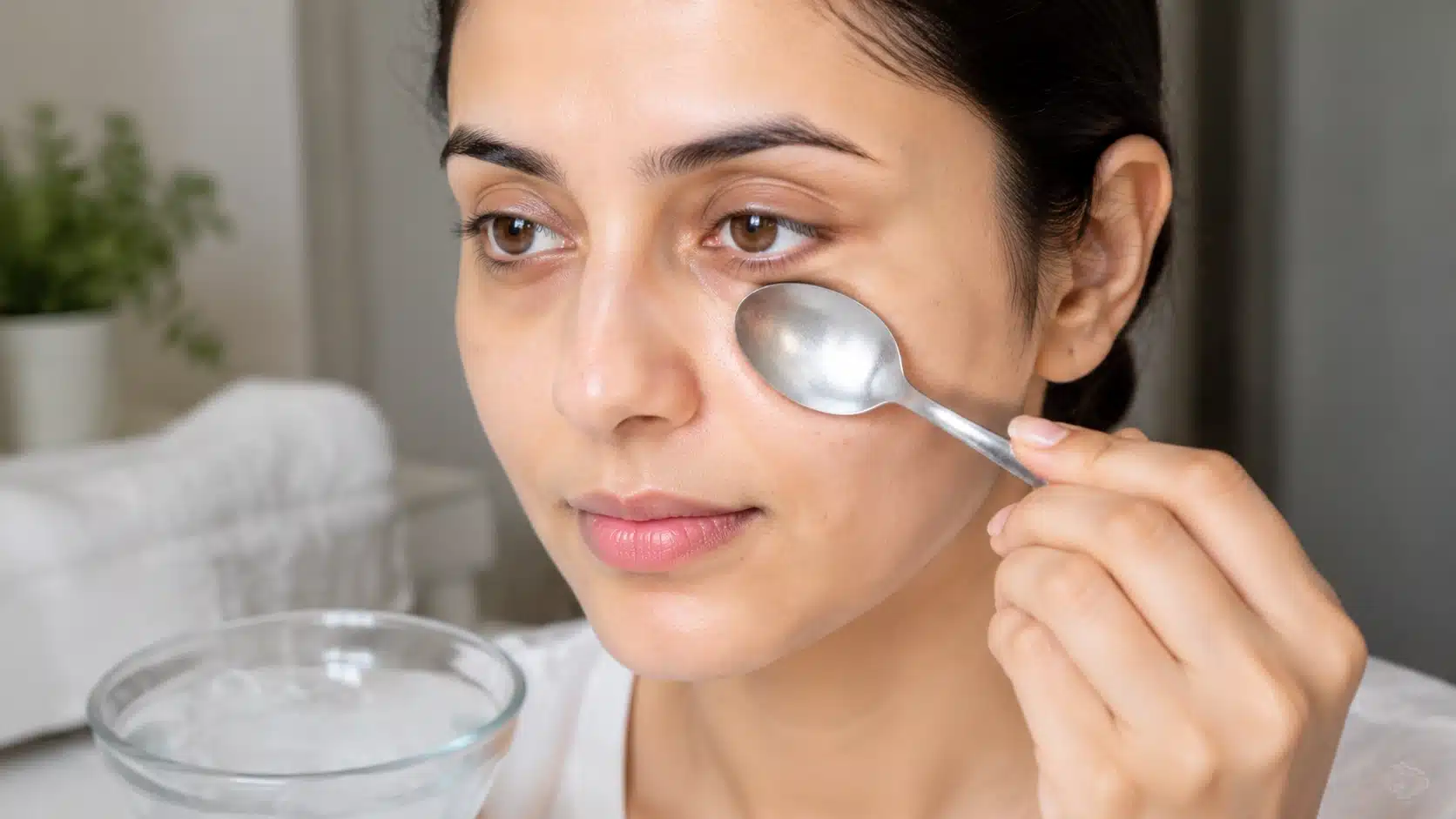
A cold compress is the fastest-acting home remedy for dark circles that appear blue or purple, and for morning puffiness. Cold causes blood vessels to constrict temporarily, reducing the visibility of vascular discoloration and calming swelling within minutes.
Wrap a few ice cubes in a soft cloth, or use the back of a chilled metal spoon. Hold it gently under each eye for 5 to 10 minutes. Never place ice directly on bare skin. The effect is temporary, making this most useful as a morning habit or pre-event treatment rather than a standalone long-term solution.
| Practical Tip: Keep two metal spoons in the fridge overnight. Press them under your eyes for 5 minutes each morning. No mess, no melting ice, and the cooling lasts long enough to make a visible difference before you start your day. |
2. Cooled Tea Bags
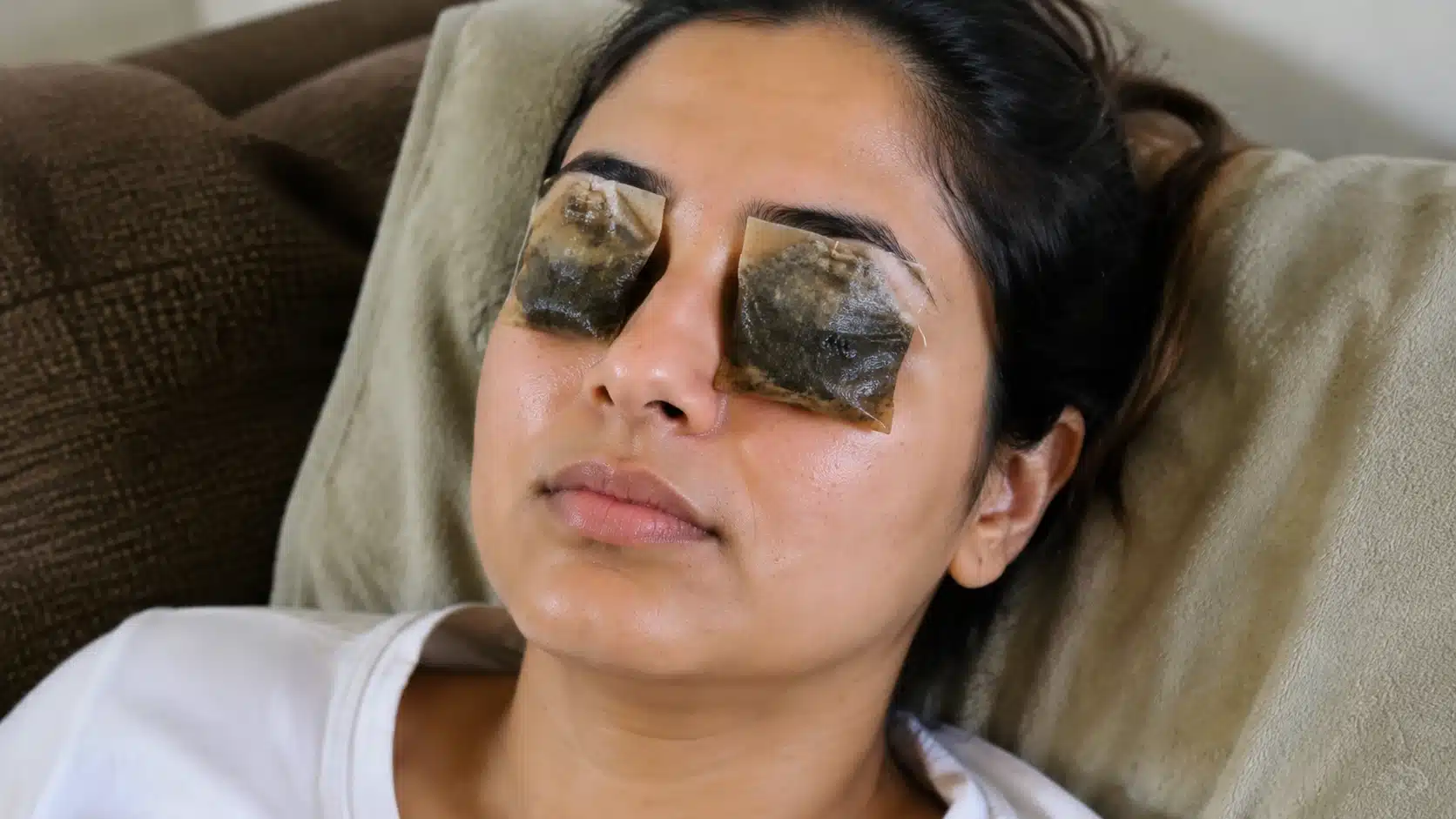
Green and black tea contain caffeine and polyphenols that temporarily reduce puffiness and tighten the look of tired under-eye skin. Caffeine constricts blood vessels; polyphenols reduce localized inflammation.
Steep two tea bags, let them cool completely in the fridge, then rest them over closed eyes for 10 to 15 minutes. Rinse gently and keep the tea away from the eye itself.
This works best for puffy, vascular circles after poor sleep. It does not address brown pigmentation, so if your circles are tan-brown, this remedy will not move the needle for you.
3. Cucumber Slices
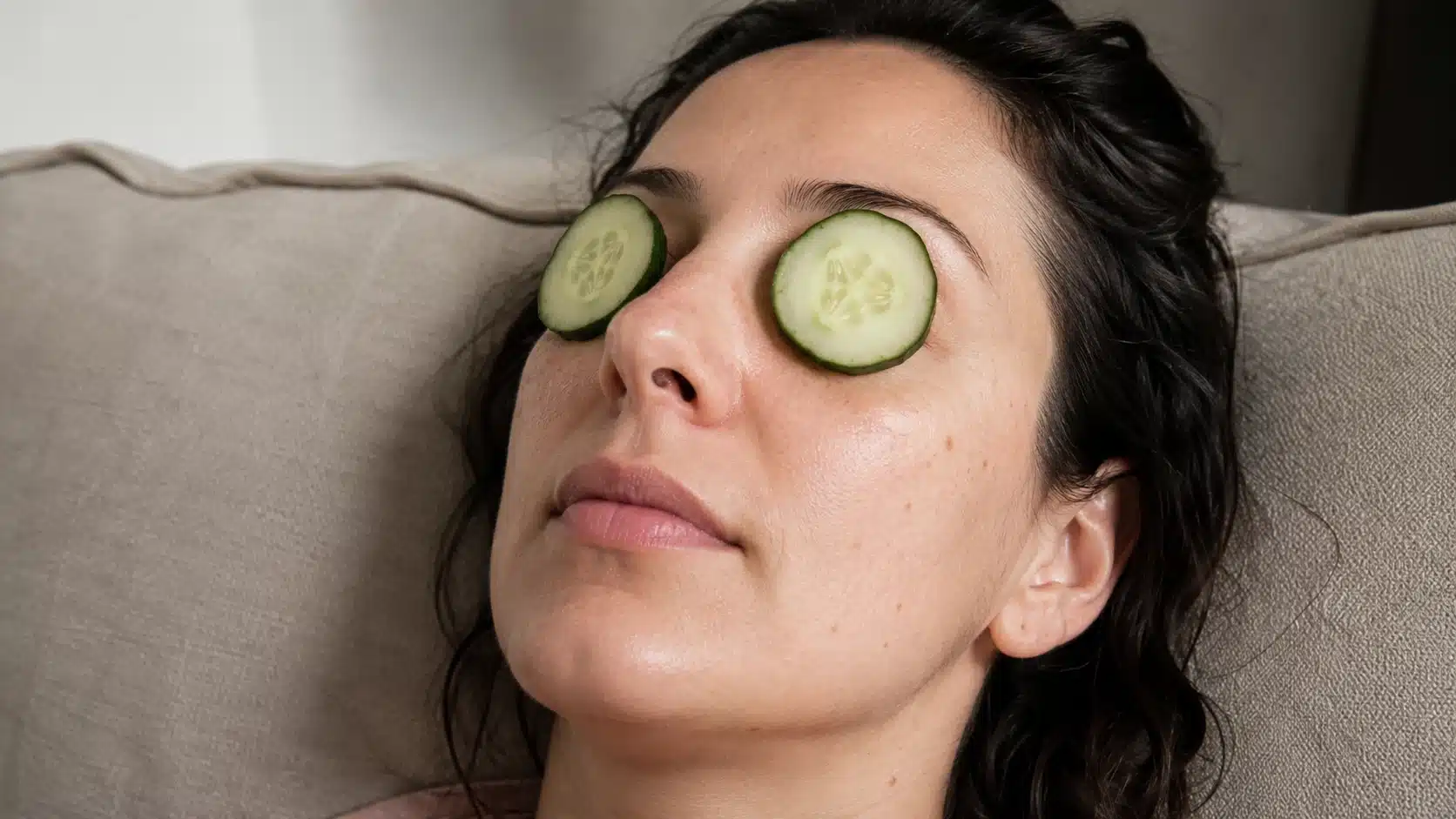
A cucumber has a high water content and stays cool when refrigerated. Chilled slices placed over closed eyes for 10 minutes soothe tired, mildly puffy eyes through their cooling effect more than any active ingredient. Pat the area dry gently afterward.
Cucumber works best when circles look dull or mildly swollen rather than deeply pigmented or structurally hollow. The brightening claims you see elsewhere are more modest in practice, but the soothing and cooling benefit is real and gentle enough for daily use.
4. Aloe Vera Gel
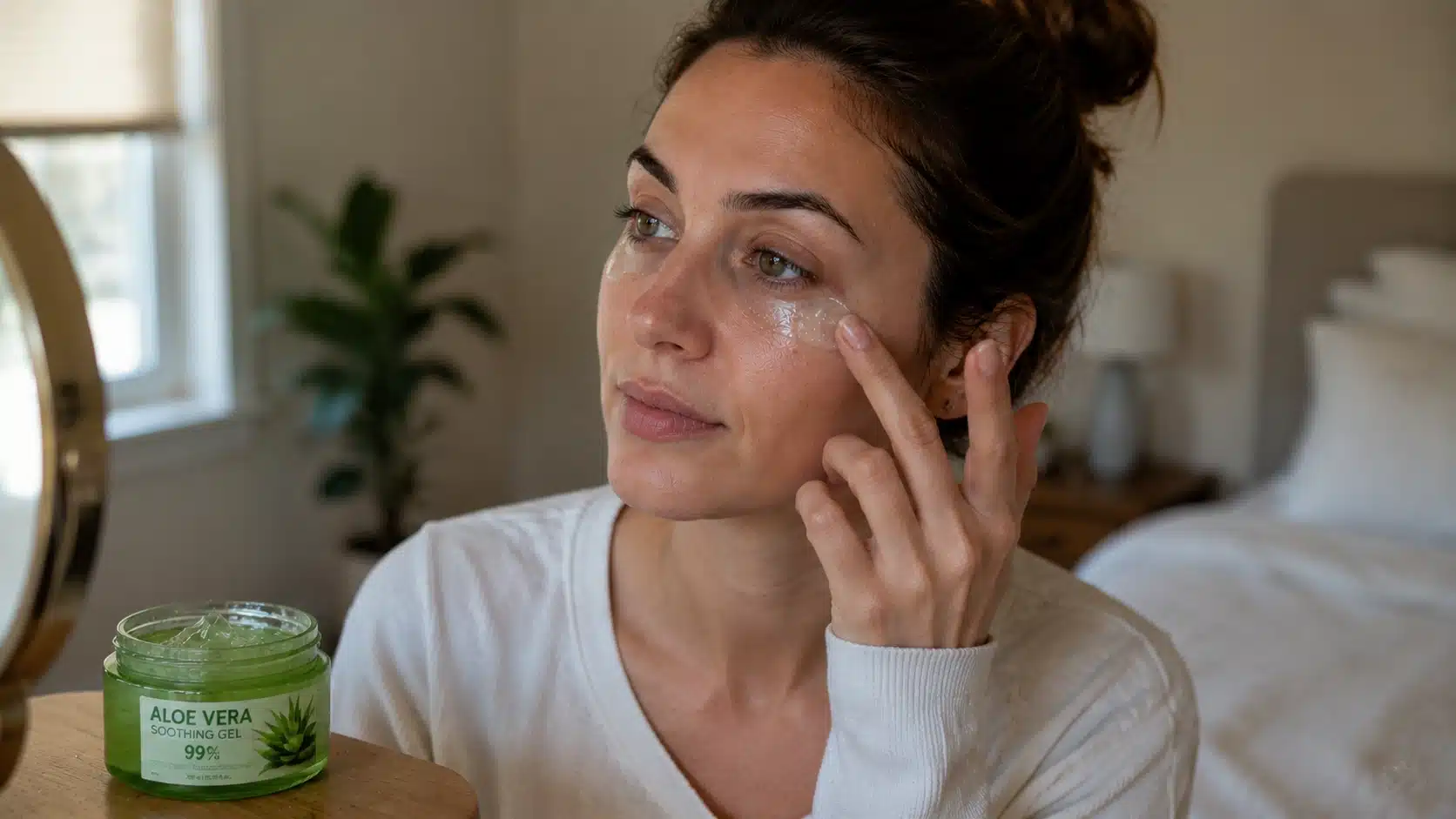
Pure aloe vera gel is one of the better-tolerated under-eye moisturizers and my first recommendation for brown or pigmentation-based circles.
Hydrated skin looks plumper and reflects light more evenly, which directly reduces the dull, creased look that makes dark circles more visible. Apply a very small amount under the eyes using a clean fingertip, keep it away from the lash line, leave for 10 minutes, then rinse.
Use three to four times a week rather than daily, and patch test first on sensitive skin.
| Safety Note: Not all aloe vera gels perform equally. Look for products listing aloe vera as the first ingredient with minimal added fragrance. Heavily processed gels with artificial color may irritate the under-eye area more than they help. |
5. Potato Juice
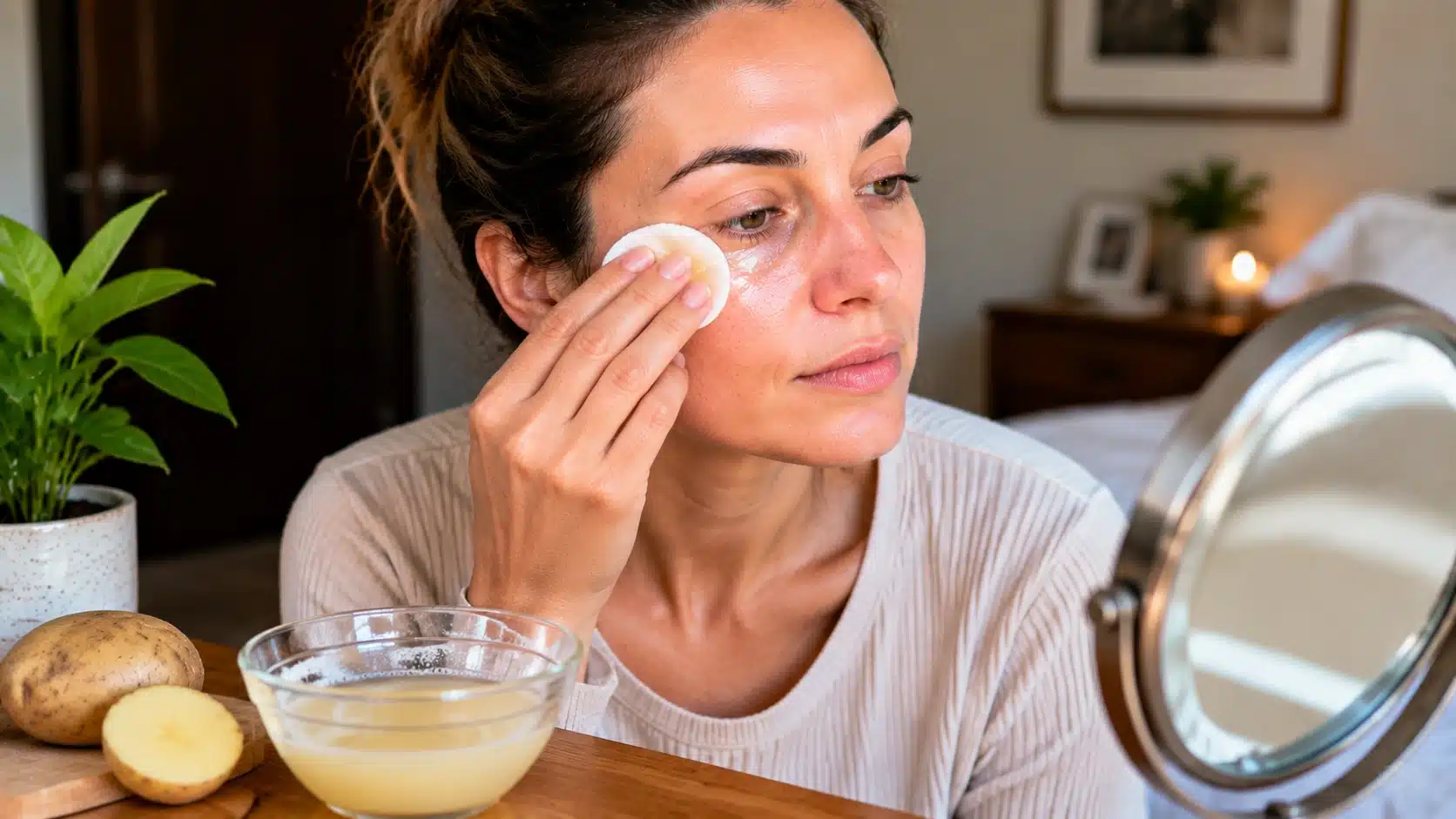
Potato juice contains catecholase, an enzyme with mild skin-lightening properties, and has been used in traditional skin care for generations. Grate a clean, peeled potato, squeeze the juice through a cloth, soak two cotton pads, and place them under the eyes for 10 minutes. Rinse thoroughly afterward.
The brightening effect is mild and gradual, not dramatic, and works best for light brown pigmentation rather than deep discoloration or vascular circles. Skip this remedy if the juice stings or if your skin is reactive, and keep it away from the eyes entirely.
6. Rose Water
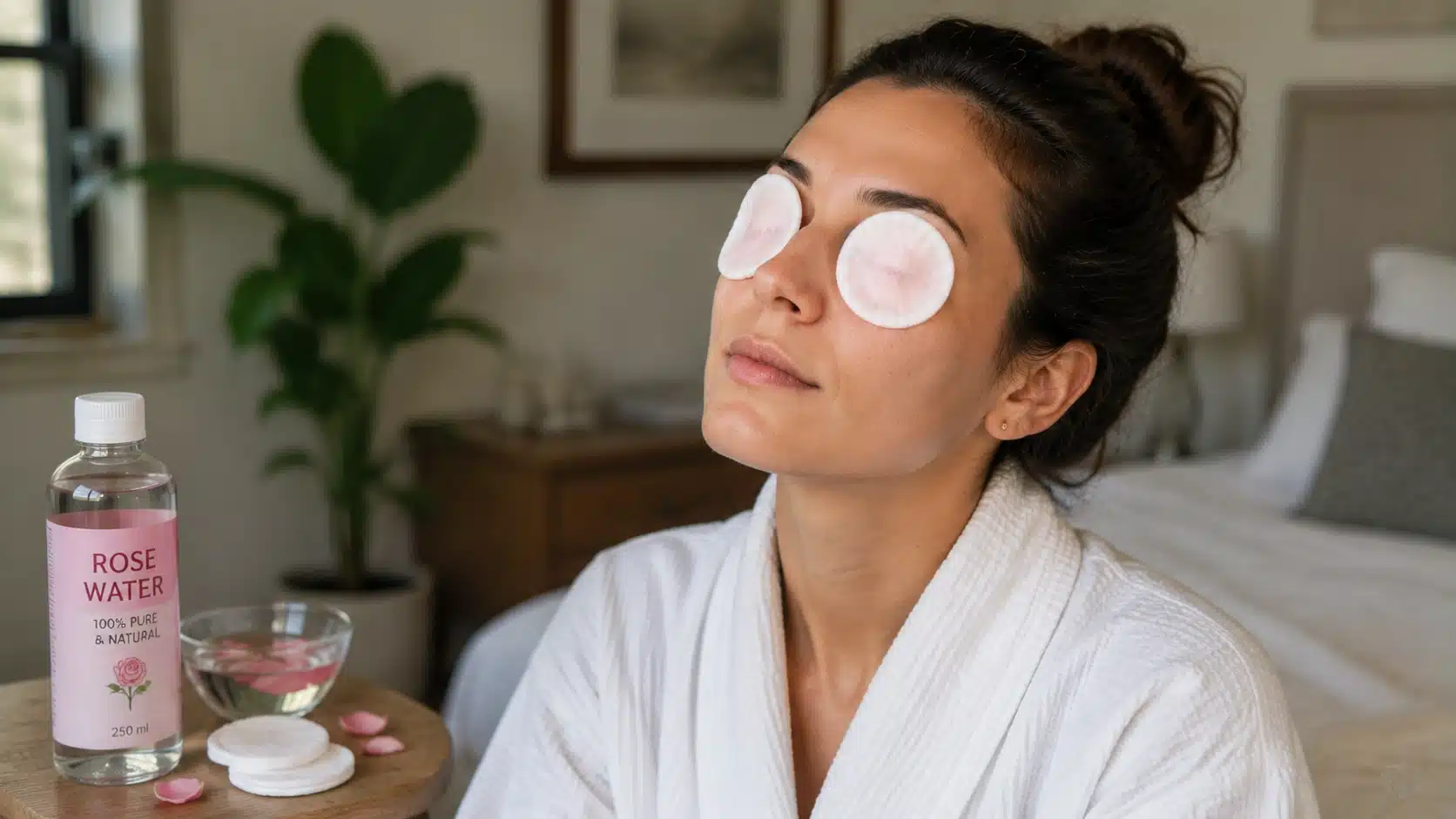
Chilled rose water on cotton pads calms and refreshes tired-looking under-eye skin. The cooling effect temporarily reduces the appearance of puffiness, and rose water is generally well tolerated on sensitive skin as long as it is free of added alcohol and synthetic fragrance.
Soak two cotton pads in plain, chilled rose water and place them over closed eyes for 10 minutes, three to four times a week. I use it as part of a wind-down routine before bed, often paired with candle meditation to help the nervous system settle before sleep.
7. Almond Oil and Vitamin E
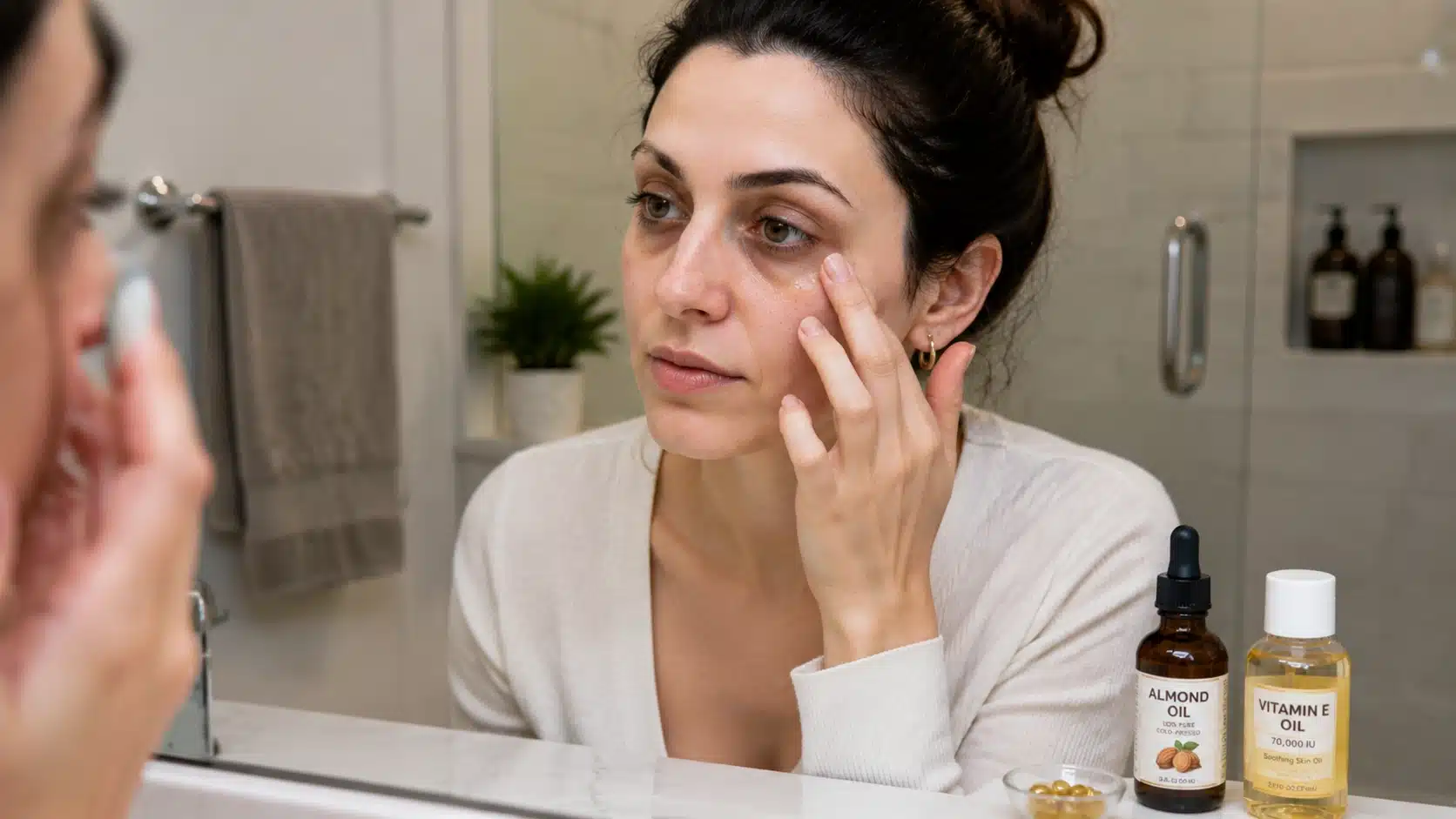
A small amount of sweet almond oil used as a nightly moisturizer under the eyes reduces the dry, creased appearance that makes dark circles look worse.
Dryness causes under-eye skin to crease and cast shadows more easily. A tiny amount, tapped in gently with the ring finger and kept away from the lash line, is enough.
Vitamin E oil mixed with almond oil may offer additional moisturizing support. Wash it off in the morning if your skin is prone to milia or clogged pores.
| Important: Oils under the eyes are not suitable for everyone. If you notice small white bumps (milia), watery eyes, or irritation within the first week, stop immediately. Oils suit dry under-eye skin but can cause problems for oily or combination skin types. |
8. Gentle Lymphatic Tapping Massage

Fluid tends to pool under the eyes overnight, especially after sleeping flat or eating a salty meal.
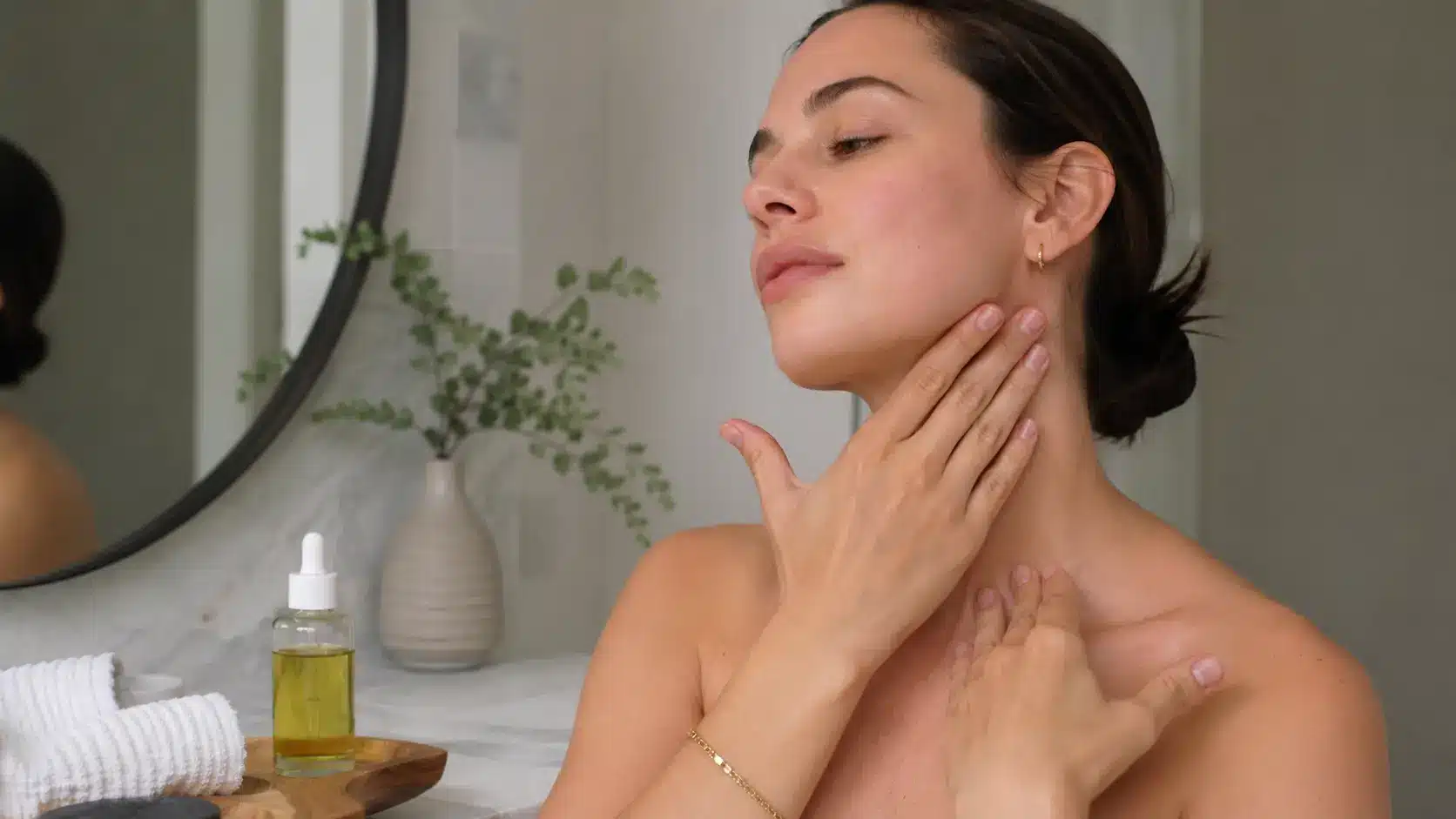
A light tapping massage with the ring finger, moving from the inner corner of the eye toward the outer corner, helps move that fluid along the lymphatic drainage pathway. This is the technique I have used every morning for years, and the difference in morning puffiness is consistent.
Tap for 30 to 60 seconds each morning. Never drag or pull the skin. Skip this entirely if the area is inflamed, swollen, or painful, as massage can worsen active irritation.
9. Sleep Position and Quality

Keeping your head slightly raised while sleeping reduces fluid pooling under the eyes overnight. An extra pillow makes a visible difference for consistent morning puffiness. Beyond elevation, sleep quality matters as much as quantity.
Screens before bed delay melatonin production and reduce deep sleep, which is when the body does most of its cellular repair. A consistent 7 to 9-hour sleep window is the most important long-term lifestyle habit for vascular dark circles.
10. Hydration, Nutrition, and Daily Sunscreen

Drinking enough water, eating iron-rich foods, and getting adequate vitamin C all support the appearance of under-eye skin over time. Iron deficiency can make the skin appear pale and washed out, deepening the contrast of the under-eye area.
Foods like citrus fruits, amla, bell peppers, and berries provide vitamin C that supports collagen production. Cutting back on salty foods in the evening reduces morning puffiness.
Daily sunscreen application near the orbital area is the single most important step for brown or pigmentation-based dark circles. Do not take iron or vitamin supplements without medical guidance.
What Not to Put Under Your Eyes
The under-eye skin is very delicate and reacts quickly to harsh substances. Some popular home suggestions actively cause damage:
1. Lemon Juice, Baking Soda, and Toothpaste
All three can cause severe irritation, chemical burns, or post-inflammatory hyperpigmentation on the thin under-eye skin. Lemon juice in particular is acidic enough to cause lasting pigment changes in this area. Skip these entirely.
2. Undiluted Essential Oils
Strong oils applied directly to under-eye skin can cause contact dermatitis, redness, and stinging. Lemongrass essential oil, for example, is well regarded for many uses but far too potent for undiluted application near the eye. Any essential oil in this area needs significant dilution and dermatologist guidance.
3. Harsh Scrubs and DIY Bleaching Pastes
Mechanical exfoliation damages thin skin and worsens inflammation. DIY bleaching pastes risk unpredictable reactions on skin that is already reactive. Neither approach is appropriate for under-eye care.
4. Retinol in Unsuitable Formulations
Retinol can benefit under-eye skin, but only in formulations specifically designed for this area. Standard facial or body retinol products are often too strong and can cause stinging or disrupt the skin barrier. If you want retinol for dark circles, have a dermatologist guide the selection.
A Simple Daily Routine to Follow at Home
Consistency matters more than intensity for dark circles. Here is a realistic week-by-week structure that does not require every remedy at once:
| Time | Actions | Notes |
| Morning (Daily) | Wash face, apply a cold compress or a chilled spoon, do a 60-second lymphatic tap massage, apply a light moisturizer, apply sunscreen around the orbital area, wear sunglasses outdoors. | Reduces puffiness, refreshes under-eye skin, and protects from UV-driven pigmentation. |
| Evening (Daily) | Remove makeup gently, apply aloe vera gel or moisturizer, tap on almond oil if your skin tolerates it, maintain a consistent bedtime, use an extra pillow if you have morning puffiness. | Supports hydration, skin repair overnight, and reduces fluid pooling. |
| 2 to 3 Times Per Week | Place cooled tea bags or cucumber slices on the eyes for 10 to 15 minutes. | Refreshes and soothes puffy or tired under-eye skin. |
| 2 to 3 Times Per Week | Apply chilled rose water pads for 10 minutes — especially useful as a pre-bed wind-down. | Calms irritation and maintains gentle hydration. |
| 2 to 3 Times Per Week | Try potato juice cotton pads only if your skin is non-reactive. | Mild brightening effect for light brown pigmentation. Not for sensitive skin. |
| Always | Avoid rubbing the under-eye area. Stay hydrated. Manage allergies actively. Protect from the sun daily. | Prevents the most common drivers of worsening dark circles. |
This routine takes under 10 minutes daily. The remedies that require a little more time — tea bags, cucumber, potato juice — slot in naturally during a rest period or wind-down moment rather than demanding a separate block of your day.
When Home Remedies are Not Enough
Home remedies for dark circles work well when the cause is lifestyle-related, mildly pigmentation-based, or puffiness-driven. They have clear limits when the cause is structural, medical, or worsening despite consistent care.
See a dermatologist or doctor if dark circles appear suddenly, if only one eye is affected, or if there is pain, swelling, or discharge alongside the discoloration. Persistent darkening despite 4 to 6 weeks of consistent home care may indicate an underlying issue, such as anemia or a nutritional deficiency, that warrants investigation with a blood panel.
Sudden unilateral changes in the under-eye area can sometimes indicate conditions unrelated to skin care and warrant proper evaluation. When home care stops improving things, a dermatologist can offer prescription creams, chemical peels, or in-office procedures that go further than any kitchen-cabinet solution can.
Frequently Asked Questions
Can dark circles go away on their own without any treatment?
They can improve on their own if the cause is temporary, such as a few nights of poor sleep, travel fatigue, or short-term dehydration. Once those factors resolve, the under-eye area often recovers. Dark circles linked to genetics, aging, or chronic conditions tend to persist without consistent care or professional treatment.
How long do home remedies take to work on dark circles?
Most home remedies show gradual improvement over 2 to 4 weeks of consistent daily use. Cold compresses and tea bags work within minutes but only for temporary puffiness reduction. Aloe vera, potato juice, and almond oil for pigmentation take longer — expect at least a month of regular use before assessing results.
Does crying make dark circles worse?
Temporarily, yes. Crying causes fluid to accumulate around the eyes, increasing puffiness and making the under-eye area look swollen and darker. A cold compress applied afterward helps reduce the swelling. The effect typically fades within a few hours.
Is coconut oil safe to use under the eyes for dark circles?
Coconut oil is generally safe for dry under-eye skin in very small amounts, but it is comedogenic for some people — meaning it can clog pores or cause milia in the under-eye area. It suits extremely dry skin types and is less appropriate for oily or combination skin. If you use it, apply minimally and wash it off in the morning.
Does screen time make dark circles look worse?
Yes. Extended screen time disrupts sleep quality by delaying melatonin release, and poor sleep makes vascular dark circles more visible. Eye strain also increases rubbing, which worsens pigmentation over time. Reducing screen use in the hour before bed and using night mode settings are practical steps that help.
At what age do dark circles become a permanent concern?
There is no fixed age, but changes in under-eye skin become more noticeable from the mid-thirties onward as collagen production slows and fat pads shift. Genetic dark circles can appear as early as childhood. Earlier intervention with daily sunscreen and hydration slows the progression of pigmentation-based and aging-related discoloration.
What is the most effective home remedy for dark circles under the eyes?
There is no single most effective remedy because the right one depends on your type. For blue-purple vascular circles, cold compresses and cooled tea bags are the most effective. For brown pigmentation-based circles, daily sunscreen and consistent aloe vera application deliver the most lasting results. For puffiness, the combination of head elevation during sleep and morning lymphatic tapping is the most reliable long-term approach.
Final Verdict
Most mild dark circles respond well to consistent, low-effort home habits, especially when those habits are matched to the right cause. Cold compresses and cooled tea bags are the best starting point for puffy or blue-tinted circles.
Sunscreen and gentle long-term moisturizing care work better for brown pigmentation. Hydration, sleep quality, and allergy management are the backbone habits that support all of the above.
The remedies that work fastest are often the simplest, and the ones that last are built around daily consistency rather than any single treatment. If my under-eye area looks better in the mornings now, it is because the routine stayed small and realistic, not because anything complicated was added.
When home care stops improving things, a dermatologist can offer options, including prescription creams or in-office procedures, that go further than any home remedy can. If this helped you brighten your eyes, then drop a comment below.
| Disclaimer: This article is for informational and educational purposes only. It does not constitute medical advice and should not replace consultation with a qualified healthcare provider. Always consult a doctor before making changes to your diet, supplement routine, or health practices. |
Sources
Centers for Disease Control and Prevention, “How Much Sleep Do I Need?” cdc.gov/sleep
American Academy of Dermatology, “How to Care for Skin Under the Eyes.” aad.org
Healthline, “How to Get Rid of Dark Circles Permanently, Natural and Medical Methods,” Updated April 2025. healthline.com
Cleveland Clinic, “Dark Circles Under Your Eyes, Causes and Treatments,” Updated November 2025. my.clevelandclinic.org