








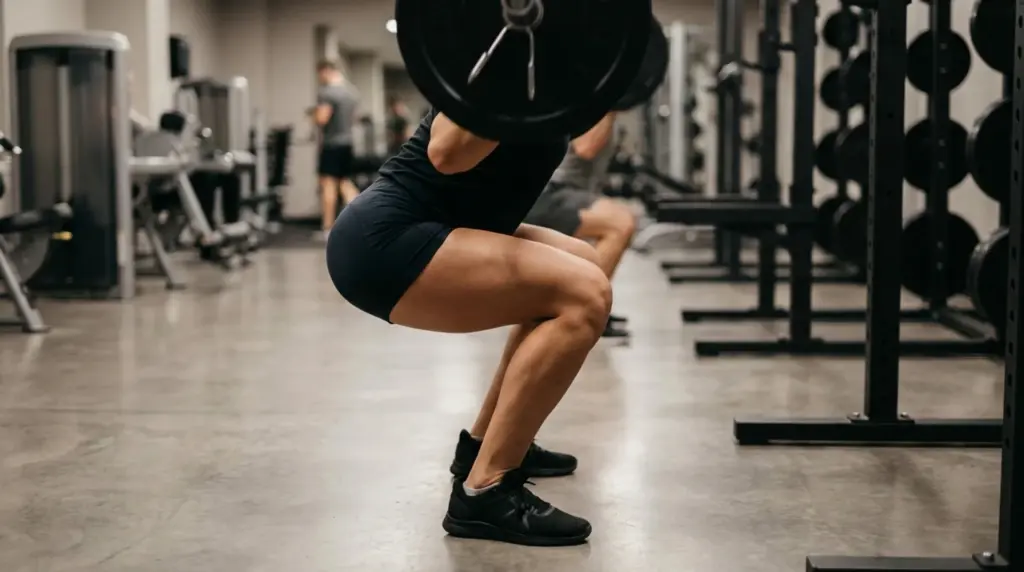

For a long time, I thought I was training my legs well. Turns out I was rushing the one phase that matters most. The lowering phase is where your quads do their hardest work, and most people blow right past it.
Knee discomfort, weak control, and stalled progress almost always trace back to that same gap. Eccentric quad exercises address this by slowing the lowering phase down, which is where your quads are under the most tension.
This builds better control, stronger knees, and more stable movement over time. I’ve seen a clear difference after adding this approach to my own training. If you want stronger legs and better control, start adding the following eccentric quad exercises to your routine today.
What Made Eccentric Quad Training Worth Your Attention
Eccentric quad exercises are movements where the quadriceps work hardest during the controlled lowering phase, when the muscle lengthens under tension rather than shortens. In practical terms, that means the descent of a squat, lunge, or leg extension.
Most people rush this part without realizing it carries the greatest muscle-building stimulus of the entire movement. Slowing it down to three to four seconds keeps the quad under tension longer, increases neuromuscular demand, and elicits greater strength adaptation than the lifting phase alone.
A 2023 systematic review published in PLOS ONE found that eccentric exercise outperforms concentric training in overall muscle strength, with meaningful advantages in both strength output and cardiovascular markers.
This approach builds stronger knee joint stability, reduces injury risk for runners and athletes with repetitive-stress injuries, and supports rehabilitation after knee injuries by progressively and safely loading the joint. It is not about lifting less; it is about controlling more.
Eccentric Quad Exercises: Step-by-Step
These exercises are organized to work across all levels. Each one includes step-by-step instructions, a key form cue, and the most common mistake to avoid.
1. Eccentric Step-Down
A single-leg exercise performed on a low step or box. The standing leg controls the entire lowering phase while the opposite foot slowly descends toward the floor. It directly targets quad strength and knee stability, making it a strong starting point for both rehab and general training.
- Stand on a step with one foot hanging free beside it
- Keep the standing knee aligned directly over the second toe
- Lower the hanging foot slowly toward the floor over four seconds
- Lightly touch the floor without transferring weight onto it
- Return to the starting position and repeat on the same leg
2. Bulgarian Split Squat (Slow Lowering)
A split stance movement with the rear foot elevated on a bench behind the body. The front quad absorbs nearly all the load during the four-second descent. It builds serious unilateral leg strength and challenges hip stability in a way that bilateral squats cannot replicate.
- Place the rear foot on a bench behind you at hip height
- Stand firmly on the front foot with weight through the heel
- Lower your body slowly over four seconds toward the floor
- Stop when the front thigh reaches parallel to the floor
- Drive back up through the front heel to the starting position
3. Eccentric Leg Extension (2 Up, 1 Down)
A machine-based movement that uses both legs to lift and one leg to lower. This technique allows heavier eccentric loading on a single quad than a standard single-leg extension would permit. It is particularly effective for isolating weakness in one leg compared to the other.
- Sit on a leg extension machine with both feet under the pad
- Lift the weight to full extension using both legs together
- Remove one foot and hold the pad with the working leg only
- Lower the weight slowly over four to five seconds with control
- Place both feet back under the pad and repeat the sequence
4. Spanish Squat
A band-assisted squat variation that keeps the shins vertical throughout the entire descent. The resistance band placed behind the knees supports the joint while allowing deep quad loading. It is frequently used in knee rehabilitation programs and for athletes who need direct quad strength work.
- Loop a resistance band around a fixed post at knee height
- Step into the band so it sits behind both knees with tension
- Stand back from the post until the band pulls taut firmly
- Lower slowly over four seconds, keeping both shins perfectly vertical
- Return to standing while maintaining tension in the band throughout
5. Sissy Squat
A bodyweight movement that isolates the quads by allowing the knees to travel far forward over the toes while the hips stay fully extended. This position creates a deep quad stretch at the bottom that few other exercises can produce. It builds quad strength through a long range of motion.
- Stand with feet hip-width apart near a support for light balance
- Keep the hips fully extended throughout the entire movement
- Bend only at the knees, allowing them to travel forward deliberately
- Lower slowly over three to four seconds into the stretched position
- Return to standing by straightening the knees with full control
6. Reverse Nordic Curl
A kneeling exercise where the body leans backward under the control of the quads alone. It produces one of the deepest quad stretches available in bodyweight training and places a significant load on the patellar tendon. Regular practice builds tendon resilience and significantly reduces the risk of overuse injury.
- Kneel on a padded surface with feet anchored under something fixed
- Keep hips fully extended and maintain a straight body line throughout
- Lean backward slowly over four to five seconds with full control
- Go as far back as control allows without the hips breaking position
- Push back to upright using hands on the floor for assistance
7. Single-Leg Box Squat
A controlled single-leg squat that ends with a light touch on a box or bench below. The box sets a consistent depth target on every rep and prevents the common mistake of shortening the range of motion. It builds unilateral quad strength and teaches proper loading patterns under fatigue.
- Stand on one leg directly in front of a low box or bench
- Extend the non-working leg forward and slightly off the floor
- Lower slowly over three to four seconds, sitting back and down
- Lightly tap the box surface without fully relaxing onto it
- Drive back to standing using the single working leg only
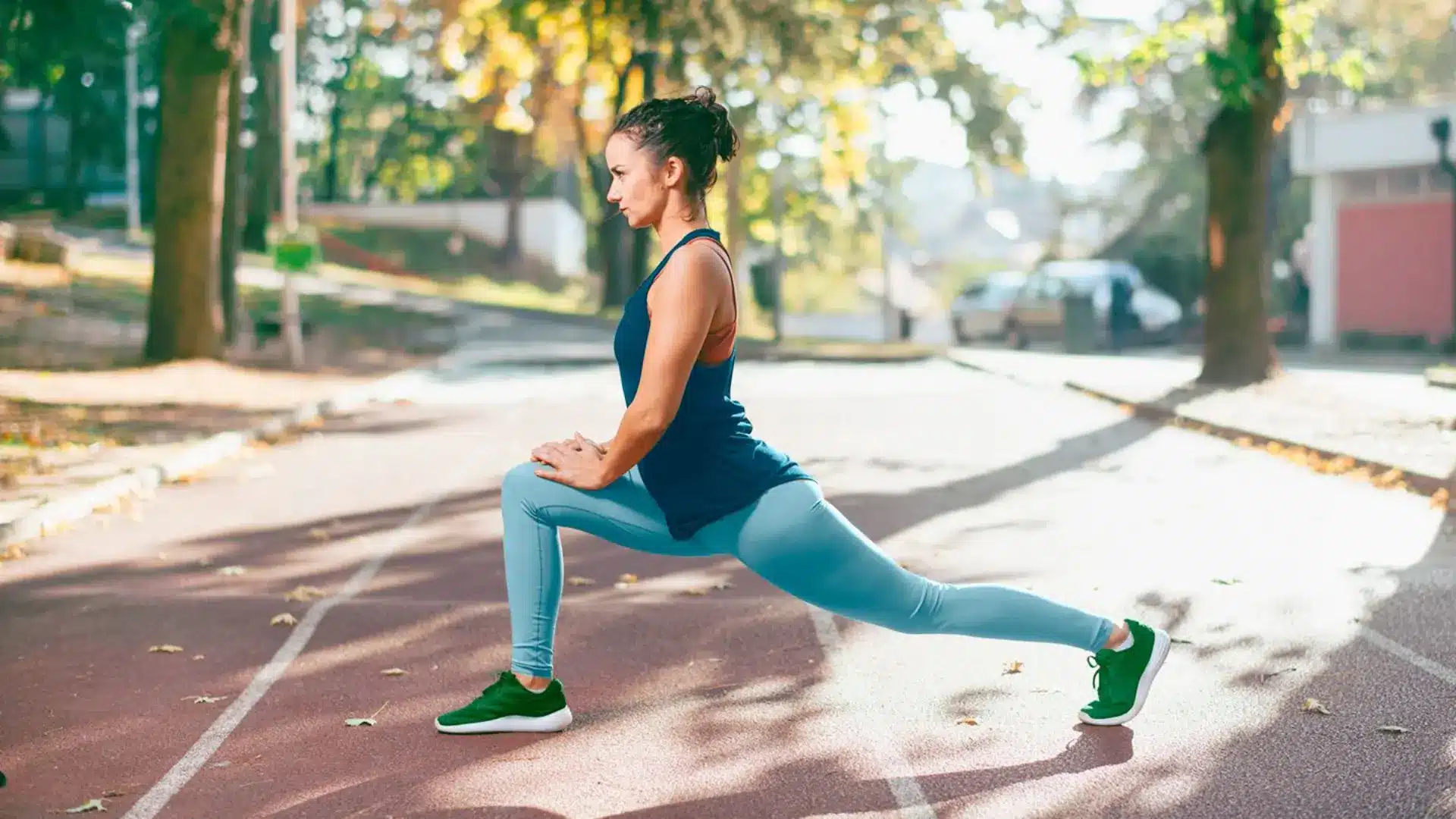
8. Eccentric Forward Lunge
A stepping movement where the quad of the front leg controls the body’s descent after each step lands. The deliberate three-second lowering phase makes this far more demanding than a standard lunge performed at normal speed. It develops both quad strength and dynamic knee control under load.
- Stand tall with feet together and core engaged before stepping
- Step one foot forward and plant it firmly on the floor
- Lower the body slowly over three seconds after the foot lands
- Stop when the back knee is just above the floor surface
- Push back to the starting position using both legs together
9. Eccentric Walking Lunges
A continuous lunge pattern where the lowering phase of each step is deliberately slowed to three or four seconds. The moving nature of the exercise adds a balance and coordination challenge on top of the quad demand. It conditions the quads for the dynamic control required in sport and daily movement.
- Begin standing tall with feet together before taking the first step
- Step forward and plant the foot firmly before beginning to lower
- Lower slowly over three to four seconds after each foot placement
- Pause briefly at the bottom before stepping through to the next rep
- Keep the torso upright and controlled throughout every single step
10. Heel-Elevated Squat
A squat variation where both heels rest on raised plates or a wedge, shifting a greater portion of the load directly onto the quads. The elevation allows more forward knee travel, increases depth, and reduces the demand on the posterior chain throughout the entire lowering phase.
- Place both heels on weight plates or a wedge for elevation
- Stand with feet shoulder-width apart and torso upright before beginning
- Lower slowly over four seconds, keeping the chest tall throughout
- Allow the knees to travel forward over the toes with control
- Drive back to standing through the full foot evenly
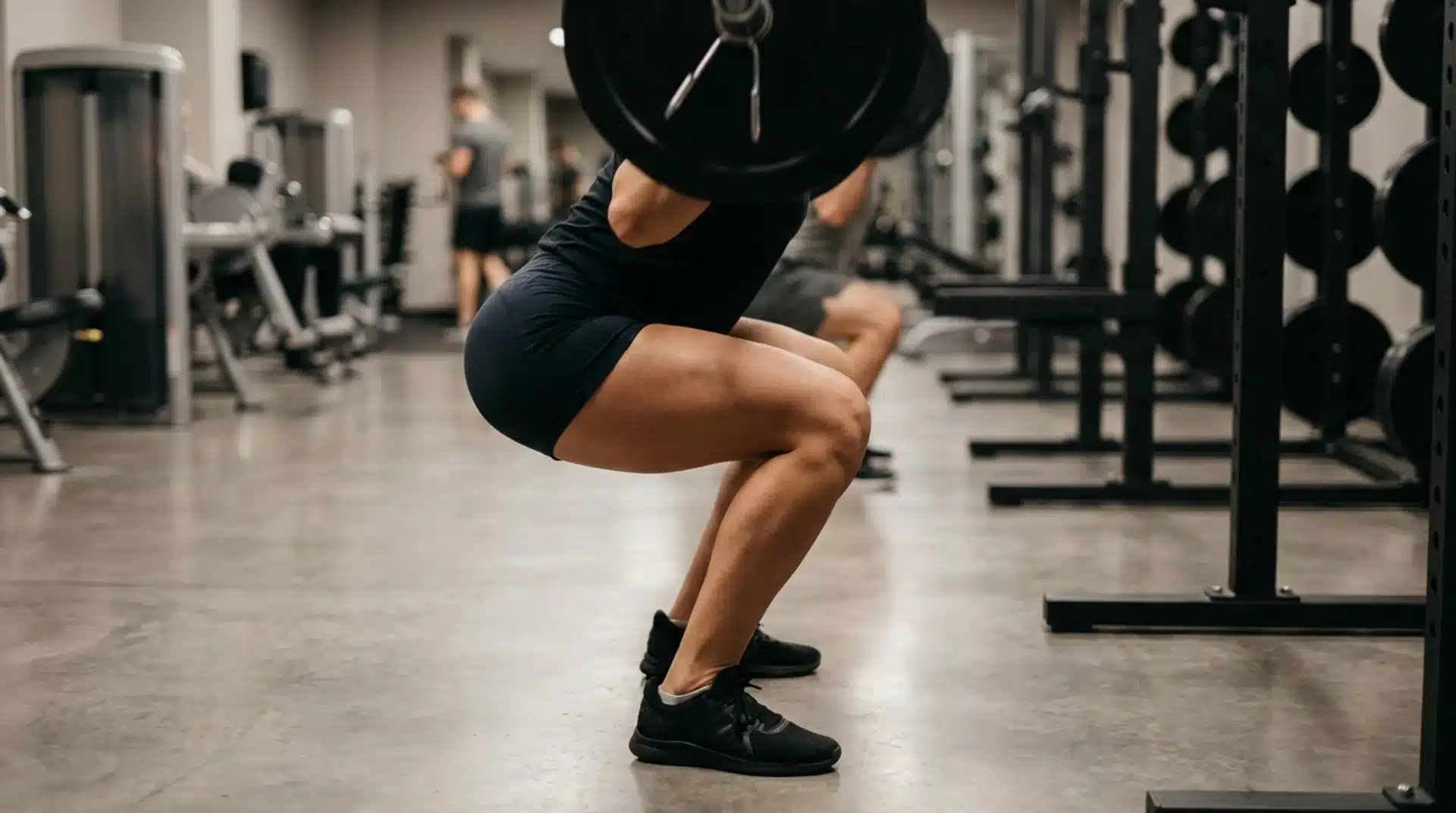
11. Tempo Back Squat
A barbell squat is performed with a strict three- to four-second lowering tempo on every rep. Adding external load to a slow eccentric squat significantly increases the training stimulus for both the quads and the supporting structures around the knee. Tempo discipline is what separates this from a standard squat.
- Set up with the barbell on the upper back and feet shoulder-width apart
- Brace the core firmly before beginning to lower the body down
- Lower slowly over three to four seconds, counting each second deliberately
- Pause briefly at the bottom before initiating the drive upward
- Drive back to standing through both heels with full control
12. Goblet Squat (Eccentric Tempo)
A front-loaded squat where a kettlebell or dumbbell is held at chest height acts as a natural counterbalance. This allows a more upright torso position, which shifts more load onto the quads throughout the descent. It is an accessible entry point for learning eccentric-tempo work before progressing to barbell work.
- Hold a kettlebell or dumbbell at chest height with both hands
- Stand with feet slightly wider than hip-width before beginning
- Lower slowly over four seconds, keeping elbows inside the knees
- Reach the bottom position with thighs parallel to the floor
- Drive back to standing through both heels with full control
13. Decline Squat
A squat performed on a sloped surface with toes lower than heels, which dramatically increases the demand on the quads throughout the movement. The decline angle reduces posterior chain involvement and places the knee in a position that closely mimics the demands of running downhill and descending stairs.
- Stand on a decline board with toes lower than the heels
- Keep the torso upright and core engaged before beginning the descent
- Lower slowly over three to four seconds with weight through the full foot
- Allow the knees to travel forward naturally over the toes
- Drive back to standing, maintaining the same controlled tempo throughout
14. Eccentric Wall Sit (Lowering Focus)
A wall-supported exercise where the slow slide downward into the seated position is the primary training stimulus. Most people only hold a static wall sit, but the controlled lowering phase is where the real quad work happens. Adding this focus makes a familiar exercise significantly more productive.
- Stand with your back fully flat against a smooth wall
- Keep both feet flat on the floor ahead of the body
- Slide slowly downward over four to five seconds with full control
- Stop when both thighs reach a parallel position to the floor
- Hold the position for two to three seconds before sliding back up
15. Step-Back Lunge
A reverse lunge pattern where the front quad controls the descent as the rear foot steps back. Stepping backward rather than forward reduces the impact on the front knee while maintaining a high eccentric demand. It is a strong alternative for people who find forward lunges uncomfortable on the knee joint.
- Stand tall with feet together and weight through both feet evenly
- Step one foot back and place it firmly behind the body
- Lower slowly over three seconds through the front working leg
- Stop when the rear knee is just above the floor surface
- Drive back to standing through the front heel with full control
16. Long Arc Quad (Seated)
A seated isolation exercise using an ankle weight that targets the terminal range of knee extension, the final degrees of straightening, where the quad works hardest. It is widely used in rehabilitation settings and is one of the most direct ways to isolate and specifically strengthen the vastus medialis.
- Sit upright on a bench with an ankle weight securely fastened
- Begin with the knee bent at approximately ninety degrees to start
- Extend the leg fully until the knee is completely straight at the top
- Hold the fully extended position for one full second at the top
- Lower slowly back down over four seconds to the starting position
17. Assisted Single-Leg Squat
A single-leg squat is performed near a support structure used only for balance, not assistance. It bridges the gap between bilateral squats and full unsupported single-leg work by removing the balance demand while keeping the quad loading intact. Progress by gradually reducing reliance on the support.
- Stand on one leg near a wall or sturdy upright support structure
- Hold the support lightly with fingertips for balance only
- Lower slowly over four seconds into a single-leg squat position
- Keep the non-working leg extended forward off the floor throughout
- Use both legs or the support only to return to standing
18. Pistol Squat (Eccentric Only)
A full-range single-leg squat is performed through the lowering phase only, skipping the concentric drive back to standing. This removes the strength requirement of standing back up while still providing the full eccentric stimulus. It is one of the most demanding bodyweight quad exercises available at any level.
- Stand on one leg with the other leg extended forward at hip height
- Lower slowly over four to five seconds into a full single-leg squat
- Keep the extended leg parallel to the floor throughout the descent
- Reach the full bottom position with the working leg deeply bent
- Step onto a surface or use support to return to the standing position
19. Eccentric Hack Squat
A machine-based squat that removes the balance and stability demands of free weight squatting. The fixed movement path allows complete focus on maintaining a strict four-second lowering tempo. It suits lifters who want significant quad loading without the technical demands of a barbell squat pattern.
- Set up on the hack squat machine with feet shoulder-width apart on the platform
- Keep the back flat against the pad before releasing the weight
- Lower the carriage slowly over four seconds with full back contact
- Stop at the bottom before the lower back begins to peel away
- Push back to the starting position using both legs together evenly
20. Leg Press (Single-Leg Eccentric)
A machine-based exercise that combines bilateral pressing with unilateral lowering to increase the eccentric load on each quad individually. The machine supports safe loading at higher weights than bodyweight single-leg work allows. It suits people building toward single-leg squatting or recovering from a lower limb injury.
- Set up on the leg press machine with both feet on the platform
- Press the weight to the starting position using both legs together
- Remove one foot from the platform and hold it off to the side
- Lower the weight slowly over four to five seconds with control
- Place both feet back on the platform before pressing back up
21. Split Squat Hold with Slow Lowering
A stationary split squat with a deliberate two-second pause at the bottom of every rep. The pause removes all stored elastic energy, forcing the quad to generate force from a complete standstill. This makes each rep significantly harder and produces greater strength adaptation than a continuous-tempo split squat.
- Set up in a split stance with one foot forward and one back
- Keep the torso upright and weight through the front foot throughout
- Lower slowly over four seconds until the rear knee nears the floor
- Pause for two full seconds at the bottom before moving again
- Drive back to the starting position through the front heel only
These movements cover every level and setting. Pick two or three that match your current ability, apply the tempo strictly, and build from there with consistency.
How to Perform Eccentric Quad Exercises Correctly
Technique is what makes this training method effective. Follow these consistently, and the results will follow:
- Lowering tempo: Take three to four seconds on every rep. Count it out deliberately every single time.
- Knee alignment: Track the knee over the second toe. Never let it collapse inward during the movement.
- Starting load: Begin with bodyweight before adding any external resistance. Earn the progression first.
- Warm-up: Do five to ten minutes of light movement before starting any eccentric work.
- Rest between sets: Take full recovery between sets. Eccentric training creates significantly more muscle soreness than regular training.
Shortcuts on any of these points reduce the training stimulus directly. Consistent technique across every set matters more than the weight on the bar or the number of reps completed.
Beginner to Advanced Progression
Start at the level that matches your strength and control. This simple progression helps you build stronger quads, improve knee stability, and move better without rushing into harder exercises too soon.
| Level | Exercises | Tempo | Sets & Reps |
|---|---|---|---|
| Beginner | Bodyweight step-downs, goblet squats, and forward lunges | Slow 3–4 second lowering, focus on form | 2 sets of 8–10 reps |
| Intermediate | Add weights or bands, include single-leg work | Controlled tempo throughout | 3 sets of 10–12 reps |
| Advanced | Pistol squat eccentrics, reverse Nordic curls, tempo squats | 4–5 second lowering with pauses, heavier load | 3–4 sets of 8–10 reps |
Progress slowly, keep every rep controlled, and stay consistent with your training. This approach helps you build real strength, reduce knee stress, and improve how your legs perform throughout the day; pairing it with yoga before or after your workout can further support recovery between sessions.
How Often Should You Do These?
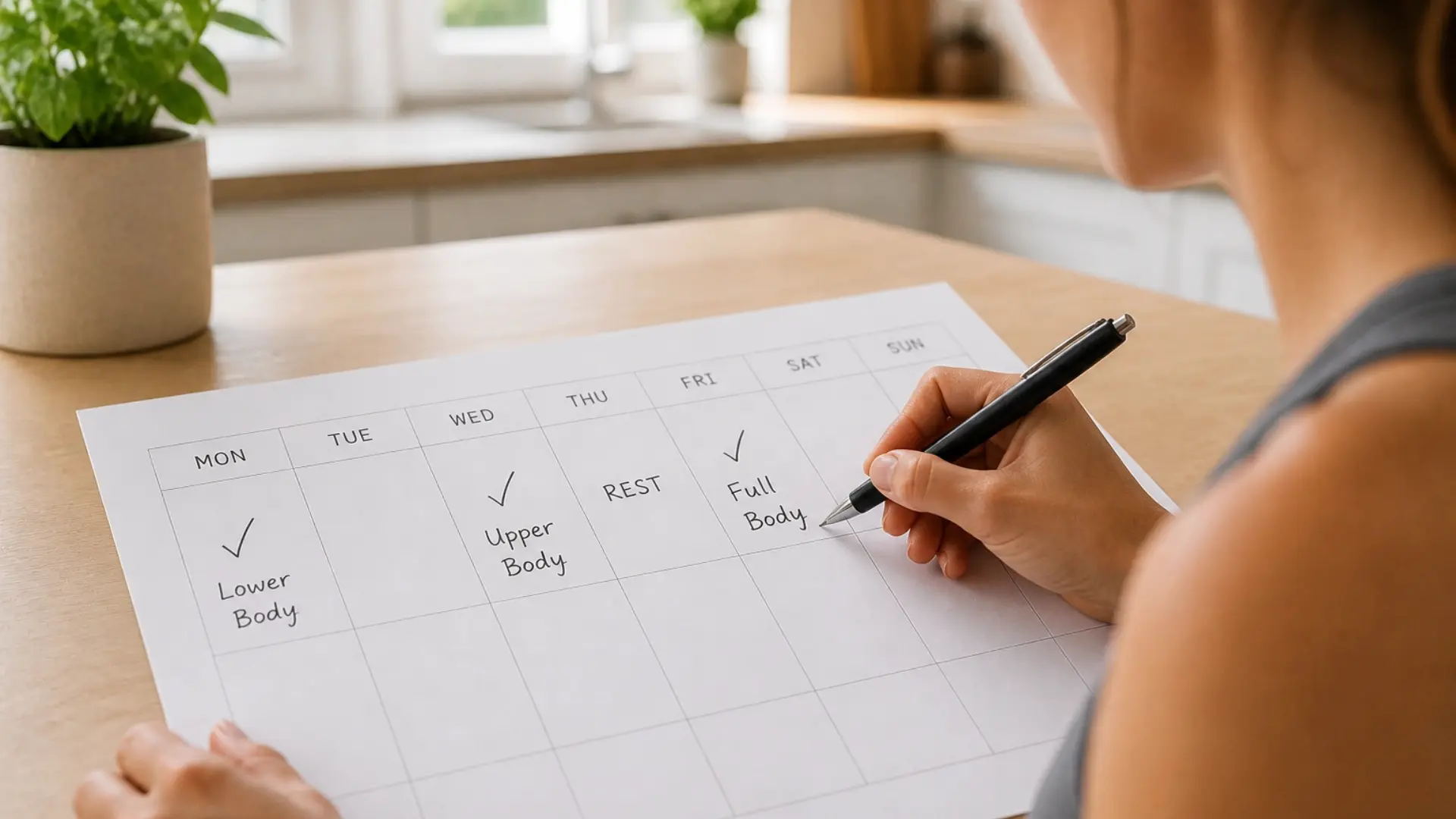
Two to three sessions per week is the right frequency for eccentric quad training. The eccentric phase creates more muscle damage than standard training, which means recovery time matters more here than with regular quad work.
Aim for three sets per exercise, with ten to fifteen reps for bodyweight movements and eight to twelve reps when adding external load. Rest for ninety seconds to two minutes between sets; do not cut this short.
Expect more delayed onset muscle soreness in the first two weeks, particularly if this style of training is new. Quality over quantity applies directly here. Ten controlled reps with strict tempo will always outperform twenty rushed ones.
Sport-Specific Eccentric Quad Training: A Practical Breakdown
Eccentric quad training isn’t one-size-fits-all. Here’s how to prioritize based on your sport or activity:
| Sport / Activity | Primary Concern | Best Eccentric Exercises | Programming Note |
|---|---|---|---|
| Distance running (especially downhill) | Quad fatigue, patellar tendinopathy | Decline squat, step-down, heel-elevated squat | 6–8 weeks before race; 2x/week, 3 sets of 10–15 |
| Basketball/volleyball | Patellar tendon load, landing control | Spanish squat, split squat hold, reverse Nordic curl | Off-season focus: reduce volume during competition |
| Cycling | Knee overuse | Step-down, goblet squat, leg extension (eccentric) | 1–2x/week year-round |
| General fitness/gym | Strength plateau, knee tracking | Tempo back squat, Bulgarian split squat, hack squat | 4–6 week dedicated block, then integrate permanently |
| Post-surgical rehab (under PT supervision) | Rebuilding quad activation | Long arc quad, wall sit, assisted single-leg squat | Load and timing are directed by your physical therapist |
The sport you play determines where the stress lands, and that should always drive exercise selection. Matching the right eccentric stimulus to your specific demand is what separates purposeful training from generic programming.
Common Mistakes to Avoid
Eccentric quad training is only effective when the technique stays clean. These are the most common errors that reduce results and increase the risk of setbacks:
- Dropping too fast: Rushing the lowering phase removes the eccentric stimulus your quads need entirely
- Poor knee tracking: Letting the knee collapse inward increases joint stress and raises injury risk significantly
- Too much weight too soon: Heavy loading before control is established sacrifices movement quality for numbers
- Skipping the warm-up: Cold muscles under eccentric load are far more vulnerable to strain
- Inconsistent tempo: Varying your lowering speed between reps reduces the adaptation signal over time
Fix these before adding load or progressing to harder variations. Clean technique on a simpler exercise will always produce better results than sloppy execution on an advanced one.
Frequently Asked Questions
Can eccentric quad training help with patellar tendinitis?
Yes. Controlled eccentric loading is one of the most studied approaches for patellar tendinitis. It gradually strengthens the tendon without overloading it. Always start light and progress slowly under a professional’s guidance.
Should I do eccentric quad work before or after my main workout?
After is better for most people. Eccentric training causes more muscle fatigue than regular work. Doing it first can hurt your form and performance on other lifts during the same session.
Is eccentric quad training safe for older adults?
Yes, when done correctly. Start with low-load exercises like the goblet squat or step-down. The key is keeping the tempo slow and the range of motion comfortable. Build up gradually over several weeks.
Can I do eccentric quad exercises every day?
No. Your muscles need time to recover between sessions. Two to three times per week is enough. Training daily increases soreness and slows progress rather than speeding it up.
Do I need gym equipment to start eccentric quad training?
No. Several exercises, including the step-down, reverse Nordic curl, and split squat, require only your body weight and a step or bench. You can build solid quad strength at home before adding any load.
Final Thoughts
What shifted in my own training when eccentric work became consistent wasn’t just strength, it was control. Slowing a movement down and owning every inch of it changes how your legs perform in every other context.
These eccentric quad exercises cover every level, setting, and goal, from knee rehabilitation to athletic performance to general strength. Start with the basics, keep the tempo honest, and give the progression time to work.
Training built on deliberate, controlled effort tends to produce more lasting results than chasing speed and load alone. Pick two or three exercises that match your current level and build from there. Drop a comment below if any of these were helpful.