



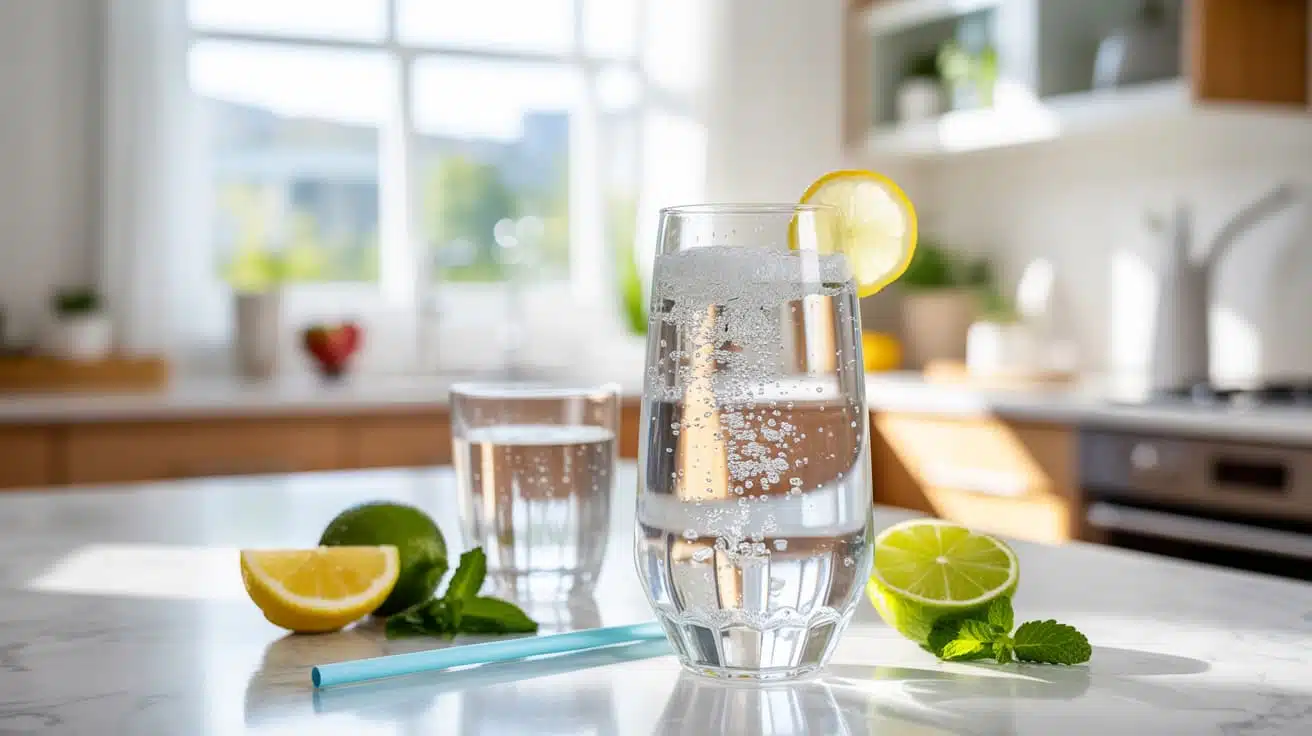









Swapping still water for sparkling feels like a harmless upgrade. It is water, just with bubbles, so how different can it really be?
But as the bubbles keep flowing, a quiet question starts to surface: how much is actually too much? The claims pull in opposite directions. Some say it hydrates just as well as still water, while others flag concerns about teeth and digestion.
The honest answer sits somewhere more nuanced than either side suggests. What daily sparkling water actually does to your body is worth understanding properly, without the noise pulling you in either direction.
Why So Many People Are Making the Switch
Sparkling water fills a gap that plain water never quite could; it gives you the ritual of drinking something that feels like a treat, without the sugar, calories, or crash of soda. For many people, it’s the first swap that actually sticks.
It satisfies the urge to reach for something fizzy, fits into any part of the day, and doesn’t come with the guilt of a soft drink.
But as it becomes a daily habit, the questions naturally follow: how much is too much, what’s it actually doing inside your body, and is it really as innocent as it seems?
How Sparkling Water Affects Your Body, Head to Toe
Most people think sparkling water is just fizzy hydration, but it quietly interacts with more parts of your body than you’d expect.
- Brain: May improve blood flow and mood states.
- Teeth: Slightly acidic. Constant sipping without rinsing is the risk to enamel.
- Heart: High-sodium varieties consumed daily can quietly raise blood pressure.
- Digestive System: Eases indigestion for most. Triggers bloating and reflux in sensitive guts.
- Kidneys: Hydrates as effectively as still water. No direct kidney damage confirmed by NIH.
- Bones: Does not weaken bones. That myth belongs to dark colas, not carbonated water.
For most people, the effects are far more positive than the myths suggest, though anyone managing sparkling water SIBO symptoms will find the digestive view more nuanced than it first appears
Is Sparkling Water Just Water?
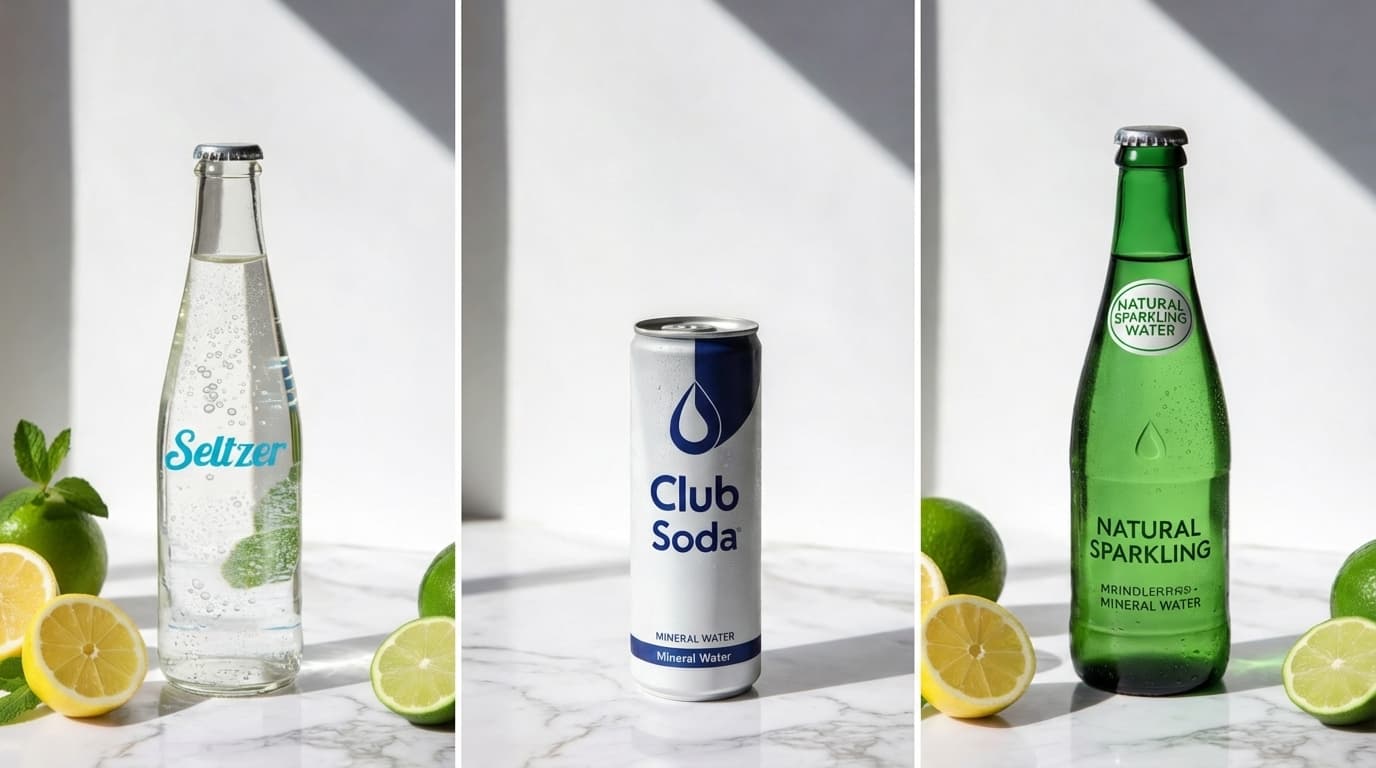
Sparkling water is water infused with CO2 under pressure; that gentle fizz you feel is carbonic acid. Plain sparkling water contains no sugar, sweeteners, or preservatives. But not all options are identical.
Here is how the three main types compare:
| Type | What It Is | Key Consideration |
|---|---|---|
| Seltzer | Plain carbonated water | Purest hydration option |
| Club soda | Carbonated water with added minerals | Check if sodium-sensitive |
| Natural mineral water | Spring water, naturally carbonated | Contains natural calcium and magnesium |
Plain sparkling water contains no sugar, sweeteners, or preservatives, something that cannot be said for flavored variants like Sparkling Ice ingredients, which carry a very different nutritional profile entirely.
How Much Is Safe Per Day?
How much sparkling water is safe is not a one-size-fits-all answer; it depends on where your health currently stands, and for those managing specific conditions, the answer gets even more specific.
General Guidelines and Daily Limits
For healthy adults, sparkling water is a legitimate hydration option with no meaningful upper limit and no clinical concerns.
According to the National Institutes of Health, carbonated beverages can increase gastric pressure and contribute to reflux symptoms in sensitive individuals, though plain sparkling water presents no significant health risk in moderate daily amounts.
A practical daily range of one to three cans (350 to 1,000ml) comfortably covers most healthy adults. The more important variable is how it is consumed, rather than how much.
Sipping steadily through the day is significantly easier on the gut than drinking large amounts quickly. Plain sparkling water hydrates as effectively as still water when consumed consistently.
Special Considerations by Health Condition
For certain health conditions, the safe daily amount shifts, and in some cases, sparkling water requires an entirely more cautious approach.
Here is how daily limits break down across different health profiles:
| Who you are | Safe Daily Amount | Key Consideration |
|---|---|---|
| Healthy adult | 1–3 cans (350–1,000ml) | Sip steadily, not all at once |
| Pregnant women | 1–2 cans (350–700ml) | Still water should remain primary |
| GERD or acid reflux | 1 can max (350ml) | Always drink with meals |
| IBS or bloating | 1 can max, sipped slowly | Avoid on an empty stomach |
| Kidney disease | Consult a doctor first | Check the sodium on all labels |
| Sodium sensitivity | Check labels carefully | Stay under 200mg of sodium per liter |
| Children | Small amounts only | Still water should be the default |
When in doubt, still water is always the safer baseline; sparkling water is an addition, not a replacement.
Can You Drink Too Much Sparkling Water?
Technically, yes, but it is harder to do than most people think. Drinking excessive amounts of any water, sparkling or still, can dilute electrolytes and cause hyponatremia, abnormally low sodium levels in the blood.
In practice, reaching that threshold from sparkling water alone requires consistently extreme intake well beyond normal daily consumption.
The more realistic concern with overconsumption is digestive issues, such as bloating, gas, and discomfort that builds when carbonation accumulates faster than the gut can process it.
Does It Count Toward Your Daily Water Intake?

Absolutely, it counts just as much. Sparkling water hydrates you just as effectively as still water. The bubbles are simply carbon dioxide; they don’t strip away any of the hydrating benefits or change how your body processes the water. If fizz is what gets you hitting your daily intake, it’s doing its job.
One caveat worth noting: flavored sparkling waters containing citric acid are still mostly fine in moderate amounts, but drinking large quantities daily adds up in terms of acidity, something worth keeping in mind if dental health is already a concern.
Stick to plain sparkling water as your go-to, and treat flavored varieties as occasional options rather than everyday staples.
Sparkling Water: Pros and Cons
Sparkling water has genuine benefits, but it’s not without its caveats. Here’s an honest, balanced look at both sides before you make it a daily habit.
| Pros | Cons |
|---|---|
| Hydrates as effectively as still water | Slightly acidic, pH 4–5 |
| Reduces indigestion and nausea | Can cause bloating and gas |
| May relieve constipation | Worsens acid reflux / GERD |
| Helps control appetite before meals | Increases burping |
| Safe substitute for soda | May cause hiccups in some people |
| No official daily upper limit | High sodium in some branded varieties |
Your body’s response is the most reliable guide. If discomfort follows consistently, scale back, switch to still water temporarily, and adjust from there
Tips for Safely Incorporating Sparkling Water Into Your Diet
Sparkling water is a solid daily choice, but a few simple habits make it work considerably better. Here is what is worth keeping in mind:
- Start with plain water before moving to flavored varieties, as the added citric acid in some brands can erode enamel over time.
- Sip steadily throughout the day rather than drinking large amounts at once to avoid introducing excess gas into the digestive system.
- Check the sodium content on the label before committing to a brand, as some sparkling waters contain surprisingly high sodium levels.
- Alternate with still water throughout the day to ensure you are drinking the consistent volumes the body needs to stay hydrated.
Small habits around how you drink it are what keep it a net positive over time. What I always point people toward first is the label check, because that one step alone eliminates most of the hidden problems before they start.
Final Verdict
Plain sparkling water gets a lot of unnecessary criticism, and hopefully, this helped cut through it. If you are mindful of how much sparkling water you drink daily, there is genuinely not much to worry about.
Stick to a moderate amount across the day, drink it with meals, and choose plain over flavored wherever you can. If you have reflux, Irritable Bowel Syndrome (IBS), or sodium sensitivity, pay attention to how your body responds and adjust from there.
Small habits make a big difference over time. Try the tips shared here and see what works for you; and if this helped, drop your thoughts in the comments or share it with someone who needed to hear it.