











Chinese takeout is one of those meals that feels like a reward after a long day. The bold flavors, the satisfying portions, the convenience, it all adds up.
But years of working with nutrition clients have shaped my perspective on what those meals are actually doing to your body.
Some dishes that taste incredible come with a serious nutritional price tag, and even seemingly lighter options, like whether dumplings are actually healthy, are worth a second look.
I’ll cover the unhealthiest Chinese dishes you might want to skip, or at least order far less often, if better health is a priority for you.
What Makes Chinese Takeout Hard on Your Health?
American-style Chinese takeout leans heavily on deep-frying, thick sauces, and refined carbohydrates, a combination that can push a single meal well past your daily limits for calories, fat, and sodium.
Many dishes are also low in fiber and vegetables, meaning you get the calorie load without much nutritional return.
Portion sizes at most takeout spots tend to be generous, making it even easier to overdo it without realizing it. Understanding what goes into these dishes helps you eat more intentionally.
Unhealthiest Chinese Dishes to Skip for Better Health
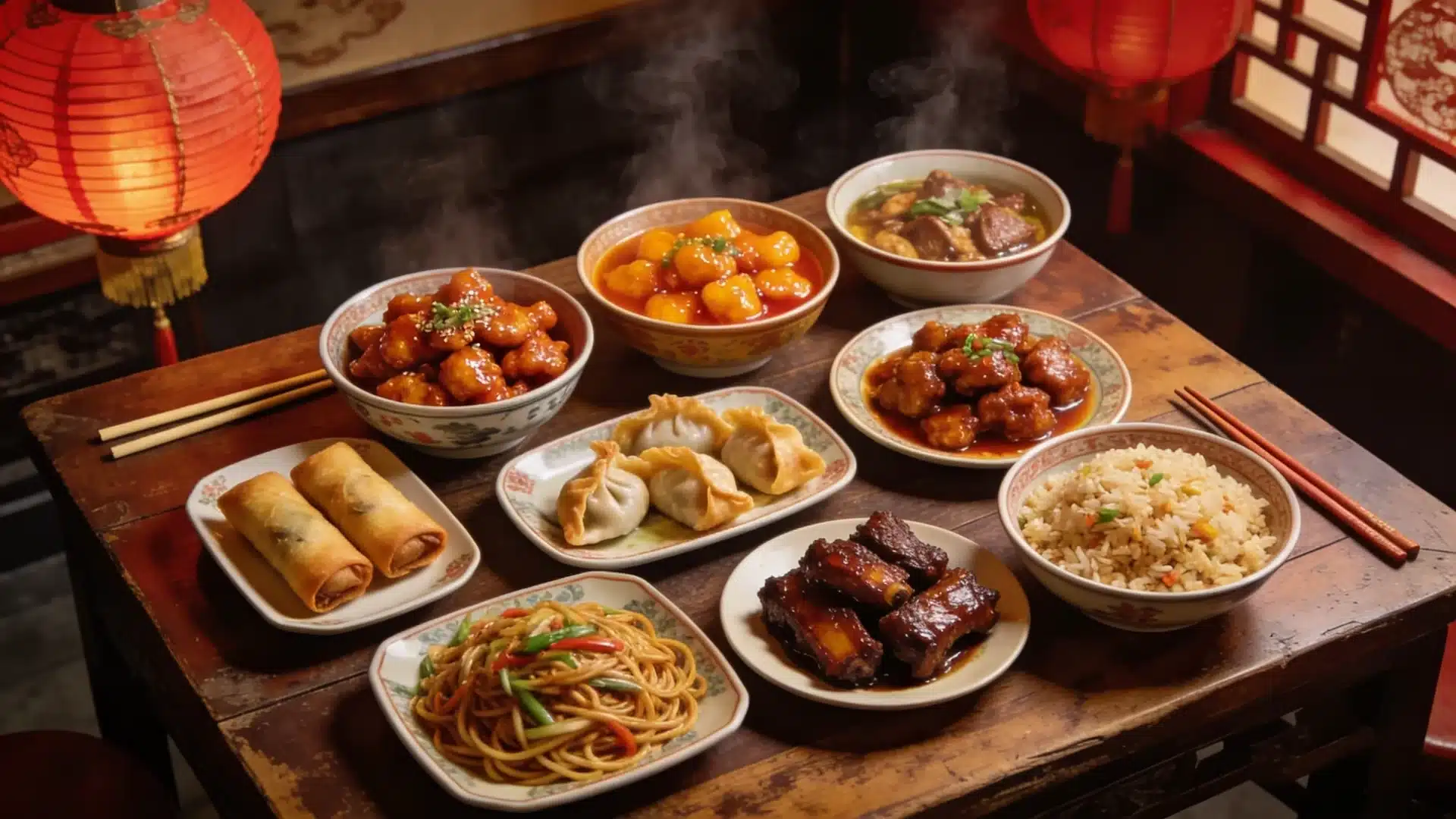
Not every dish on a Chinese takeout menu is a nutritional disaster, but the ones below consistently rank among the worst. Each shares a common problem: too many calories, too much fat, or sodium levels that are hard to justify.
1. General Tso’s Chicken
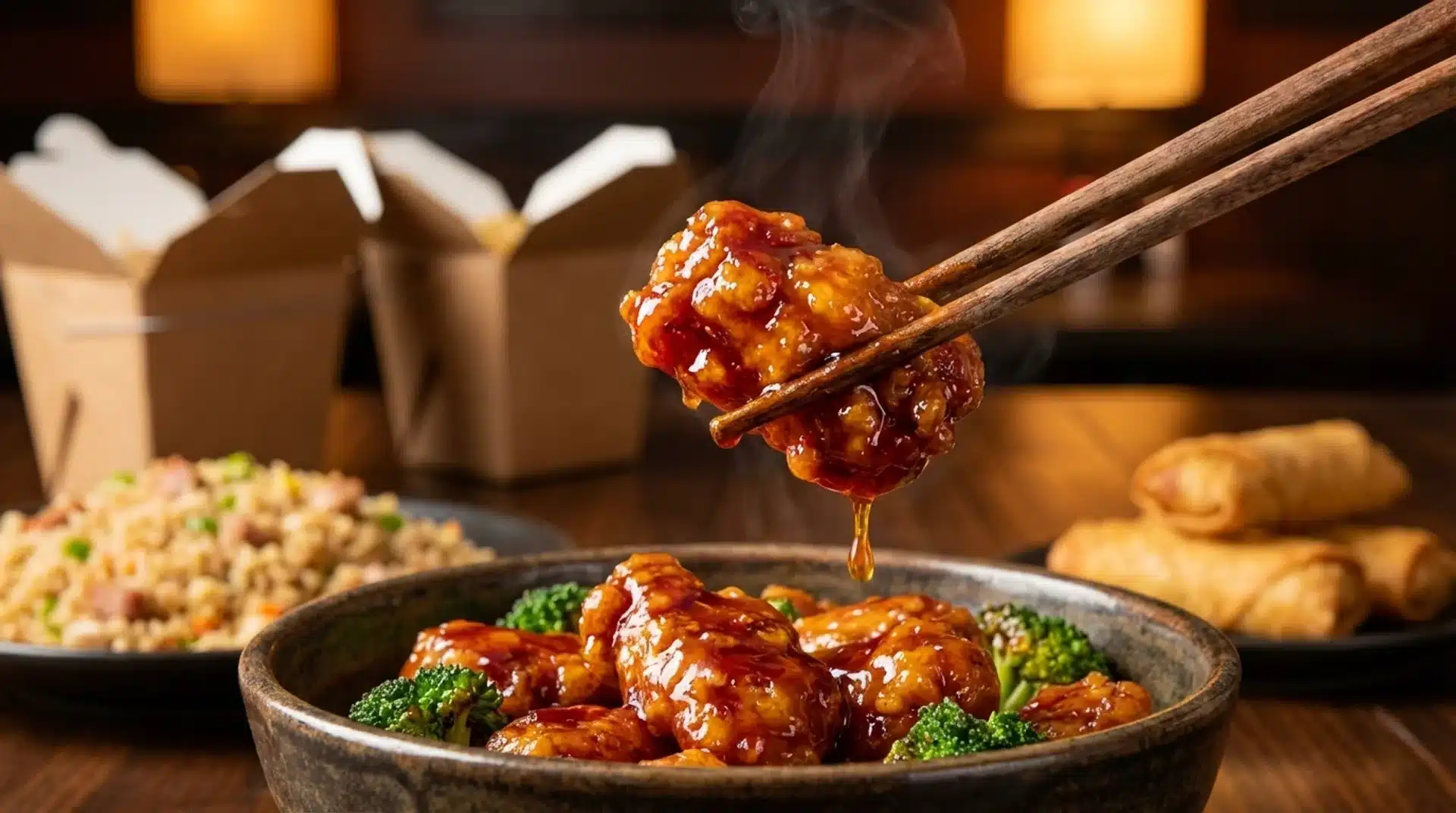
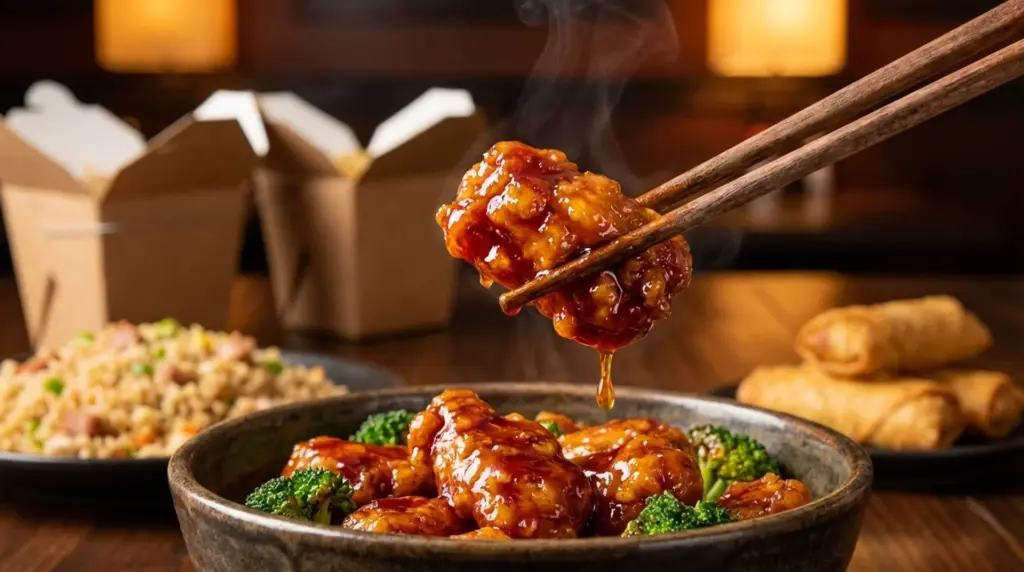
General Tso’s chicken is a deep-fried, battered dish smothered in a thick, sweetened sauce. A single serving can pack 1,200–1,500 calories with high saturated fat and sodium, nearly a full day’s worth in one meal.
Regular consumption increases the risk of weight gain and high blood pressure. A smarter swap is grilled or steamed chicken with a light garlic sauce on the side.
2. Orange Chicken
Orange chicken is battered chicken fried in oil and coated in a sugar-heavy citrus glaze. The high added sugar content causes rapid blood sugar spikes, and the frying makes it calorie-dense without being filling for long.
Chinese cuisine does have genuinely nutritious food options; this particular preparation just is not one of them. If you want something similar, try steamed chicken with a fresh orange or ginger dipping sauce, far less sugar, far more control over what you are eating.
3. Sweet and Sour Pork
This dish features battered, deep-fried pork drenched in a bright, sugar-loaded sauce. The double hit of frying and a sweetened coating significantly increases both saturated fat and refined sugar.
Eating it often can contribute to weight gain and poor blood sugar control. A better option is stir-fried pork with vegetables and a light vinegar-based sauce that keeps the flavor without the excess.
4. Crab Rangoon
Crab Rangoon consists of fried wonton wrappers filled with cream cheese and imitation crab. Despite their small size, they are high in fat and low in nutritional value, making the calorie count deceptively high before the main course arrives.
If you want a starter, opt for steamed dumplings with a soy-ginger dip, similar satisfaction with considerably less fat and fewer empty calories.
5. Egg Rolls
Egg rolls are deep-fried pastry rolls filled with meat and shredded vegetables. The wrapper absorbs a significant amount of oil during frying, making even one roll higher in fat and calories than most people expect from a starter.
A practical alternative is fresh or steamed spring rolls, which use thin rice paper instead of fried dough and retain the crunch without the added oil.
6. Barbecue Spare Ribs
Barbecue spare ribs are fatty pork cuts glazed with a sweet, salty sauce and slow-cooked or roasted. They are naturally high in saturated fat, and the sugary glaze adds extra sodium and calories.
Frequent consumption is linked to raised LDL cholesterol and cardiovascular disease. A healthier pick would be steamed or lightly marinated chicken skewers, which deliver protein without the heavy fat load.
7. Lo Mein
Lo mein is a noodle dish made from refined white flour, cooked in oil, and seasoned with soy-based sauces. A standard takeout portion often exceeds 1,000 calories and is low in fiber, so it doesn’t keep you full for long.
For a better option, ask for whole wheat noodles or glass noodles with extra vegetables and a lighter sauce to cut down on both calories and sodium.
8. Chow Mein
Chow mein features stir-fried refined noodles cooked in substantial oil with salty sauces. Despite the visible vegetables, the dish remains high in sodium and overall fat, and regular servings contribute to excess calorie intake over time.
A reasonable alternative is stir-fried rice noodles with tofu and plenty of greens, which provides a more balanced nutritional profile without sacrificing the stir-fried flavor you are after.
9. Fried Rice
Fried rice is white rice cooked in oil alongside fatty meats and heavy soy seasoning. The process significantly raises calories, refined carbohydrates, and sodium compared to plain rice.
It also offers minimal fiber or micronutrients. Swapping to steamed brown rice or cauliflower rice with light seasoning is a straightforward change that meaningfully reduces calorie load while still complementing the rest of your meal.
None of these dishes is off-limits forever, but ordering them regularly makes it difficult to maintain a balanced diet. Treating them as occasional picks rather than defaults is a practical, sustainable approach.
Wrapping up Your Order
Chinese cuisine, at its core, includes many genuinely nutritious dishes. The problem is not the cuisine itself but the specific preparations that dominate most takeout menus.
The pattern I see with clients is always the same: it is not about cutting out an entire cuisine but knowing which items to order less of.
Swap deep-fried dishes for steamed or stir-fried options, and load up on vegetable-forward dishes when available.
Small shifts in what you order make a meaningful difference without giving up the foods you enjoy. Drop a comment below and share your questions.