










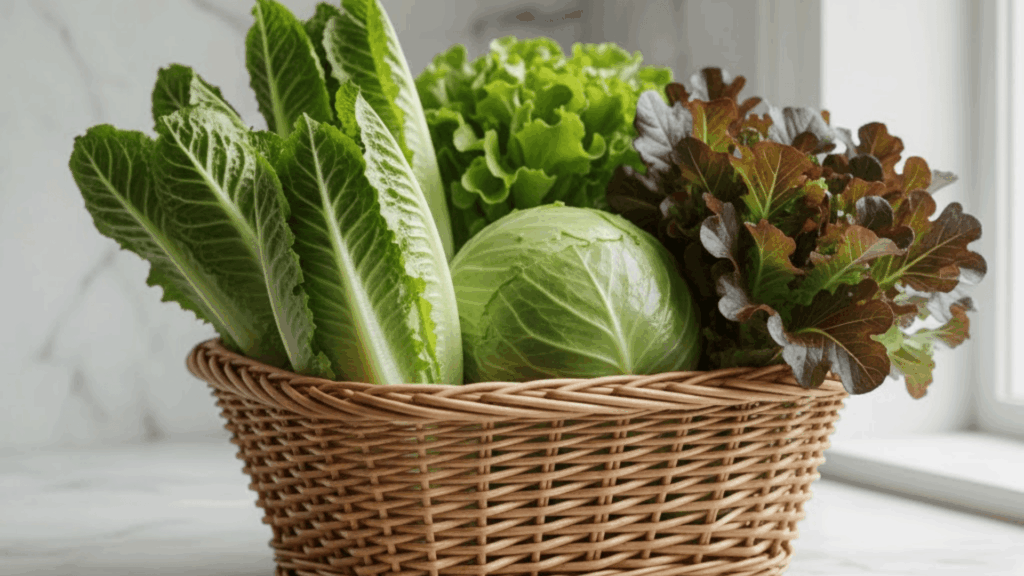

Does lettuce have fiber, or is it just crunchy water pretending to be healthy? I used to toss iceberg into salads, thinking I was doing something great for my body, only to find out it’s mostly hydration with a satisfying crunch.
Lettuce does have fiber, but the amount varies by type. And if you’re wondering is lettuce high in fiber compared to other vegetables, the short answer is no, but that doesn’t mean it’s not worth eating
Darker varieties do pack more nutrition than you’d think, and knowing the differences helps you shop smarter. I’ll walk you through the types of lettuce, including their nutritional facts, and compare them with other vegetables.
Does Lettuce Have Fiber?
Yes, lettuce contains fiber, but most types deliver only 0.5 to 2 grams per cup. That’s pretty modest compared to beans or whole grains.
The main reason? Lettuce is roughly 95% water, which means there’s not much room left for fiber-rich plant matter.
Lighter varieties like iceberg sit at the lower end of that range, while darker greens like romaine offer more. You’ll find insoluble fiber in lettuce, the type that helps move things along in your digestive system.
So if you’re eating lettuce purely for fiber, you’d need to consume several cups to make a dent in your daily goal of 25-30 grams. Still, every bit counts, and lettuce adds volume to meals without piling on calories.
Quick Answer: Lettuce does have fiber, roughly 0.5g (iceberg) to 2g (romaine) per cup. It’s not a fiber powerhouse, but it contributes meaningfully when paired with other high-fiber foods.
How Much Fiber is in Different Types of Lettuce?
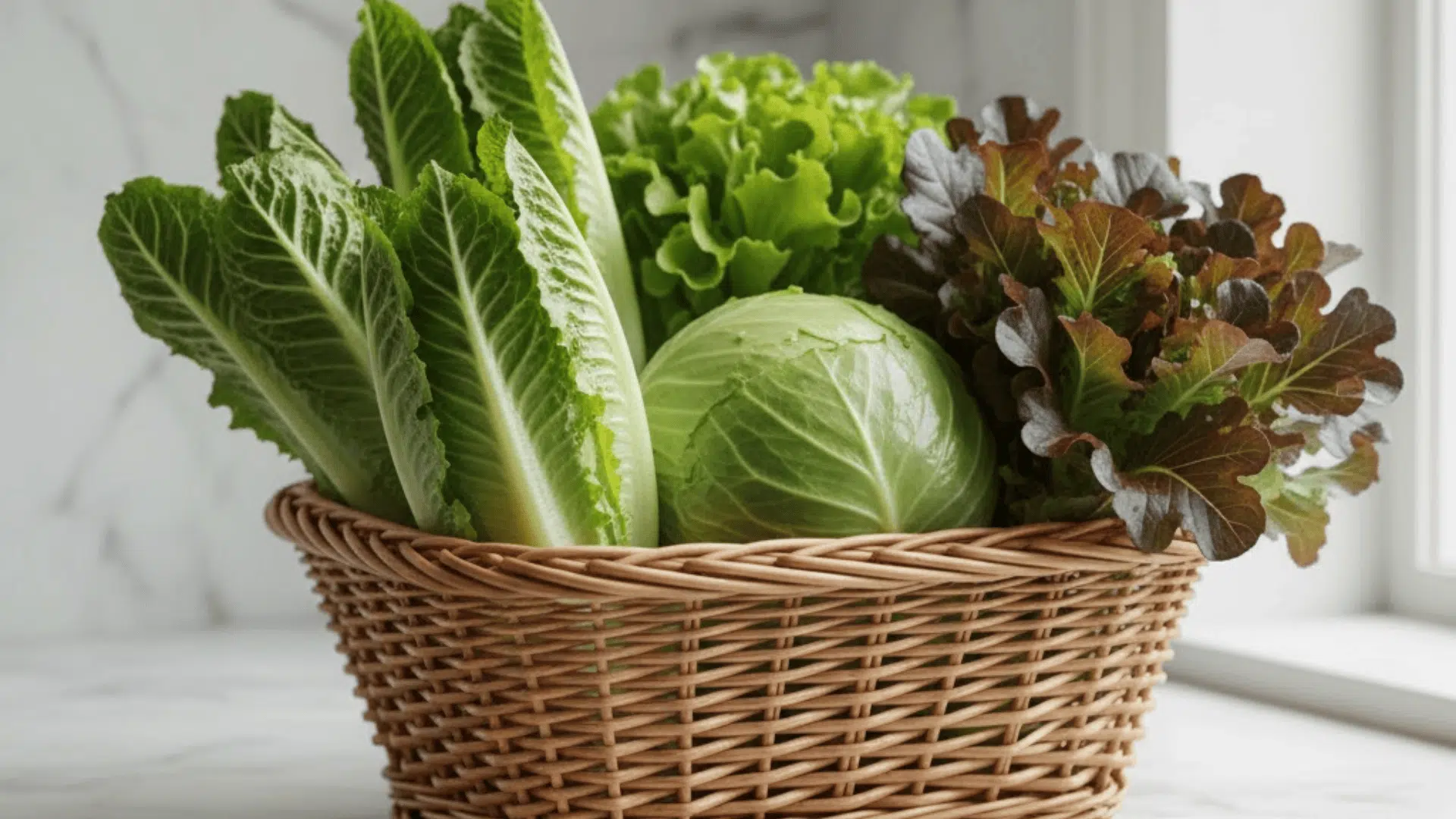
Not all lettuce is created equal, and the fiber content varies by variety. Darker leaves generally mean more nutrients, but even the pale stuff has its place.
1. Iceberg Lettuce Nutrition Content
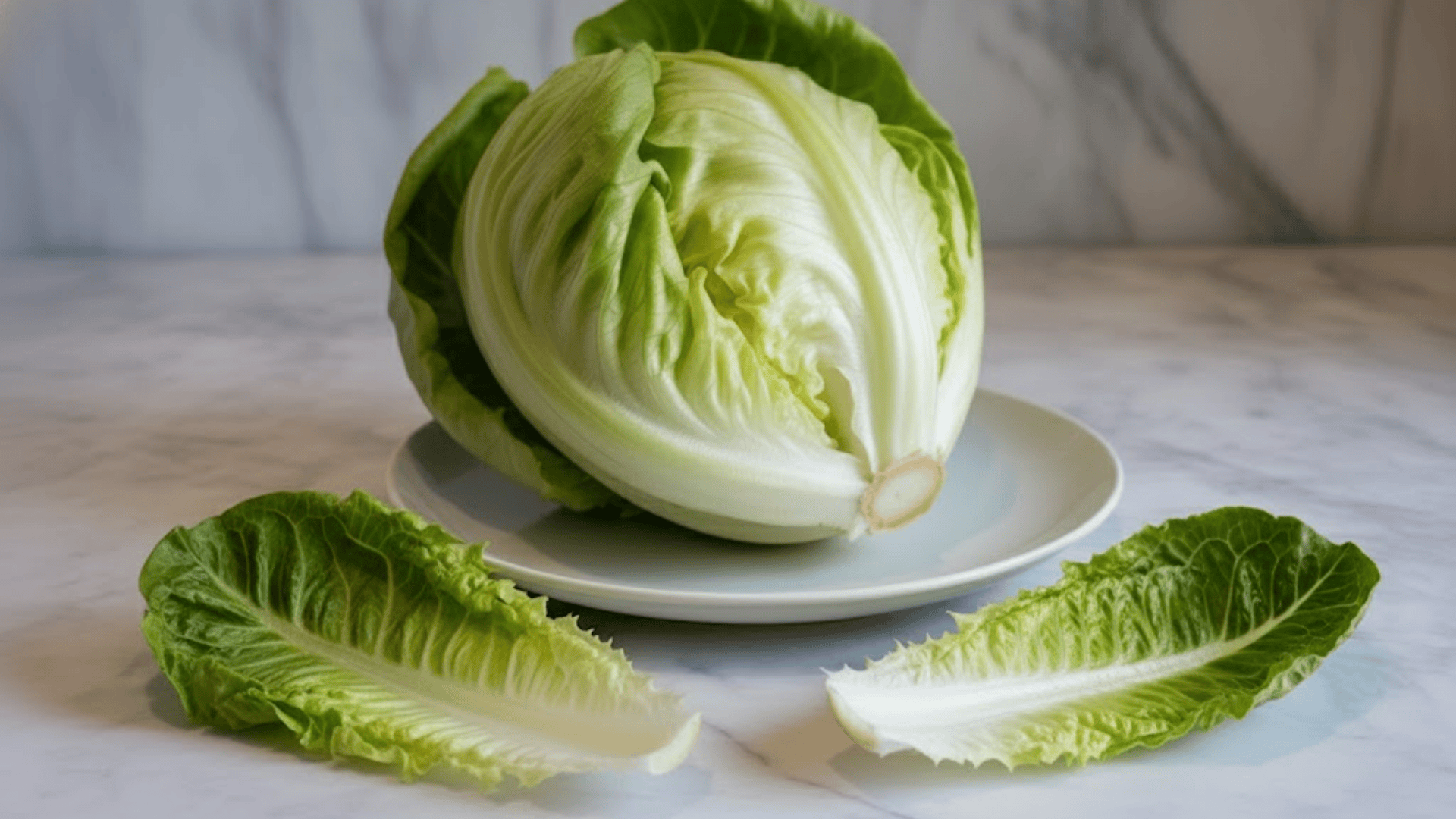
Iceberg gives you about 0.5 to 0.7 grams of fiber per cup. That’s the lowest among common lettuces, and it makes sense when you consider how watery and pale it is.
I won’t lie, iceberg gets a bad rap, but it’s incredibly crisp and mild, making it perfect for picky eaters or anyone who finds bitter greens off-putting.
If you’re making tacos or burgers, iceberg’s crunch can’t be beaten. Just don’t expect it to carry the nutritional load on its own. Use it for texture, then bulk up your meal with other fiber-rich ingredients.
2. Romaine Lettuce Nutrition Content
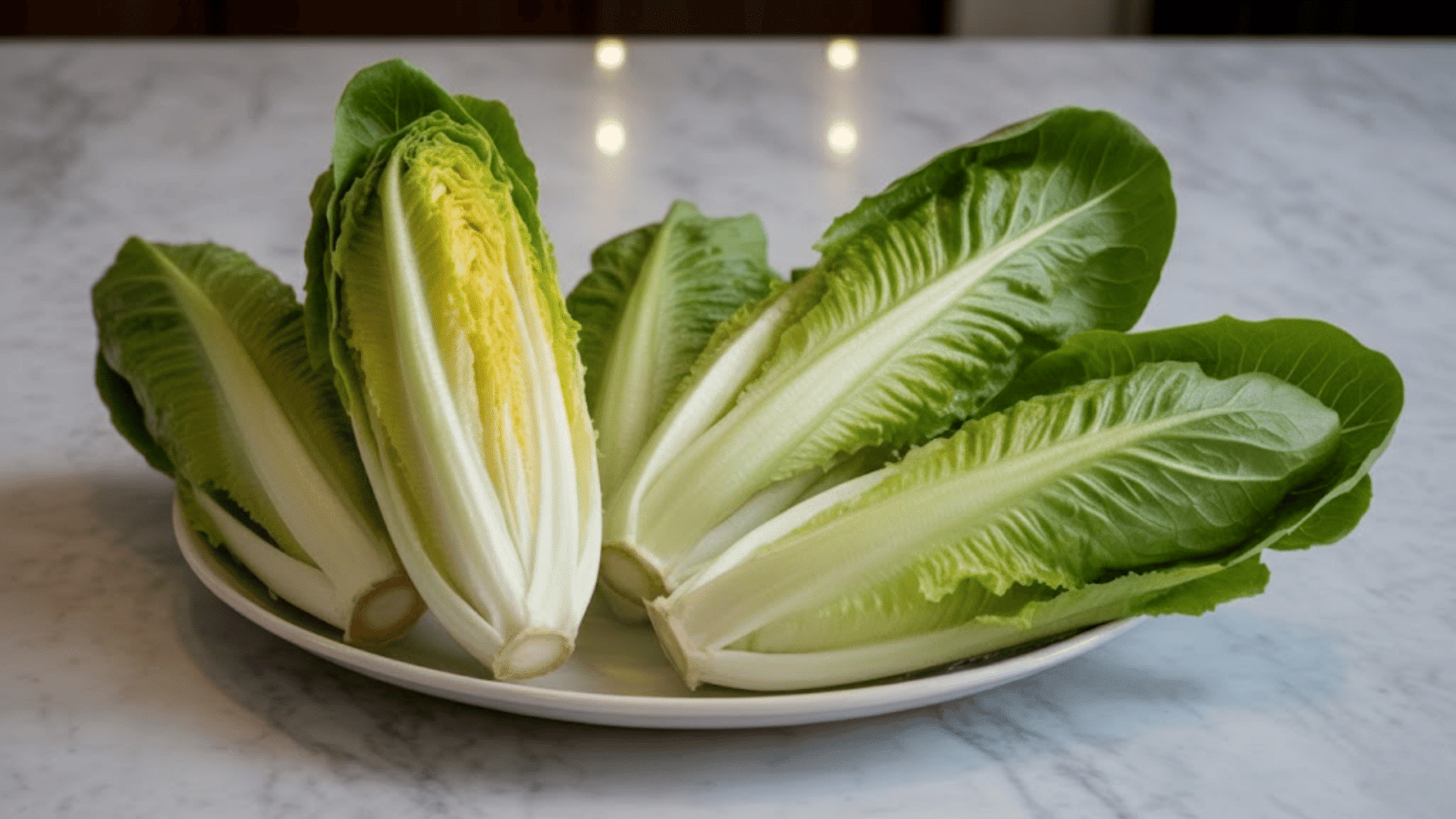
If you’re tracking calories in romaine lettuce, a single cup contains just 8 calories, making it one of the most calorie-efficient greens you can add to any meal. Romaine delivers about 1 to 1.2 grams of fiber per cup, nearly double that of iceberg lettuce.
Its darker leaves contain more chlorophyll and nutrients, such as vitamin A and folate. Romaine also has a satisfying, sturdy texture that holds up well under dressing, which is why it’s the go-to for Caesar salads.
I keep romaine in my fridge because it’s versatile enough for wraps, chopped salads, or even grilled as a side dish. The slight bitterness adds depth to meals without overwhelming other flavors.
3. Green and Red Leaf Lettuce Nutrition Content
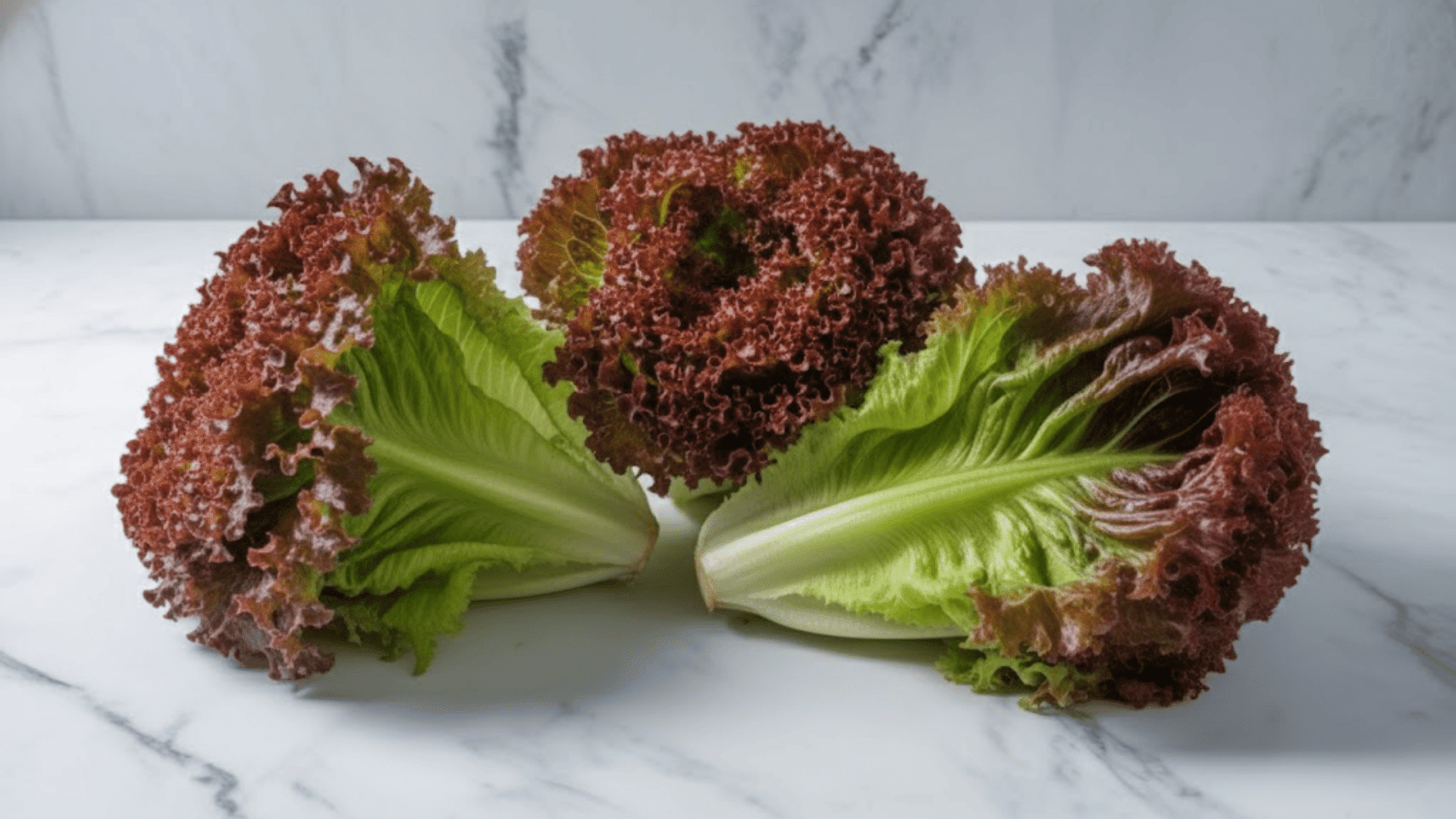
Both green and red leaf varieties contain about 0.5 to 1 gram of fiber per cup. Red leaf edges ahead slightly in antioxidants thanks to its pigmentation, but the fiber content stays similar.
These lettuces have a softer, more delicate texture than romaine, which I prefer when I want a tender salad that doesn’t require much chewing.
They’re great for mixing with other greens to add color and variety without significantly altering the overall flavor profile.
4. Butterhead Lettuce Nutrition Content
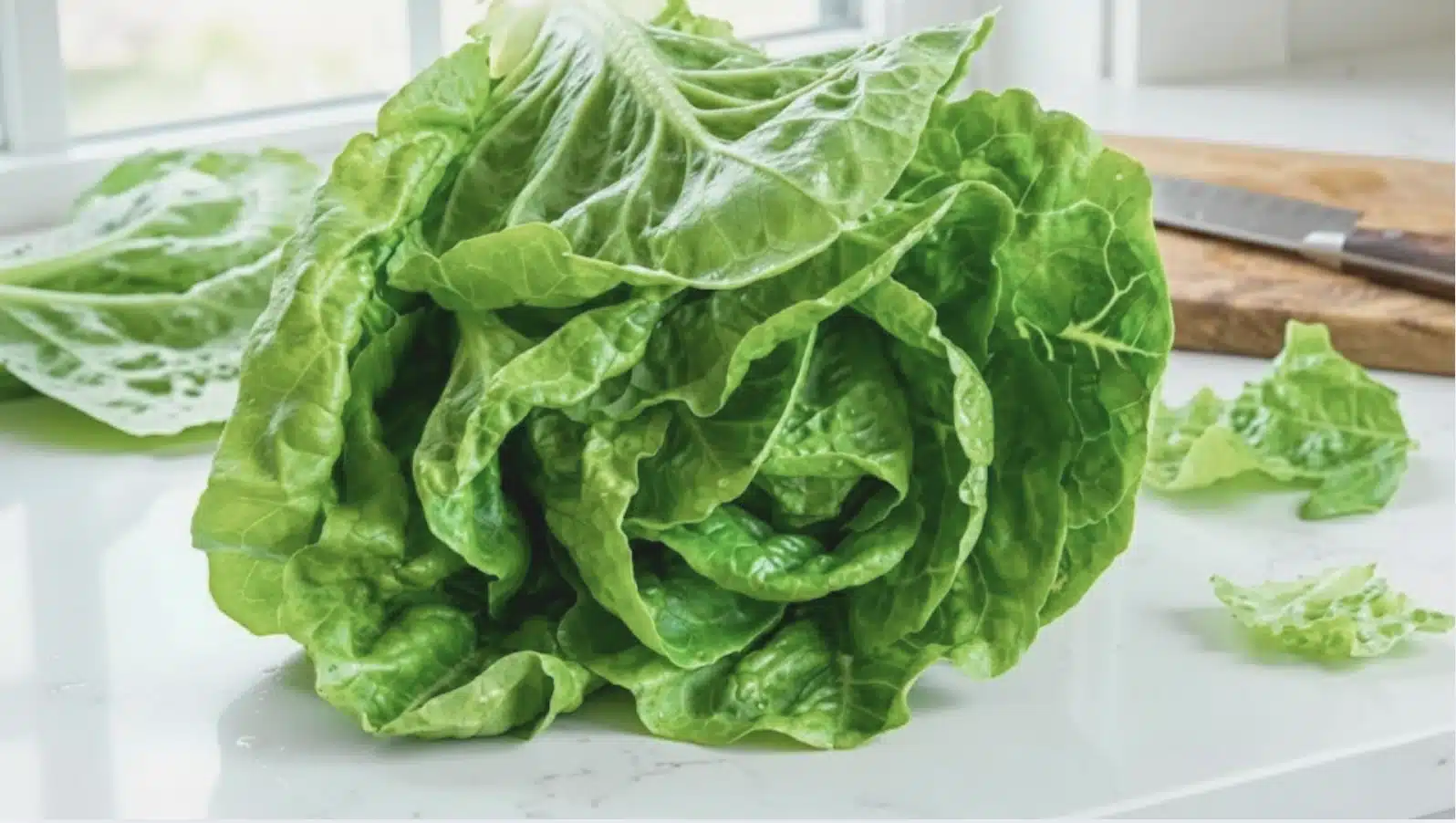
Butterhead lettuce, which includes Boston and Bibb varieties, gives you about 0.5 to 1 gram of fiber per cup. The leaves are soft, loose, and slightly sweet, which makes them easy to enjoy raw.
I like using butterhead when I want a gentle texture that almost melts in your mouth. You can use the whole leaves as wraps for chicken or tofu, and they hold fillings well without cracking.
While the fiber is moderate, it pairs nicely with beans, seeds, or whole grains to round out your meal.
5. Crisphead Lettuce Nutrition Content

Crisphead lettuce is a broader category that includes iceberg, but other crisphead varieties offer similar fiber levels, ranging from 0.5 to 0.7 grams per cup. These lettuces form tight, round heads with very high water content.
You’ll notice the crunch right away, which makes them popular for sandwiches and layered salads. I usually reach for crisphead when texture matters more than nutritional density. Like an iceberg, it works best when combined with higher-fiber foods, so your meal feels more balanced and filling.
How Many Carbs in Lettuce?
One of the most searched questions about lettuce is how many carbs are in lettuce, and it’s a particularly important question for anyone following a low-carb, keto, or diabetic-friendly diet.
The good news, lettuce is one of the lowest-carb vegetables you can eat. Here’s a full breakdown by type:
| Lettuce Type | Total Carbs (1 cup) | Fiber (1 cup) | Net Carbs |
| Iceberg | 1.6g | 0.6g | ~1.0g |
| Romaine | 1.4g | 1.0–2.0g | ~0.4–1.0g |
| Green Leaf | 1.0g | 0.5g | ~0.5g |
| Red Leaf | 1.3g | 0.5–1.2g | ~0.5g |
| Butterhead | 1.2g | 0.6g | ~0.6g |
Net carbs (total carbs minus fiber) in lettuce are negligible, often under 1 gram per cup. This makes all varieties of lettuce essentially free foods on low-carb and ketogenic diets.
The carbohydrates present in lettuce are mostly simple sugars (glucose and fructose) plus dietary fiber. There is virtually no starch. This means lettuce has a minimal impact on blood sugar, making it an excellent base for meals designed to support blood sugar management.
Lettuce is one of the most keto-friendly, diabetic-friendly vegetables available. All varieties contain fewer than 2g of total carbs per cup, with net carbs often under 1g.
Lettuce Nutrition Facts Beyond Fiber and Carbs
Fiber isn’t the only reason to eat lettuce. Lettuce brings vitamins, minerals, and hydration to your plate with very few calories.
For a quick side-by-side, romaine nutrition stands out clearly in the table below, outperforming every other variety on Vitamin A, K, and folate. Here’s a comparative snapshot across the five main varieties:
| Type | Calories | Water | Vitamin A | Vitamin K | Vitamin C | Folate | Potassium |
| Iceberg | 8 kcal | 96% | 7% DV | 17% DV | 3% DV | 5% DV | 2% DV |
| Romaine | 8 kcal | 95% | 82% DV | 60% DV | 19% DV | 16% DV | 5% DV |
| Red Leaf | 8 kcal | 95% | 105% DV | 97% DV | 13% DV | 4% DV | 5% DV |
| Butterhead | 7 kcal | 96% | 36% DV | 56% DV | 4% DV | 10% DV | 4% DV |
| Crisphead | 8 kcal | 96% | 8% DV | 20% DV | 3% DV | 5% DV | 2% DV |
Darker lettuces like romaine and red leaf pack significantly more vitamins than iceberg. Vitamin K is especially high in leafy greens; just one cup of red leaf lettuce exceeds your daily target.
Does Lettuce Have Any Nutritional Value Beyond Vitamins and Fiber?
When most people ask “whether lettuce has any nutritional value”, they stop at vitamins, but the picture goes much further.
Darker varieties like romaine and red leaf are rich in carotenoids, including beta-carotene, lutein, and zeaxanthin, which support eye health and may lower the risk of age-related macular degeneration.
Because these are fat-soluble compounds, drizzling olive oil or adding avocado to your salad genuinely helps your body absorb more of them, something I started doing after reading the research, and the difference in how satisfying a salad feels is noticeable.
Lettuce also contains polyphenols and antioxidants, particularly flavonoids and anthocyanins in red leaf varieties, linked to anti-inflammatory effects and cardiovascular protection.
A 2022 peer-reviewed review in Nutrients confirmed that lettuce’s phenolic content contributes meaningful protection beyond basic nutrition.
Then there’s chlorophyll, the green pigment in romaine, which early research suggests may help neutralize certain carcinogens before they affect DNA. Finally, lettuce’s 95% water content supports hydration, kidney function, and appetite regulation in ways most people overlook entirely.
Other Varieties of Lettuce to Know
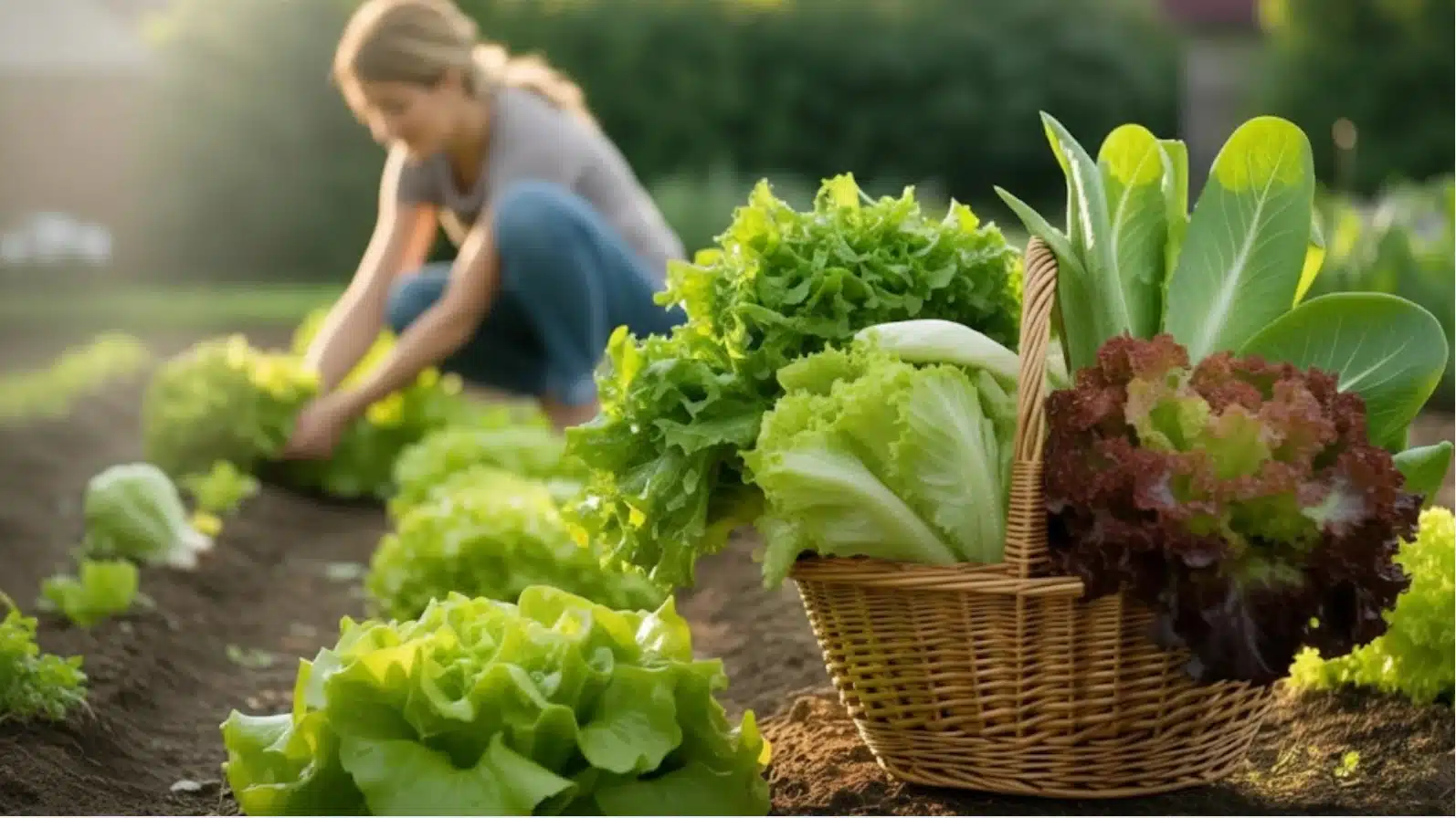
Beyond the common five, a handful of lesser-known lettuces offer unique textures, colours, and uses that can freshen up your meals and expand your salad game:
- Oakleaf Lettuce: Soft, loose leaves in green or reddish shades with a mild taste. More body than butterhead but softer than romaine, making it a great all-purpose salad green.
- Batavian (Summer Crisp) Lettuce: A mid-ground between crisphead and loose leaf. Crunchy without being watery, it works especially well in garden salads and wraps.
- Lollo Rosso: A frilly, red-tinged leaf lettuce that adds color and texture to any bowl. Holds dressings well without wilting, making it a favorite in mixed green salads.
- Celtuce (Stem Lettuce): Grown for its crisp, juicy stem rather than its leaves. Stir-fry it, steam it, or slice it into slaws for a satisfying crunch that stands apart from leafy greens.
Even trying one of these varieties can turn an everyday salad into something more interesting. Look for them at farmers’ markets, specialty grocers, or in your own garden.
Lettuce vs Other Vegetables for Fiber
Want to know how lettuce stacks up against other common vegetables? Here’s a quick comparison to give you perspective:
| Vegetable | Fiber per Cup (Raw) | Notes |
| Lettuce (Romaine) | 1-1.2 g | Hydrating, low-calorie |
| Spinach | 0.7 g raw, 4 g cooked | Fiber increases when cooked |
| Cabbage | 2-2.2 g | Crunchy, hearty texture |
| Broccoli | 2.4 g raw, 5 g cooked | High in fiber and protein |
| Carrots | 3.6 g | Sweet, versatile |
Lettuce has less fiber than cabbage, broccoli, or cooked spinach. Still, it works well as a base; just pair it with higher-fiber vegetables for better digestive support.
Is Lettuce Healthy? Science-Backed Benefits
Yes, and far more than most people realize. Research links regular lettuce consumption to four key health areas, including heart health, bone strength, brain function, and weight management.
1. Heart Health
A 2017 review cited by Medical News Today linked regular lettuce consumption (alongside other vegetables) to a reduced risk of cardiovascular disease.
Romaine’s potassium content helps regulate blood pressure, while its fiber and antioxidant compounds support healthier cholesterol metabolism.
Research has shown that fiber-pectin compounds in lettuce can reduce digestive cholesterol absorption by disrupting micelle formation in the gut.
2. Bone Health
Lettuce is one of the most accessible dietary sources of Vitamin K, a nutrient that plays a direct role in bone mineralization and fracture prevention.
A meta-analysis published in the journal Medicine found that people with the highest dietary Vitamin K intake had a 22% lower risk of fractures than those with the lowest intake. Red leaf lettuce alone covers nearly 97% of the daily Vitamin K requirement in a single cup.
3. Weight Management
Lettuce’s combination of extremely low calories, high water content, and fiber creates strong satiety signals per calorie consumed.
Research consistently shows that including high-volume, low-calorie-density foods like lettuce in meals reduces overall caloric intake at that meal without increasing hunger. It’s one of the most effective tools for building muscle while in a calorie deficit.
4. Cognitive Health
A landmark 2018 study published in Neurology followed 960 older adults for 5 years and found that eating just 1 serving of green leafy vegetables per day was linked to slower cognitive decline.
Those who ate the most greens had cognitive scores equivalent to those of people 11 years younger than those who ate the least, even after adjusting for lifestyle, education, and health factors.
5. Sleep (Emerging Research)
Extracts from multiple lettuce types have shown sedative properties in preliminary research, potentially due to lactucopicrin compounds.
While it’s not established that eating salad greens will improve your sleep directly, the early science is intriguing and warrants further study.
Verdict: Yes, lettuce is genuinely healthy, especially darker varieties. While it’s not a superfood in isolation, the combination of near-zero calories, meaningful micronutrients, bioactive compounds, and hydration makes it one of the most efficient health-supporting foods available.
Is Lettuce Good for Digestion and Bowels?
Lettuce can definitely help keep things moving, thanks to its combination of water and insoluble fiber. This type of fiber doesn’t dissolve in your gut; it adds bulk to your stool and helps food pass through your system more efficiently.
If you struggle with constipation, adding lettuce to your meals provides gentle support without causing cramping or discomfort.
That said, some people experience bloating after eating large salads, especially if they’re not used to raw vegetables. If that sounds like you, try smaller portions or lightly steaming your greens.
Also, chew thoroughly; your digestive system will thank you. I’ve found that pairing lettuce with healthy fats like olive oil or avocado makes it easier on my stomach and helps me absorb fat-soluble vitamins more effectively.
How to Increase Fiber When Eating Lettuce
Lettuce works best as a base, not a fiber source. The right additions can turn a simple salad into a genuinely filling, high-fiber meal without much extra effort or preparation time:
| Add-In | Examples | Fiber Boost | Bonus Benefit |
| Beans | Chickpeas, black beans | 6–8g per ½ cup | High protein keeps you full longer |
| Nuts & Seeds | Almonds, chia, sunflower seeds | 2–4g per serving | Healthy fats add crunch |
| Whole Grains | Quinoa, brown rice, farro | 2–3g per small scoop | Makes salad more filling |
| Darker Leafy Greens | Spinach, kale | 1–4g per cup | Boosts vitamins and minerals |
| High-Fiber Vegetables | Carrots, broccoli, cabbage | 2–5g per cup | Adds texture, very low calories |
Small additions stack up fast. A salad with romaine, chickpeas, chia seeds, and broccoli can easily hit 12–15 grams of fiber, nearly half your daily goal in one bowl.
Who Should Be Cautious About Eating Lettuce?
Lettuce is safe for most people, but a few groups need to pay closer attention.
Your health conditions, medications, and food sensitivities can change how much lettuce you should eat, and which variety works best for you:
- Blood Thinners (Warfarin): Romaine and red leaf are high in Vitamin K, which affects how warfarin works. Keep your intake consistent and check with your doctor before changing how much you eat.
- Kidney Disease: Lettuce contains potassium. If you follow a low-potassium diet, count it toward your daily limit and confirm portions with your dietitian.
- IBS or FODMAP Sensitivity: Large raw salads can trigger bloating and gas. Reduce portions, lightly wilt your greens, or switch to butter lettuce, which is gentler on digestion.
- Food Safety: Lettuce has been linked to E. coli and Salmonella outbreaks. Always rinse under running water, including pre-washed bags. Pregnant, elderly, or immunocompromised individuals should wash their whole heads at home.
None of these considerations means you should skip lettuce entirely. A quick conversation with your doctor or dietitian is all it takes to figure out the right amount and variety for your specific needs.
Final Thoughts
So, does lettuce have fiber? Absolutely, but not as much as you might hope. Romaine and darker varieties offer more nutrients than iceberg lettuce, though even those won’t meet your daily fiber goals on their own.
I’ve learned to appreciate lettuce for what it is: a hydrating, low-calorie base that makes meals more satisfying when combined with beans, nuts, seeds, and other fiber-rich ingredients. You don’t need to overthink it.
Just mix up your greens, add variety to your plate, and let lettuce play its part in a balanced diet. What’s your favorite way to eat lettuce? Drop a comment below and share your go-to fibrous veggie combinations.
Frequently Asked Questions
Can you eat lettuce every day?
Yes, lettuce is safe to eat daily. Rotating among romaine, red leaf, and butterhead keeps your nutrient intake varied and ensures you get different vitamins each day.
Does lettuce help with weight loss?
Yes. Lettuce is very low in calories but high in water, so it fills up your plate without adding extra calories. It helps you feel fuller while eating less overall.
Is lettuce good for diabetics?
Yes. Lettuce has almost zero net carbs and a glycemic index near zero, meaning it does not spike blood sugar. It works well as a base for balanced, diabetes-friendly meals.
Is lettuce safe during pregnancy?
Yes, and it is actively helpful. Romaine is high in folate, which lowers the risk of birth defects. Always wash lettuce well and avoid pre-cut bags to reduce contamination risk.
Does cooking lettuce destroy its nutrients?
Lightly cooking lettuce reduces Vitamin C but improves absorption of beta-carotene and Vitamin K. Raw is best for Vitamin C. For all other nutrients, cooked lettuce is still a good option.