





I wondered how to use Himalayan salt beyond sprinkling it on food. Himalayan salt shows up everywhere today, in kitchens, baths, lamps, and wellness routines. It’s easy to feel unsure about what actually makes sense to try.
I’ll walk you through practical ways you can use it in everyday life. You’ll learn how it works in cooking, how people include it in simple wellness habits like baths or scrubs, and what benefits it may offer.
By the end, you’ll have clear ideas you can test yourself and decide where Himalayan salt fits into your routine.
Understanding Himalayan Salt
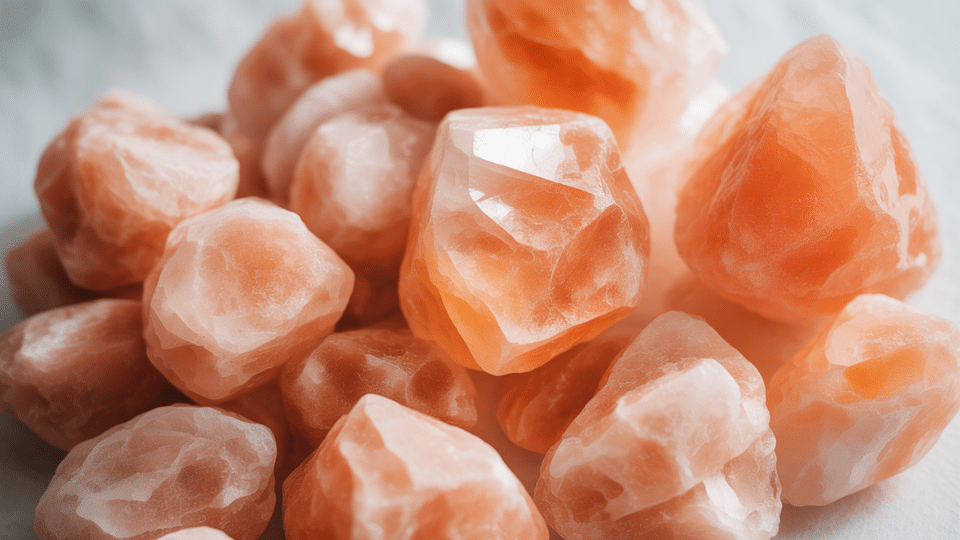
Himalayan salt is a natural rock salt derived from ancient salt deposits in the Khewra Salt Mine in Pakistan.
These deposits formed millions of years ago when large bodies of water evaporated, leaving behind mineral-rich salt crystals.
Himalayan salt is easily recognized by its light pink color, which comes from trace minerals such as iron, potassium, calcium, and magnesium. Unlike regular table salt, it is usually less processed and does not contain added anti-caking agents.
Many people prefer Himalayan salt because it retains these natural minerals and has a slightly different flavor. Beyond cooking, it is also used in wellness practices such as salt baths, scrubs, and relaxation routines because of its mineral content.
Health Benefits of Himalayan Salt for Wellness & Daily Self-Care
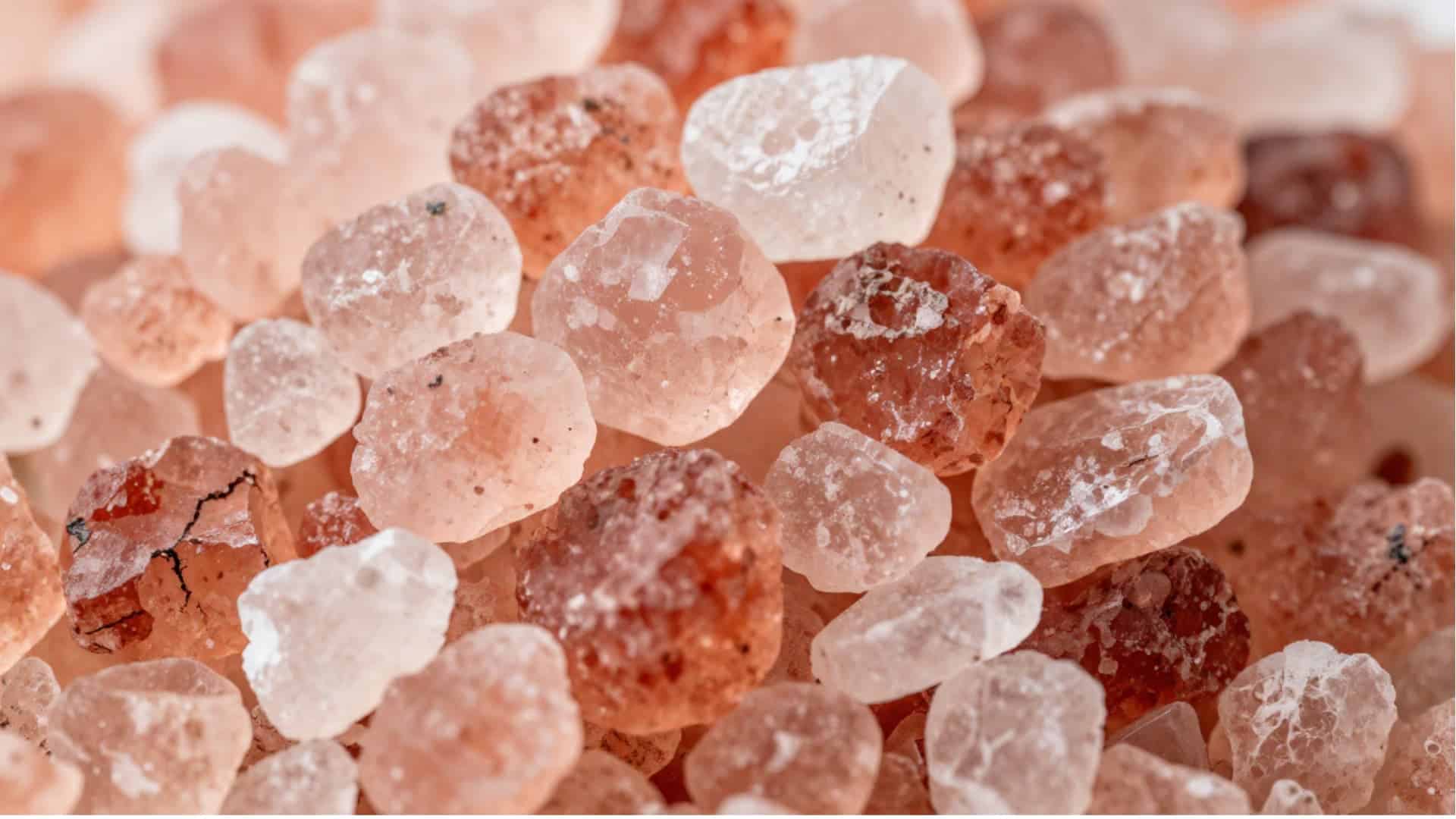
I’ve noticed many people use Himalayan salt in wellness routines for simple reasons. Its mineral content and natural form may support hydration, relaxation, skin care, and muscle comfort.
1. Supports Hydration and Electrolyte Balance
Himalayan salt contains trace minerals such as sodium, potassium, magnesium, and calcium. These minerals help maintain the body’s electrolyte balance, which supports proper hydration and nerve function.
Some people add small amounts of Himalayan salt to water to help replenish electrolytes lost through sweat. When used in moderation, it may help the body maintain fluid balance and support daily energy levels.
2. May Help Improve Skin Health
Himalayan salt is commonly used in scrubs and spa treatments because it can gently exfoliate the skin. The coarse salt crystals help remove dead skin cells and improve circulation on the skin’s surface.
This process may leave the skin feeling smoother and refreshed. The mineral content of the salt may also support healthy-looking skin when used in baths or natural body scrubs.
3. Supports Relaxation and Stress Relief
Salt baths made with Himalayan salt are often used to promote relaxation after a long day. Warm water combined with mineral-rich salt can help soothe tired muscles and calm the body.
Many people find that soaking in a salt bath encourages deep relaxation and helps reduce physical tension. The calming experience of a warm bath can also support better sleep and overall stress relief.
4. Helps Improve Air Quality
Himalayan salt lamps are popular in homes because they are believed to help improve indoor air quality. These lamps are made from large salt crystals that contain a small light bulb inside.
Some people believe the heat from the lamp releases negative ions that may help reduce airborne particles. While scientific evidence is limited, many users enjoy the warm glow and relaxing atmosphere they create.
5. May Support Muscle Recovery
Himalayan salt baths are often used after workouts to help relax muscles and ease tension. Soaking in warm water with mineral-rich salt may help soothe soreness and promote circulation.
Athletes and fitness enthusiasts sometimes include salt baths as part of their recovery routine. This practice may help the body relax, reduce stiffness, and support muscle recovery after physical activity.
How to Use Himalayan Salt in Your Daily Routine
When I started experimenting with Himalayan salt, I realized there are several practical ways you can include it in daily habits, from cooking to simple wellness practices.
1. Himalayan Salt Water (Sole Water)
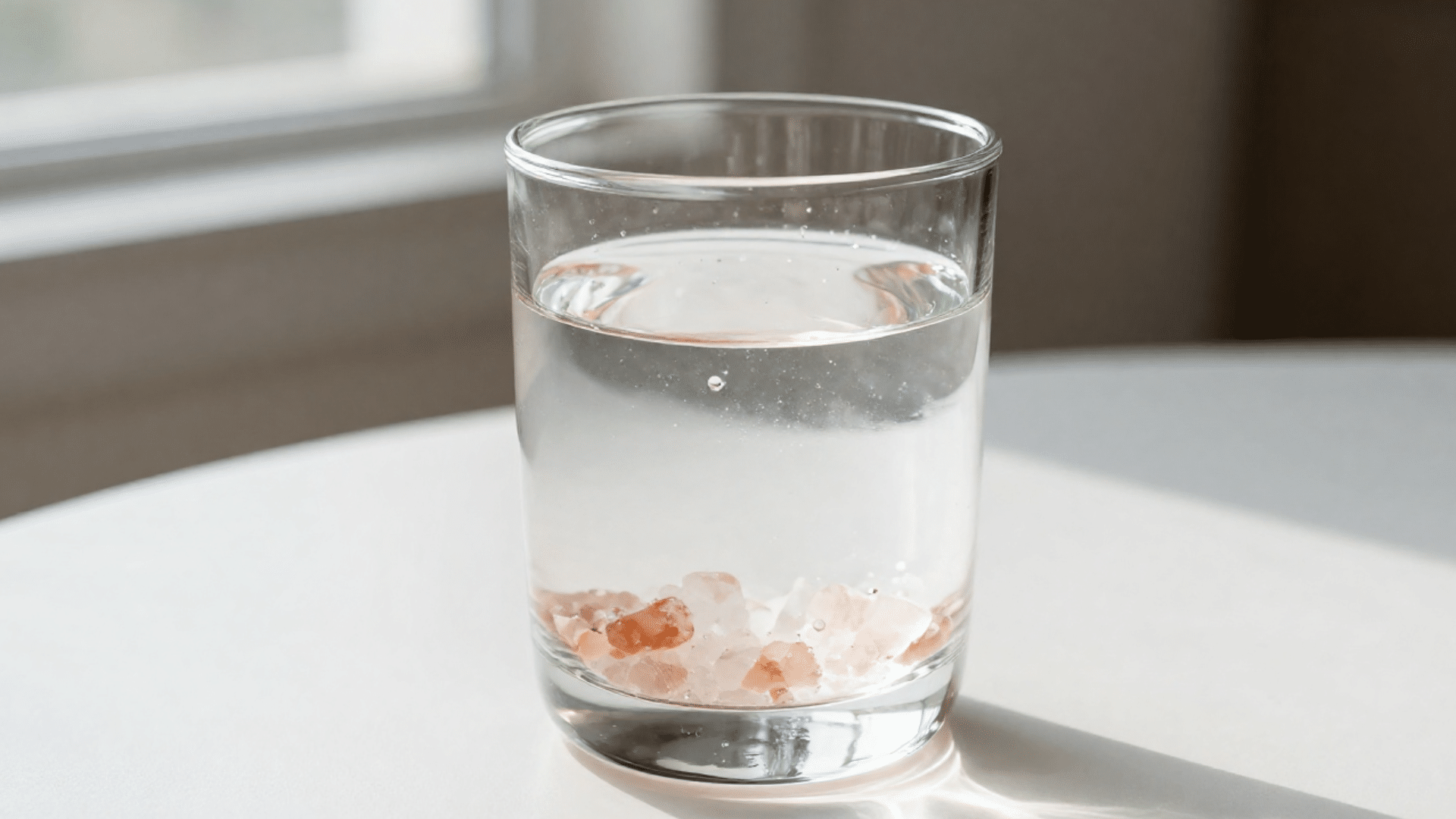
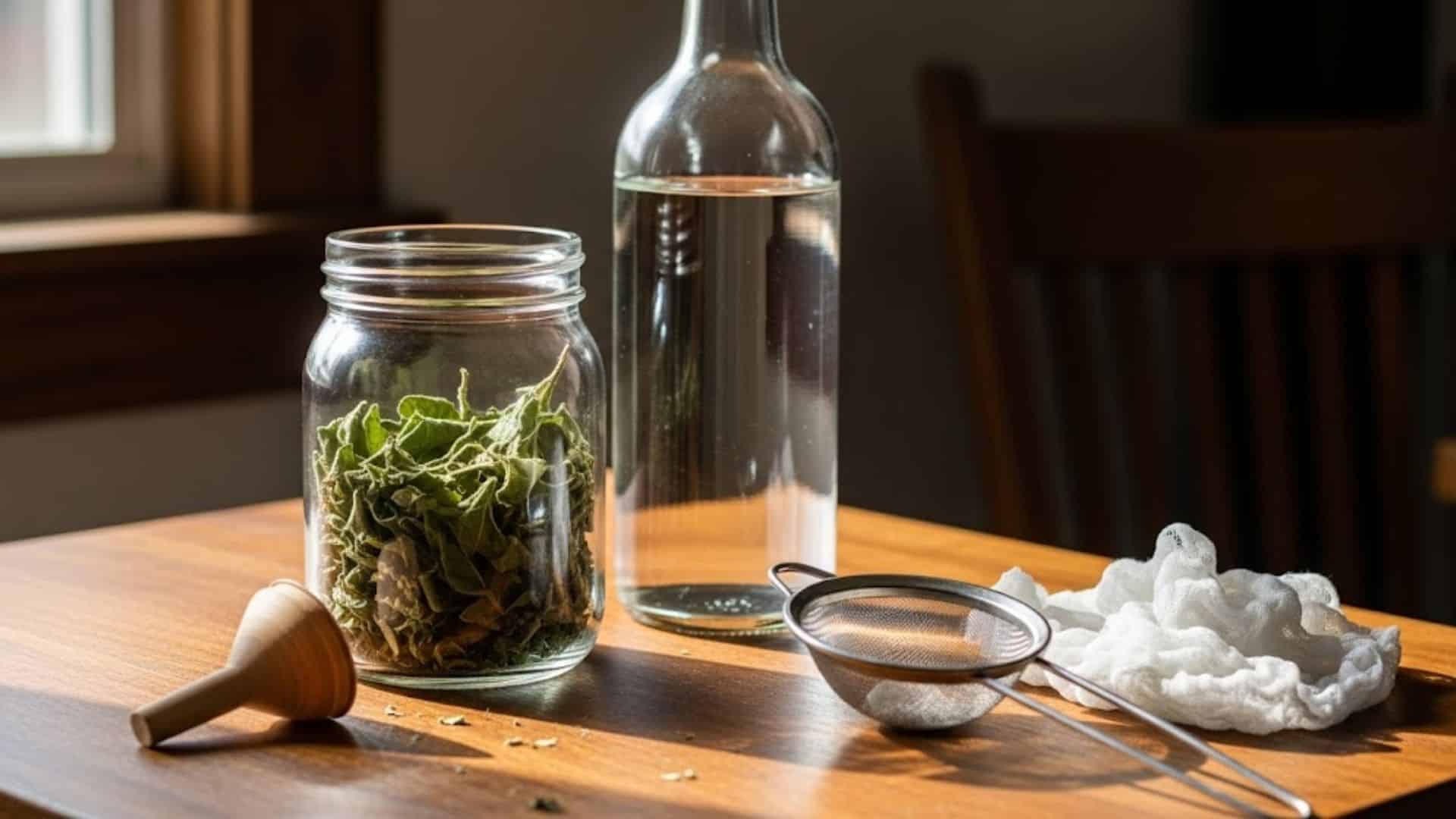
Sole water is a mineral-rich drink created by dissolving Himalayan salt crystals in water until the solution becomes fully saturated.
How to prepare it:
Step 1: Place several Himalayan salt crystals in a clean glass jar.
Step 2: Fill the jar with filtered water until the salt is covered.
Step 3: Leave the mixture overnight so the salt can dissolve and form a concentrated solution.
Step 4: In the morning, add one teaspoon of the solution to a glass of water.
Step 5: Drink it as part of your daily wellness routine.
Many people include sole water in their morning routine because it may help support hydration, provide trace minerals, and maintain electrolyte balance.
2. Himalayan Salt Bath
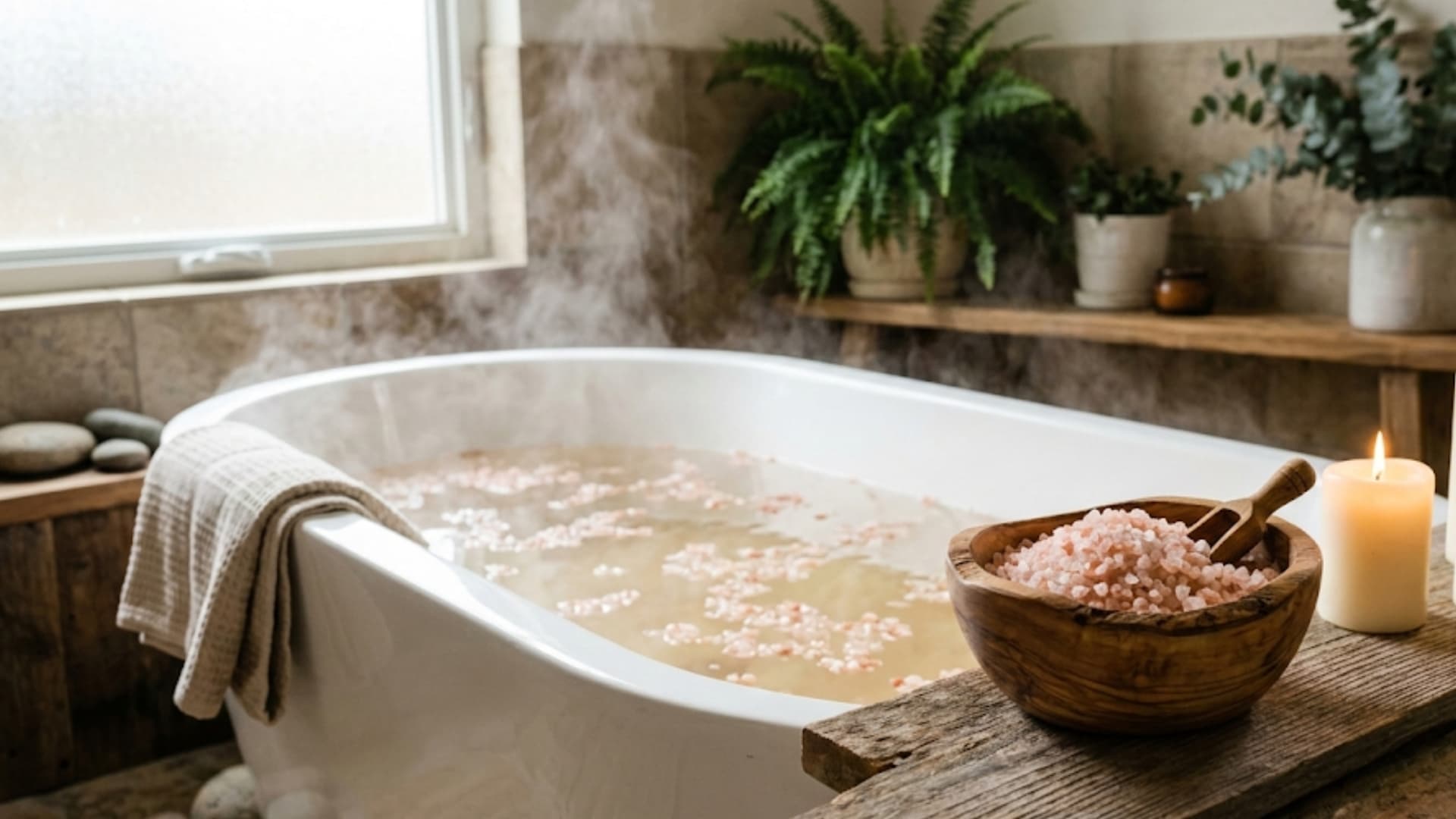
A Himalayan salt bath is commonly used to relax the body and support muscle recovery after physical activity.
How to prepare it:
Step 1: Fill your bathtub with warm water at a comfortable temperature.
Step 2: Add 1–2 cups of Himalayan pink salt to the water.
Step 3: Stir the water gently with your hand so the salt dissolves evenly.
Step 4: Soak your body in the bath for 15–20 minutes.
Step 5: Relax and breathe deeply while the warm water helps soothe muscles.
Many people use Himalayan salt baths after workouts or long days because they may help relax tired muscles and refresh the skin.
3. Himalayan Salt Scrub for Skin
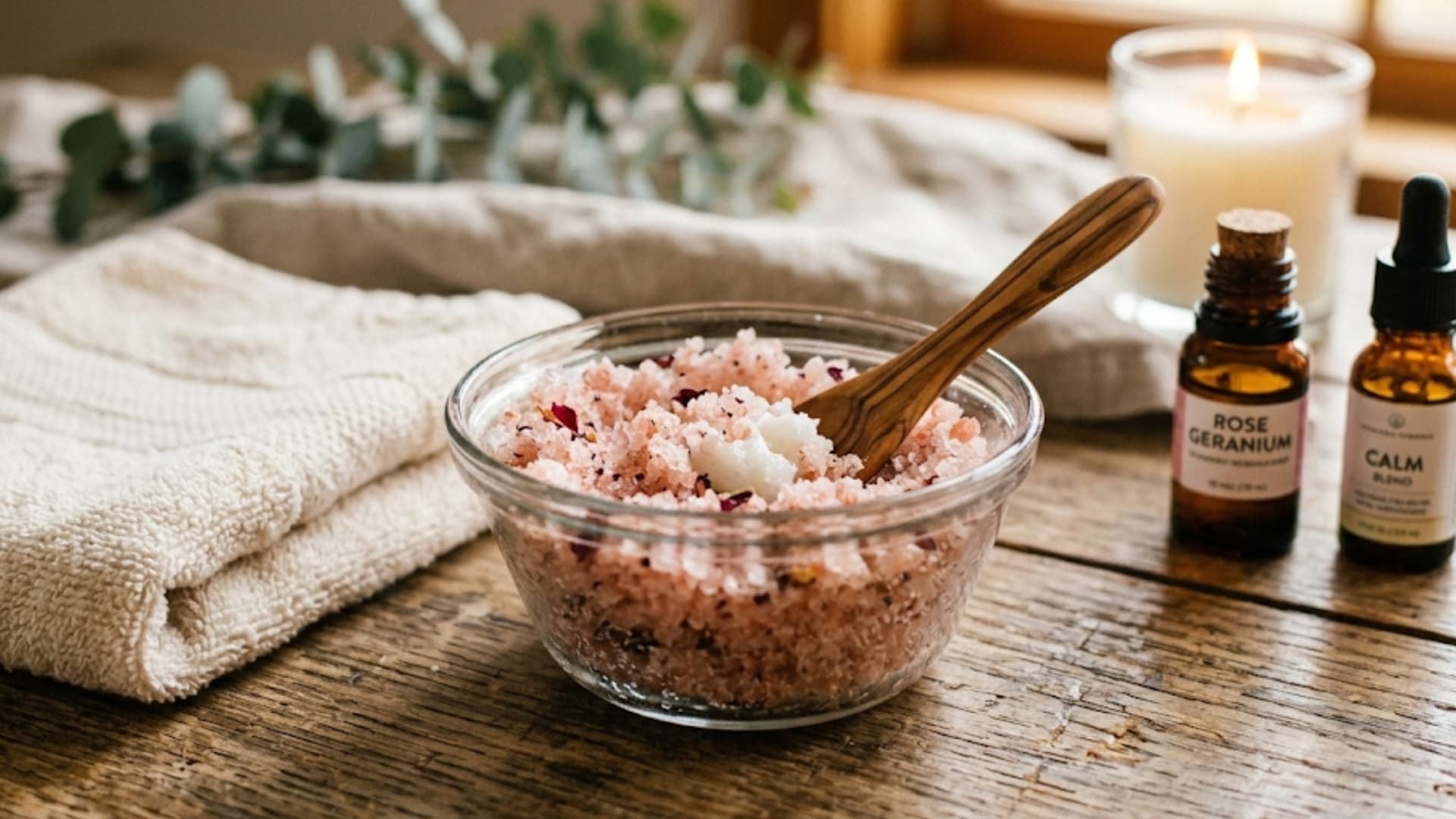
Himalayan salt can be used to create a natural exfoliating scrub that helps remove dead skin cells.
How to prepare and use it:
Step 1: Mix 1 cup of finely ground Himalayan salt with ½ cup of coconut oil or olive oil.
Step 2: Add a few drops of essential oil if you want fragrance.
Step 3: Apply the mixture to damp skin while showering.
Step 4: Gently massage the scrub in circular motions.
Step 5: Rinse your skin with warm water and pat dry.
This scrub may help improve skin texture, promote circulation, and leave skin feeling smoother and softer.
4. Cooking With Himalayan Salt
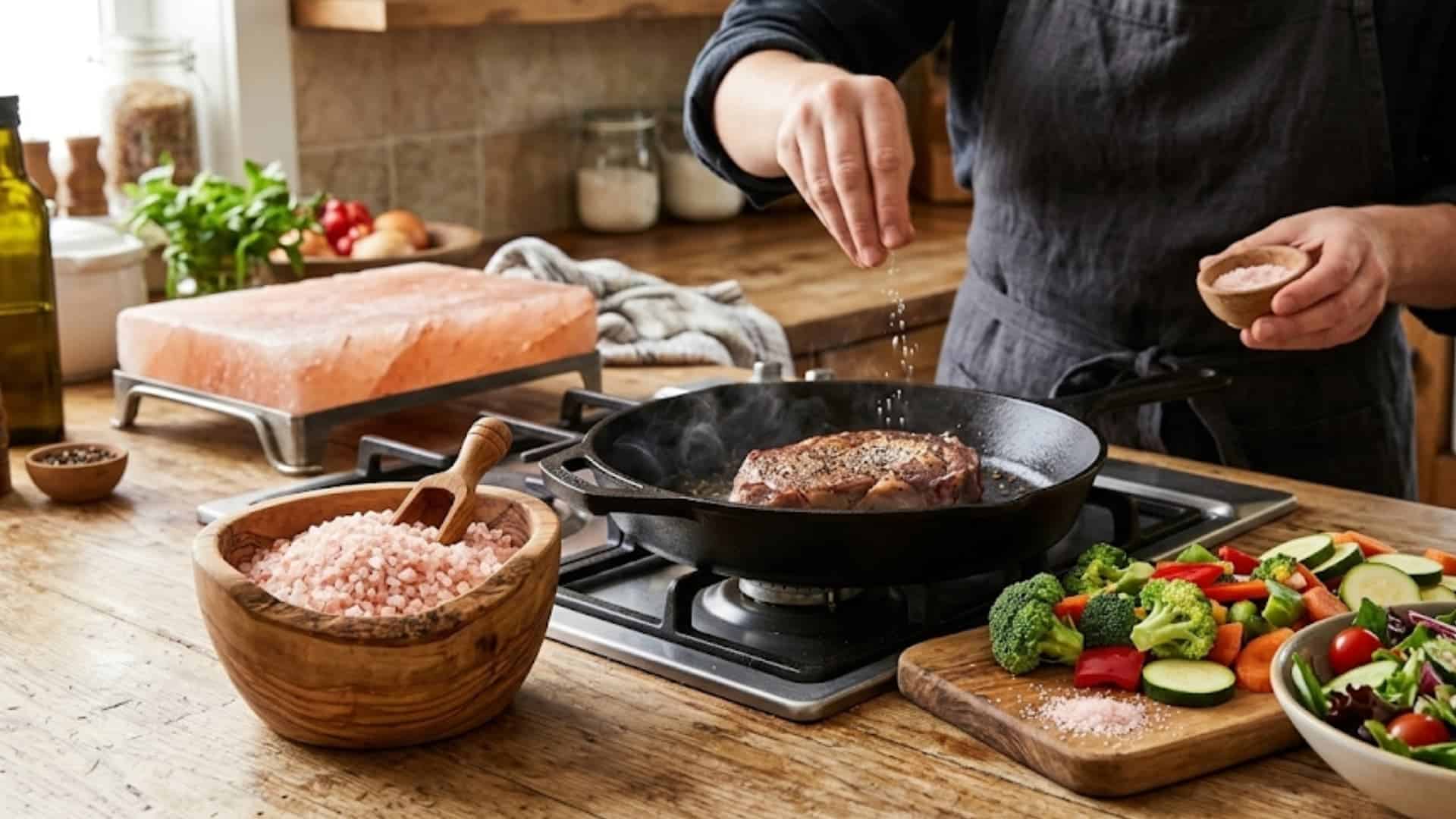
Himalayan salt is widely used in cooking as a natural seasoning for everyday meals.
How to use it in cooking:
Step 1: Use Himalayan salt as a replacement for regular table salt when seasoning food.
Step 2: Sprinkle a small amount over vegetables, soups, salads, or grilled dishes.
Step 3: Adjust the amount according to taste, just as you would with regular salt.
Step 4: Some cooks also use Himalayan salt blocks for grilling or serving food.
Step 5: Clean and dry salt blocks properly after each use.
Many people enjoy using Himalayan salt because it is less processed and contains trace minerals.
5. Himalayan Salt Lamp
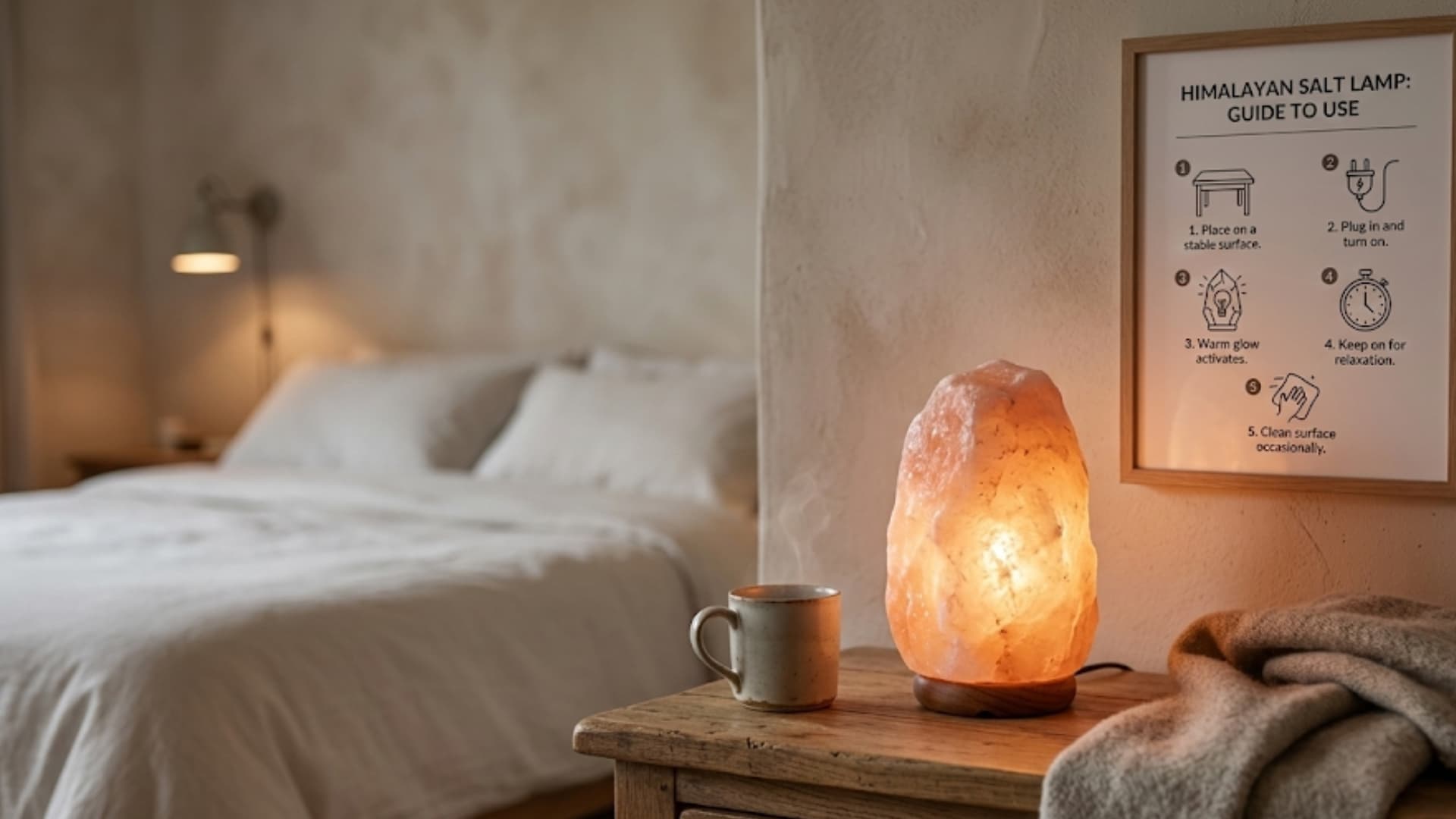
Himalayan salt lamps are decorative lamps made from large pink salt crystals with a light bulb inside.
How to use a salt lamp:
Step 1: Place the lamp on a stable surface such as a table or bedside stand.
Step 2: Plug the lamp into a power outlet.
Step 3: Turn on the lamp to activate the light inside the salt crystal.
Step 4: Allow the lamp to stay on for several hours if desired.
Step 5: Clean the surface occasionally with a dry cloth.
Many people keep salt lamps in bedrooms or living rooms because the warm glow creates a relaxing atmosphere.
6. Himalayan Salt Inhalation

Salt inhalation, also called salt therapy or halotherapy, involves breathing air through Himalayan salt crystals.
How to use a salt inhaler:
Step 1: Open the inhaler and fill it with Himalayan salt crystals if needed.
Step 2: Place the mouthpiece gently between your lips.
Step 3: Inhale slowly through the mouthpiece so air passes through the salt chamber.
Step 4: Exhale normally through your nose.
Step 5: Repeat for 10–15 minutes per session.
Some people include salt inhalation in wellness routines because it may help support respiratory comfort and breathing.
Himalayan Salt vs Regular Salt
Before switching salts, I think it helps to understand how Himalayan salt compares with regular table salt. When you see the differences, choosing the right one becomes easier.
| Feature | Himalayan Salt | Table Salt |
|---|---|---|
| Mineral Content | Contains small amounts of trace minerals | Mostly pure sodium chloride |
| Processing | Usually less refined and minimally processed | Highly processed and often contains additives |
| Uses | Used in cooking, wellness routines, and spa treatments | Mainly used for everyday cooking and food preservation |
While both types of salt provide sodium for flavor and body function, Himalayan salt is often chosen for wellness uses and natural preparation methods.
Tips for Adding Himalayan Salt to Your Wellness Routine
From my experience, adding Himalayan salt works best when you keep things simple. Starting gradually helps you find the methods that fit comfortably into your daily routine.
- Start with small amounts: Gradually increasing your intake helps your body adapt and prevents excessive sodium intake as you explore different Himalayan salt uses.
- Combine with hydration and a balanced diet: Himalayan salt works best when paired with proper hydration and a balanced diet that includes fruits, vegetables, and nutrient-rich foods.
- Use in baths or scrubs weekly: Weekly salt baths or scrubs can support relaxation and gentle skin care without overusing salt treatments on your body.
- Choose high-quality natural Himalayan salt: Always choose authentic Himalayan pink salt from trusted sources to ensure purity and avoid heavily processed or artificially colored salt.
The Bottom Line
By now, you’ve seen several practical ways to understand how to use Himalayan salt in daily life.
I walked you through what Himalayan salt is, how it compares with regular salt, and how people commonly include it in cooking and simple wellness routines.
You learned how it can be used for seasoning, salt baths, scrubs, lamps, and even saltwater solutions. When I first started learning how to use Himalayan salt, I realized the key is using it in ways that truly fit your routine.
Try a few of these ideas and see what works best for you. Start small, stay mindful of sodium intake, and keep things balanced. If you’ve already tried Himalayan salt, share your experience in the comments.