



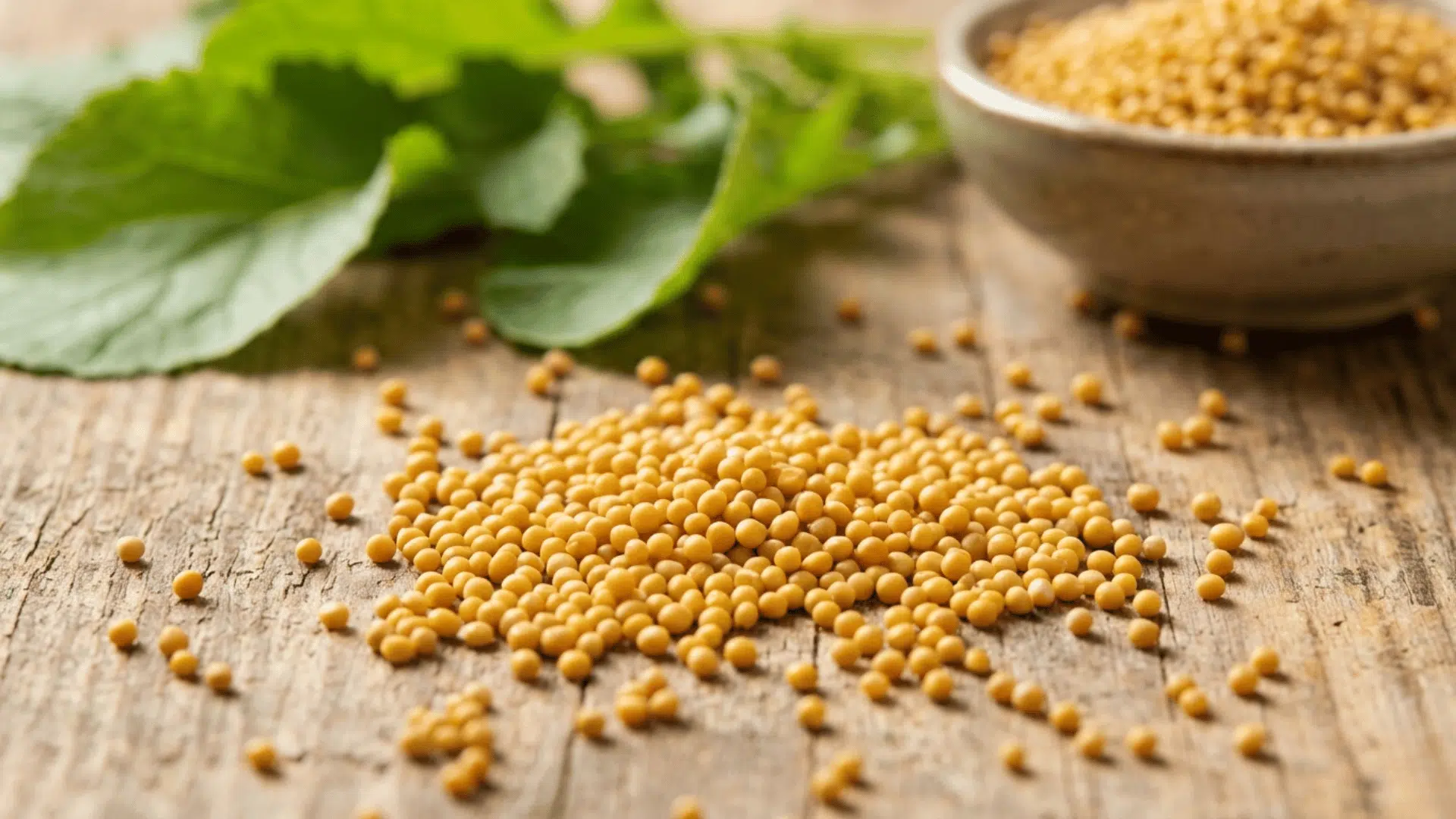





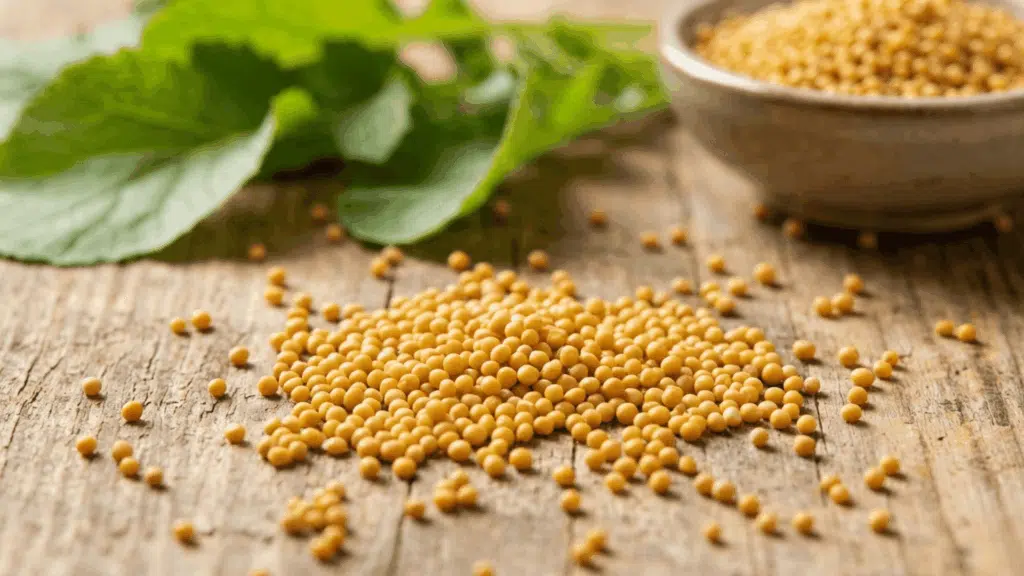

I used to see mustard seeds as just another spice sitting in the kitchen rack. Over time, I started paying closer attention to what they actually offer beyond flavor.
If you’ve been curious about mustard seed benefits, you’re not alone. Many people want simple foods that support digestion, heart health, and everyday wellness.
These tiny seeds contain minerals, antioxidants, and plant compounds that play a role in how your body functions. When you add them to meals, you’re doing more than seasoning food.
I’ll walk you through their nutritional value, the health benefits they may offer, ways you can use them in cooking, and a few things you should keep in mind before adding them regularly.
Nutritional Value of Mustard Seeds
Mustard seeds may be small, but they contain many nutrients that support everyday health. They provide protein, healthy fats, minerals, and plant compounds. When you add even a small amount to meals, you can increase the overall nutrient value of your food.
| Nutrient (per 100 g) | Amount |
|---|---|
| Calories | 508 kcal |
| Protein | 26 g |
| Total Fat | 36 g |
| Carbohydrates | 28 g |
| Fiber | 12 g |
| Calcium | 266 mg |
| Magnesium | 370 mg |
| Iron | 9 mg |
| Potassium | 738 mg |
| Selenium | 208 mcg |
| Vitamin B6 | 0.4 mg |
| Folate | 162 mcg |
These nutrients help support several important body functions. Minerals like magnesium, calcium, and iron support bones, muscles, and blood health.
Protein and healthy fats provide energy, while fiber supports digestion and gut function. Adding mustard seeds to meals is a simple way to include extra nutrients in your daily diet.
Health Benefits of Mustard Seeds
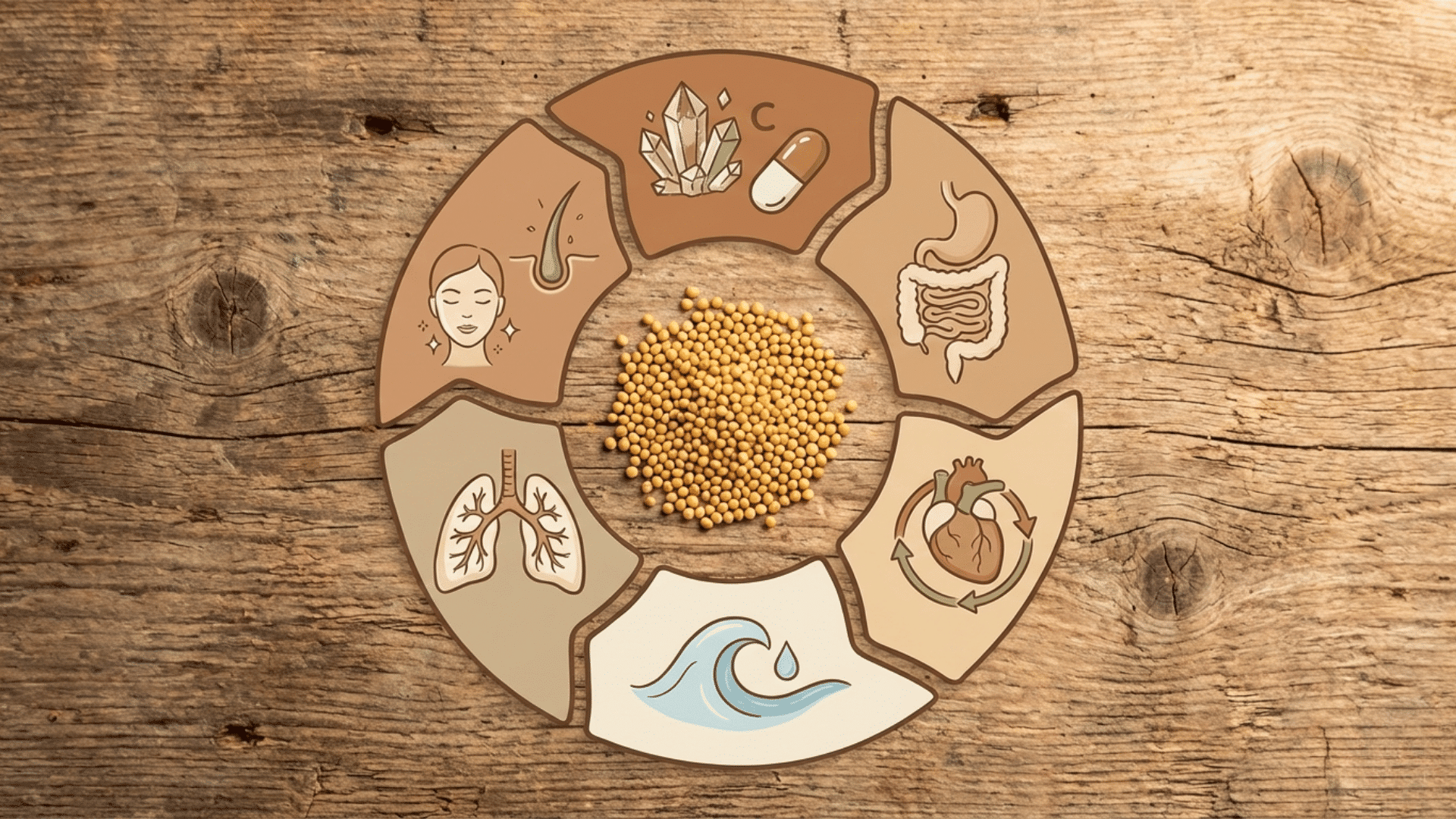
Mustard seeds contain minerals, antioxidants, and plant compounds that support many body functions. When you include small amounts in meals, you may support digestion, heart health, immunity, and overall body balance.
1. Supports Heart Health
Mustard seeds provide healthy fats, magnesium, and selenium that support normal heart function. These nutrients help maintain healthy blood vessels and support normal circulation.
Magnesium helps relax blood vessels, which may help maintain healthy blood pressure levels. Antioxidants in mustard seeds also help protect cells from oxidative stress that can affect heart health over time.
2. Helps Support Digestion
Mustard seeds may help support healthy digestion by stimulating digestive enzymes. These enzymes help the body break down food more efficiently. The seeds also contain fiber, which supports gut movement and helps maintain regular bowel activity.
In many traditional diets, mustard seeds are used in cooking because they help the stomach process heavier foods more comfortably.
3. Supports Bone Health
Mustard seeds contain minerals such as calcium, magnesium, and phosphorus that help support strong bones. These nutrients work together to maintain bone structure and support normal bone development.
Magnesium also plays a role in helping the body use calcium properly. Including small amounts of mustard seeds in meals can help add extra minerals that contribute to overall bone support.
4. Provides Anti-Inflammatory Support
Mustard seeds contain natural plant compounds that help support the body’s response to inflammation. These compounds, along with antioxidants, help protect cells from damage caused by oxidative stress.
Long-term inflammation can affect many parts of the body, so foods with protective compounds may support overall health when included regularly as part of balanced meals.
5. Supports Immune Function
Mustard seeds provide antioxidants and minerals such as selenium that support the immune system. These nutrients help the body protect cells and support normal immune responses.
Antioxidants work by helping reduce oxidative stress that can weaken the body’s defenses. Including mustard seeds in meals can add small but helpful nutrients that contribute to daily immune support.
6. May Support Metabolism
Mustard seeds contain compounds that may help support normal metabolic activity in the body. Minerals such as magnesium and selenium help enzymes perform many important processes, including energy production.
Some studies suggest that mustard seed compounds may help the body use nutrients efficiently, which can support overall metabolism when combined with a balanced diet and active lifestyle.
Possible Side Effects of Mustard Seeds
Mustard seeds are generally safe when used in small amounts in cooking. However, like many spices, eating too much may cause certain side effects for some people.
- Possible allergies: Some people may have mustard allergies. Symptoms can include skin irritation, swelling, or digestive discomfort after consuming mustard seeds.
- Irritation if eaten in large amounts: Consuming large amounts may irritate the stomach or throat because mustard seeds contain strong natural compounds.
- Considerations for certain medical conditions: People with digestive problems or thyroid concerns should consult a healthcare professional before regularly consuming large quantities.
Eating mustard seeds in moderation usually helps avoid unwanted reactions while still allowing you to enjoy their flavor and nutritional value.
How Mustard Seeds are Used in Cooking
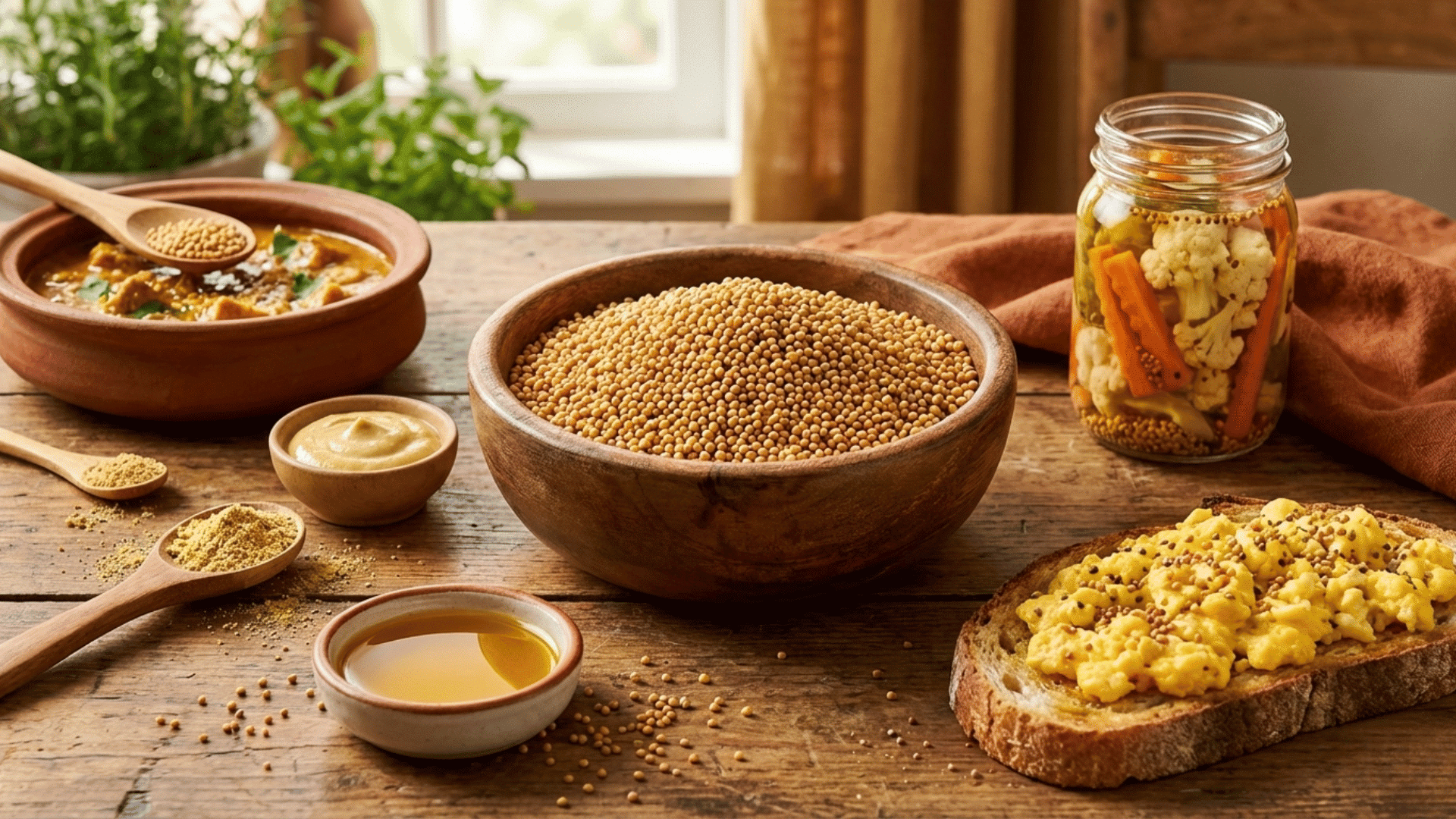
Mustard seeds are widely used in many kitchens because they add flavor, texture, and aroma to food. You can use them whole, crushed, or ground, depending on the recipe.
When heated in oil or mixed into sauces, mustard seeds release a sharp and slightly spicy taste that improves many dishes.
Tempering in curries: You can heat mustard seeds in oil until they pop. This releases their flavor and aroma. The flavored oil is then used as a base for curries, lentils, and vegetable dishes.
Salad dressings: Ground mustard seeds or mustard powder can be mixed with vinegar, oil, salt, and herbs. This creates a tangy dressing for salads and roasted vegetables.
Pickles: Mustard seeds are often added to pickles. They give pickled vegetables a mild spicy taste and balance sour flavors.
Sauces and condiments: Many sauces and marinades include mustard seeds or mustard powder. They add a sharp taste and blend well with vinegar, garlic, honey, and herbs.
Mustard paste: You can mix ground mustard seeds with water, vinegar, or lemon juice to make mustard paste. It works well as a spread or condiment.
It adds strong flavor to sandwiches, marinades, and sauces, and you can adjust the thickness based on your recipe.
Tips for Buying and Storing Mustard Seeds
Buying and storing mustard seeds properly helps maintain their flavor, aroma, and quality for a longer time.
- How to choose fresh seeds: Choose seeds that look clean, dry, and uniform in color. Avoid seeds that appear dusty, dull, or have a musty smell.
- Storage in airtight containers: Store mustard seeds in airtight containers to protect them from moisture, air, and light, which can reduce their flavor.
- Shelf life: Whole mustard seeds can stay fresh for up to one year when stored properly in a cool, dry place.
Proper storage helps keep mustard seeds fresh, ensuring they retain their flavor and remain useful in everyday cooking.
Different Types of Mustard Seeds and Their Uses
Mustard seeds come in several varieties, and each type has its own flavor and uses in cooking. The three most common types are yellow, brown, and black mustard seeds. They differ in taste, strength, and the dishes where they are commonly used.
| Type of Mustard Seed | Flavor | Common Uses |
|---|---|---|
| Yellow Mustard Seeds | Mild, slightly tangy flavor | Used in American mustard, salad dressings, sauces, and pickles |
| Brown Mustard Seeds | Stronger and slightly spicy | Common in Indian cooking, curries, and spice blends |
| Black Mustard Seeds | Very strong and sharp flavor | Often used in tempering for South Asian dishes and traditional spice mixes |
Each type of mustard seed adds a different flavor to food. Yellow seeds work well in mild sauces, while brown and black seeds are often used in hot oil to release their strong aroma in many savory dishes.
Conclusion
After looking closely at mustard seeds, I realized they offer more than a strong taste in food. You’ve seen how their nutrients support digestion, heart health, bones, and immune function.
I also covered their nutrition, different types, ways you can use them in cooking, and a few precautions to keep in mind. When you add small amounts to meals, you give your body extra minerals and plant compounds that support daily health.
I like keeping them in my kitchen because they are simple to use and easy to include in everyday recipes. Now it’s your turn to try them. Start adding a small pinch to your dishes and see how it works for you.
If you’ve already used mustard seeds, share your experience or favorite recipe in the comments.