



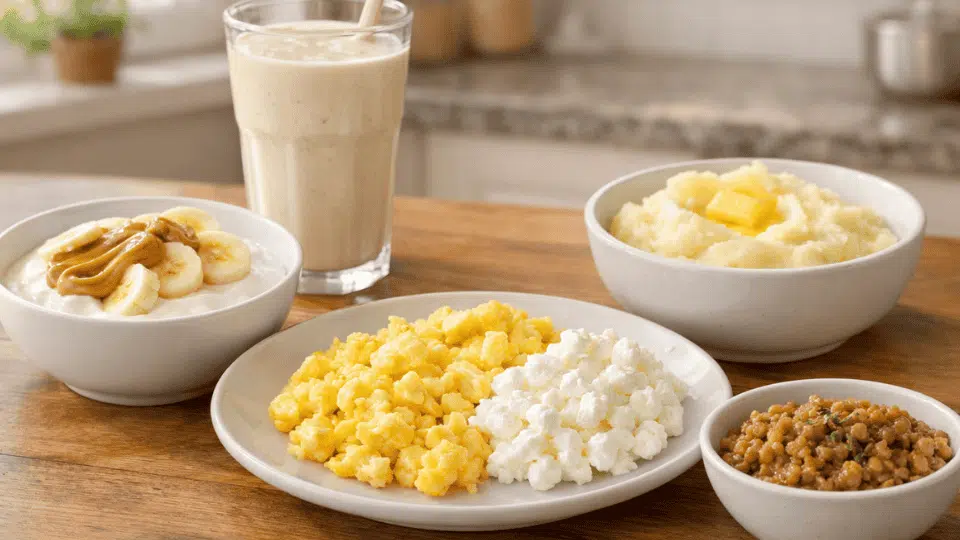









When you need high-protein soft foods, it can feel harder than it should be. I’ve seen how quickly meals become stressful when chewing hurts or when swallowing feels uncomfortable.
Many protein-rich foods are tough or dry, which makes things even more frustrating. Still, your body needs protein every day for healing, strength, and energy.
From what I’ve learned, the right food choices really do make a big difference. In this guide, you’ll find soft foods that are high in protein and easy to eat.
You’ll also get practical tips inspired by real discussions, along with ideas for elderly diets, post surgery meals, and simple ways to increase protein without making food harder to swallow.
Why Soft Texture Matters for Recovery
Soft texture plays a bigger role in healing than most people think. When chewing feels painful or tiring, you naturally eat less. That can slow down recovery and reduce protein intake.
Soft foods lower the strain on your jaw, teeth, and throat, which makes eating more comfortable. They also reduce the risk of choking, especially for older adults or anyone with swallowing trouble.
After dental work or surgery, eating soft foods helps protect sensitive areas and prevent irritation. Some people also find that smooth, moist foods feel gentler on the stomach.
When the texture is right, eating becomes easier, safer, and more consistent. And that helps your body get the protein it needs to heal properly.
How much protein do you actually need?
General guidelines suggest 0.8 grams of protein per kilogram of body weight for healthy adults.
However, older adults typically need around 1.0 to 1.2 grams per kilogram to maintain muscle mass, support immune function, and aid recovery.
People healing from surgery may need even more. If you are unsure about your specific needs, a registered dietitian can help you set a daily protein target.
High-Protein Soft Foods to Add to Your Diet
From what I’ve seen helping people adjust their diets, these high-protein soft foods are easy to chew, gentle to swallow, and simple to prepare while still giving your body the protein it needs.
1. Greek Yogurt
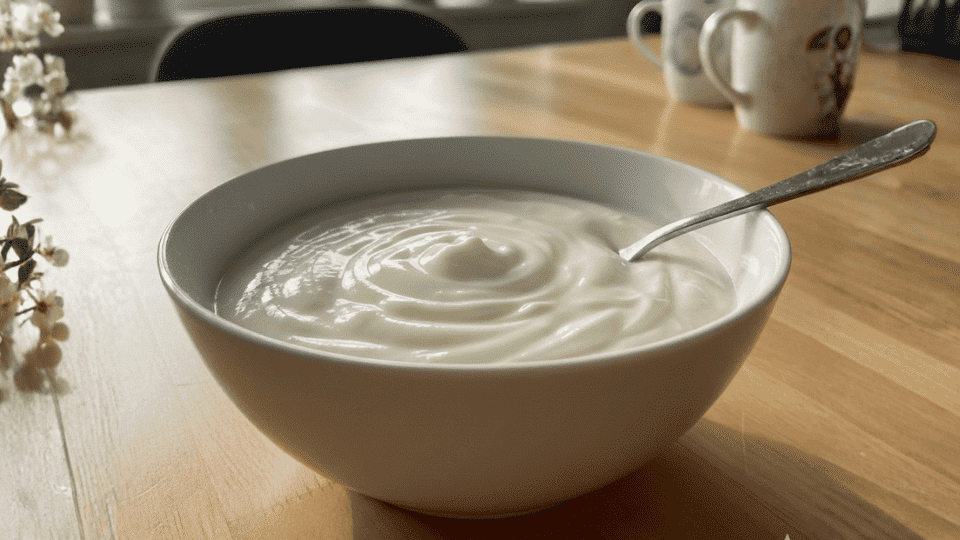
Greek yogurt is a soft, protein-rich food that supports strength and recovery. One cup usually gives you about 15 to 20 grams of protein.
Its thick, smooth texture makes it easy to eat and swallow. Choose plain yogurt to keep sugar low. You can mix in nut butter or protein powder to boost protein and make it more filling.
2. Cottage Cheese
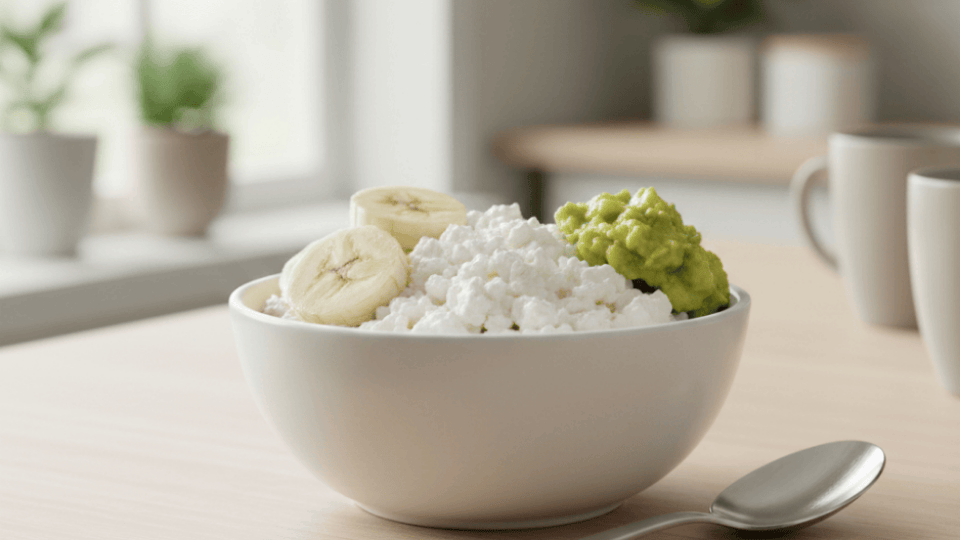
Cottage cheese is a soft, protein-rich food that works well for easy meals and recovery. A half cup gives you about 12 to 14 grams of protein.
Its moist texture makes it simple to chew and swallow. You can blend it for an even smoother texture. Try mixing it with mashed fruit or avocado for added flavor and nutrition.
3. Scrambled Eggs
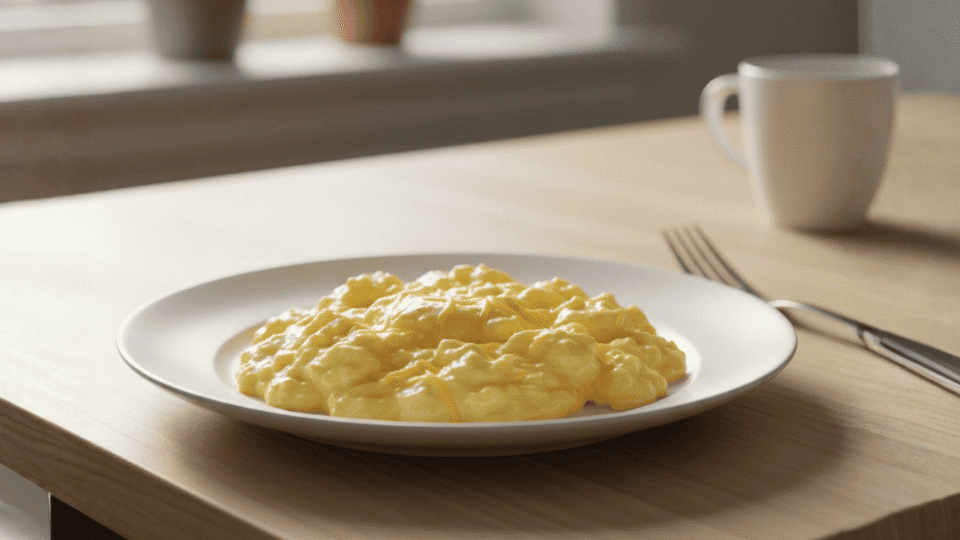
Scrambled eggs are a simple, soft food that gives your body steady protein during recovery. One egg provides about 6 grams of protein.
When you cook them gently, they stay soft and easy to eat. Avoid cooking for too long so they do not turn dry. You can add milk or cheese to increase protein and flavor.
4 . Protein Smoothies
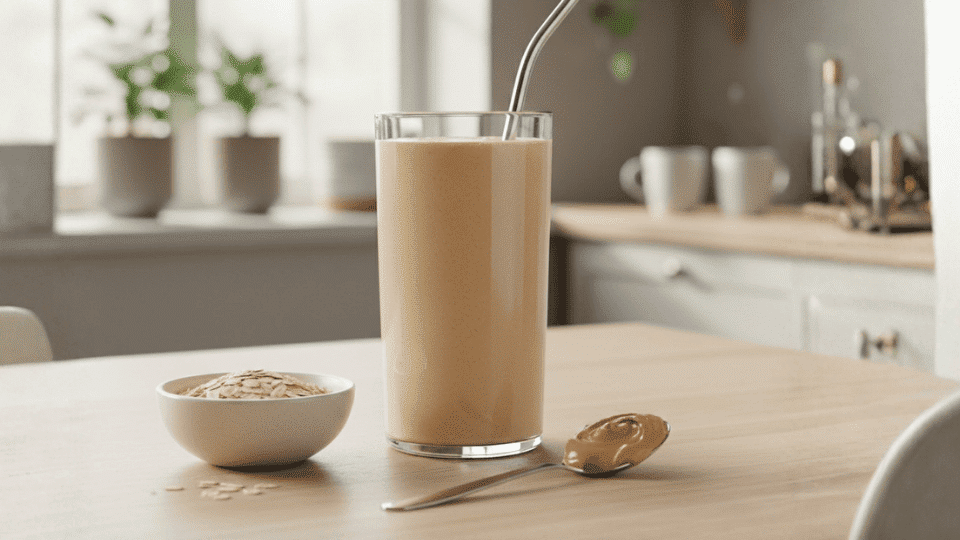
Protein smoothies are a simple way to add protein when eating feels hard. One serving can give you 20 grams of protein or more.
You can use whey protein, plant protein, or Greek yogurt as the base. Blend everything until fully smooth. Add peanut butter or oats if you need extra calories and steady energy.
5. Tofu
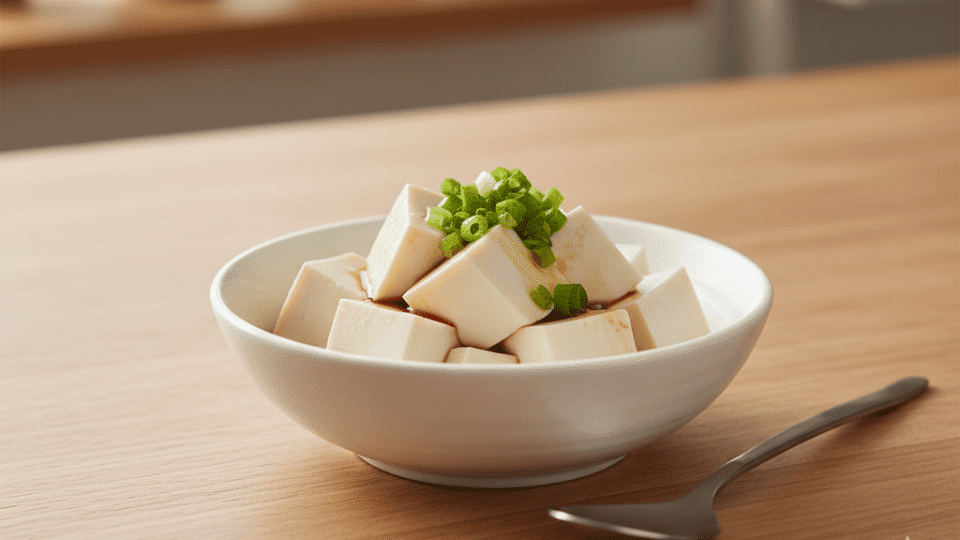
Soft or silken tofu is a gentle food that adds steady protein to light meals. One serving gives you about 8 to 10 grams of protein.
Its smooth texture makes it easy to chew and swallow. You can blend it into soups or smoothies. Light seasoning adds flavor, and it works well for simple plant-based meals.
6. Poached Fish
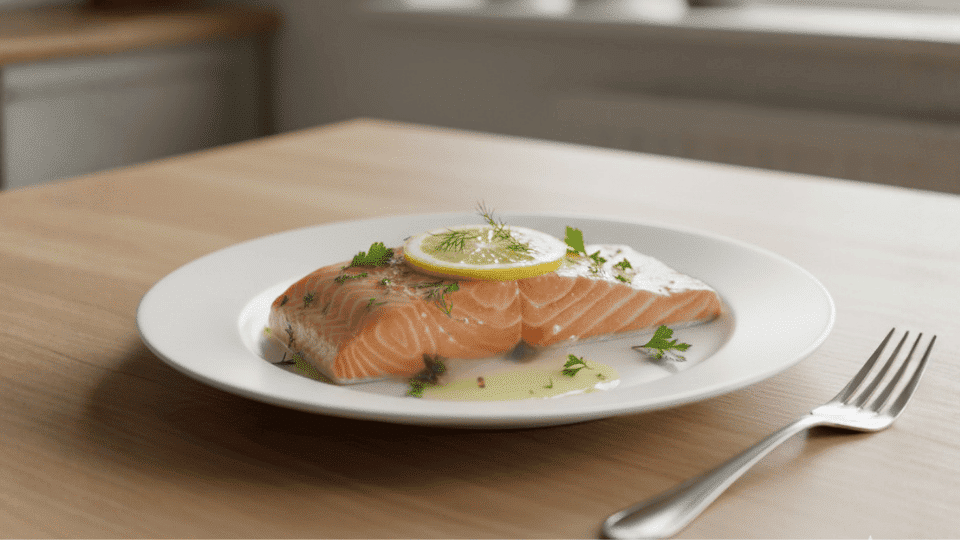
Poached fish is a soft, high-protein option that helps support healing and muscle strength. One serving usually provides about 18 to 22 grams of protein.
Fish like salmon or cod become tender and flake easily when cooked gently. Keep the cooking method simple to hold moisture. Avoid frying, since it can make the fish dry and harder to eat.
Salmon also provides omega-3 fatty acids, which research suggests can help reduce inflammation and support tissue repair after surgery.
7. Mashed Beans or Lentils
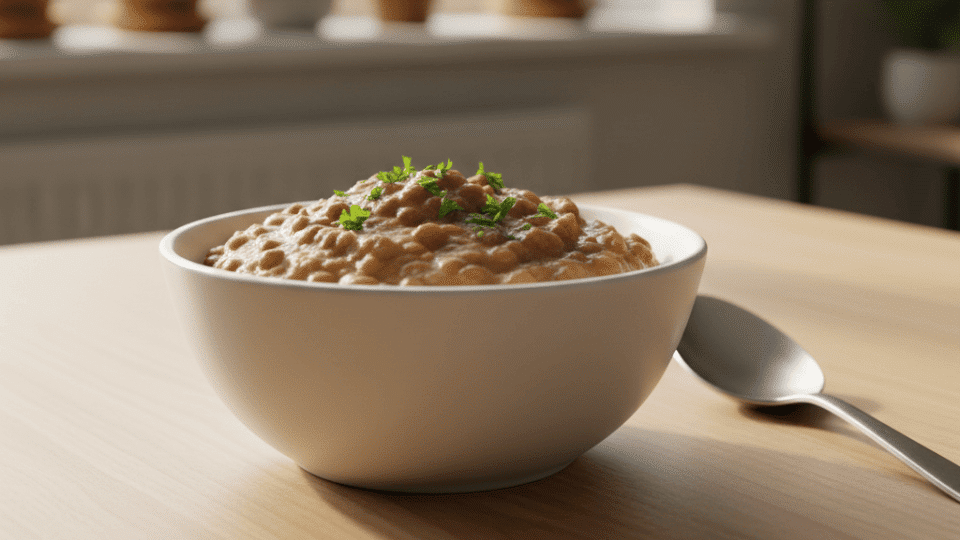
Well-cooked beans or lentils are soft, plant-based foods that add steady protein to meals. A half cup gives you about 7 to 9 grams of protein.
Cook them until very tender, then mash for a smoother texture. You can turn them into hummus or soft spreads. They feel filling, budget-friendly, and work well in plant-focused diets.
8. Soft Chicken Salad
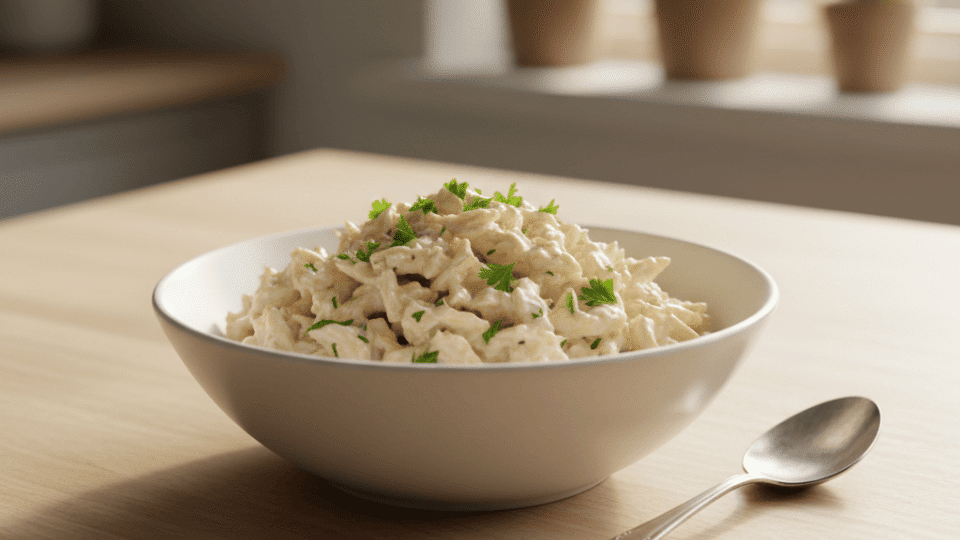
Finely shredded chicken is a soft, high-protein option that supports recovery and daily strength. Three ounces provide about 21 grams of protein.
Chop the meat very small or pulse it briefly in a food processor. Mix with yogurt or mayonnaise to keep the texture moist. Avoid large chunks so it stays easy to chew and swallow.
9. Protein Fortified Soups
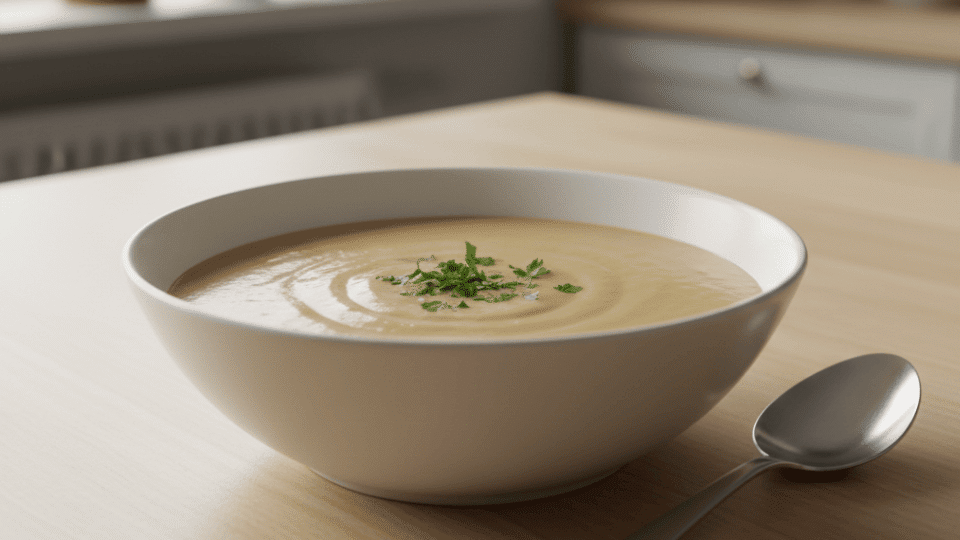
Protein-fortified soups are a gentle way to increase protein intake during recovery. One bowl can provide 15 grams of protein or more.
Blend the soup until fully smooth, so it is easy to sip. You can stir in powdered milk or protein powder to increase the protein content. Choose mild flavors to keep the meal light and easy to digest.
10. Oatmeal with Protein Add-Ins
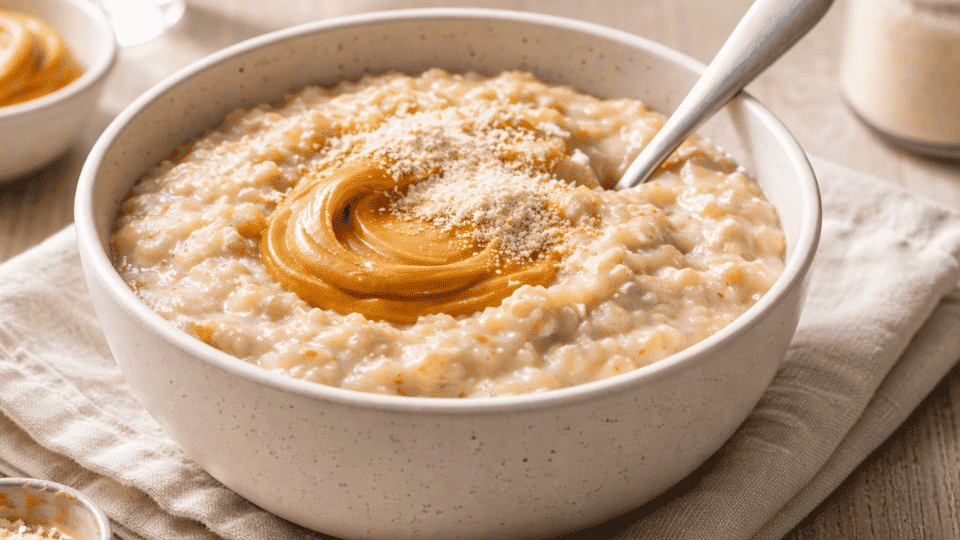
Oatmeal becomes soft and creamy when cooked slowly, making it easy to chew and swallow. One cup of cooked oatmeal gives about 5 to 6 grams of protein.
You can raise the protein by mixing in milk, nut butter, or protein powder. Cook it until very soft so the texture stays smooth and comfortable to eat.
11. Ricotta Cheese
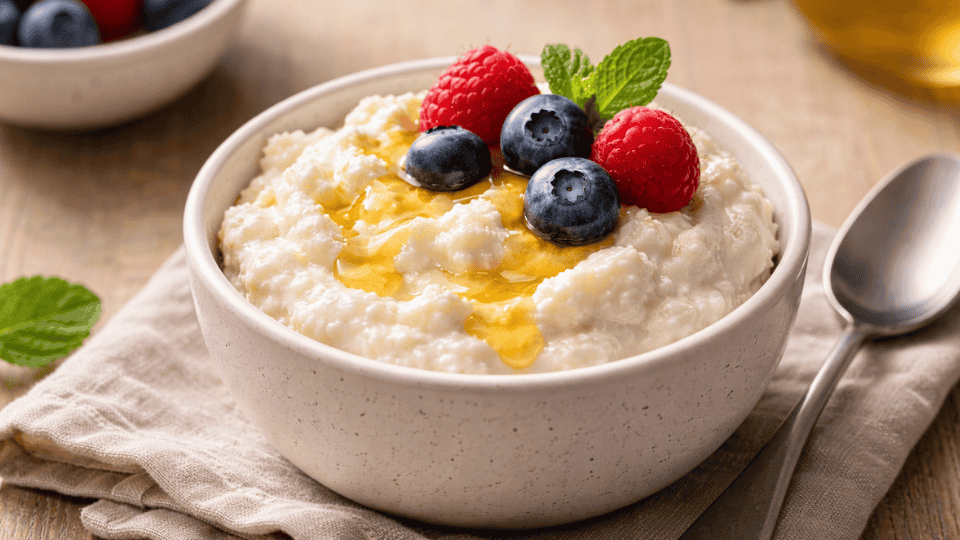
Ricotta cheese is a smooth dairy food that provides steady protein and a creamy texture. A half cup usually gives 10 to 12 grams of protein.
Its soft consistency makes it easy to eat without much chewing. You can mix it into oatmeal, pasta, or soft vegetables, or pair it with fruit for a simple snack.
12. Tuna Salad
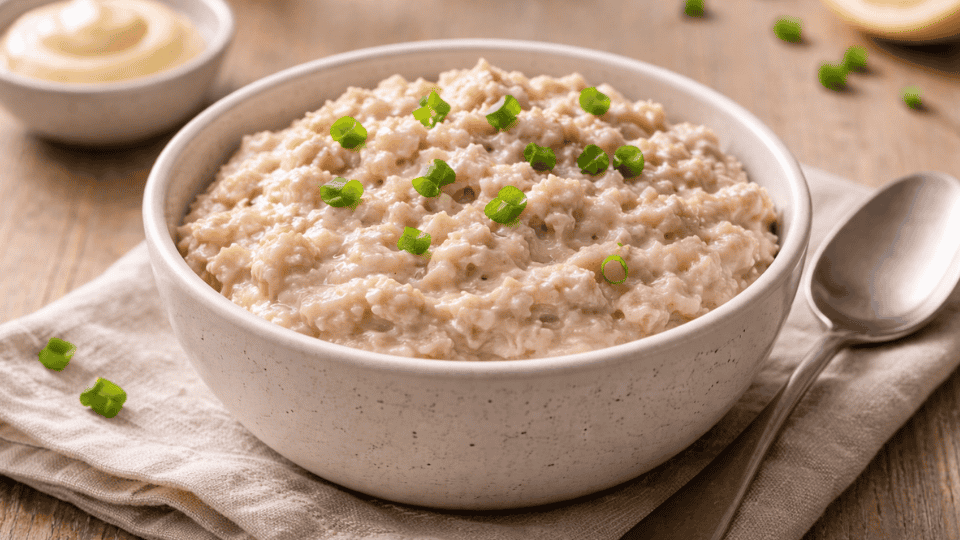
Tuna is a strong protein source that becomes soft when mixed into a moist salad. Three ounces of tuna provide about 20 grams of protein.
Mash the tuna well and mix it with yogurt or mayonnaise. This keeps the texture smooth and easy to swallow, while also helping prevent dryness during eating.
13. Lentil Soup
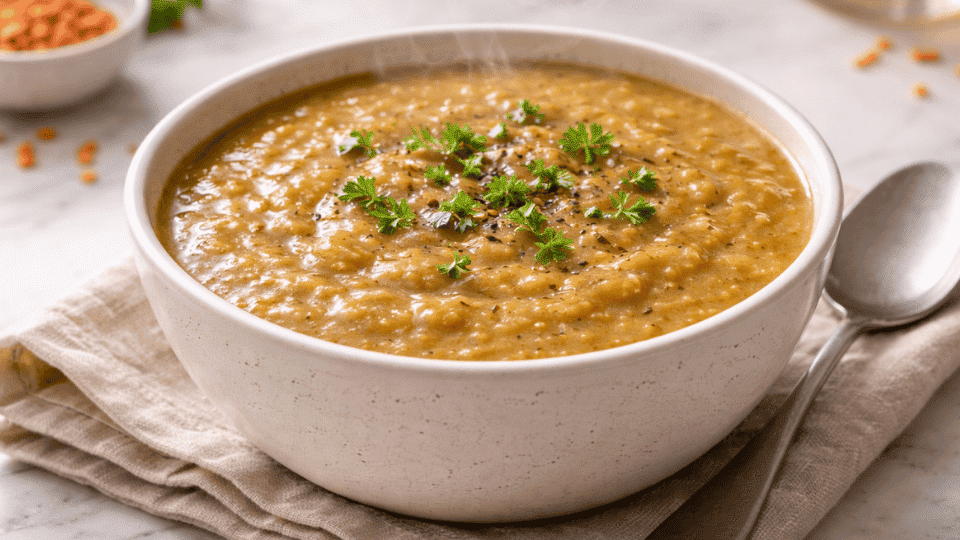
Lentil soup is a warm, comforting meal that provides steady plant-based protein. One cup often provides 15 to 18 grams of protein.
Cook the lentils until they become very tender so they break down easily. Blending the soup can create a smoother texture, making it easier to swallow during recovery or dental healing.
14. Creamy Peanut Butter
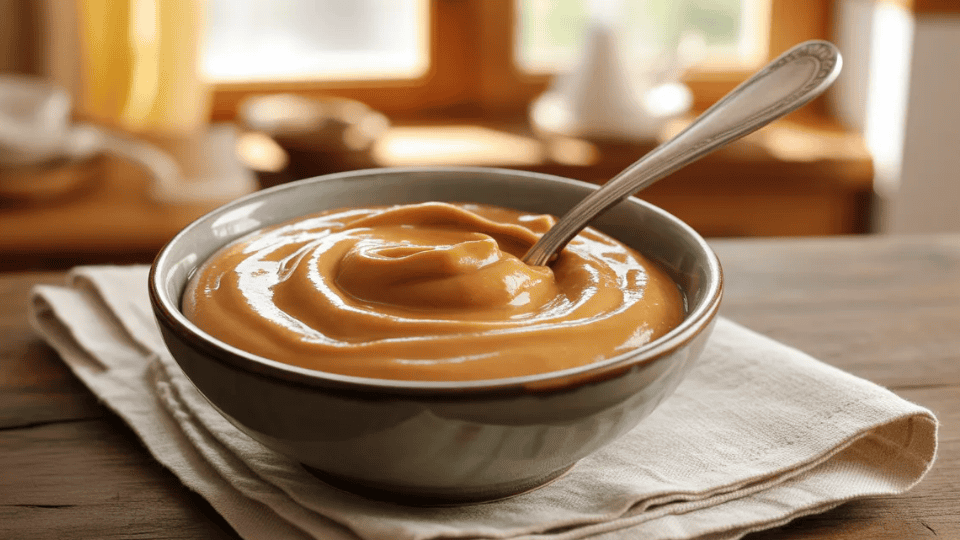
Creamy peanut butter is a smooth food that provides both protein and healthy fats. Two tablespoons usually give about 7 to 8 grams of protein.
Its thick texture makes it easy to spread or mix into soft foods. You can stir it into oatmeal, smoothies, or yogurt to boost protein while keeping the meal gentle to chew.
15. Mashed Chickpeas
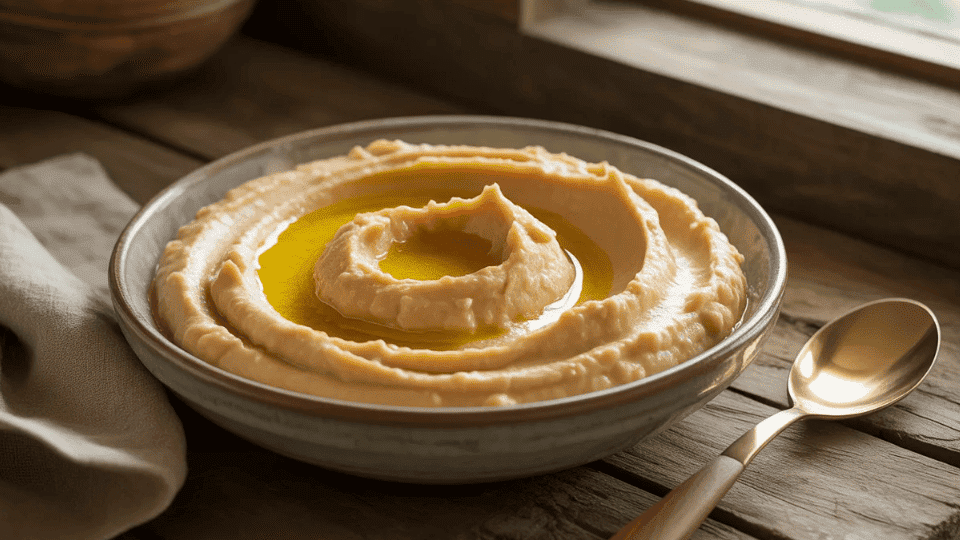
Mashed chickpeas are a soft, plant-based food that adds steady protein and fiber to meals. A half cup contains about 7 grams of protein.
Cook them until very tender, then mash them well with olive oil or yogurt. This creates a smoother texture that works well as hummus or a soft spread.
16. Silken Yogurt Smoothie
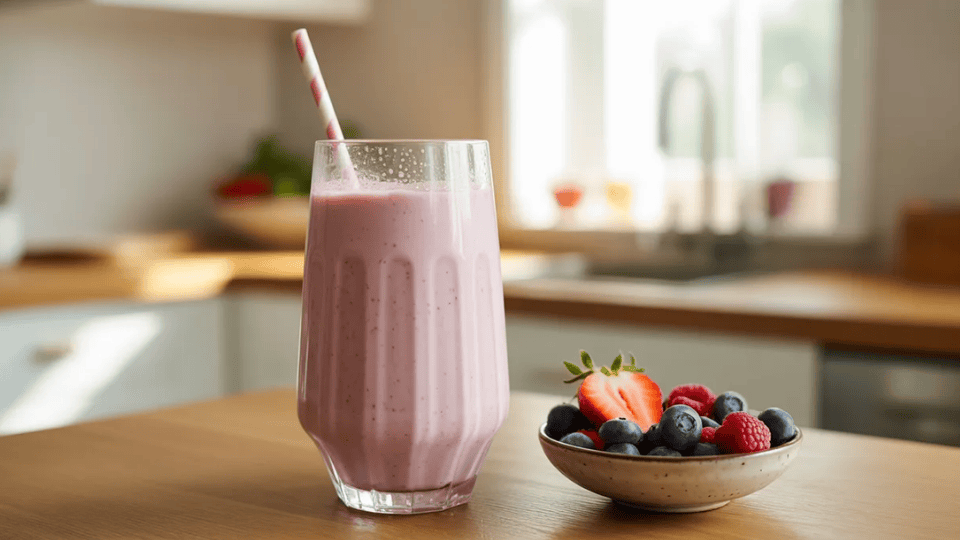
A yogurt smoothie made with silken yogurt creates a soft drink that is easy to swallow. One serving can provide 15-20 grams of protein, depending on the ingredients.
Blend yogurt with milk or fruit until completely smooth. This keeps the texture gentle while adding protein, calories, and nutrients to support recovery and daily energy.
17. Custard
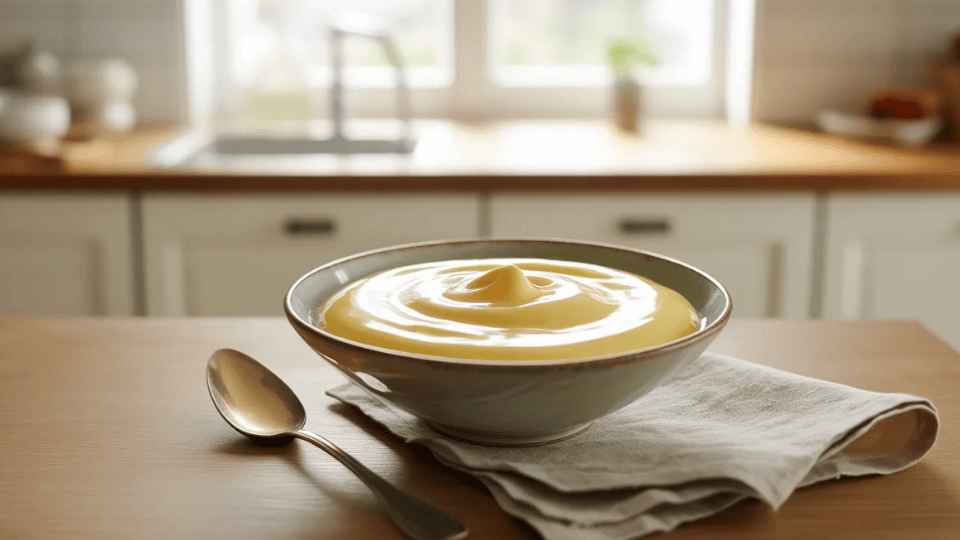
Custard is a soft food made with milk and eggs, giving gentle protein and a creamy texture. One serving usually contains 6 to 8 grams of protein.
Its smooth consistency makes it easy to swallow without chewing. Custard works well as a light dessert or snack when you need softer foods.
18. Meatballs
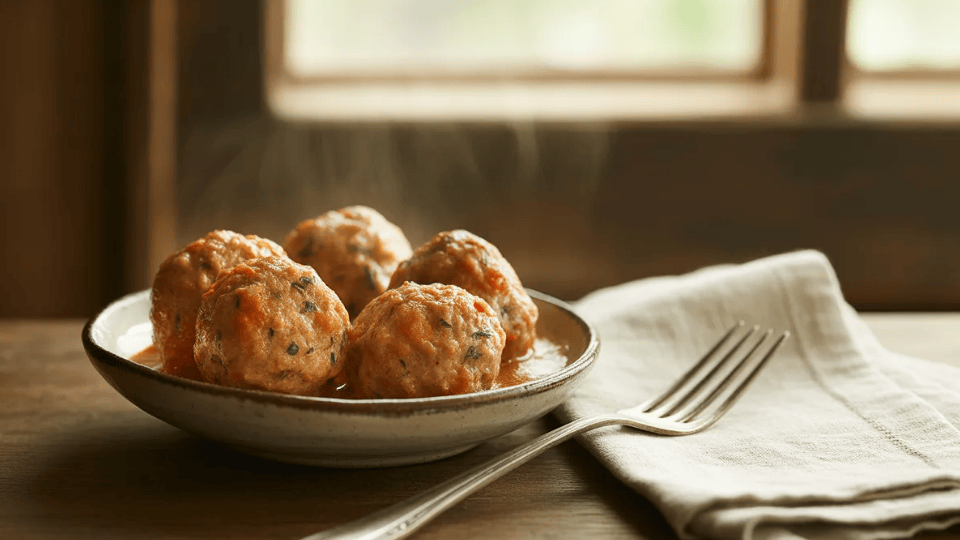
Soft meatballs provide a solid source of protein while remaining tender and easy to chew. Three ounces usually contain 18 to 20 grams of protein.
Cooking them slowly helps keep moisture inside the meat. Adding breadcrumbs or milk to the mixture also improves softness, making them easier to eat during recovery periods.
19. Quinoa Porridge
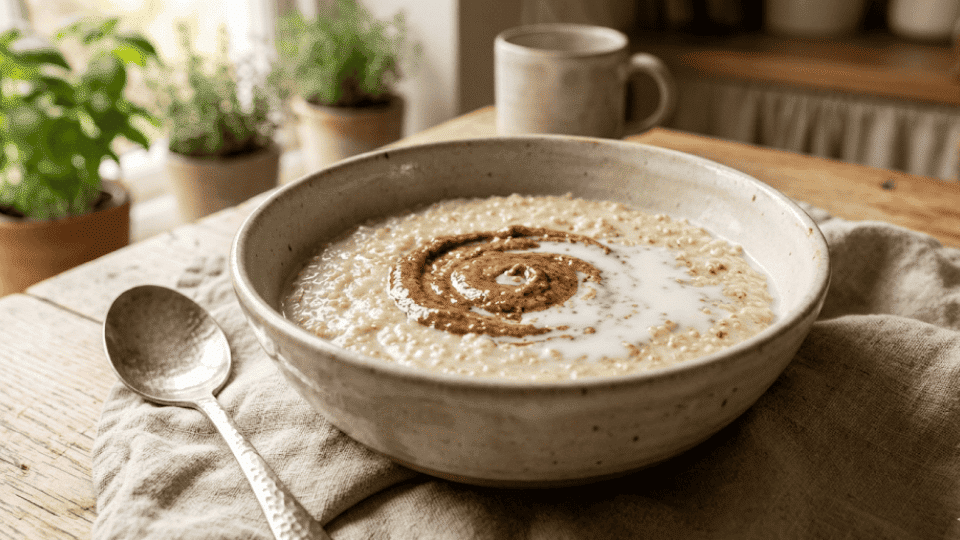
Quinoa can become soft and creamy when cooked with extra liquid, forming a gentle porridge. One cup of cooked quinoa offers about 8 grams of protein.
Unlike most grains, quinoa is a complete protein, meaning it contains all nine essential amino acids. This makes it especially useful for plant-based soft food diets.
Cooking it longer softens the grains and improves texture. You can add milk, yogurt, or nut butter to increase both protein and overall calories.
20. Egg Salad
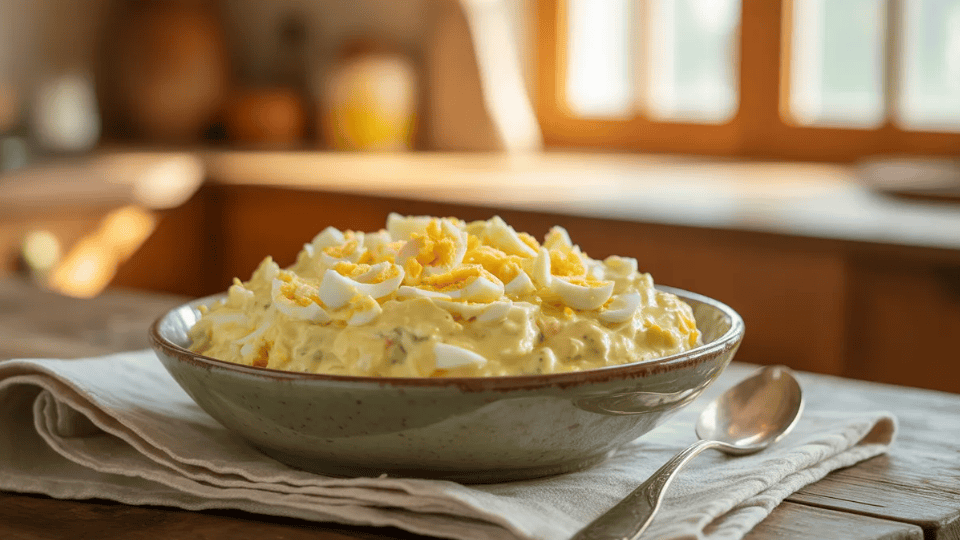
Egg salad is a soft, creamy dish that provides steady protein in an easy-to-eat form. Two eggs usually give about 12 grams of protein.
Chop the eggs finely and mix them with yogurt or mayonnaise. The creamy texture keeps the salad moist, which helps make swallowing easier and more comfortable during dental recovery or when chewing feels difficult.
21. Mashed Avocado with Cottage Cheese
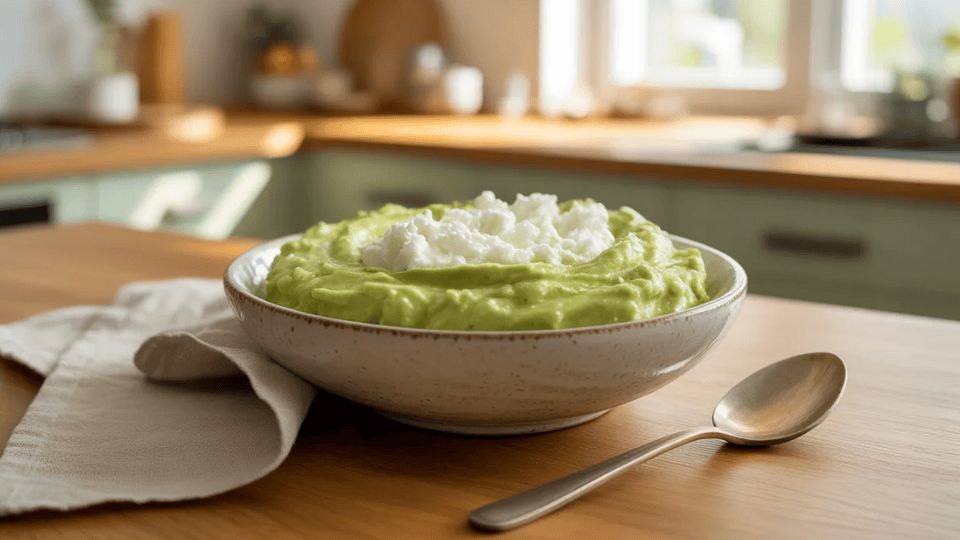
Mashed avocado with cottage cheese creates a soft, creamy food that is easy to chew and swallow. One serving can provide 12-14 grams of protein, depending on the portion size.
Mash the avocado until smooth, then mix in cottage cheese. The blend stays moist, mild in flavor, and works well as a light meal or snack.
Foods to Avoid on a Soft Diet
Knowing what to avoid is just as important as knowing what to eat. These foods are typically too tough, dry, or irritating for someone on a soft food diet:
- Tough or fibrous meats — gristle, sausage casings, hot dogs, jerky, or grilled chicken breast (too dense)
- Hard raw vegetables — broccoli, cabbage, Brussels sprouts, corn, and raw carrots
- Chewy breads and whole grains — granola, bran cereals, whole-grain breads with seeds or nuts, popcorn
- Dry or crunchy snacks — crackers, chips, nuts, and hard seeds
- Spicy or highly seasoned foods — these can irritate healing tissues, especially after oral or gastrointestinal surgery
- Sticky foods — caramel, gummy candies, or thick nut butters eaten on their own without blending into softer foods
If a food requires significant chewing, causes pain, or feels like it catches in your throat, avoid it until you have cleared it with your doctor or dietitian.
How to Increase Protein Without Making Food Harder to Eat
Small changes can raise protein without changing the texture too much. These ideas help add nutrition while keeping meals soft and easy to swallow.
- Add protein powder to soft foods: Unflavored protein powder can be stirred into yogurt, oatmeal, mashed potatoes, or soups. Mix it well so the texture stays smooth and does not become thick or grainy.
- Mix powdered milk into mashed potatoes: A few spoonfuls of powdered milk can be added while mashing potatoes. This increases protein and calories without changing the softness or overall taste too much.
- Use Greek yogurt instead of sour cream: Plain Greek yogurt can replace sour cream in dips or mashed vegetables. It provides more protein while keeping the same creamy, soft texture.
- Add nut butter to smoothies: Peanut butter or almond butter works well. It adds protein and healthy fats while keeping the drink thick, smooth, and easy to swallow.
- Blend meats into soups: Cooked chicken or turkey can be blended into broth-based soups. This keeps the soup soft while adding protein without large or chewy pieces.
- Check the protein-to-calorie ratio: A useful rule from post-surgical dietitians is to aim for 15 calories or fewer per gram of protein. For example, Greek yogurt and cottage cheese score well on this measure, while high-fat options like cheese sauce score poorly. This helps you get more protein without overshooting your calorie needs.
Small changes can make soft meals more nourishing. With a few smart additions, you can increase protein while keeping food smooth, gentle, and easy to eat.
High-Protein Soft Foods for the Elderly: Special Considerations
Older adults face unique challenges when it comes to soft, high-protein eating. Beyond chewing difficulty, factors like reduced appetite, medication side effects, and limited cooking ability all affect how much protein seniors actually get each day.
A few things that help:
- Smaller, more frequent meals — Four to six small protein-rich meals throughout the day is often more effective than three large ones for seniors with low appetite.
- Fortified foods — Adding powdered milk or protein powder to soft foods like mashed potatoes or oatmeal is one of the easiest ways to increase protein without adding volume or chewing difficulty.
- Flavor matters — Appetite tends to decrease with age. Adding mild herbs or warm spices (not hot/spicy) can make soft meals more appealing and encourage consistent eating.
- Dysphagia awareness — Some older adults have dysphagia (difficulty swallowing), a condition that requires specific texture modifications beyond just “soft.” If swallowing is painful or food frequently gets stuck, a speech-language pathologist or dietitian should assess the situation before dietary changes are made independently.
Community Discussion: High-Protein Soft Meals
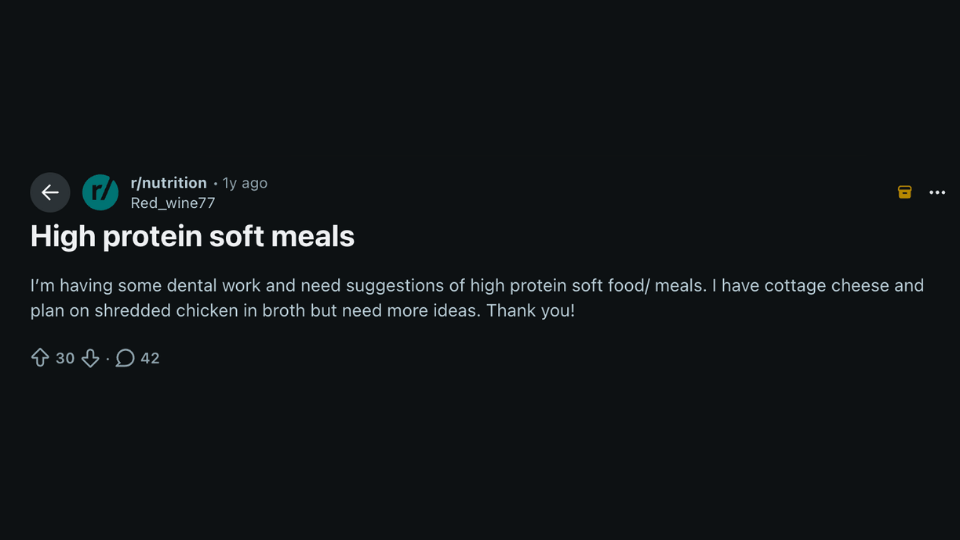
High-protein soft meals were the focus of a recent Reddit discussion where someone asked for ideas after dental work made chewing painful.
In the thread, people shared practical suggestions like cottage cheese, soft scrambled eggs, Greek yogurt, and protein smoothies.
Others recommended silken tofu, mashed beans with cheese, lentil soup, and bone broth with blended chicken.
Several users with experience in post-surgical recovery noted that even foods labeled “soft” can feel too tough right after dental procedures — and that blending or pureeing familiar foods was more reliable than switching to entirely new foods.
The takeaway from those discussions aligns with what dietitians recommend: prioritize texture first, protein second. A food that is high in protein but painful to eat is not useful during recovery.
Sample One-Day High-Protein Soft Food Meal Plan
A balanced daily plan can include plenty of protein while still focusing on foods that are soft, smooth, and gentle to eat.
| Meal | Food Idea | Protein Benefit |
|---|---|---|
| Breakfast | Greek yogurt mixed with peanut butter and mashed banana | Around 20g of protein with a smooth, creamy texture that is easy to swallow |
| Morning Snack | Protein smoothie with whey powder and milk | Provides about 20–30g of protein in a thick, soft drink |
| Lunch | Soft scrambled eggs mixed with cottage cheese | Adds extra protein while keeping the texture moist and tender |
| Afternoon Snack | Mashed lentils blended with olive oil | Plant-based protein with fiber in a soft, filling form |
| Dinner | Poached salmon with mashed potatoes and blended carrots | High-quality protein with a flaky, moist texture that is easy to chew |
This simple example shows how soft foods can still provide strong protein throughout the day while keeping meals gentle, filling, and easy to eat.
Conclusion
Finding high-protein soft foods does not have to feel overwhelming. I know how stressful it can be when you need easy meals but still want enough protein to heal and stay strong.
The good news is that you have many simple options. From yogurt and eggs to smoothies and soft fish, you can build meals that are both gentle and filling.
Remember to eat the skin off and prioritize texture first — a food that is painful to eat is not helping you recover, no matter how much protein it contains. And if you are an older adult or managing a condition like dysphagia, working with a dietitian can help you build a plan that is both safe and nourishing.
If you focus on texture and protein at the same time, you’ll feel more confident about what to eat. Try a few of these ideas and see what works best for you.
If this guide helped, share it with someone who might need it too, and save it for later when you plan your meals.