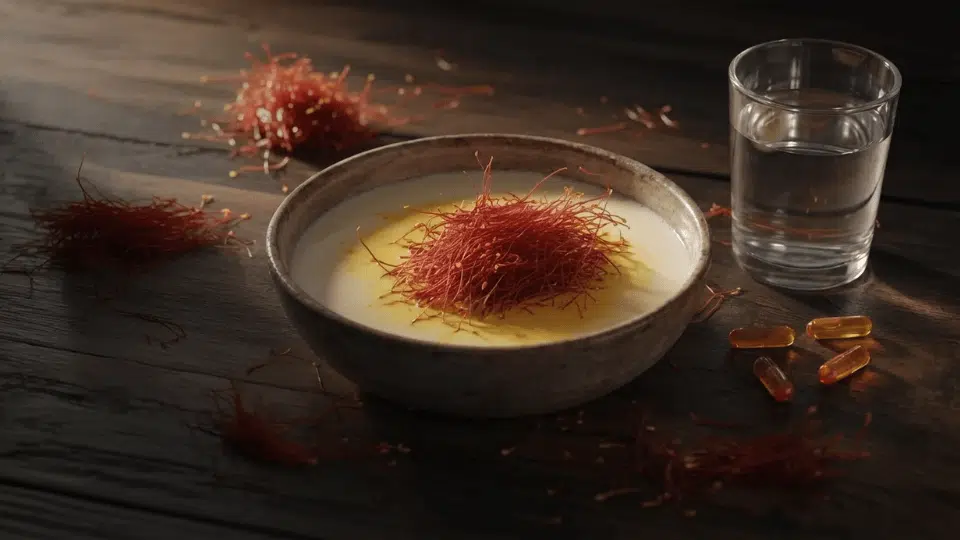












Saffron has quietly moved from the spice rack to the supplement shelf, often marketed as a natural detox agent that cleanses the liver and supports kidney health.
Its way from warming saffron tea to a marketed detox supplement is a story worth paying attention to. These claims are everywhere, and some are rooted in real science.
But real science also has limits, and those limits rarely make it into the marketing copy. In my experience, saffron is one of the most misrepresented herbs in wellness; the promising findings, the neutral ones, and where the detox narrative quietly loses ground, all deserve an honest look.
Is Saffron Really a Detox Herb?
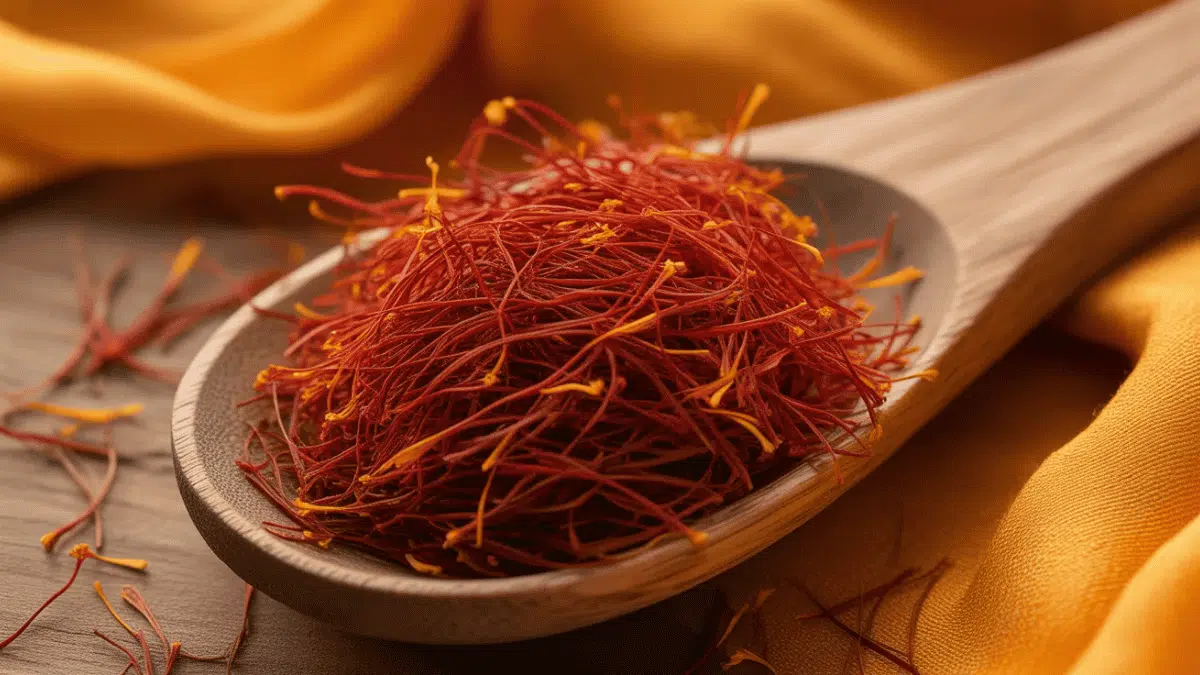
Saffron comes from the delicate stigmas of the Crocus sativus flower, a spice I’ve worked with closely over the years.
Its three key compounds, crocin, safranal, and picrocrocin, carry real antioxidant and anti-inflammatory properties, which is why saffron gets tied to detox conversations so often.
Antioxidants do something meaningful: they help reduce oxidative stress in the body, supporting overall cellular health. They also help calm chronic inflammation, which is linked to a range of health concerns.
But reducing oxidative stress and inflammation is not the same as “detoxifying” your liver or kidneys, and that distinction matters more than most wellness content lets on.
The Liver’s Real Role in Detox
The liver is one of the hardest-working organs in the body. It filters toxins, breaks down medications, and continuously clears waste, without ever needing a reset. Before you move forward, you should know:
- Liver detox involves two distinct phases. Phase I converts harmful substances into intermediate compounds, while Phase II binds them for safe removal, both tightly regulated by the body itself.
- Certain herbs can support liver health. This applies mostly in cases of stress or dysfunction, which is very different from “detoxing” a perfectly healthy liver.
In healthy people, this process runs smoothly and consistently on its own.
Most detox supplements claim to “boost” liver function, but they tend to oversimplify what is a deeply layered biological system, and that is exactly where detox marketing quietly loses its credibility.
Research on Saffron and Liver Health
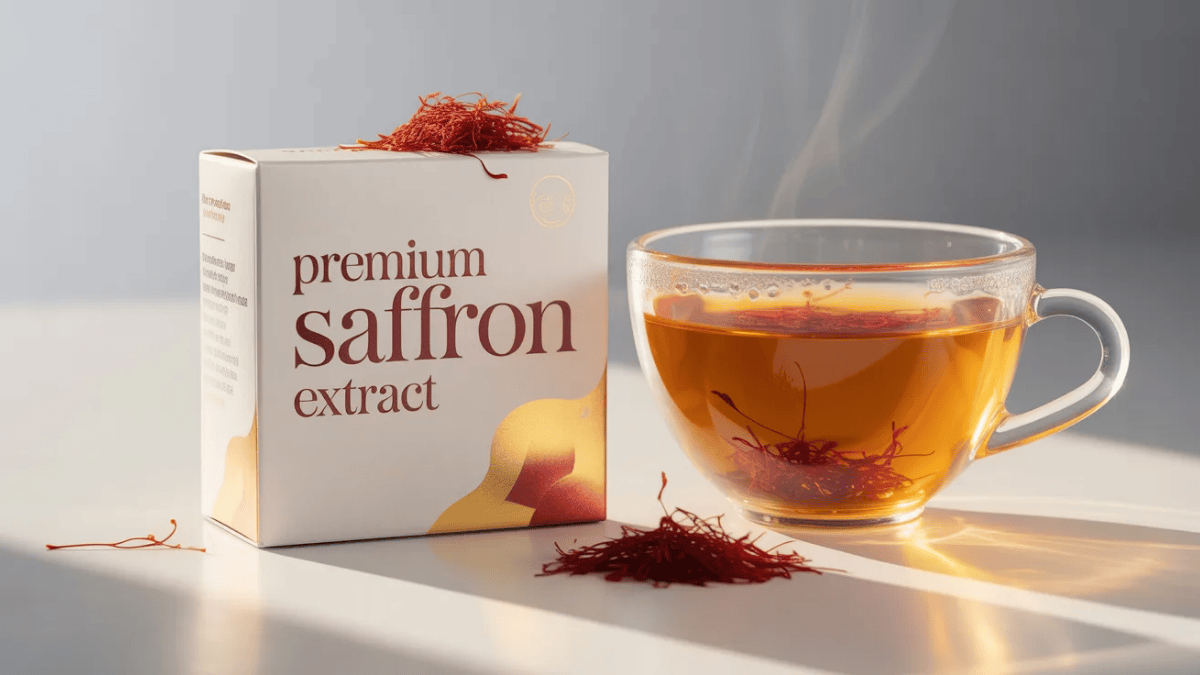
Saffron has shown some genuine promise in early research, and it is easy to see why it keeps appearing in liver health conversations.
But the full view is more mixed than most blogs let on, and the difference between “promising” and “proven” matters a lot here.
- Animal studies suggest saffron’s active compounds may reduce oxidative damage in liver tissue.
- Small human trials in fatty liver disease have reported improvements in certain metabolic markers.
However, a meta-analysis of liver function upon saffron usage covers 12 randomised controlled trials, found no significant improvement in AST, ALT, or ALP compared with placebo, the three enzymes commonly used to assess liver function. This does not make saffron useless. It makes the evidence limited and inconsistent.
Most wellness content cherry-picks the positive findings while quietly skipping the neutral ones, and that selective storytelling is where much detox misinformation quietly begins.
Saffron and Kidney Health
The kidneys and liver filter waste and maintain balance, often discussed in detox talks. Animal studies suggest that saffron compounds may protect against toxin-induced kidney damage, providing an early positive signal.
The same pattern of mixed signals appears across the usage of saffron on neurological diseases, too, promising early findings that the larger data set.
Human studies on kidney health tell a similarly quiet story; supplementation has shown no significant change in creatinine or urea levels, the two primary markers of kidney function.
Some research does note slight reductions in blood urea nitrogen (BUN), which is mildly interesting but far from conclusive. At normal intake levels, saffron appears to be neutral to gently supportive for kidney health, neither a cure nor a concern.
Saffron Supplements Are Not for Everyone
Saffron is largely safe at normal intake levels, but like most things in herbalism, dose is everything, and this is the part most wellness blogs quietly leave out.
- Culinary use: Involves tiny amounts that sit far below any threshold of concern, making everyday cooking with saffron completely safe for most people.
- Supplements: Typically contain tens of milligrams, which current research considers safe for most healthy adults when used as directed.
- High doses of several grams: Can trigger genuine toxicity; this is not a theoretical risk but a documented one with real clinical consequences.
- Toxic effects: Include vomiting, bleeding, and, in extreme cases, organ damage and elevated kidney markers that signal serious physiological stress.
- Excessive consumption: Has been linked to both renal and liver stress, which directly contradicts the very detox claims saffron is often sold on.
Understanding the dose range is not fearmongering; it is the basic due diligence that separates honest herbal guidance from marketing dressed up as wellness advice.
Consult a healthcare provider before use if you’re pregnant, have kidney or liver disease, or take blood pressure or psychiatric medications.
Wrapping it Up
Saffron is a genuinely interesting herb with real antioxidant properties and some encouraging early research. But the evidence for meaningful liver detox benefits remains weak, and kidney support at normal doses appears acceptable rather than remarkable.
The honest takeaway is this: saffron works best when used as a spice or thoughtfully as a supplement, not as a medical intervention.
The detox claims surrounding it are largely built on selective reading of early research. If anything here shifted how you think about saffron or herbal detox claims broadly, drop a comment. I’m genuinely curious what brought you to this topic.