



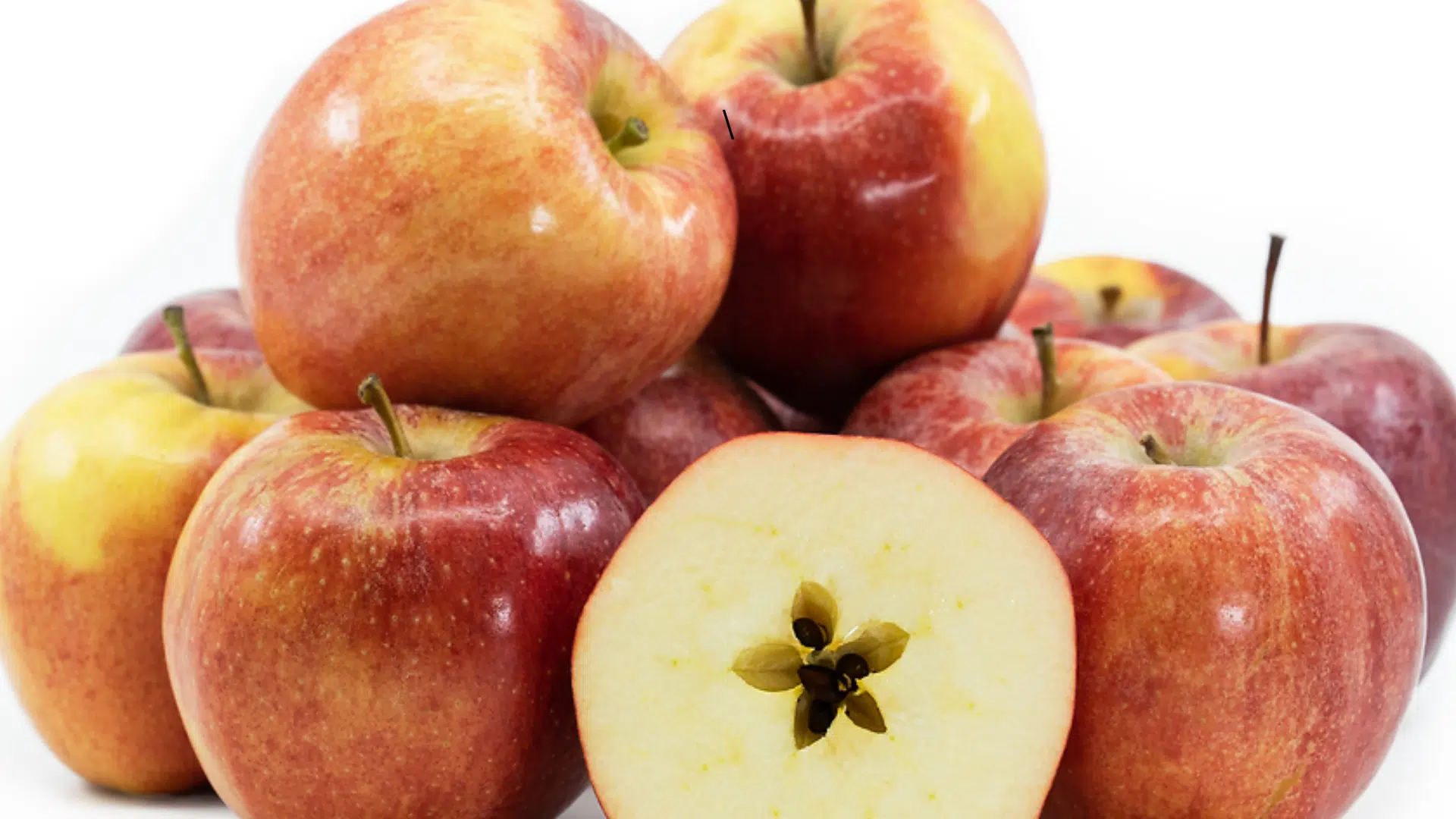









Nobody thinks twice about grabbing a Gala apple, but most people have no idea what they are actually eating. That sweet, crisp bite carries a surprisingly strong nutritional profile that goes well beyond just being a quick snack.
If you have been curious about Gala apple nutrition, Gala apple calories, or whether Gala apples are sweet enough to replace less healthy treats, you are in the right place.
I have spent years helping people rethink the “boring” foods they overlook, and the Gala apple keeps coming up.
I will break down everything you need to know, including calorie content, key nutrients, glycemic impact, and real health benefits backed by research.
From supporting heart health to giving your immune system a quiet boost, Gala apples have a lot going for them. Whether you are watching calories or just want to eat smarter, this one is worth your time.
|
Quick Nutrition Snapshot (1 medium Gala apple, ~182g): ~80–95 calories | 22–24g carbs | ~17g natural sugars | ~4g fiber | Glycemic Index: ~36–40 (low) |
The Calorie Count in a Single Gala Apple
When it comes to calorie count, Gala apples are a light and refreshing snack option. A medium-sized Gala apple, weighing about 182 grams, contains approximately 80–90 calories.
This makes them a perfect choice for anyone looking to enjoy a sweet, satisfying treat without consuming too many calories. Let’s break it down further:
- Carbohydrates: A medium Gala apple has about 22 grams of carbs, most of which come from natural sugars like fructose and glucose.
- Protein: You’ll find about 0.5 grams of protein in a Gala apple.
- Fat: Gala apples contain only 0.3 grams of fat, making them a low-fat option.
Comparing calories to other apple varieties, a Gala apple is lower in calories than some others, like Fuji apples (which can have around 100 calories for the same size), but higher than a Granny Smith apple, which usually has closer to 70 calories.
One detail most nutrition blogs skip: the calorie count shifts slightly depending on whether you eat the skin. The skin adds a negligible number of calories but contributes the majority of the fiber and antioxidants. I always tell my clients to skip the peeling step, it is the most nutritious part of the apple.
Are Gala Apples Sweet?
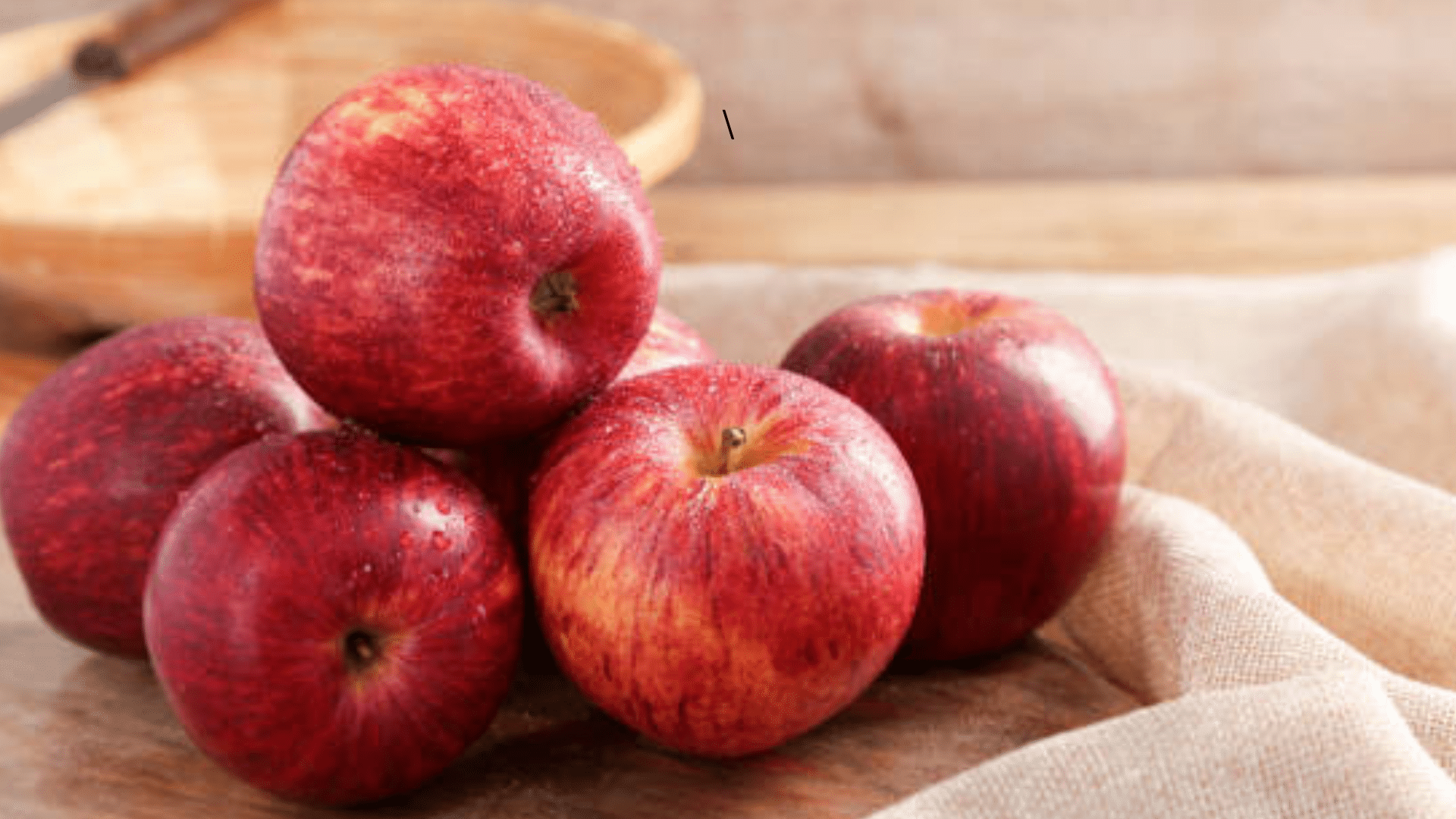
Yes, Gala apples are sweet! They’re one of the sweeter apple varieties, which makes them a great choice for those who enjoy a sugary snack without feeling guilty.
A medium Gala apple contains about 17 grams of sugar, most of which are naturally occurring sugars.
What makes them so sweet is their high level of fructose and glucose. These natural sugars contribute to their flavor, making them taste much sweeter compared to other apples like Granny Smith, which are known for being tart.
Despite that sweetness, Gala apples have a glycemic index (GI) of approximately 36–40, which puts them firmly in the low-GI category.
That matters because low-GI foods cause a slower, more gradual rise in blood sugar rather than a sharp spike.
The fiber content, primarily pectin, is responsible for this effect as it slows the rate at which sugar enters the bloodstream.
So if you are managing blood sugar or simply want steady energy levels, the natural sweetness of a Gala apple is very different from the sweetness of a candy bar.
So if you’re craving something sweet but want to avoid added sugars, Gala apples can be a healthy, natural choice to satisfy your cravings.
Key Vitamins and Nutrients in Gala Apples
Gala apples contain several vitamins and minerals that support everyday nutrition while remaining a light, refreshing snack option.
|
Nutrient |
Amount in One Medium Gala Apple |
Notes |
|
Vitamin C |
~8–10% of daily value (~8.4 mg) |
Supports immune function and collagen production |
|
Potassium |
~150 mg |
Helps regulate blood pressure |
|
Vitamin A |
Small amounts |
Supports skin and eye health |
|
Dietary Fiber |
~4 grams (primarily pectin) |
12% of daily fiber needs for women; 9% for men |
|
Vitamin K |
Trace amounts |
Supports blood clotting and bone health |
|
B Vitamins (B1, B2, B6) |
Small amounts |
Support energy metabolism |
|
Quercetin & Polyphenols |
Concentrated in the skin |
Antioxidant and anti-inflammatory activity |
Gala apples are virtually fat-free and low in protein, so their main nutritional contribution is in carbohydrates, fiber, vitamins, and antioxidants.
This makes them an excellent complement to higher-protein or higher-fat foods like nuts, cheese, or Greek yogurt.
I often recommend pairing a Gala apple with a small handful of almonds: the fat in the almonds slows digestion even further, which extends satiety and keeps blood sugar stable for longer.
Health Benefits of Eating Gala Apples

Gala apples offer numerous health benefits, including immune support, heart health, and weight management, thanks to their rich nutrients.
1. Immune Support: Vitamin C for a Stronger Immune System
Gala apples are a good source of Vitamin C, which plays a crucial role in strengthening your immune system.
Just one medium-sized apple provides around 8-10% of your daily Vitamin C needs. This vitamin helps fight off infections by stimulating the production of white blood cells, which are essential for your body’s defense system.
Beyond white blood cell production, vitamin C in Gala apples also supports collagen synthesis and helps the body absorb iron from plant-based foods.
For clients who eat a largely plant-based diet, I often suggest pairing iron-rich foods like spinach or lentils with a Gala apple to improve iron uptake naturally.
Regular consumption of Gala apples can support your body’s ability to resist colds and other illnesses.
2. Heart Health: Fiber and Potassium for a Healthy Heart
The fiber and potassium in Gala apples contribute to maintaining a healthy heart. The fiber in apples helps reduce cholesterol levels by binding to excess cholesterol and carrying it out of your system.
Potassium, on the other hand, helps regulate blood pressure and supports proper heart function.
The type of fiber doing most of this work is pectin, a soluble fiber concentrated in the flesh and skin of Gala apples. Pectin is also a prebiotic, meaning it feeds the beneficial bacteria in your gut.
Research published in Nutrients found that apple-derived pectin helped modulate gut microbiota, reduced inflammation markers, and improved gut barrier function in diet-induced obese subjects.
Additionally, Gala apples contain quercetin and other polyphenols concentrated in the peel; these antioxidants combat oxidative stress that contributes to arterial damage and cardiovascular disease.
Eating Gala apples regularly can help lower the risk of heart disease, making them a heart-healthy snack option with lasting cardiovascular benefits.
3. Weight Management: Low-Calorie, High-Fiber Snack for Weight Control
Gala apples are a great snack choice for anyone looking to manage their weight. With only 80-90 calories per medium apple and 4 grams of fiber, they make for a filling yet low-calorie treat.
The fiber content helps you feel full longer, reducing cravings and helping prevent overeating.
Gala apples also have a high water content, approximately 86%, which adds volume without adding calories.
This water-plus-fiber combination is part of what researchers call a high satiety-to-calorie ratio: you feel fuller relative to how many calories you actually consumed.
I have seen clients who replaced their mid-afternoon processed snack with a Gala apple and almond butter report noticeably fewer late-evening cravings within the first two weeks. It is a small swap, but the fiber and water content of the apple genuinely changes hunger signaling.
Including Gala apples in your diet as a healthy snack can help control your calorie intake and support your weight-management goals.
4. Digestive Health: Pectin as a Prebiotic
This is the benefit that most nutrition blogs overlook entirely. The pectin in Gala apples acts as a prebiotic fiber: it passes through the small intestine undigested and is fermented by beneficial bacteria in the large intestine, producing short-chain fatty acids (SCFAs) like acetate and propionate.
These SCFAs nourish the gut lining, support immune regulation, and help maintain a healthy microbial balance.
A review in Frontiers in Immunology found that pectin strengthens the intestinal mucus layer and supports epithelial integrity, both of which are foundational to long-term digestive and immune health.
Eating the skin maximizes this benefit since that is where the fiber is most concentrated.
5. Blood Sugar Management: Low Glycemic Index and Fiber Effects
With a glycemic index of roughly 36–40, Gala apples are a low-GI food, meaning they produce a slower, more gradual rise in blood glucose compared to high-GI foods.
The pectin fiber specifically slows gastric emptying and carbohydrate absorption, helping prevent blood sugar spikes.
This makes Gala apples a reasonable fruit choice for people monitoring their blood sugar levels, though anyone with diabetes should consult their healthcare provider about portion sizes and pairing strategies.
How to Include Gala Apples in Your Diet
Gala apples are easy to add to daily meals because of their sweet flavor and crisp texture. You can enjoy them in several simple and healthy ways.
- Eat them raw as a snack: Slice a fresh Gala apple for a quick snack that is naturally sweet and refreshing.
- Add to salads, oatmeal, or yogurt: Chopped Gala apples add crunch and natural sweetness to breakfast bowls and salads.
- Use in baking or cooking: Gala apples work well in baked oatmeal, roasted apple slices, or lightly sweet desserts.
- Pair with protein-rich foods: Combine apple slices with peanut butter, nuts, or cheese for a balanced and filling snack.
Including Gala apples in different meals helps you enjoy their flavor while adding fiber, vitamins, and natural sweetness to your diet.
One tip I give all my clients: always eat the skin. Most of the polyphenols and nearly half the fiber are concentrated in and just beneath the peel. Peeling your apple is effectively throwing away the most nutritious part. If pesticide residue is a concern, a thorough rinse under running water removes the majority of surface residue.
Storage tip: Gala apples stay fresh for up to six weeks in the refrigerator’s crisper drawer. Storing them at room temperature accelerates ripening and softens the texture, so refrigeration is the better option if you buy in bulk.
Including Gala apples in different meals helps you enjoy their flavor while adding fiber, vitamins, and natural sweetness to your diet.
Gala Apples vs Other Fruits: A Nutritional Comparison
This section compares Gala apples with other popular apple varieties and common fruits, helping you make informed choices based on your nutritional needs.
|
Nutrient |
Gala Apple |
Fuji Apple |
Granny Smith |
Honeycrisp |
Banana |
Orange |
Grapes |
|
Calories |
80–90 |
90–100 |
70–80 |
~95 |
90–110 |
60–80 |
60–70 |
|
Sugar |
17g |
19g |
12g |
19g |
14g |
12g |
15g |
|
Fiber |
4g |
4g |
3g |
4g |
3g |
3g |
1g |
|
Vitamin C |
8–10% DV |
7–9% DV |
10–12% DV |
8% DV |
15% DV |
70% DV |
15% DV |
|
Potassium |
150mg |
150mg |
140mg |
148mg |
400mg |
240mg |
250mg |
|
Glycemic Index |
~36–40 |
~38 |
~34 |
~40 |
~51 |
~43 |
~46 |
Among apple varieties, Gala sits in the middle: sweeter than Granny Smith, milder than Fuji or Honeycrisp, and with comparable fiber across most varieties.
If blood sugar management is your priority, Granny Smith technically edges out Gala with a slightly lower GI and fewer natural sugars.
If you simply want the most pleasant eating experience with a solid nutritional return, Gala is hard to beat.
Wrapping Up
To wrap things up, Gala apple nutrition makes these apples a delicious, low-calorie snack packed with health benefits.
With their rich supply of Vitamin C, potassium, fiber, and antioxidants, they support your immune system, heart health, and weight management. Plus, their natural sweetness makes them a perfect choice when you’re craving something healthy.
If you’re looking to boost hydration or improve digestion, Gala apples fit seamlessly into your diet.
Now that you know just how nutritious these apples are, why not add them to your routine? I’d love to hear how you enjoy them and what benefits you’ve noticed. Feel free to share your experiences!