



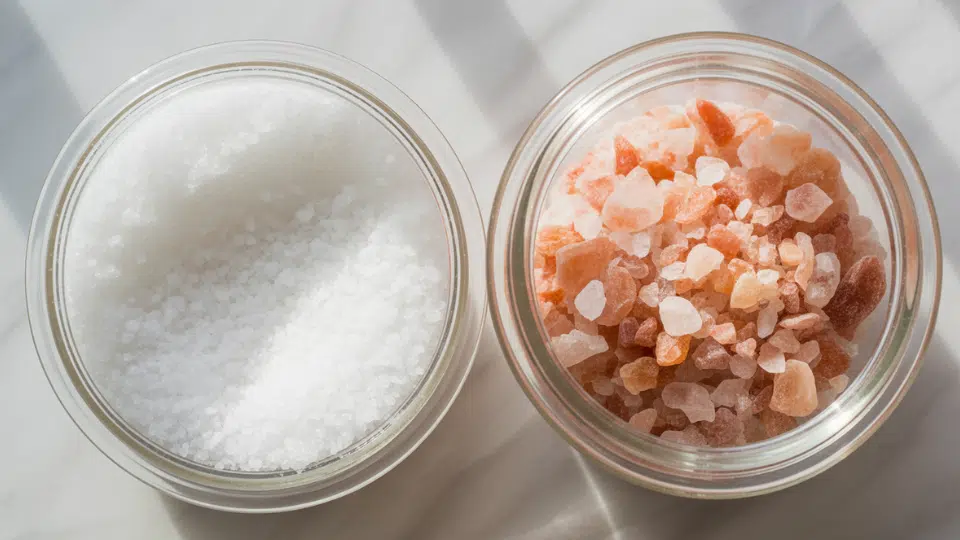









I’ve spent years watching people agonize over salt choices in grocery store aisles, convinced that switching to pink Himalayan or sea salt will transform their health.
The marketing promises trace minerals, ancient purity, and detoxification, but how much of that holds up under scrutiny?
Is there an actual health difference that matters, or are we just paying premium prices for aesthetics and Instagram-worthy crystals?
What follows breaks down the scientific evidence on Himalayan salt vs sea salt, separates legitimate health claims from marketing fiction, explains when each type genuinely performs better in cooking, and examines if the price difference delivers real value.
No hype, no brand loyalty, just what you need to make an informed decision about which salt belongs in your kitchen.
A Quick Comparison Table
If you’re standing in the store aisle trying to decide, this table gives you everything that actually matters in ten seconds.
| Factor | Himalayan Salt | Sea Salt |
|---|---|---|
| Source | Ancient rock deposits (Pakistan) | Evaporated seawater |
| Color | Pink (trace iron oxide) | White to gray |
| Minerals | ~84 trace elements | Varies by source |
| Iodine | None naturally | None naturally |
| Taste | Clean, mild | Varies, briny to mineral |
| Texture | Coarse to fine crystals | Flaky to coarse |
| Best for | Everyday cooking, grinders | Finishing, texture contrast |
| Price | $5–15/lb | $3–20/lb |
Still confused? The sections below explain what these differences mean for your health, cooking, and wallet, and which actually matter.
Health Differences: Himalayan Salt vs Sea Salt
Most health claims about specialty salts fall apart under basic scrutiny. Here’s what science actually supports versus what sells pink crystals.
1. Mineral Content in Salt
Yes, Himalayan salt contains up to 84 trace minerals, and sea salt has trace amounts too. The problem?
You’d need to consume dangerous, potentially lethal amounts of salt to get nutritionally relevant quantities of these minerals. A teaspoon of Himalayan salt contains roughly 0.1 mg of iron when your body needs 8–18 mg daily.
- The pink color comes from iron oxide (rust), not from magical health properties or superior purity
- Marketing emphasizes “84 minerals” without mentioning you’d need cups of salt for meaningful nutrition
- Sea salt’s mineral profile varies by source but faces the same negligible-amount problem
2. Sodium Matters More than Salt Type
Both Himalayan and sea salt contain approximately 2,300 mg of sodium per teaspoon, your entire daily recommended limit.
Your cardiovascular health depends on total sodium intake, not whether that sodium came from pink crystals or white granules. The average American consumes 3,400 mg daily, mostly from processed foods.
- Restaurant meals, packaged snacks, and canned soups deliver most of your daily sodium intake
- Switching salts at home while eating takeout regularly accomplishes zero health improvement
- Sodium chloride functions identically in your body regardless of color or marketing story
3. Common Myths Debunked
The specialty salt market thrives on claims that sound scientific but crumble under scrutiny. From detoxification promises to alkaline blood fantasies, most popular beliefs about Himalayan and sea salt are either exaggerated or completely false. Here’s what you’ll see online versus what’s actually true.
- “Detoxifies your body”: Your kidneys and liver handle detoxification; salt doesn’t participate in this process
- “Alkalizes your blood”: Blood pH stays between 7.35–7.45; food can’t meaningfully shift it without killing you
- “Ancient Himalayan purity”: It’s mined in Pakistan, not the Himalayas; age doesn’t equal health benefits
Is Himalayan Salt or Sea Salt Better for Iodine Intake?
Here’s the only health difference between Himalayan salt vs sea salt that genuinely affects your wellbeing: neither provides iodine naturally.
- Neither Himalayan salt nor most sea salts contain iodine unless specifically added; iodine deficiency causes thyroid problems, fatigue, and developmental issues in children
- Before iodized salt (1920s), goiters from deficiency were widespread; pregnant women especially need adequate iodine for fetal brain development
- People avoiding dairy, seafood, and eggs face a higher risk when using only specialty salts
- Keep iodized table salt for pasta water or baking, or eat seaweed and iodine-rich foods several times weekly
When debating Himalayan salt vs sea salt for health, iodine is the factor that actually deserves attention; everything else is marketing.
Taste, Texture, and Cooking Uses
Pick based on texture, dissolving speed, and consistency, not marketing. Both salts can work well, but each has practical downsides that matter in real cooking.
When to Use Himalayan Salt
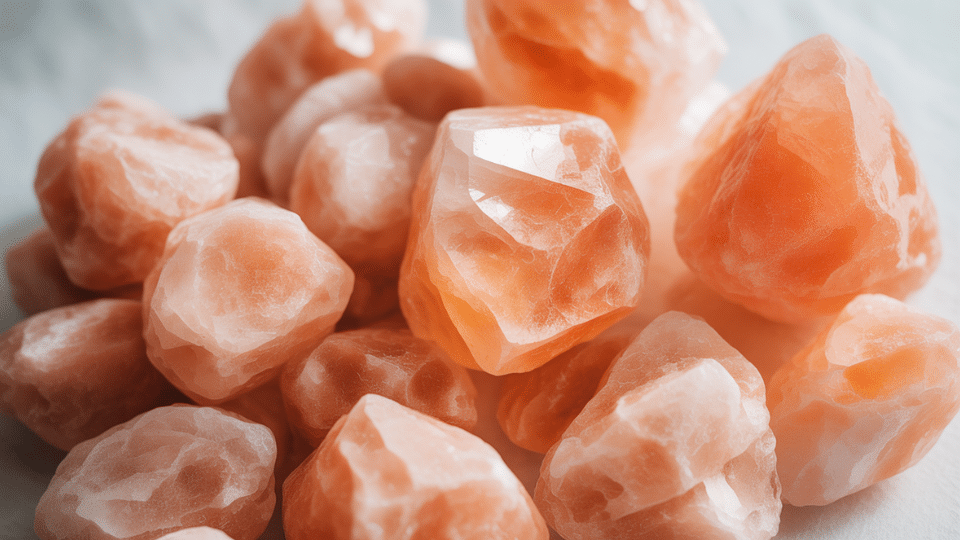
- Best for everyday cooking: curries, dals, soups, rice, sautéed vegetables
- Dissolves fairly evenly, so it seasons throughout (not just on the surface)
- Works well in a grinder for steady seasoning
- Flaws: usually not iodized (so it won’t help iodine intake) and the “minerals” are too tiny to count as a health benefit
- Can be overpriced for what is basically salt with color
When to Use Sea Salt
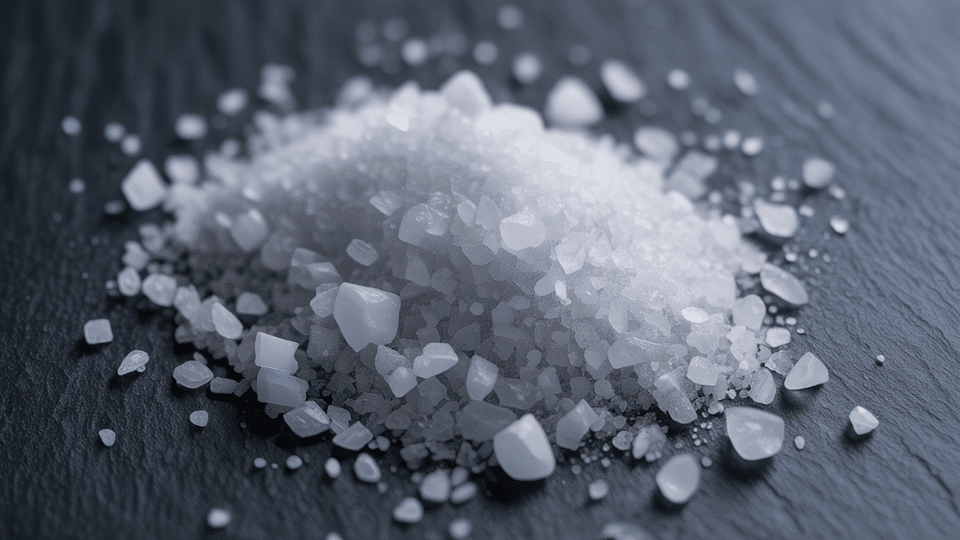
- Best as a finishing salt: salads, roasted vegetables, eggs, grilled meats
- Flaky or coarse sea salt gives crunch and quick salty pops on the surface
- Adds texture in a way Himalayan salt usually doesn’t
- Flaws: quality and texture vary a lot by brand, so results are less consistent
- Many sea salts are also not iodized, so “natural” doesn’t mean nutritionally better
Substitution Rules:
Himalayan salt and sea salt can substitute for each other, but crystal size matters. Flaky sea salt takes up more space than fine salt, so equal spoon measurements can change saltiness. When substituting, start with less and adjust to taste rather than swapping one-for-one.
The Bottom Line
When it comes to Himalayan salt vs sea salt, the difference isn’t about one being a health hero and the other a villain. After breaking everything down, I see this as a choice driven by how you cook, how you season, and what your diet already provides, not by exaggerated mineral claims.
Himalayan salt works well for routine cooking, while sea salt shines when texture and finishing matter. The real nutritional consideration is iodine, which neither option reliably supplies.
For me, the smarter approach is using each salt where it performs best and keeping overall sodium intake in check.
If you found this breakdown helpful, read through the earlier sections again for clarity, or share your thoughts and experiences in the comments.