













Hot flashes can feel sudden and frustrating, especially when they hit during the day or wake you up at night. I know how draining that can be.
If you are going through menopause, you may be wondering if simple food changes can actually help. The good news is that certain foods may support your body during this stage of life. Here, I will share foods that fight hot flashes and explain why they may help.
You will also learn which foods can make symptoms worse and how to build simple meals that support hormone balance. By the end, you will have clear, practical steps you can start using right away.
Can Food Really Help With Hot Flashes?
Yes, food can help, but it is not a magic fix. During menopause, your estrogen levels drop. This change affects the part of your brain that controls body temperature.
That is why you may suddenly feel very hot or start sweating. Certain foods may help support hormone balance and keep your blood sugar steady, which can reduce the frequency of hot flashes.
Foods rich in plant estrogens, fiber, and healthy fats may be especially helpful. Some small studies suggest diet changes can ease symptoms.
Still, results vary from person to person. I always suggest seeing food as support, not a complete cure.
9 Foods That Fight Hot Flashes
Adding the right foods to your daily meals may help reduce hot flashes naturally. These options support hormone balance and steady body temperature.
1. Soy Foods (Tofu, Tempeh, Edamame)
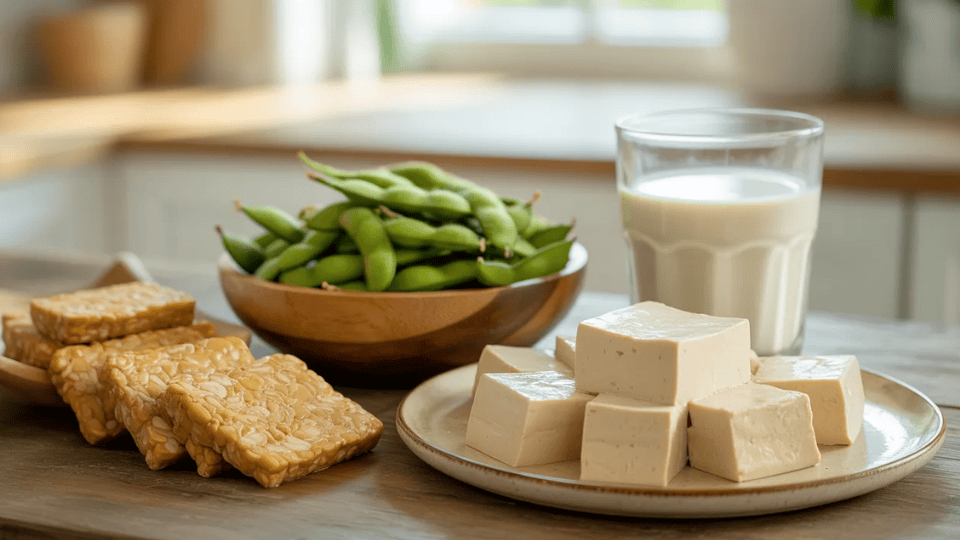
Soy foods contain plant compounds called isoflavones, which act like weak estrogen in your body. Since hot flashes are linked to lower estrogen levels, soy may help reduce how often they happen.
- Tofu: Soft soy curd made from soy milk. You can add it to stir-fries, soups, salads, or simple weeknight meals.
- Tempeh: Firm fermented soy cake with a nutty taste. You can slice it, pan-fry it, or add it to bowls.
- Edamame: Young green soybeans are usually steamed and lightly salted. You can eat them as a snack or toss them into salads.
Some studies show women who eat soy regularly report fewer symptoms. You can add tofu to stir-fries, snack on edamame, or mix soy milk into smoothies for an easy boost.
2. Flaxseeds
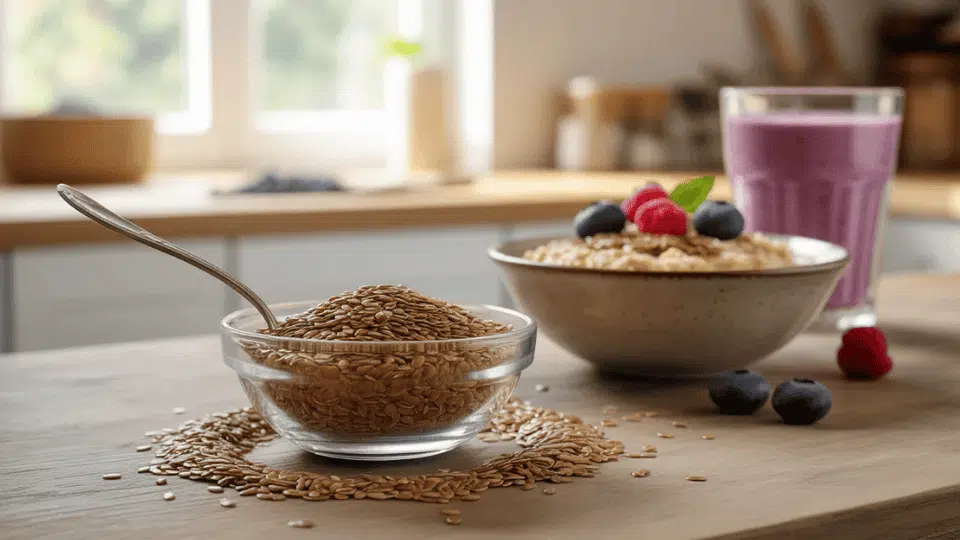
Flaxseeds are rich in lignans, a type of plant compound that may support hormone balance. They also provide fiber, which helps stabilize blood sugar.
Stable blood sugar may reduce sudden heat spikes. I suggest using ground flaxseeds because your body absorbs them better. Sprinkle them into oatmeal, yogurt, or smoothies for a simple daily habit.
3. Chickpeas and Lentils

Chickpeas and lentils are packed with fiber and plant nutrients that support steady energy levels. When your blood sugar stays balanced, you may notice fewer sudden hot flashes.
These legumes also contain small amounts of plant estrogens. You can toss chickpeas into salads, blend them into spreads, or cook lentils into soups and stews for easy meals.
4. Leafy Greens (Spinach, Kale, Swiss Chard)
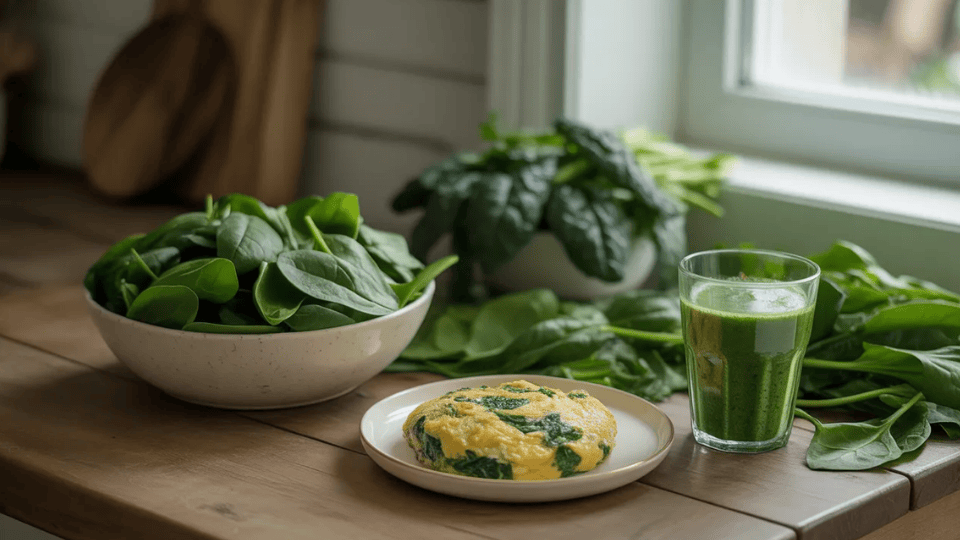
Leafy greens are high in magnesium, a mineral that supports sleep and muscle relaxation. Since many women experience night sweats, better sleep can make a big difference.
- Spinach: Rich in magnesium and iron, spinach supports muscle relaxation and steady energy during hormonal changes.
- Kale: Packed with antioxidants and calcium, kale helps support hormone balance and may ease some menopause symptoms.
- Swiss Chard: Another magnesium-rich green that supports nerve function and may help reduce stress linked to hot flashes.
Greens also provide fiber and antioxidants that support overall health. Add spinach to omelets, blend kale into smoothies, or serve greens as a simple side dish.
5. Fatty Fish (Salmon, Sardines)
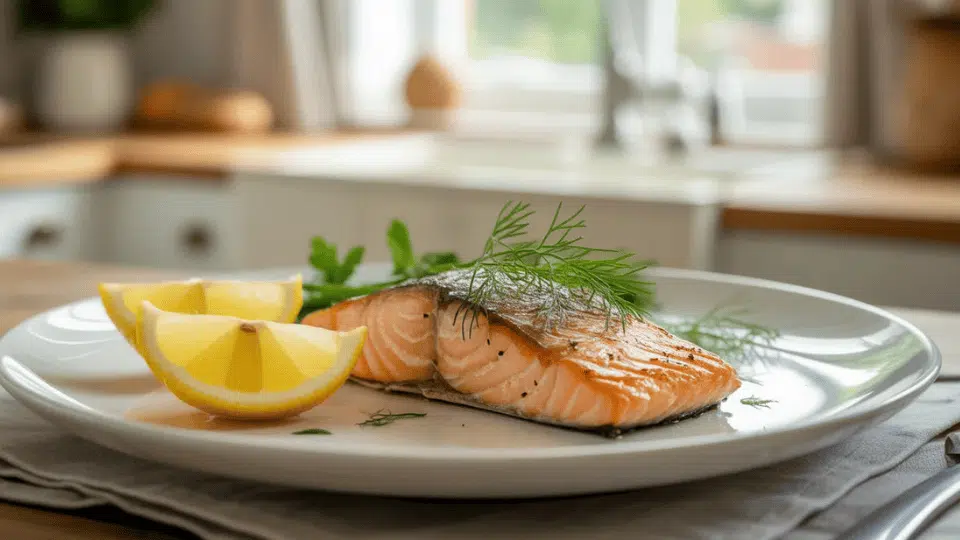
Fatty fish like salmon and sardines are rich in omega-3 fats. These healthy fats may help reduce inflammation and support mood during menopause.
- Salmon: Rich in omega-3 fats and vitamin D, salmon supports mood balance and may help lower hot flash frequency.
- Sardines: Small but nutrient-dense, sardines provide omega-3s and calcium, which support hormone health and reduce inflammation.
- Mackerel: Another oily fish high in omega-3 fats, mackerel supports heart health and may help manage menopause symptoms.
Some women find that a balanced mood and lower stress help reduce hot-flash triggers. Aim to include fatty fish two times per week. You can grill salmon or add sardines to salads for an easy option.
6. Nuts and Seeds
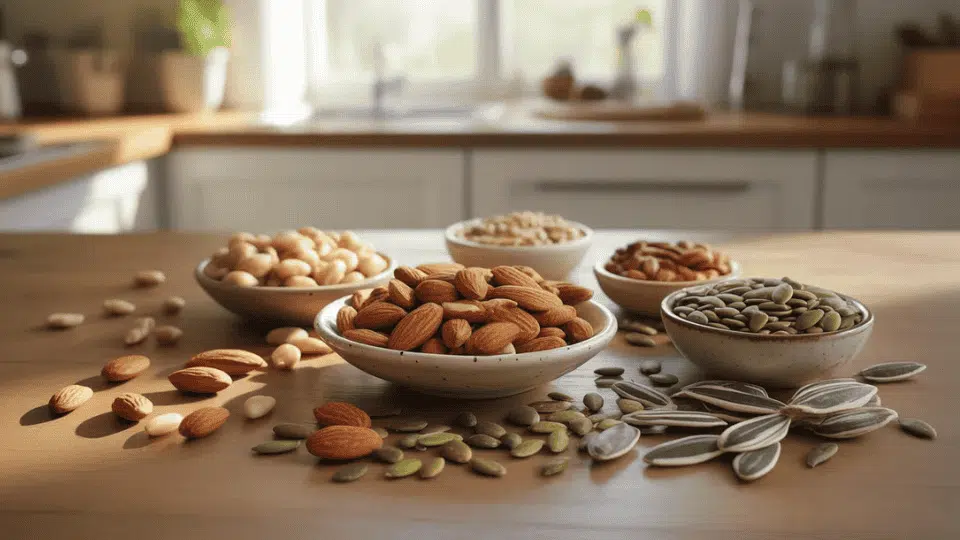
Nuts and seeds provide healthy fats, protein, and important minerals, such as magnesium. These nutrients may help support hormone balance and reduce inflammation in your body.
- Almonds: High in magnesium and healthy fats, almonds may help support better sleep and reduce hot flash discomfort.
- Walnuts: Rich in omega-3 fats, walnuts help lower inflammation and support overall hormone balance during menopause.
- Pumpkin Seeds: Packed with magnesium and zinc, these seeds support mood and sleep quality and may ease night sweats.
- Sunflower Seeds: A good source of vitamin E, which may help reduce the frequency of hot flashes in some women.
When inflammation is lower, some women notice fewer intense hot flashes. Keep portions moderate since they are calorie-dense. A small handful of almonds, walnuts, pumpkin seeds, or sunflower seeds makes a simple daily snack.
7. Whole Grains (Oats, Brown Rice)

Whole grains like oats and brown rice help keep your blood sugar steady. When blood sugar rises and crashes quickly, it may trigger heat spikes.
- Oats: High in fiber, oats help slow digestion and keep blood sugar steady, which may reduce sudden heat surges.
- Brown Rice: A complex carb that provides steady energy, helping prevent spikes that can trigger hot flashes during the day.
- Quinoa: Rich in protein and fiber, quinoa supports balanced energy levels and may help reduce fatigue linked to menopause.
Choosing whole grains over refined carbs can support more stable energy throughout the day. Start your morning with oatmeal or swap white rice for brown rice at dinner for a steady change.
8. Berries (Blueberries, Strawberries, Raspberries)

Berries are rich in antioxidants, which help protect your cells from stress. Since menopause can increase inflammation in the body, antioxidant-rich foods may offer support.
- Blueberries: Loaded with antioxidants, blueberries help reduce inflammation and may support better brain function during hormonal changes.
- Strawberries: High in vitamin C, strawberries support your immune system and may help your body handle stress better.
- Raspberries: Rich in fiber and antioxidants, raspberries support digestion and help keep blood sugar levels more stable.
Berries also provide fiber, which helps balance blood sugar levels. Add blueberries or strawberries to yogurt, oatmeal, or salads. You can also enjoy them on their own as a refreshing snack.
9. Cooling Foods (Cucumber, Watermelon, Yogurt)

Cooling foods contain a high water content, which helps regulate body temperature. Staying hydrated is important when you experience frequent hot flashes.
- Cucumber: High in water and very refreshing, cucumber helps cool your body and may ease sudden heat spikes.
- Watermelon: Packed with water and natural sugars, watermelon helps keep you hydrated and may reduce heat discomfort.
- Yogurt: Cool and soothing, yogurt provides protein and may help regulate body temperature during hot flashes.
Keeping these foods chilled can make them even more helpful when you feel overheated. You can add cucumber to salads, enjoy watermelon as a snack, or eat yogurt anytime for a quick cooling effect.
Foods and Drinks That May Trigger Hot Flashes
Certain foods and drinks can make hot flashes worse without you realizing it. Watching these triggers may help you feel more in control each day.
| Food / Drink | How It May Affect You |
|---|---|
| Spicy Foods | Spicy meals can quickly raise your body temperature and trigger sweating. If you notice flushing after spicy dishes, try lowering the heat gradually. |
| Caffeine | Coffee, energy drinks, and some teas may stimulate your nervous system. This can increase heart rate and trigger sudden hot flashes in some women. |
| Alcohol | Alcohol may widen blood vessels, causing warmth and flushing. Even small amounts can increase the frequency or intensity of hot flashes for some people. |
| Sugary Foods | High-sugar foods can cause blood sugar spikes followed by crashes. These rapid changes may trigger heat episodes and leave you feeling tired. |
| Highly Processed Meals | Processed foods often contain extra salt, sugar, and additives. These ingredients may increase inflammation and worsen menopause symptoms over time. |
Being mindful of these triggers can make a real difference. Try tracking what you eat and notice how your body responds.
Simple Diet Tips to Reduce Hot Flashes Naturally
Small daily food habits can support your body during menopause. These simple diet tips may help reduce the frequency and intensity of hot flashes.
- Eat Smaller, Balanced Meals: Large, heavy meals can raise your body temperature and trigger discomfort. Eating smaller, balanced meals throughout the day may help keep your energy and temperature steady.
- Stay Hydrated: Drinking enough water helps your body regulate temperature more efficiently. Aim for steady hydration throughout the day instead of waiting until you feel very thirsty.
- Limit Sugar and Refined Carbs: Sugary snacks and refined carbs can cause blood sugar spikes and crashes. These sudden changes may trigger hot flashes and leave you feeling drained afterward.
- Keep a Symptom Food Journal: Writing down what you eat and how you feel can help you spot patterns. Over time, you may clearly see which foods help and which worsen symptoms.
- Support Sleep and Stress Levels: Poor sleep and high stress can increase the frequency of hot flashes. Pair healthy eating with calming routines and consistent sleep habits for better overall symptom control.
Making steady, simple changes often works better than extreme diets. Start small, stay consistent, and give your body time to adjust and respond.
When to Talk to Your Doctor
Hot flashes are common during menopause, but sometimes they need medical attention. If your hot flashes are severe, frequent, or interfere with your daily life, it is a good idea to speak with your doctor.
Night sweats that keep you from sleeping properly can also affect your mood and energy levels. You should also seek advice if you notice other symptoms like heavy bleeding, strong mood changes, or unusual pain.
While food and lifestyle changes can help, they may not be enough for everyone. Your doctor can discuss treatment options and help you decide what feels right for your body and health needs.
Wrap Up
Managing hot flashes often takes patience, but small food choices can make a real difference over time.
Building your plate around foods that fight hot flashes does not have to feel overwhelming; start with one or two from this list and see how your body responds.
When you focus on whole foods, healthy fats, fiber, and steady meals, you give your body better support during menopause.
Keep track of what helps and what does not. If your symptoms feel intense or do not improve, speak with your doctor. You deserve to feel comfortable in your own body.