












If you’re trying to choose between paleo and keto, the decision can feel confusing. Both diets reduce carbohydrate intake, eliminate many processed foods, and promise weight loss and better overall health.
Yet the way each approach works, and the results people experience, can be very different. As a dietitian, I’ve seen people succeed with both eating styles, but only when the diet matches their goals and lifestyle.
I’ll break down paleo vs keto and explain how each diet works day to day, what foods they allow, and how they compare for weight loss and inflammation.
I’ll also look at flexibility, long-term sustainability, and the type of person each diet tends to suit best, helping you understand which approach may better fit your needs.
What is the Paleo Diet?
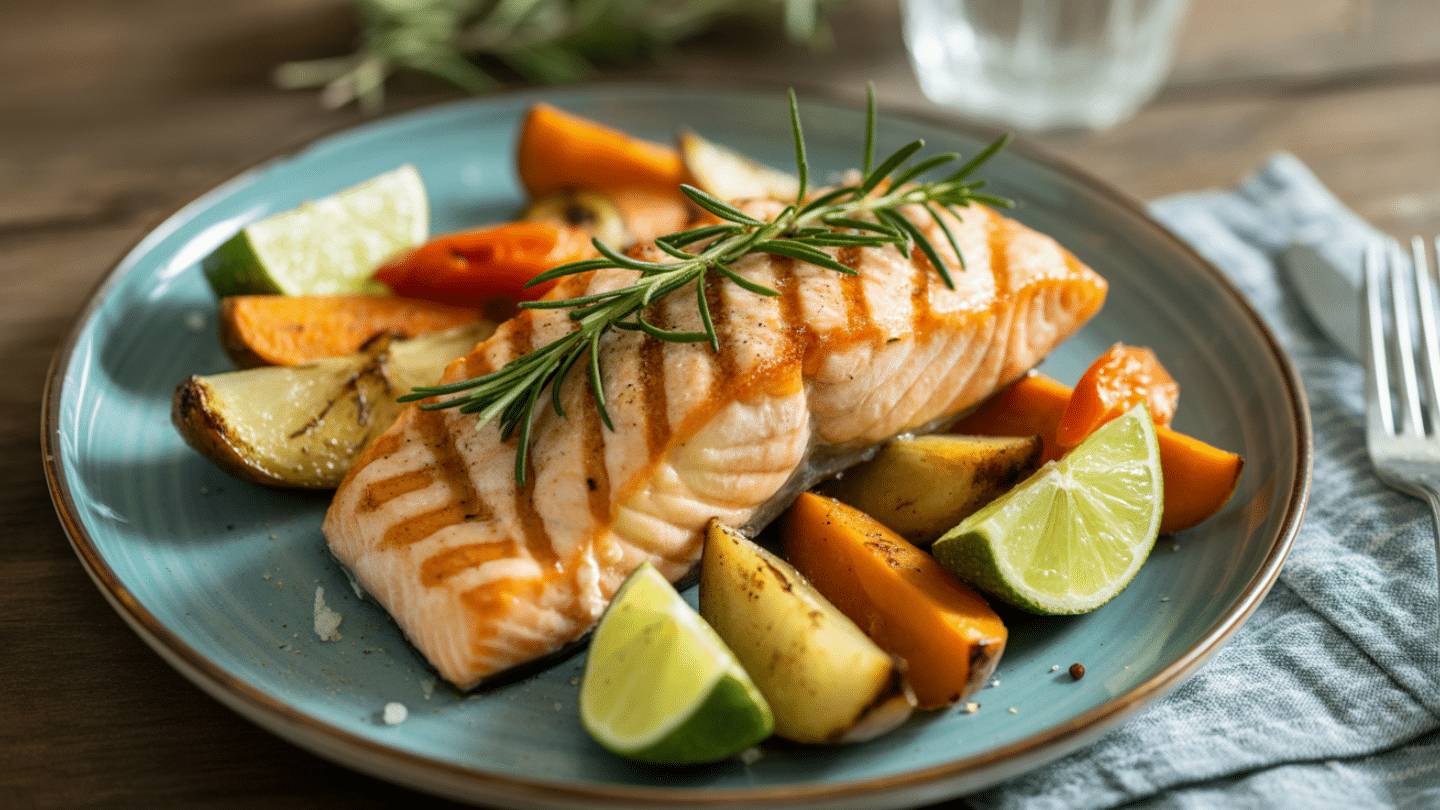
The paleo diet is built around eating the way our ancestors did: whole, unprocessed foods like lean meats, fish, fruits, vegetables, nuts, and seeds.
The idea is simple: if a caveman couldn’t eat it, skip it. That means no processed foods, refined sugars, grains, or dairy.
Notably, potatoes are also excluded from strict paleo. They became part of the human diet after the agricultural revolution, which falls outside the Paleolithic framework.
Rooted in the work of Dr. Loren Cordain, who first used the term “paleo diet” in 2002, this approach is based on the belief that our bodies haven’t evolved fast enough to handle many modern foods.
The theory is that grains, legumes, and dairy can irritate the digestive tract, trigger inflammation, and contribute to chronic health issues.
What is the Keto Diet and How Does It Work?
The keto diet is a high-fat, low-carb way of eating that shifts the body into a metabolic state called ketosis.
In ketosis, the body burns fat for fuel instead of carbohydrates, making it a popular choice for weight loss and sustained energy.
|
The macro breakdown looks like this: roughly 65–75% fat, 20–25% protein, and under 5% carbohydrates, usually under 50 grams of net carbs per day. |
Originally developed to treat epilepsy in the 1920s, keto has grown into one of the most talked-about diets worldwide.
It’s worth noting that getting into ketosis typically takes one to four weeks, and the adjustment period can bring side effects, fatigue, headaches, brain fog, and even a metallic taste in the mouth. This is commonly called “keto flu.”
Most of my clients who struggled in their first two weeks of keto didn’t fail the diet; they just weren’t warned about the adaptation phase. Knowing it’s temporary makes a real difference.
Paleo vs Keto: Key Differences
Both diets remove processed foods and reduce carbs, but they work in different ways. Looking at the key differences helps you understand how each diet affects weight loss, inflammation, and everyday eating habits.
1. Weight Loss Results
Weight loss often prompts comparisons between paleo and keto. Both can help, but they work differently.
Paleo: Weight loss happens gradually. Removing processed foods and refined sugar naturally lowers calorie intake. Whole foods keep you fuller longer.
Keto: Results often come faster early on. A study published in Obesity Reviews (Bueno et al., 2013) found that very low-carbohydrate diets can lead to greater short-term weight loss compared to low-fat diets. Ketosis shifts your body toward burning stored fat for fuel.
In my practice, clients who need to see early results to stay motivated tend to do better on keto. Those who prioritize food variety and long-term adherence over speed tend to do better on paleo. Neither is wrong; it depends on what keeps you going.
2. Carbohydrate Intake
Both diets reduce carbs, but the level of restriction is very different.
Paleo: No strict carb limit. Fruits, sweet potatoes, and natural sweeteners like honey and maple syrup are all allowed. Your carb intake could actually be quite high, depending on your food choices. The focus is on food quality, not carb counting.
Keto: Carbs stay under 50 grams of net carbs per day. Many otherwise healthy foods, such as bananas, apples, and sweet potatoes, don’t fit. On keto, carb content matters more than food source.
3. Food Quality
Paleo and keto diverge here in a way that rarely gets enough attention.
Paleo treats food quality as non-negotiable. Grass-fed beef, wild-caught salmon, organic produce, and free-range eggs are central to the approach. The source of your food matters as much as the food itself.
Keto doesn’t require quality. You can technically eat factory-farmed meat and processed cheese and still be in ketosis. Most health-focused keto followers do prioritize quality, but it’s not built into the diet’s rules.
4. Impact on Inflammation
Both diets cut processed foods and refined sugar, which helps reduce inflammation.
Paleo: A review published in the Journal of Nutritional Science found that paleo improved inflammatory markers, blood pressure, and lipid profiles. The wide variety of vegetables, fruits, and omega-3-rich proteins likely plays a key role.
Keto: Stable blood sugar from very low carb intake may also reduce inflammation. However, fat source quality matters. A diet high in saturated fat from poor-quality sources has been linked to increased cardiovascular risk.
5. Blood Sugar and Metabolic Health
This is one of the most common reasons people compare paleo vs keto.
Keto has stronger clinical evidence here. By keeping blood sugar consistently low and reducing insulin demand, keto is frequently used to manage type 2 diabetes and insulin resistance. Research published in Nutrition & Metabolism showed meaningful improvements in HbA1c levels on keto.
Paleo also helps by removing refined sugars and grains. Improvements in fasting blood sugar have been noted, but the effect is generally smaller because paleo allows more overall carbohydrates.
6. Dairy and Soy
This is one of the most practical day-to-day differences between the two diets.
Keto encourages high-fat dairy. Butter, heavy cream, full-fat cheese, and unsweetened yogurt are staples. Most soy foods like tofu and tempeh are also allowed within macro limits.
Paleo eliminates nearly all dairy and all soy. Dairy wasn’t part of the ancestral diet, and soy falls into the excluded legume category. Grass-fed butter is sometimes permitted, but even that is debated within the paleo community.
7. Food Choices and Flexibility
The range of foods each diet allows directly affects how easy it feels to follow.
Paleo: A wide variety of whole foods is permitted, including fruits, vegetables, meats, seafood, nuts, seeds, and natural fats. Eating out is manageable. Grilled protein and vegetables work at almost any restaurant.
Keto: Food choices are narrower. Many fruits, grains, and starchy vegetables are off-limits. Hidden carbs in sauces, dressings, and sides require constant vigilance when eating away from home.
8. Long-Term Sustainability
A diet only works if you can stick to it.
Paleo: Easier to maintain long term. No macro tracking required, more food variety, and fewer restrictions in social settings.
Keto: Requires ongoing attention to carb intake. Staying in ketosis demands consistent discipline and careful planning.
Harvard Health also flags that long-term keto use, beyond four to six weeks, has been associated with increased risk of kidney stones, gout, and bone density loss. These risks are worth discussing with a doctor before committing to keto as a permanent lifestyle.
Both diets cost more than a standard diet. Grass-fed meats and specialty fats add up quickly. Budget-friendly options like eggs, canned sardines, frozen vegetables, and bulk nuts help keep costs manageable on either plan.
What Does a Typical Day Look Like for Paleo and Keto Diets
One thing most comparison articles skip is what eating actually looks like day to day.
| Meal | Paleo | Keto |
|---|---|---|
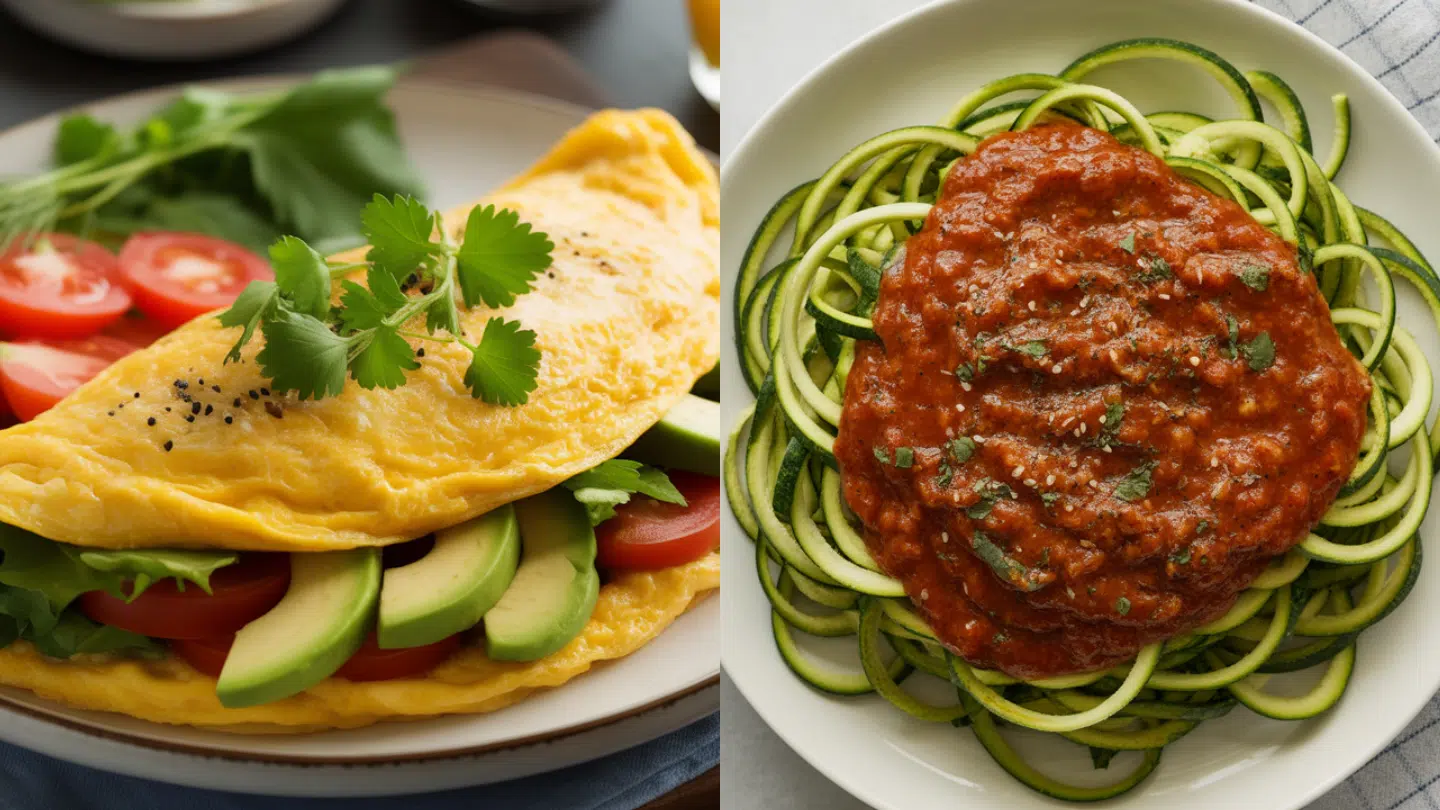
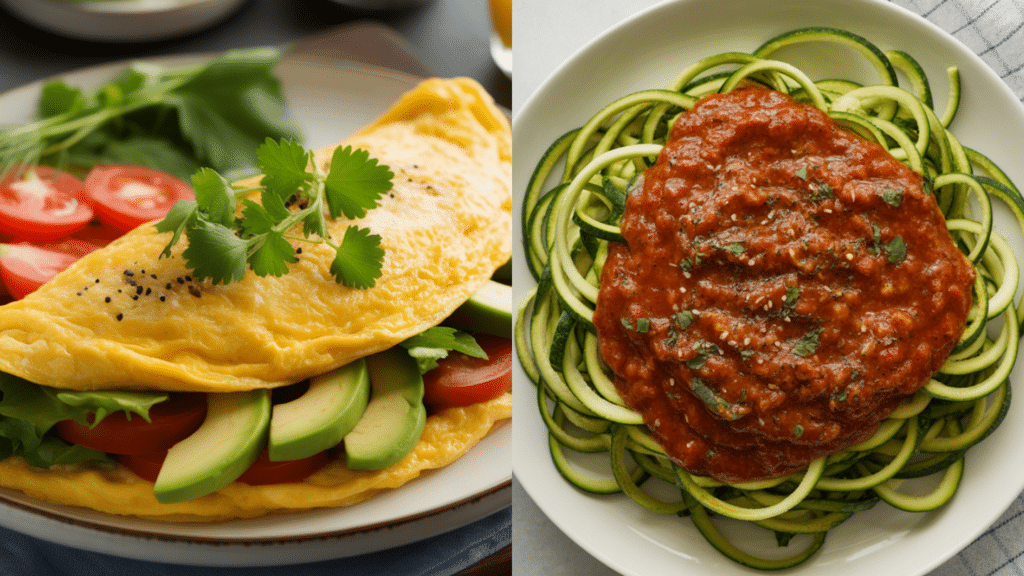
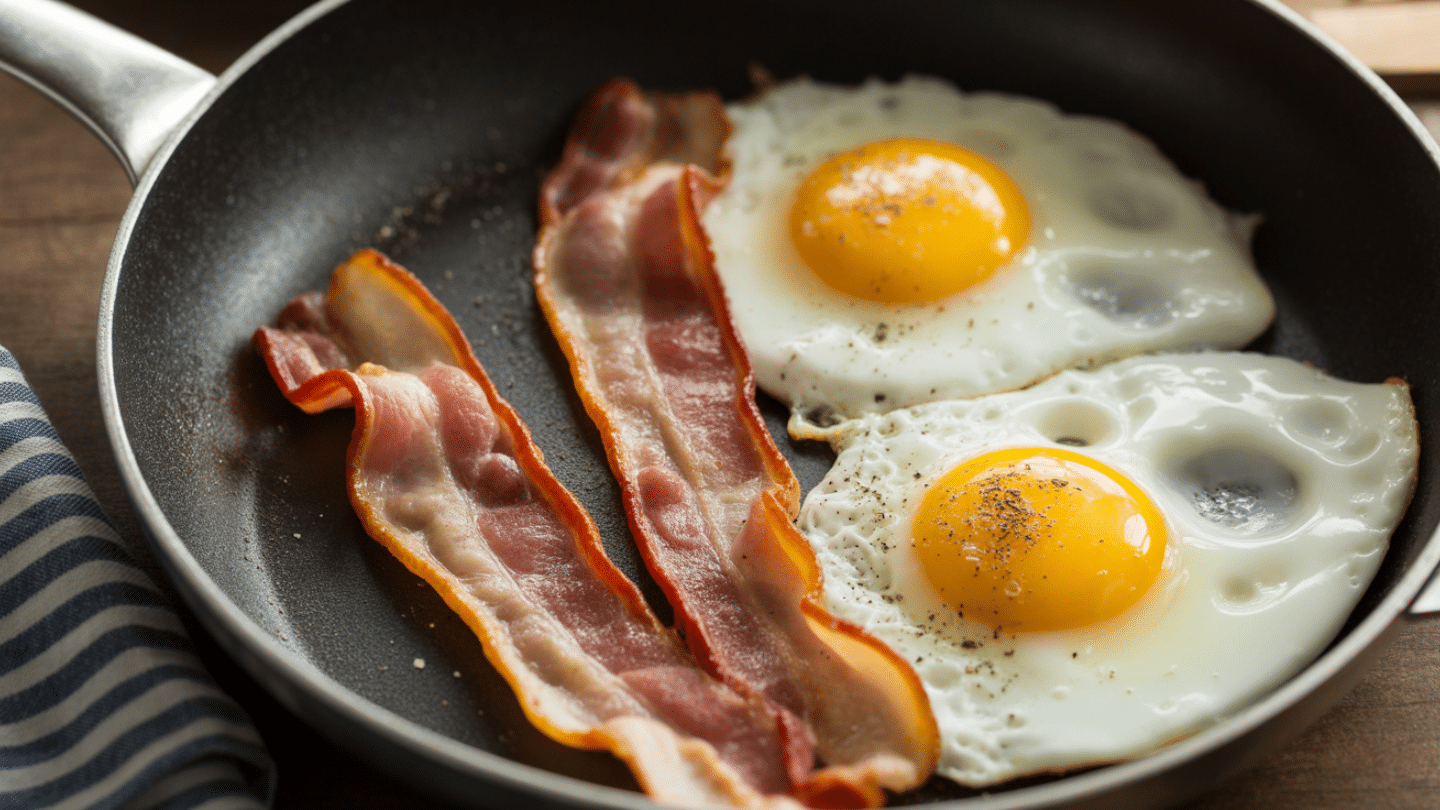
| Breakfast | Eggs with vegetables and avocado | Eggs with bacon, butter, and avocado |
| Lunch | Grilled chicken salad with fruit | Tuna salad with mayo and greens |
| Dinner | Salmon with sweet potato and broccoli | Steak with zucchini and cheese |
| Snack | Almonds and blueberries | Macadamia nuts or Greek yogurt |
Can You Combine Paleo and Keto: The Pegan Diet
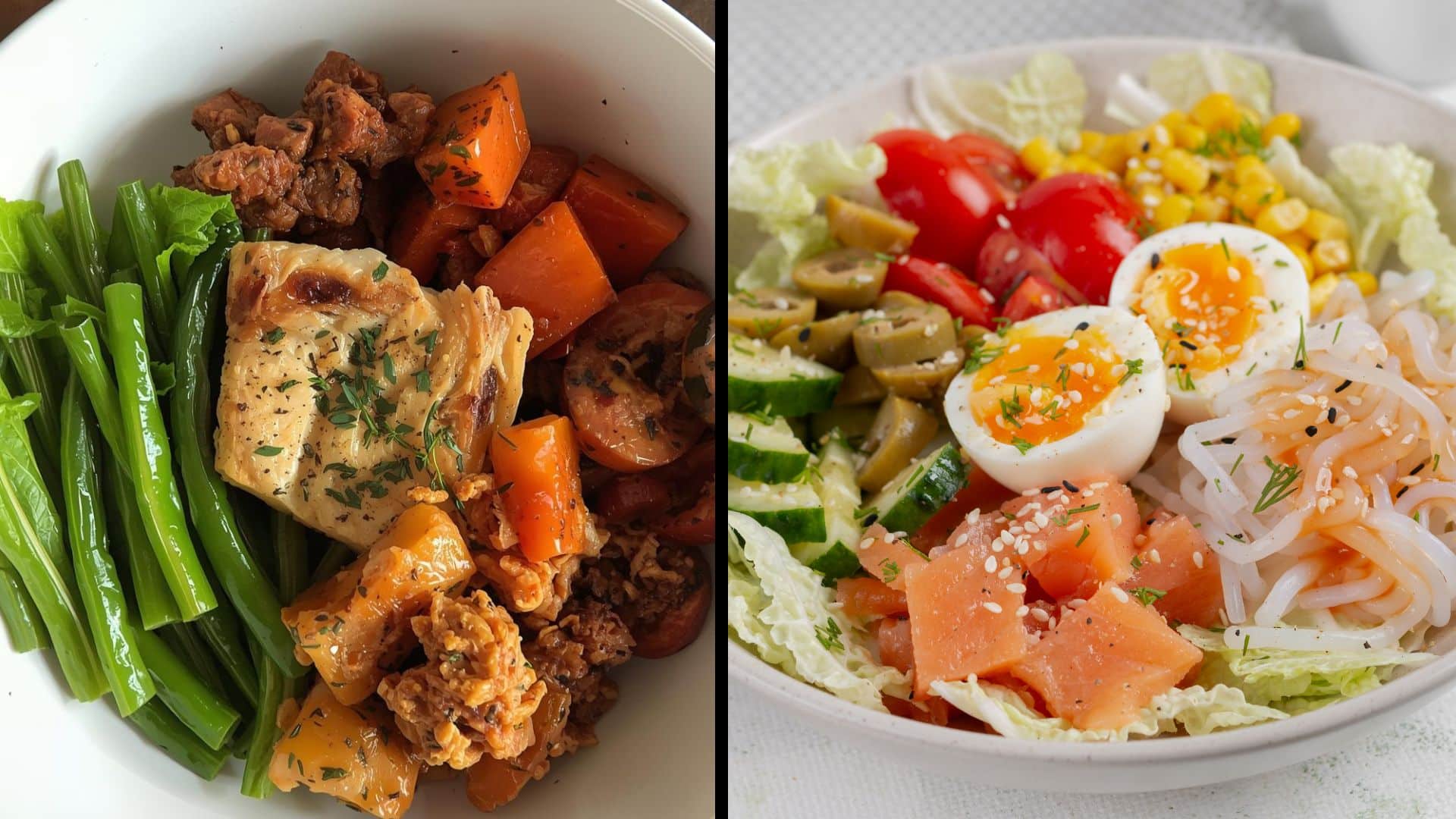
Some people combine paleo and keto by following keto macronutrient limits while choosing foods that fit paleo guidelines, keeping carbs very low while focusing on whole, unprocessed foods.
This approach even has a name: the pegan diet, a term coined to describe the overlap between paleo principles and very low-carb or plant-forward eating.
It can support ketosis while reducing processed ingredients that may trigger inflammation. However, the double restriction, no grains, legumes, or dairy under paleo rules, plus extremely low carbs for keto, can make meal planning harder and limit food variety considerably.
A hybrid approach may suit those already comfortable with keto who are seeking cleaner food sources or managing inflammation. Usually, it’s easier to follow one method before combining both.
Who Should Avoid Paleo and Keto?
Before starting paleo or keto, remember these diets restrict foods and may not suit everyone, depending on health conditions.
- Kidney disease: Higher protein or fat intake may increase strain on kidney function in some individuals.
- Pregnant or breastfeeding: Very low-carb diets may make it harder to meet increased energy needs.
- Eating disorder history: Strict diet rules may trigger unhealthy eating patterns or food anxiety.
- Diabetes on medication: Sudden carb reduction can change blood sugar levels and medication needs.
- Epilepsy or neurological conditions: Keto is sometimes prescribed medically in these cases. Always work with your doctor rather than self-managing.
- History of disordered eating: Both diets involve significant food restriction. If you have a complex relationship with food, strict dietary rules can worsen the pattern rather than help it.
If any of these apply to you, speak with a healthcare professional before making significant changes to your diet.
Conclusion
Now you have a clear picture of paleo vs keto and how each diet works in real life. Paleo focuses on whole-food quality and flexibility; keto relies on strict carb limits and metabolic changes.
After years of working with clients on both, my honest take is that if you want a sustainable long-term shift, paleo is easier to maintain.
If your goals involve blood sugar, insulin resistance, or faster weight loss, and you’re willing to track closely, keto has stronger short-term clinical backing. Neither diet works if you can’t sustain it. The best diet is simply the one that fits your actual life.
Pay attention to how your body responds and adjust from there. Share your thoughts below.