












| Medical Disclaimer: This article is for informational purposes only and does not constitute medical advice, diagnosis, or treatment. The information provided is not a substitute for professional medical consultation. If you have kidney disease, kidney stones, diabetes, high blood pressure, heart failure, or are taking medications, consult your healthcare provider before making any dietary or drink changes. Individual results vary. |
Kidney detox juice shows up in a lot of wellness searches, and the promise sounds appealing: drink the right blend, and your kidneys get a clean sweep. The reality is more nuanced than that, and knowing the difference can actually protect your kidneys rather than strain them.
Your kidneys already filter roughly 200 liters of blood every day, removing waste through urine without any juice required. What certain drinks can do is support hydration, reduce urinary tract infection risk, and, in some cases, lower the chance of kidney stone formation. That is genuinely useful. It just is not the same thing as detoxing.
Below I have laid out the juices that may support kidney health, the ones to treat carefully, and a simple daily drink routine grounded in what the evidence actually shows.
| Topic | Kidney Detox Juice |
| Best Evidence For | Hydration, UTI risk reduction (cranberry), kidney stone prevention (citrate in lemon/OJ) |
| Top Juice Choice | Unsweetened cranberry juice (UTI support), lemon in water (stone prevention) |
| Biggest Risk | High oxalate, potassium, or sugar content depending on the juice |
| Who Should Get Clearance First | Anyone with CKD, kidney stones, diabetes, high blood pressure, or heart failure |
| What Water Does That Juice Cannot | Supports filtration without adding sugar, potassium, or oxalates |
The table above captures the practical takeaway in one place. The sections below expand on each juice type so you can make the right call for your specific situation.
Why Kidney Health Matters More Than Detox Trends
Before getting into specific juices, it is worth grounding the conversation in what kidneys actually do. They filter toxins and regulate electrolytes around the clock, balance fluid levels, and help control blood pressure through a hormone called renin.
Poor hydration, high sodium intake, and excess sugar all make that job harder over time, and the same logic applies to foods that reduce creatinine, where what you eat matters as much as what you drink.
The word “detox” gets attached to a lot of drinks that cannot deliver on that claim. Your kidneys are the detox system. No juice accelerates or enhances that process in any meaningful clinical way.
What a thoughtfully chosen drink can do is reduce oxidative stress on kidney cells, support healthy urine flow, and provide compounds like citrate that help block kidney stone formation. That is the honest frame for everything that follows.
Juices That May Support Kidney Health
Not every juice earns a place in a kidney-friendly routine. The ones worth considering share a few traits: low in added sugar, useful plant compounds backed by at least some evidence, and a potassium or oxalate load that does not create new problems.
If you’re asking what juice is good for kidneys, options like unsweetened cranberry juice, lemon water, and carrot juice provide evidence-based benefits without excessive sugar or potassium. Here is how the main contenders break down.
1. Unsweetened Cranberry Juice

Cranberry juice is the most evidence-supported option for urinary health. The key compounds are proanthocyanidins, which prevent certain bacteria, particularly E. coli, from adhering to the walls of the urinary tract. This is the mechanism behind cranberry’s association with reduced UTI frequency, not a generalized cleansing effect.
The catch is the label. Most commercial cranberry juice is a cocktail product with heavy added sugar, which cancels out the benefit and adds an unnecessary glucose load. Look for 100% pure unsweetened cranberry juice.
One cup per day is a reasonable portion for most people. If you form calcium oxalate kidney stones or take blood thinners like warfarin, ask your doctor before making it a daily habit, as cranberries may actually increase stone risk in some individuals.
| Safety Note: Cranberry juice is not a treatment for an active urinary tract infection. If you have pain during urination, fever, or blood in your urine, see a doctor. Juice is not a substitute for antibiotics when an infection is present. |
2. Lemon Juice in Water

Lemon juice is one of the most practical kidney-supportive drinks available, specifically for people at risk of calcium oxalate or uric acid kidney stones. The National Kidney Foundation recommends adding 4 ounces of concentrated lemon juice to water daily as a way to increase urinary citrate levels. Citrate binds with calcium in urine before it can crystallize into stones.
Research from UT Southwestern found that orange juice also raises urinary citrate and reduces crystallization of both uric acid and calcium oxalate.
The reason it works better than lemonade comes down to ion chemistry: citrate in orange juice is accompanied by a potassium ion, while the citrate in lemonade and cranberry juice is accompanied by a hydrogen ion, which counteracts the benefit.
For stone prevention specifically, orange juice in small portions has a real case. For general kidney support with minimal sugar, lemon in water is the simpler and safer daily option.
3. Beet Juice
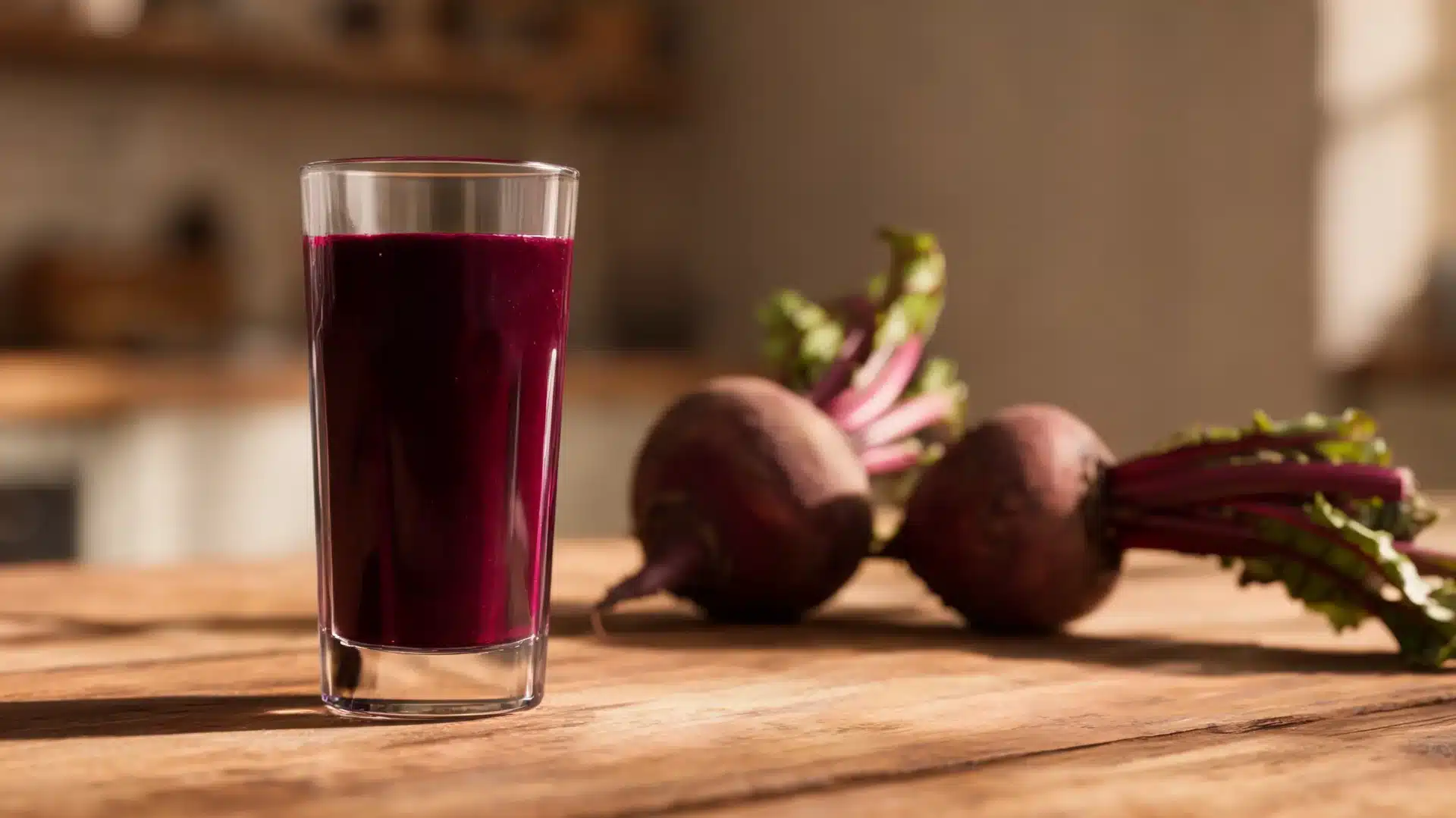
Beets contain naturally occurring nitrates that convert to nitric oxide in the body, which helps blood vessels relax. This vasodilatory effect is why beet juice has been studied in the context of blood pressure management, and high blood pressure is one of the two leading drivers of chronic kidney disease alongside diabetes.
A 2013 study in Hypertension found that 250 ml of beet juice lowered systolic blood pressure by an average of 10 mmHg in healthy adults.
The significant limitation is oxalate content. Beets are high in oxalates, and people who form calcium oxalate kidney stones, which represent roughly 80% of all kidney stones, are typically advised to limit high-oxalate foods.
Beet juice will also turn urine and stool red or pink, which is harmless but can be alarming. If you have a history of calcium oxalate stones, skip this one.
4. Pomegranate Juice
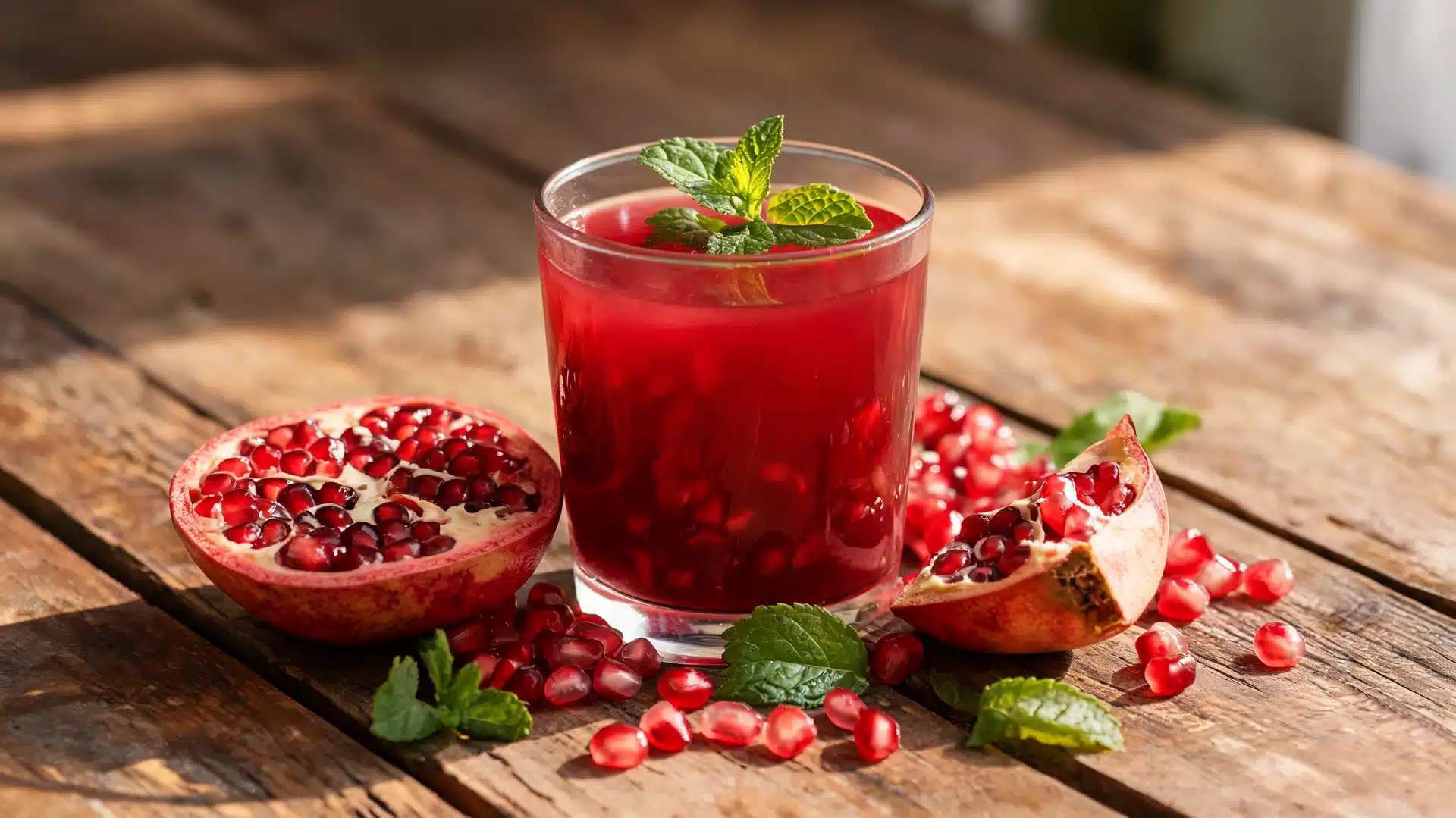
Pomegranate juice contains punicalagins and punicic acid, antioxidant compounds studied for their anti-inflammatory effects, and it appears among the top picks in a broader look at juice for kidney and liver health. Some animal and small human studies suggest potential benefits for kidney function under oxidative stress, though the human evidence remains preliminary.
What is less preliminary is the potassium content: one cup of pomegranate juice contains around 533 mg of potassium. For people with chronic kidney disease, particularly at stages 3 and above, potassium accumulates in the blood when the kidneys cannot remove it efficiently. High potassium can cause dangerous cardiac arrhythmias.
If your doctor has placed you on a potassium restriction, pomegranate juice is not safe in regular servings. For people with healthy kidney function, a small 4-ounce portion is reasonable as an occasional addition, not a daily drink.
5. Carrot Juice
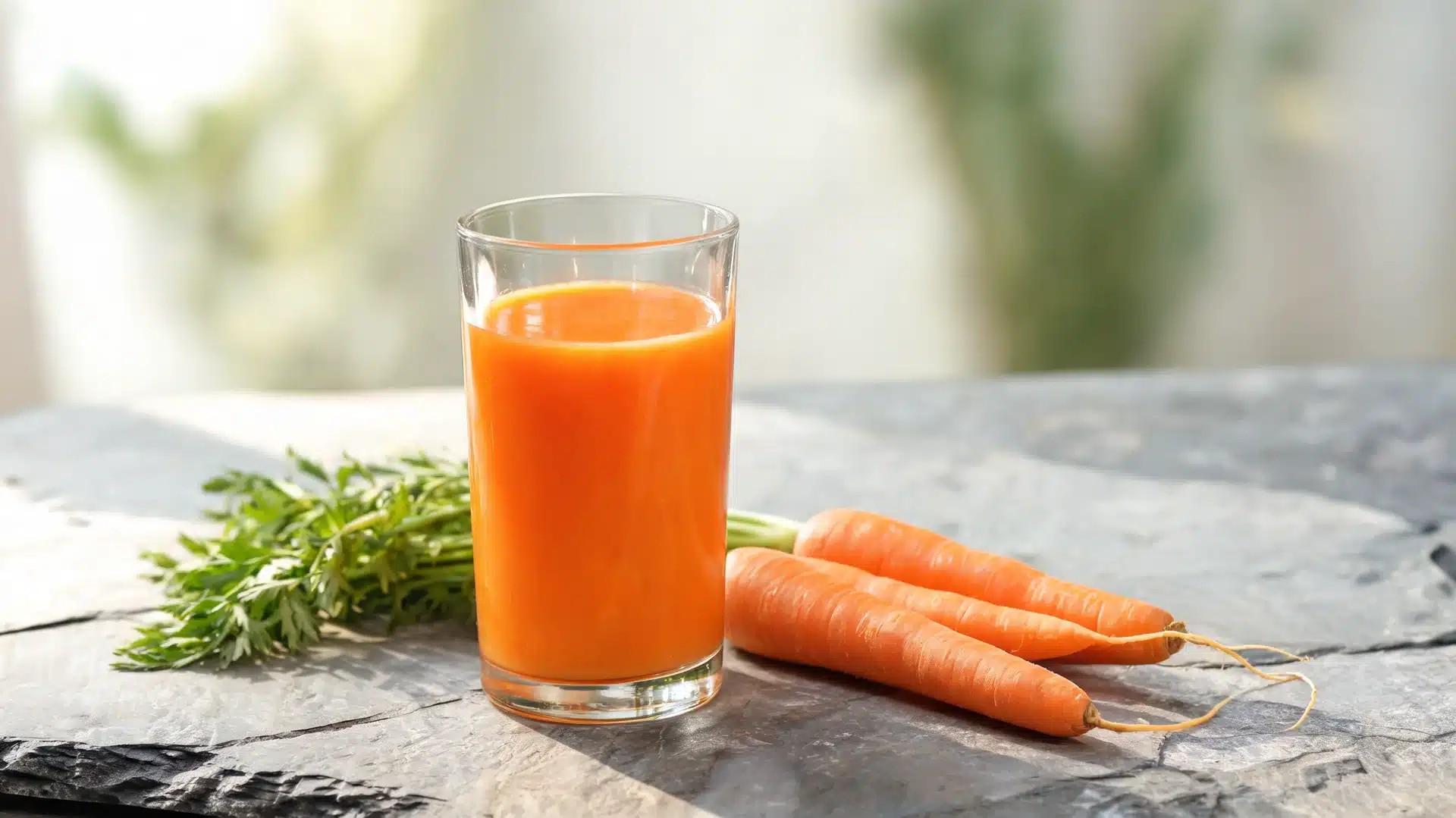
Carrot juice provides beta-carotene, which the body converts to vitamin A, along with vitamin K and smaller amounts of potassium compared to juices like orange or pomegranate.
It is a lower-risk option for most people and fits a kidney-friendly routine when kept to a small serving, around 4 to 6 ounces of fresh, unsweetened juice. The broader carrot juice benefits extend beyond kidney health to skin and eye health as well.
The main caution is against bottled carrot juice blends, many of which add apple or other high-sugar juices. Fresh-pressed carrot juice with no added sugar is the right choice. Whole carrots remain a better option than juice in terms of fiber content, but if you enjoy juicing, carrots are one of the gentler options.
6. Orange Juice
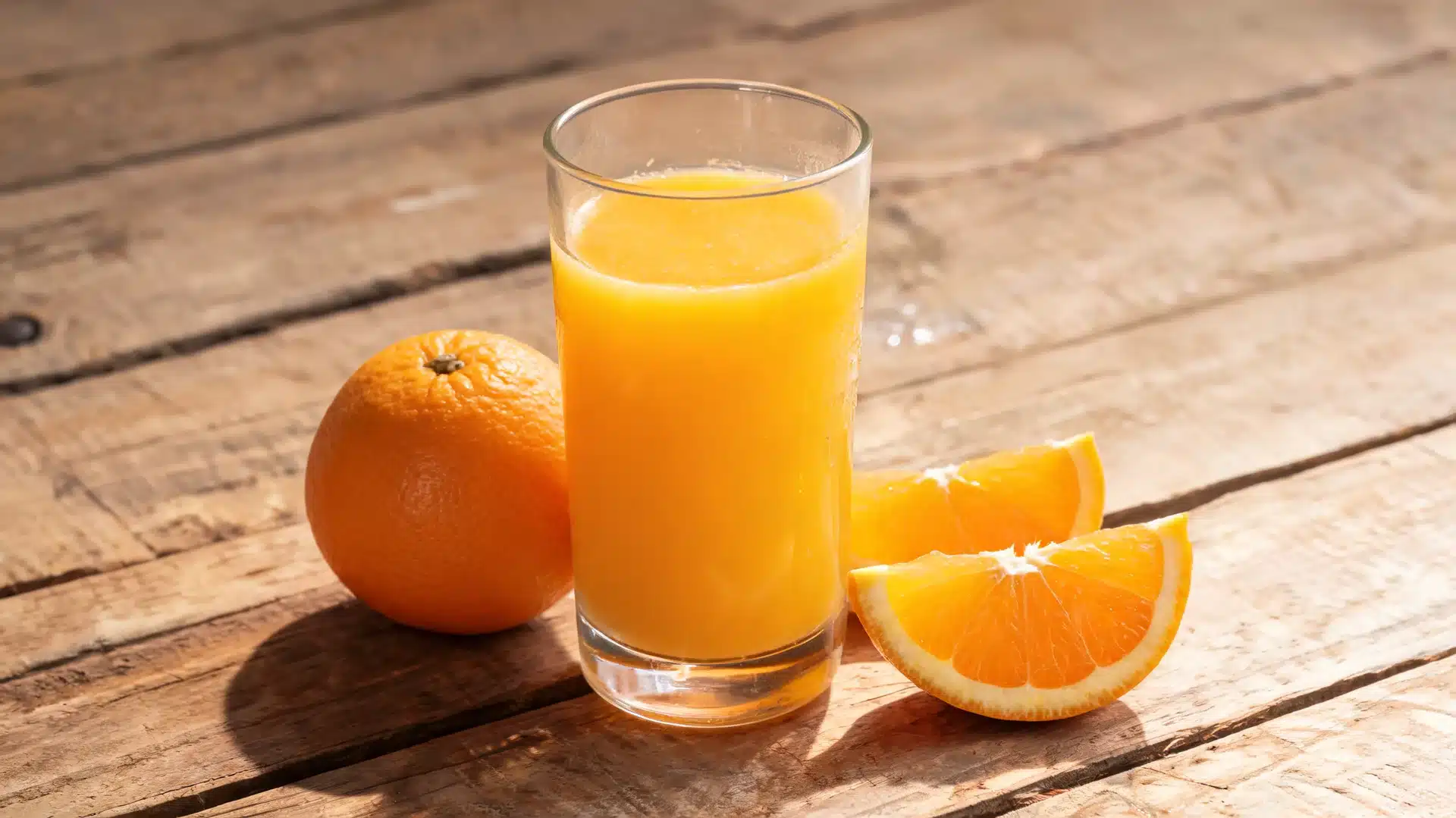
Orange juice has a specific, evidence-based case for kidney stone prevention through citrate, as noted above. However, it is high in both potassium (around 458 mg per cup) and natural sugar, which makes large daily servings problematic for anyone managing CKD, diabetes, or potassium restrictions.
A 4-ounce serving with a meal is a reasonable portion for people without those conditions. Eating a whole orange is almost always the better choice nutritionally, since you get the fiber and slower sugar absorption alongside the citrate.
7. Grape Juice
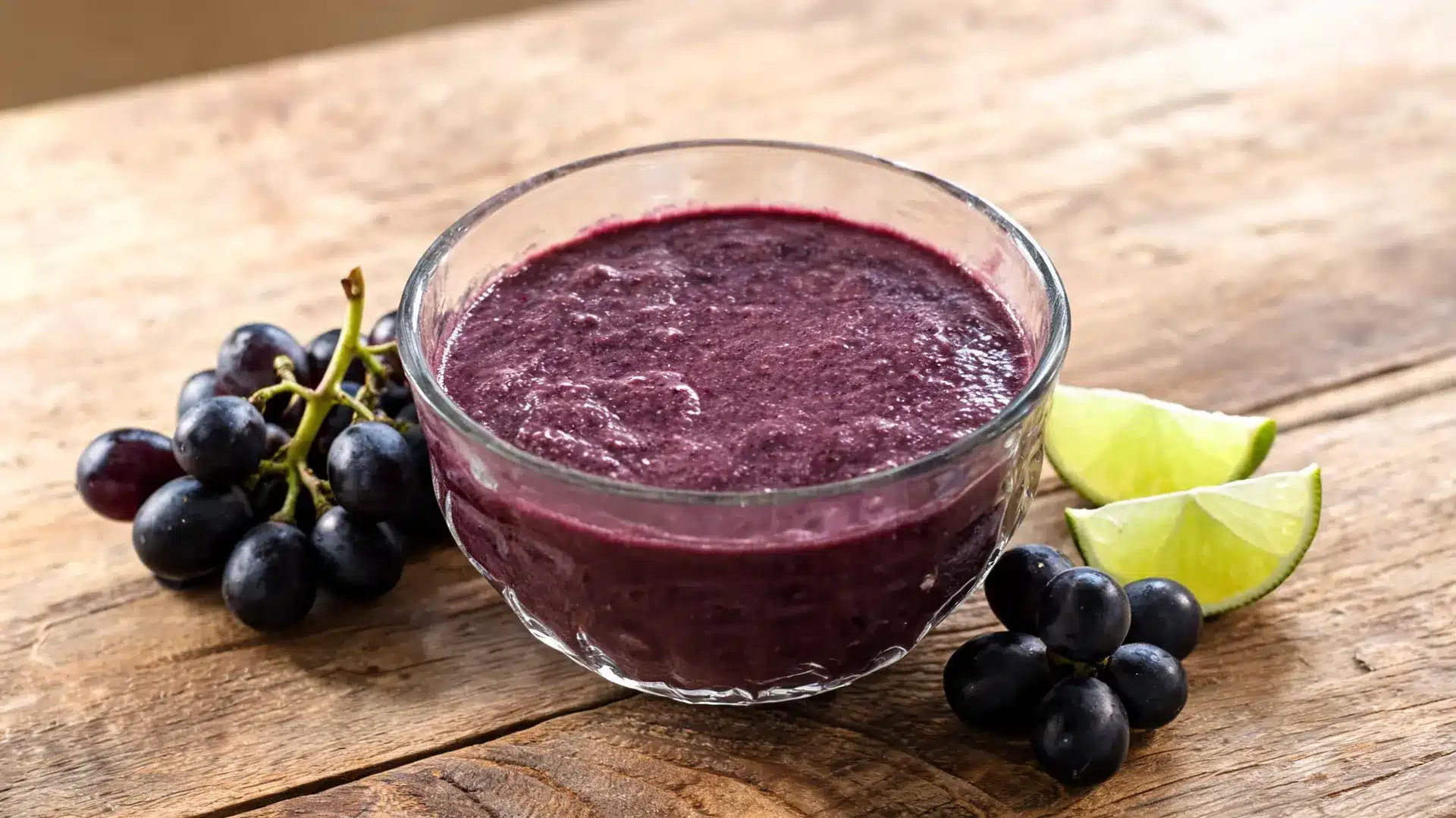
Red grape juice has been studied for antioxidative and anti-inflammatory properties in animal models, with a 2019 study suggesting it may help protect kidneys from fatty deposition. Human evidence is limited.
Grape juice is high in natural sugar and lower in fiber than whole grapes, making it easy to overdrink. If you enjoy it, choose 100% grape juice with no added sugar and keep the portion to 4 ounces or less. Whole red grapes are a better daily choice than a large glass of juice.
8. Apple Juice
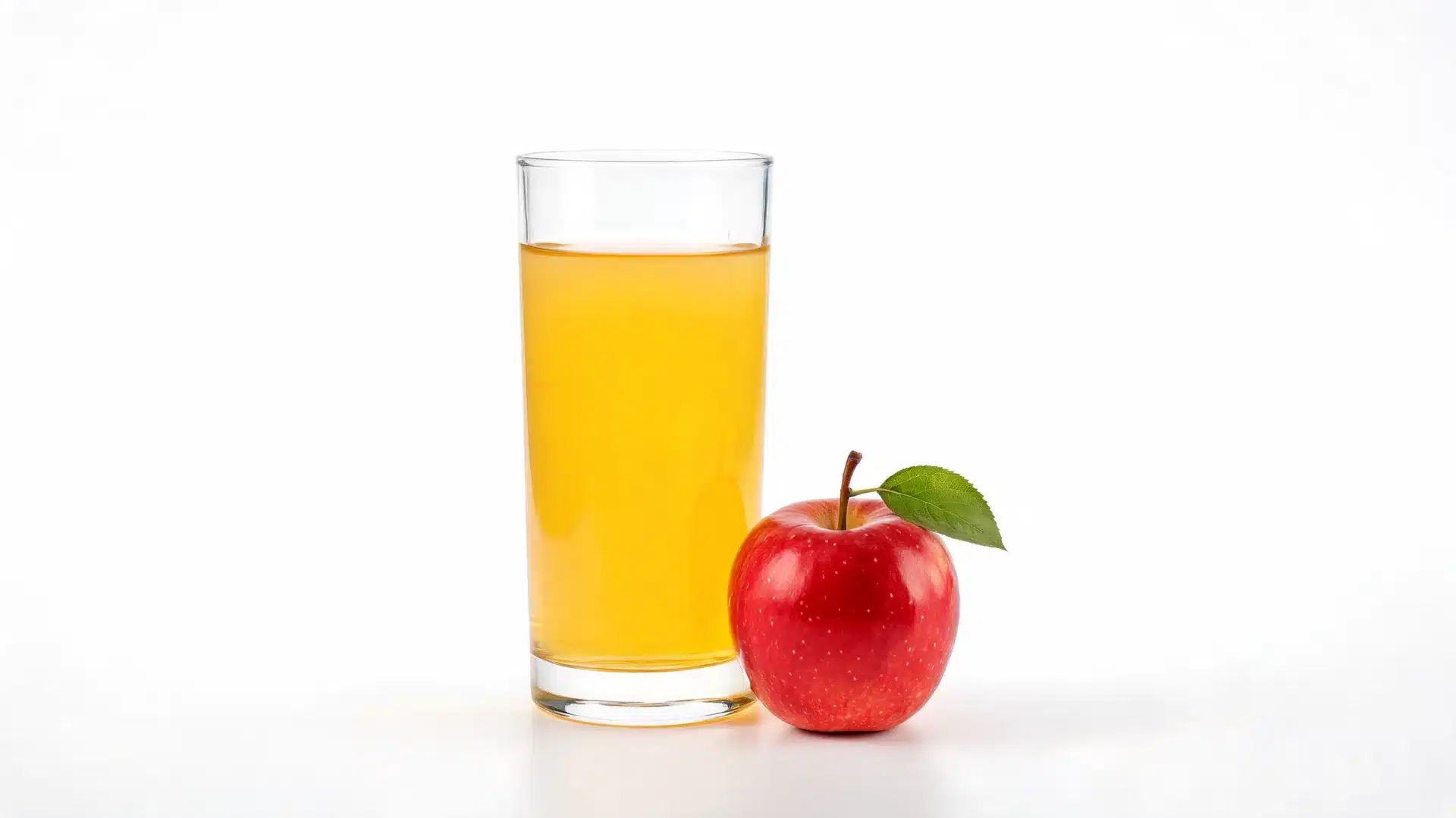
Apple juice has a high malic acid content that may contribute to citrate formation, though the research is weaker than for orange or lemon juice. Its main drawback is a high sugar load with minimal fiber and limited kidney-specific benefit compared to the other options on this list.
A small serving of 100% apple juice is unlikely to cause harm for most people, but eating a whole apple will serve you better in every measurable way.
Drinks That Support Kidney Health Beyond Juice
Juice should be one small part of your drink routine, not the centerpiece. These options add variety without adding significant sugar or potassium load.
1. Green Tea

Plain green tea provides antioxidants called catechins without adding sugar, potassium, or oxalates in meaningful amounts. It is a good unsweetened hot or cold option.
Avoid products marketed as detox teas that contain senna, laxative herbs, or proprietary blends of unnamed ingredients. These can cause dehydration and electrolyte disruption, which directly harm kidney function.
2. Black Tea in Moderation

Black tea without sugar or sweetened creamers is a reasonable kidney-friendly option when kept to one to two cups per day. It contains oxalates in moderate amounts, so people who form calcium oxalate stones should not rely on it heavily.
The caffeine is also worth watching if you have high blood pressure or sleep difficulties.
3. Coffee in Moderation

Plain black coffee is not harmful to kidneys for most people, and some observational studies associate moderate coffee consumption with lower CKD risk, though this is not a proven causal relationship.
The issues arise from what gets added: flavored syrups, phosphate-containing creamers, and high-sugar blended drinks that push the calories in coffee far beyond what the plain version carries. Keep it black or add small amounts of unsweetened milk alternatives if needed.
4. Coconut Water

Coconut water is often positioned as a natural hydration option, but it contains around 600 mg of potassium per cup, making it unsuitable as a regular drink for anyone with CKD or a potassium restriction.
For people with healthy kidney function and no potassium limits, an occasional serving is fine. It is not a superior hydration option to plain water.
How to Make a Simple Kidney Detox Juice at Home
If you want a kidney-friendly juice blend to make at home, keeping it simple and low-sugar is the goal. This combination provides cranberry’s proanthocyanidins for urinary health, citrate from lemon for stone prevention, and cucumber for hydration without adding significant potassium or oxalates.
Ingredients (makes 1 serving): 1 cup unsweetened cranberry juice, 1/2 medium cucumber (sliced), juice of 1 lemon, 1/2 cup cold water
- Combine: Add the cranberry juice, cucumber slices, and lemon juice to a blender with the water.
- Blend: Blend on high for 30 to 45 seconds until smooth.
- Strain (optional): Pour through a fine mesh sieve if you prefer a clearer juice without cucumber pulp.
- Serve immediately: Drink fresh. Nutrient content, particularly vitamin C, degrades within a few hours of blending.
Note that the beet-and-cranberry combination is one to approach carefully if you have a history of calcium oxalate stones, since beets are high in oxalates. Swapping beet for cucumber removes that risk entirely while keeping the drink hydrating and kidney-friendly.
What the Evidence Does Not Support
Several common claims about kidney detox juice do not hold up under scrutiny. Understanding where the evidence stops matters as much as knowing where it starts.
| Claim | What the Evidence Actually Shows |
|---|---|
| Juice flushes toxins from the kidneys overnight. | Your kidneys filter waste continuously without any juice. No drink accelerates this process in a clinically meaningful way. |
| Natural drinks are always safe. | Natural drinks can be high in potassium, oxalates, sugar, or compounds that interact with medications. “Natural” does not mean appropriate for every person. |
| More fluid is always better for kidneys. | People with heart failure, certain kidney diseases, or low sodium levels need fluid limits. Excess fluid can be dangerous for these groups. |
| Detox teas are superior to water. | Many detox teas contain senna or unspecified herb blends with laxative or diuretic effects that can cause dehydration and electrolyte imbalance. |
| A juice cleanse rests the kidneys. | The kidneys do not need rest and cannot be rested. High-oxalate juice cleanses have caused kidney injury in documented clinical cases. |
The table above is not an argument against juice. It is an argument for choosing the right juice, in the right amount, for the right reason.
A Simple Daily Drink Routine for Kidney Support
Consistent small habits do more for kidney health than occasional detox efforts. This routine is designed for people with healthy kidney function. If you have CKD, kidney stones, diabetes, heart failure, or any potassium or fluid restriction, ask your doctor or dietitian before following it.
| Time of Day | Drink | Note |
|---|---|---|
| Morning | Water with fresh lemon juice (4 oz lemon juice in a full glass) | Citrate supports kidney stone prevention from the start of the day |
| Mid-Morning | Plain green tea or black coffee (unsweetened) | Antioxidants without added sugar |
| With Lunch | Water; unsweetened cranberry juice (4 oz) as an option | Keep juice portions small and sugar-free |
| Afternoon | Water; plain black or green tea | Limit to one to two caffeinated drinks total per day |
| Evening | Water; herbal tea (non-laxative varieties) | Watch for swelling or changes in urine output |
Urine color is the simplest self-check: pale straw yellow indicates good hydration. Dark yellow or amber means drink more water. Clear and colorless all day can suggest overhydration, which is also worth watching in people with kidney or heart conditions.
When to Talk to a Doctor About Kidney Health
Drinks can support a healthy routine but cannot substitute for medical evaluation when symptoms are present. The following warrant a doctor’s visit, not a juice change.
Get checked if you notice blood in your urine, consistent pain in your side or lower back, fever alongside urinary symptoms, very low urine output, or persistent swelling in your ankles and feet. These can signal kidney infection, kidney disease, or obstruction.
Also, speak with your doctor before changing your drink routine if you have kidney disease at any stage, a history of kidney stones, diabetes, high blood pressure, heart failure, high potassium, or if you take blood thinners, diuretics, or blood pressure medications.
Several juices, including cranberry, pomegranate, and grapefruit, interact with common drugs in these categories.
Frequently Asked Questions
Can stress impact kidney health?
Chronic stress can elevate blood pressure and cortisol levels, which over time may strain the kidneys. Managing stress through mindfulness, meditation, or light exercise can support kidney function and improve overall metabolic health.
Are high-protein diets safe for kidneys?
Moderate protein is generally safe for healthy kidneys, but very high-protein diets may increase kidney workload. People with existing kidney disease should consult a healthcare provider before consuming high amounts of protein to prevent further strain.
Does smoking harm kidney function?
Smoking restricts blood vessels, reduces oxygen supply, and increases blood pressure, all of which can negatively impact kidney health. Quitting smoking reduces kidney stress and supports long-term renal function.
Can alcohol affect kidney function long-term?
Excessive alcohol intake can dehydrate the body, raise blood pressure, and contribute to kidney damage over time. Moderate consumption or abstaining helps maintain proper hydration and reduces long-term kidney strain.
Do over-the-counter painkillers affect kidneys?
Frequent use of NSAIDs, like ibuprofen or naproxen, can reduce kidney blood flow and cause damage over time. People using these medications regularly should monitor kidney function and consult their healthcare provider.
How does body weight impact kidney health?
Excess body weight increases blood pressure, blood sugar, and risk of kidney disease. Maintaining a healthy weight through balanced diet and exercise reduces strain on kidneys and supports overall renal function.
Final Thoughts
Keeping your kidneys healthy doesn’t require miracle juices or drastic cleanses.
I’ve shown you which drinks, like kidney detox juice blends, lemon water, and unsweetened cranberry juice, genuinely support hydration, urinary health, and kidney stone prevention.
You learned that portion sizes, sugar content, and oxalate levels matter, and that moderation and variety are key for safe kidney support. These tips help you make informed choices daily, rather than chasing unproven detox claims.
Start incorporating small, evidence-based drinks into your routine, track how your body responds, and pair them with water and healthy foods.
Share your favorite kidney-friendly drink or try the simple blends discussed here for practical, daily kidney care.