








One wrong bite can turn a calm meal into a rough day. That is why a clear list matters when gluten bothers your body.
If you searched for gluten-free foods to avoid, you probably want answers you can use at home, in a store, and while eating out. A gluten-free diet starts with wheat, barley, rye, and triticale, but the harder part is spotting gluten in sauces, soups, snacks, drinks, seasonings, and shared cooking spaces.
You do not need to memorize every food on day one. Start with the biggest sources, learn the label clues, and choose safer swaps that still feel normal at breakfast, lunch, snack time, and dinner.
If you think celiac disease may be behind your symptoms, speak with a doctor before removing gluten. Testing is usually more accurate when gluten is still part of your diet.
| Medical Disclaimer: This is for informational purposes only and does not constitute medical advice, diagnosis, or treatment. If you have any issues, work with your gastroenterologist or registered dietitian to build your specific elimination protocol. Do not remove gluten from your diet before testing; gluten needs to be present in your system for the antibody test to be accurate. |
Quick Answer: What Foods Contain Gluten?
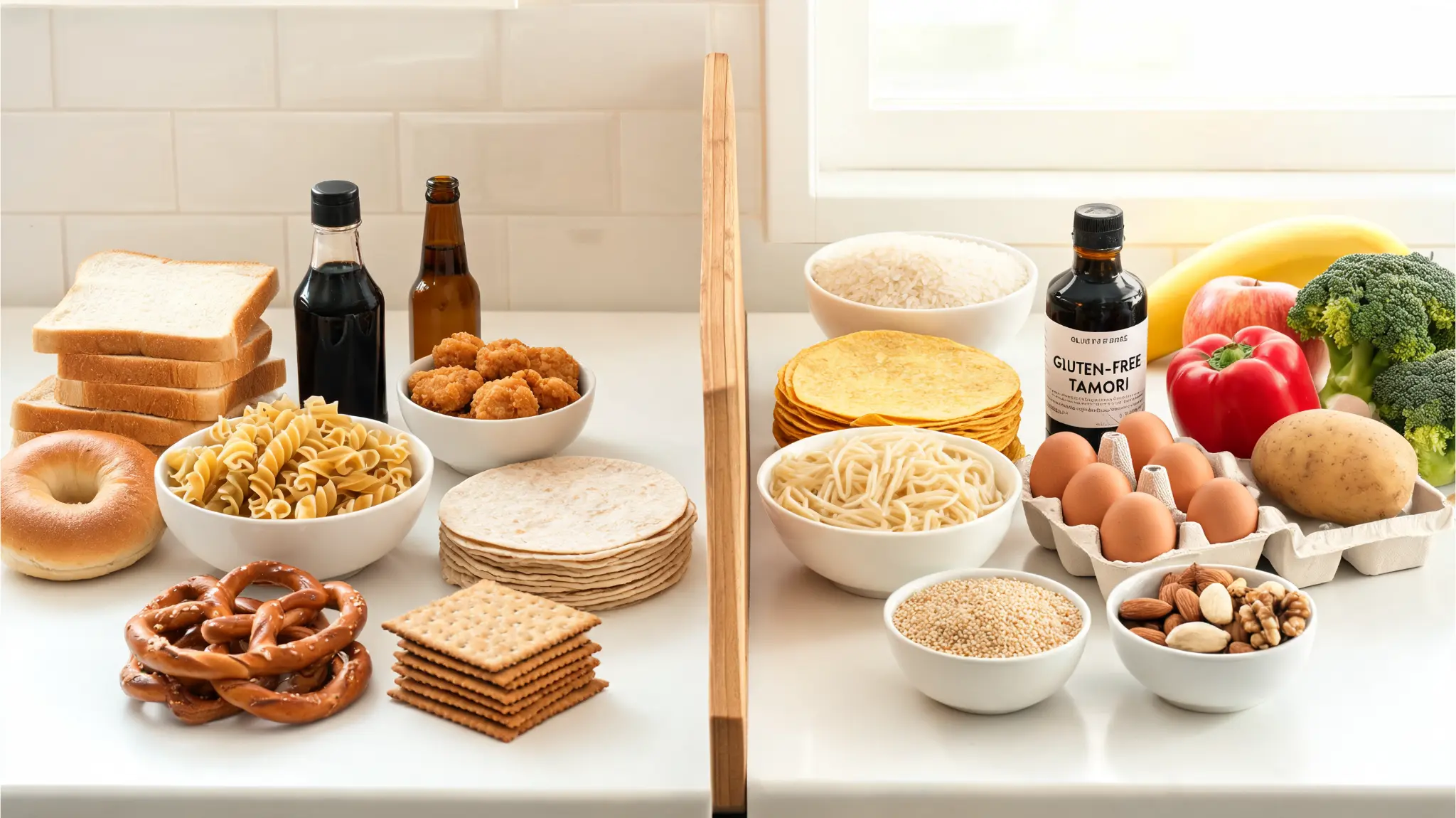
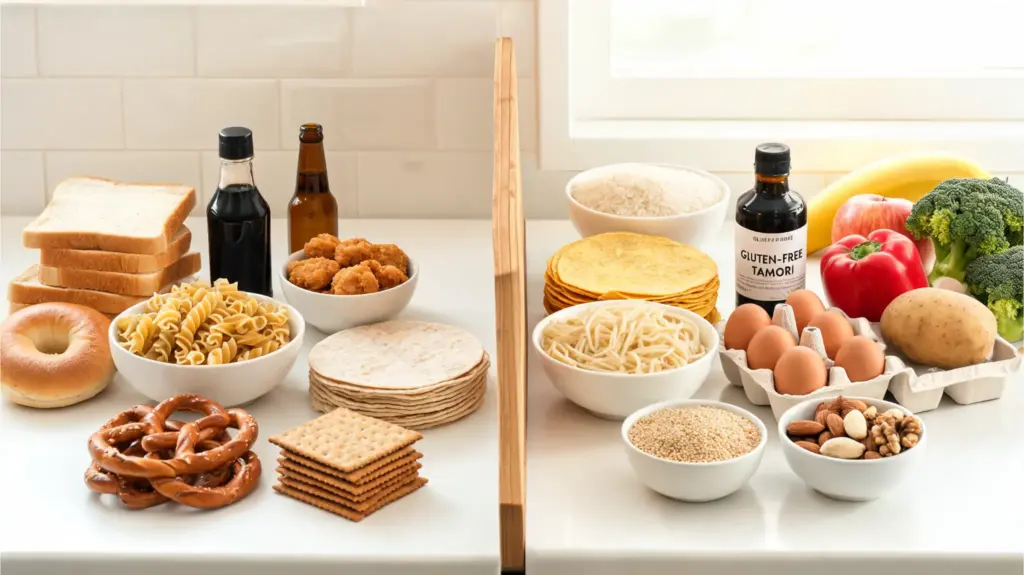
The main foods that contain gluten are made with wheat, barley, rye, or triticale. Some are easy to spot, like bread and pasta. Others are less obvious, like soy sauce, malt cereal, soup bases, seasoning packets, and shared-fryer foods.
| Food type | Avoid | Safer choice |
|---|---|---|
| Grains | Wheat, barley, rye | Rice, corn, quinoa |
| Sauces | Regular soy sauce, gravy | Gluten-free tamari |
| Snacks | Pretzels, wheat crackers | Gluten-free crackers |
| Breakfast | Wheat cereal, malt cereal | Gluten-free oats |
| Drinks | Beer, malt drinks | Labeled gluten-free options |
Gluten-Containing Grains You Need to Avoid
This is the base list to learn first. Once you know these grains and grain-based terms, it becomes easier to spot gluten on labels and menus.
1. Wheat and Its Many Names
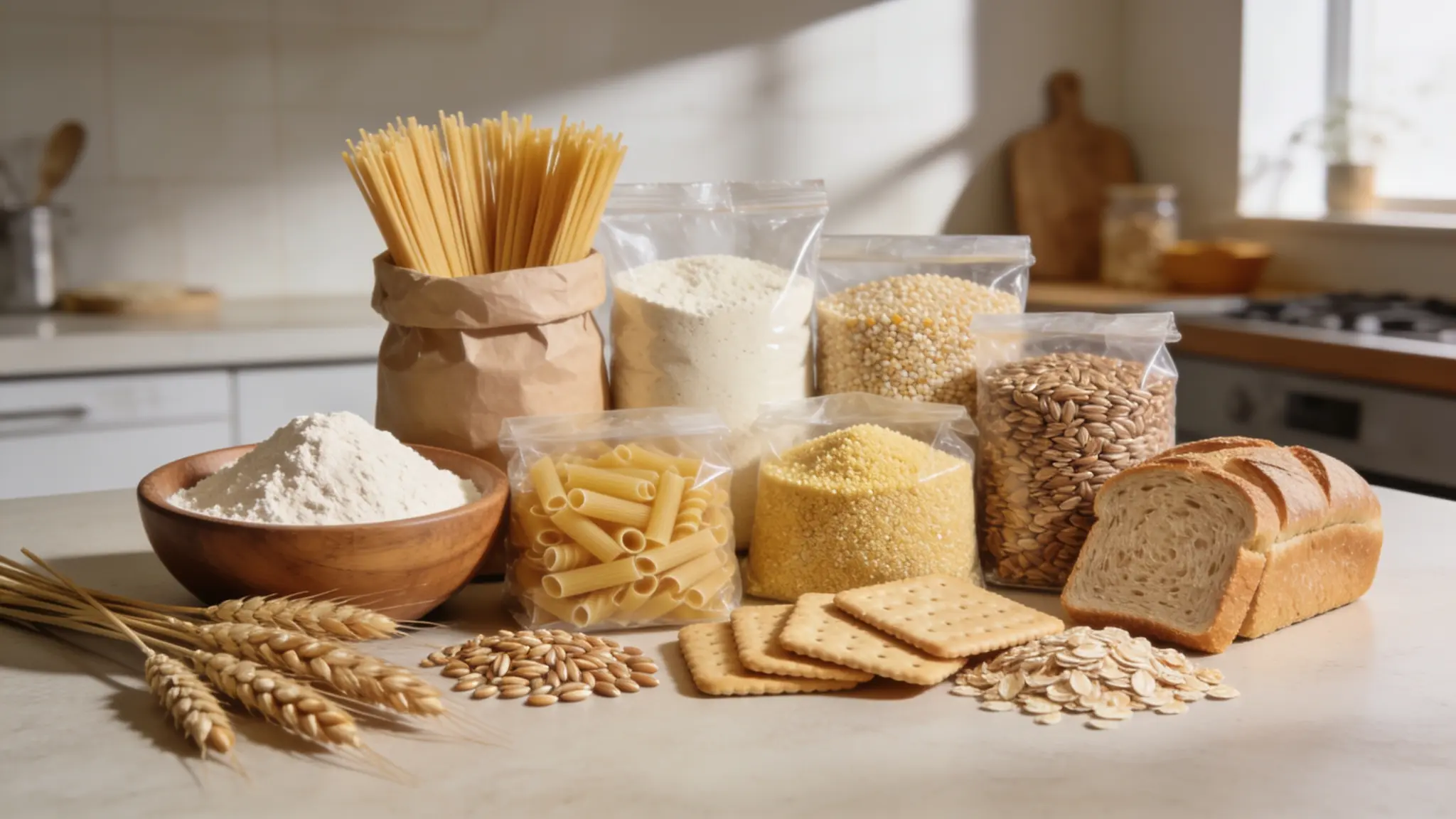
Wheat is the biggest source of gluten in everyday foods. It can appear as wheat flour, wheat berries, durum, semolina, farina, farro, graham, spelled, emmer, einkorn, Kamut, bulgur, and couscous.
Some of these names do not look like plain “wheat” at first. That is why I check ingredient lists closely, especially on pasta, cereal, crackers, baked foods, and grain bowls.
2. Barley and Malt Ingredients
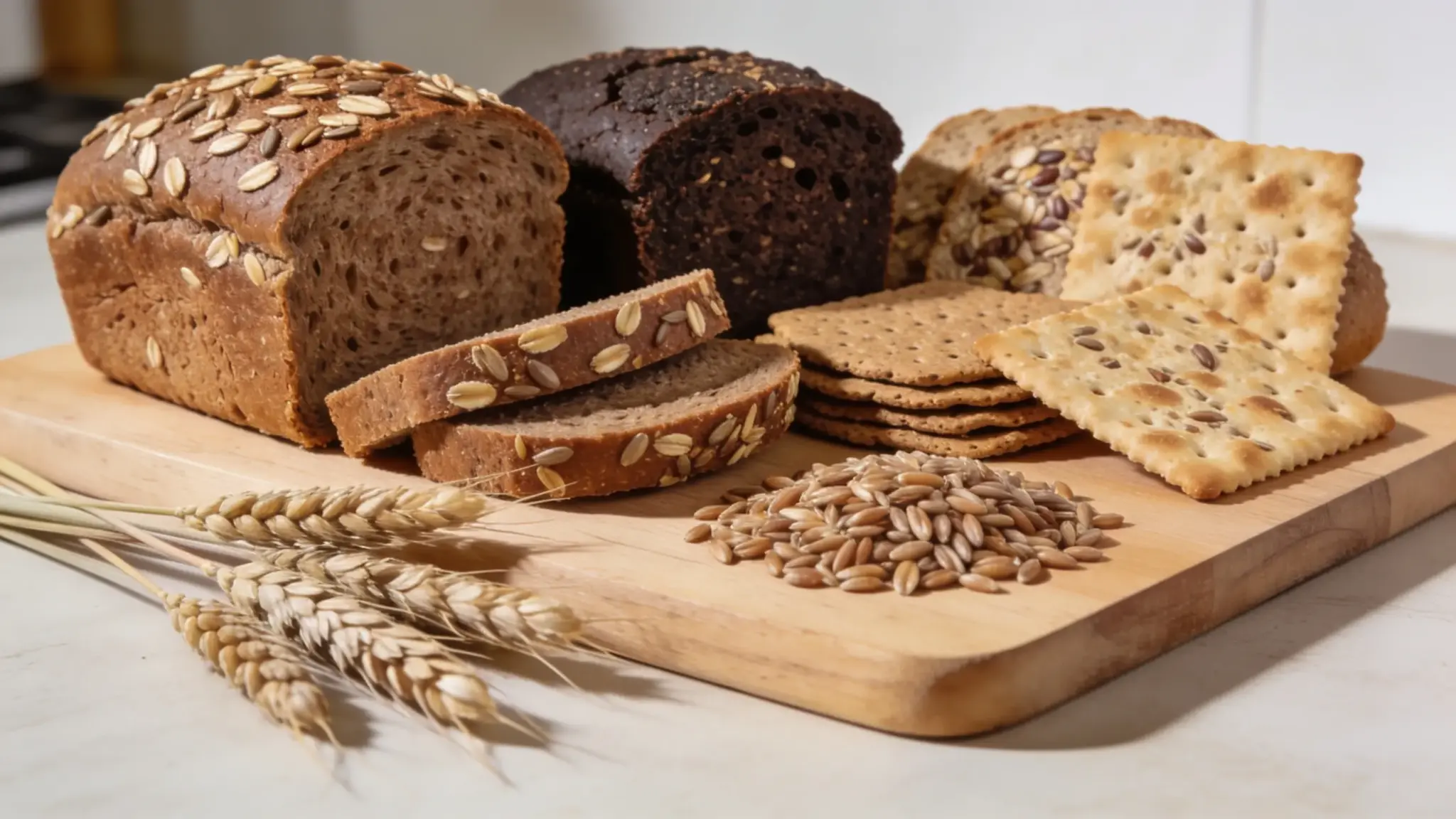
Barley contains gluten. It can also show up as malt, malt extract, malt syrup, malt vinegar, and malt flavoring.
Malt is easy to miss because it often appears in cereal, candy, drinks, sauces, and snack foods. If a product uses malt and is not labeled gluten-free, I would treat it as unsafe for strict gluten avoidance.
3. Rye and Triticale
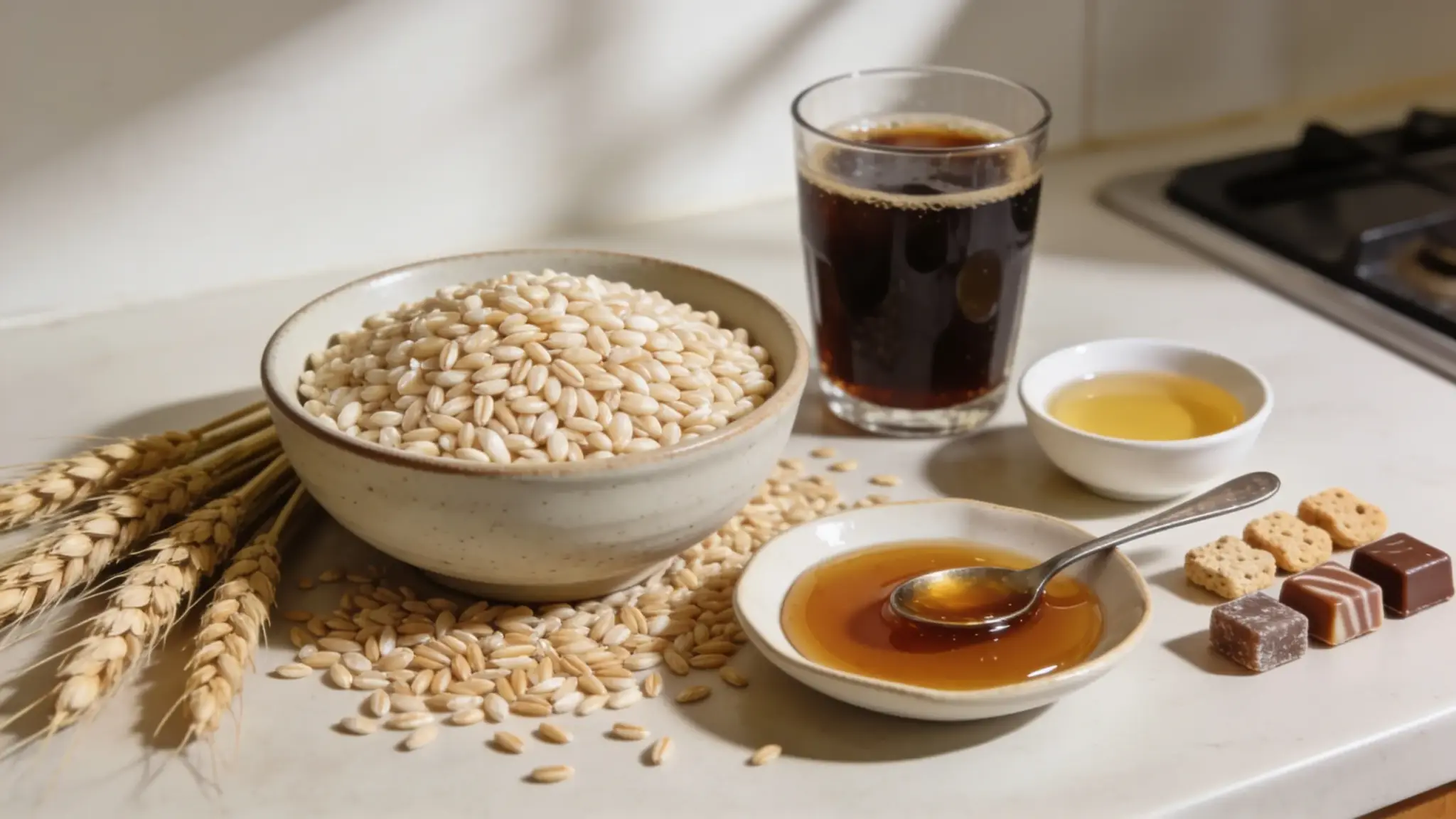
Rye also contains gluten. Watch for rye flour, rye bread, pumpernickel, rye crackers, and mixed-grain breads that include rye.
Triticale is a cross between wheat and rye, so it is not gluten-free. It is less common than wheat, but it still matters on labels and in grain-based products.
4. Oats: The Special Case
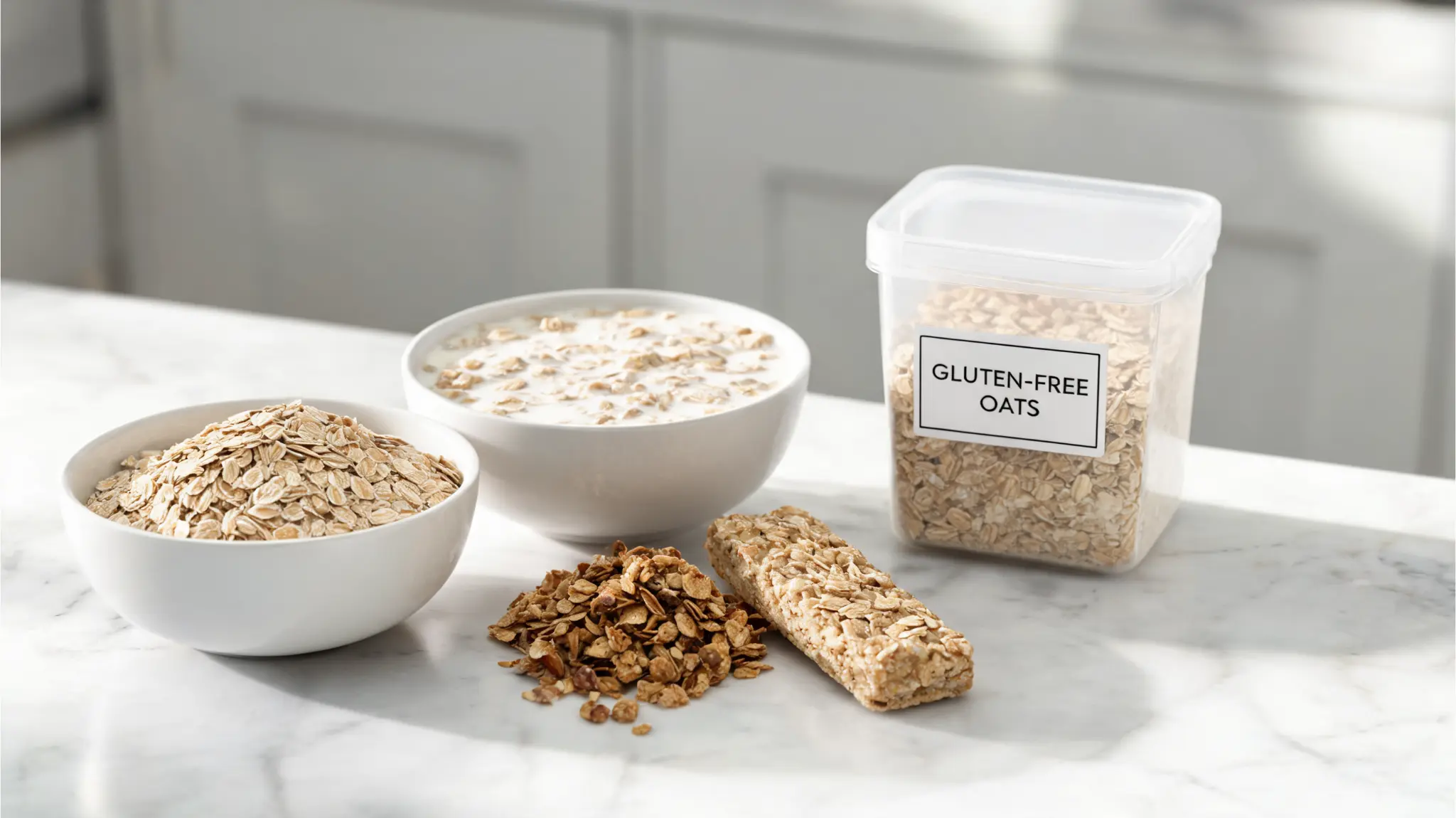
Oats are naturally gluten-free, but regular oats can come into contact with wheat, barley, or rye during growing, storage, transport, or processing. The Celiac Disease Foundation explains why oats require extra care for people strictly avoiding gluten.
If you eat oatmeal, granola, oat bars, or oat cereal, choose packages clearly labeled gluten-free. For recipe planning, healthy overnight oats can work only when the oats are labeled gluten-free.
Common Everyday Foods That Usually Contain Gluten
These are the obvious gluten foods. They are usually made from wheat or another gluten-containing grain, so they should be checked first when you are changing your regular meals.
5. Bread and Bakery Foods
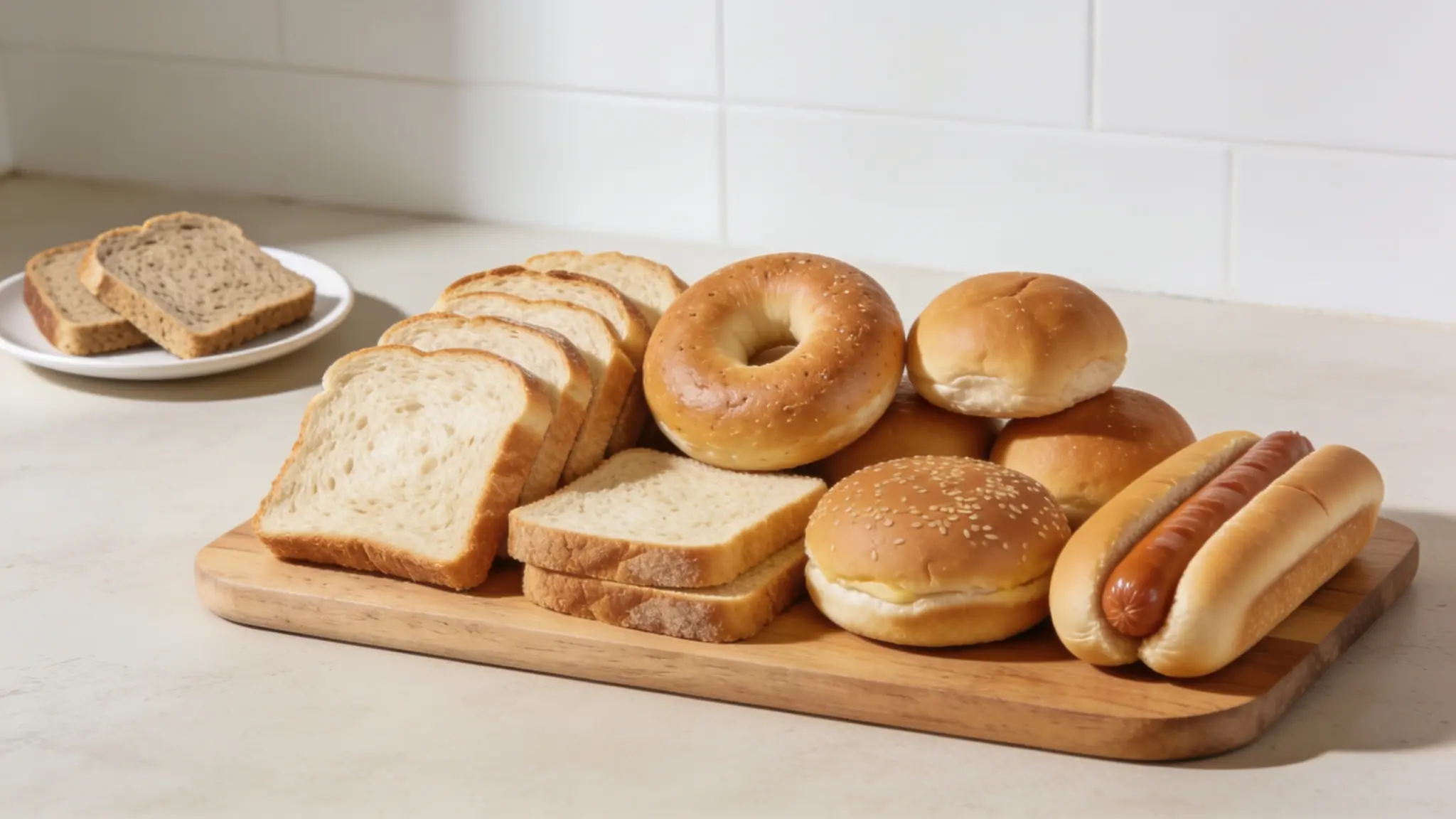
Bread and bakery foods are among the most common gluten foods to avoid. This group includes sandwich bread, wheat bread, sourdough made with wheat, rye bread, bagels, rolls, hamburger buns, hot dog buns, croissants, naan, pita, flour tortillas, pizza crust, biscuits, muffins, cakes, cookies, pies, doughnuts, pancakes, waffles, and French toast.
Gluten-free bread, corn tortillas, and sealed gluten-free bakery products are safer choices. If you are comparing options, remember that gluten-free bread carbs can still matter for people watching blood sugar or total carbohydrates.
Open bakery cases need extra care because flour spreads easily on surfaces and in the air. If gluten affects your health, sealed packages are often easier to trust than loose bakery items.
6. Pasta, Noodles, and Grain Dishes
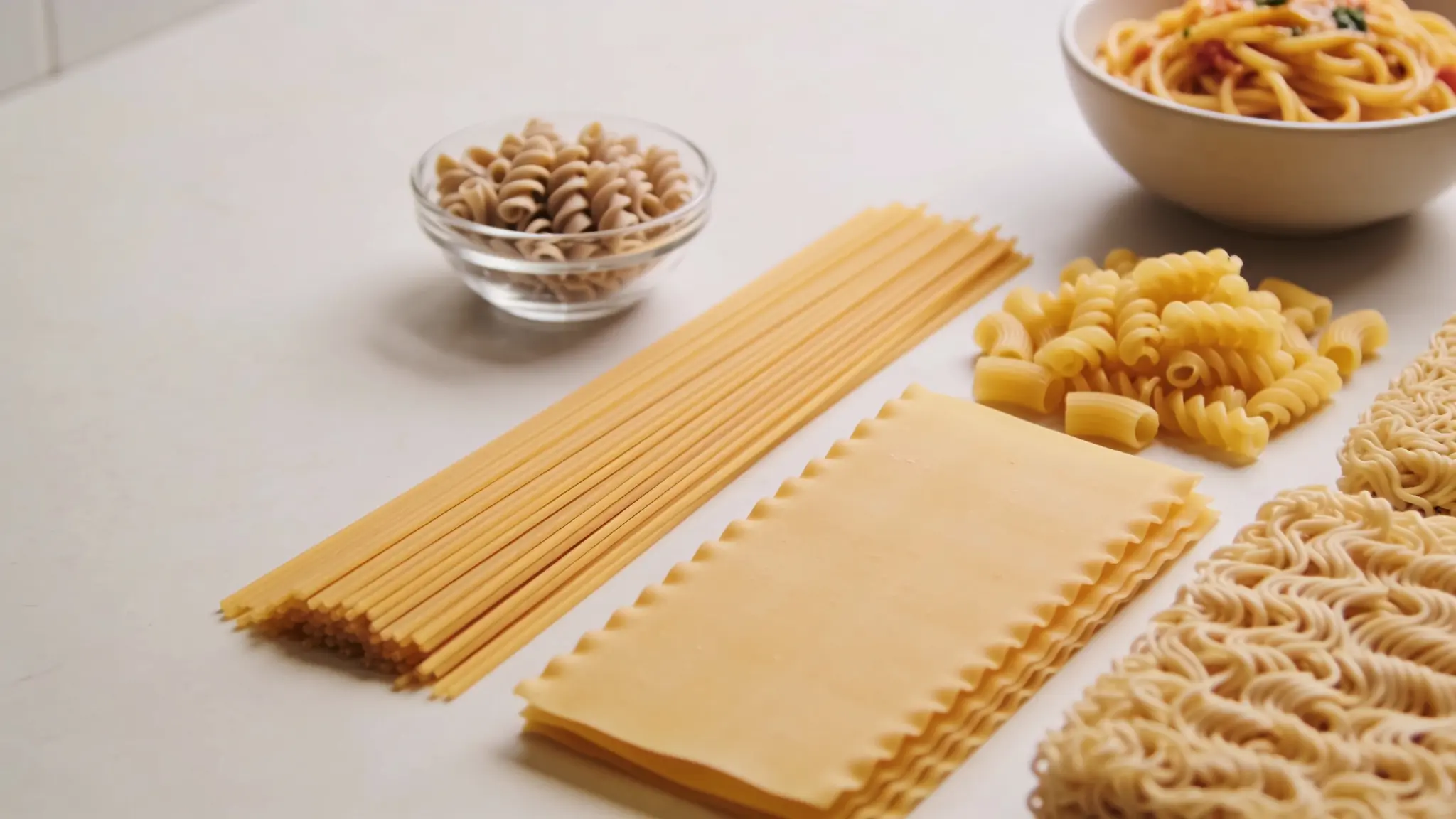
Most regular pasta is made from wheat. This includes spaghetti, macaroni, lasagna sheets, fettuccine, ravioli, ramen, udon, dumplings, gnocchi made with wheat flour, and many boxed noodle meals.
Couscous and bulgur also belong here because they are wheat-based, even though they may look more like side dishes than pasta. Wheat berry salads, farro bowls, and tabbouleh made with bulgur are also not gluten-free.
Safer swaps include rice pasta, corn pasta, chickpea pasta, lentil pasta, quinoa, rice, millet, and buckwheat. Also check sauce packets, not just the noodles.
7. Cereals, Crackers, and Snack Foods
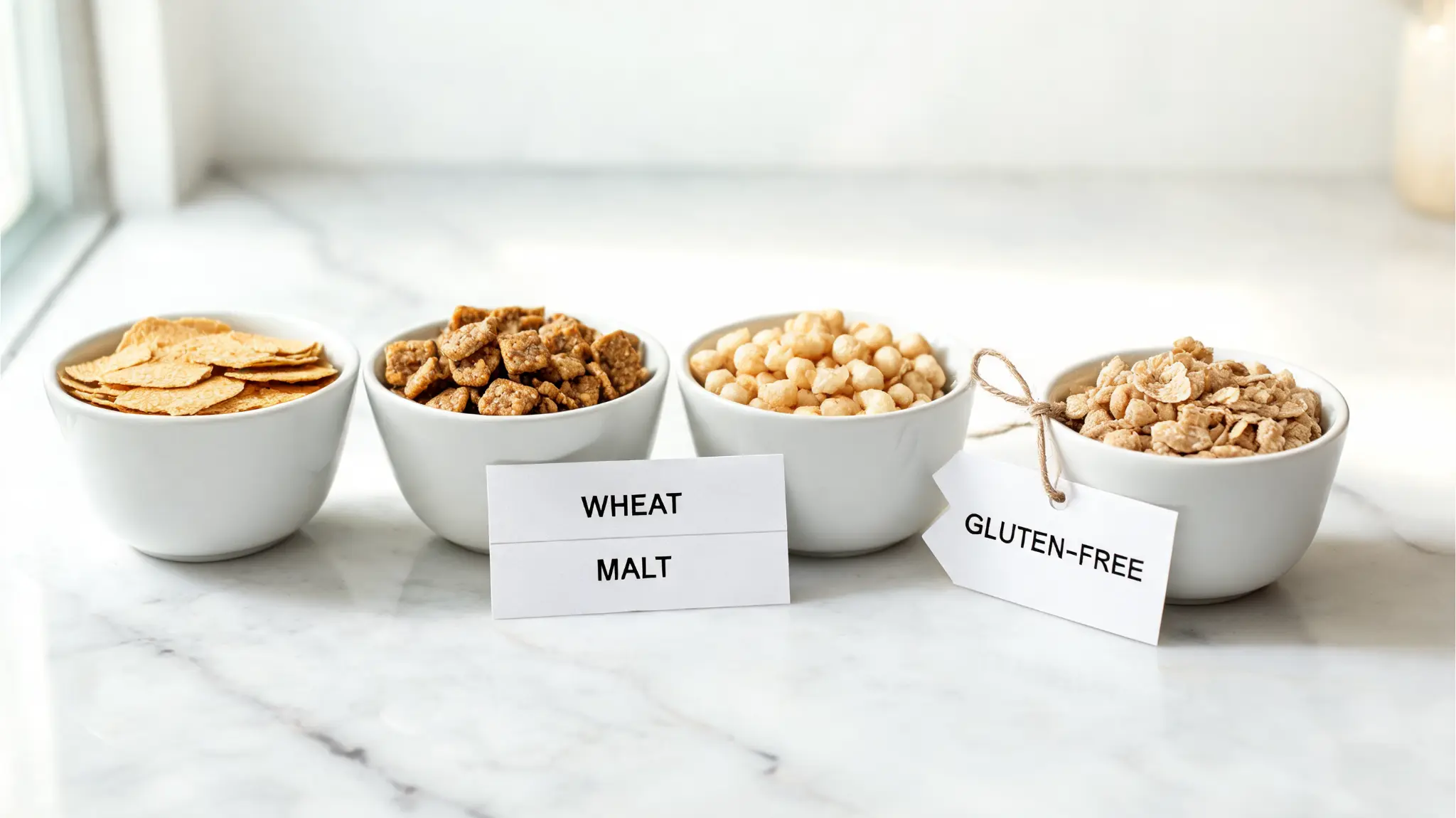
Breakfast cereals, granola, cereal bars, crackers, pretzels, snack mixes, pita chips, cheese crackers, and wheat-based chips or crisps may contain gluten. Some rice or corn cereals also use barley malt, so the front of the box can be misleading.
If cereal is part of your routine, compare ingredient lists instead of relying on the front label. A list of healthiest cereal brands can still include products that need a gluten check.
Plain potato chips or corn chips may be gluten-free, but flavored versions can include wheat-based seasonings or malt vinegar. This is one aisle where guessing can go wrong fast.
Hidden Gluten Foods to Check Carefully
Hidden gluten is the part that trips up many beginners. These foods do not always look like bread, pasta, or flour, but they may contain wheat, barley malt, thickeners, binders, breading, or shared-cooking risk.
8. Sauces, Condiments, and Dressings
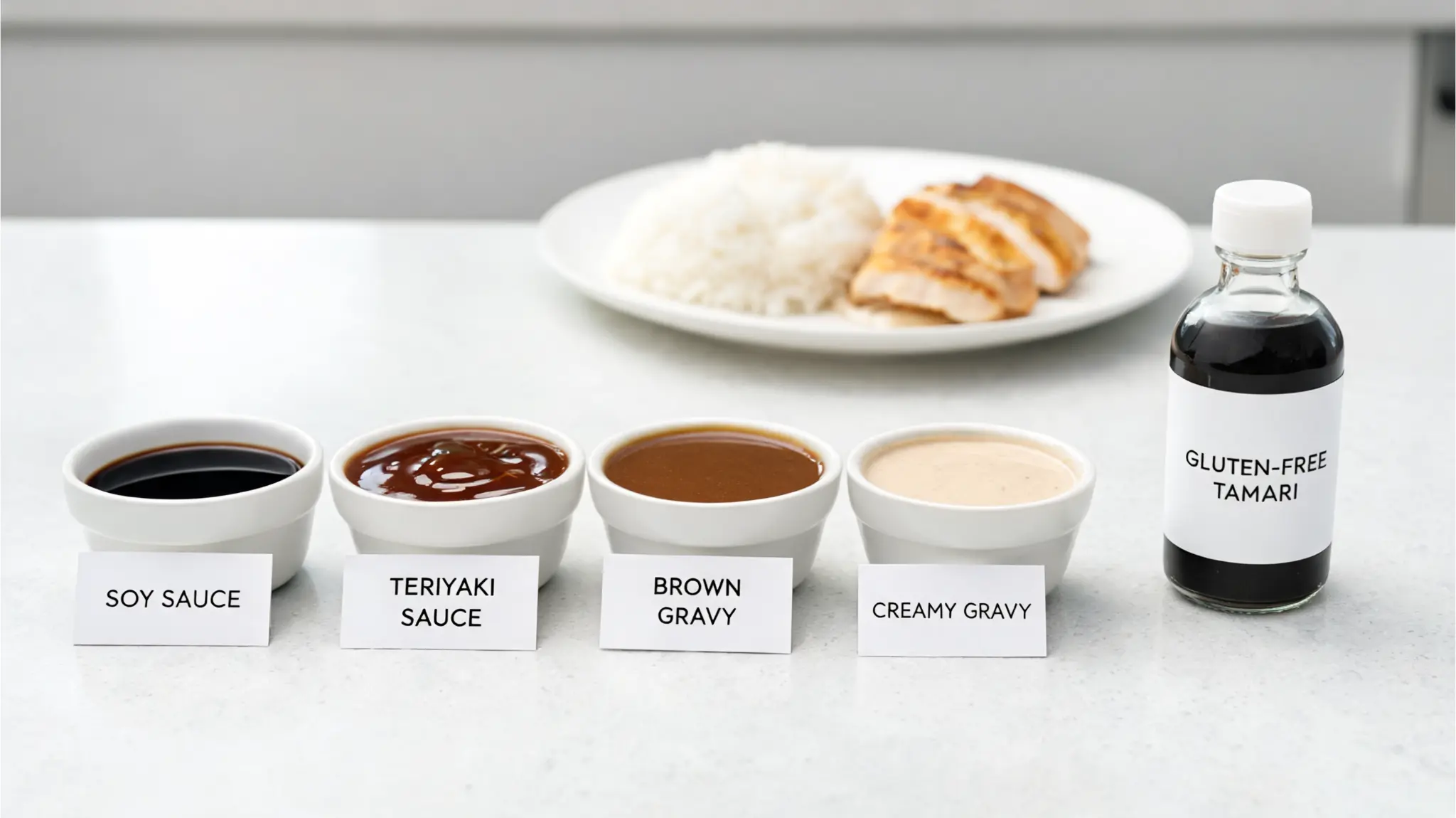
Regular soy sauce often contains wheat. Teriyaki sauce, barbecue sauce, marinades, brown gravy, cream gravy, salad dressings, ketchup, mustard, spice blends, and malt vinegar may also contain gluten.
Gluten-free tamari is a simple swap for soy sauce. For gravy, look for a gluten-free label or thicken it with cornstarch instead of wheat flour at home.
9. Soups, Broths, and Packaged Meals
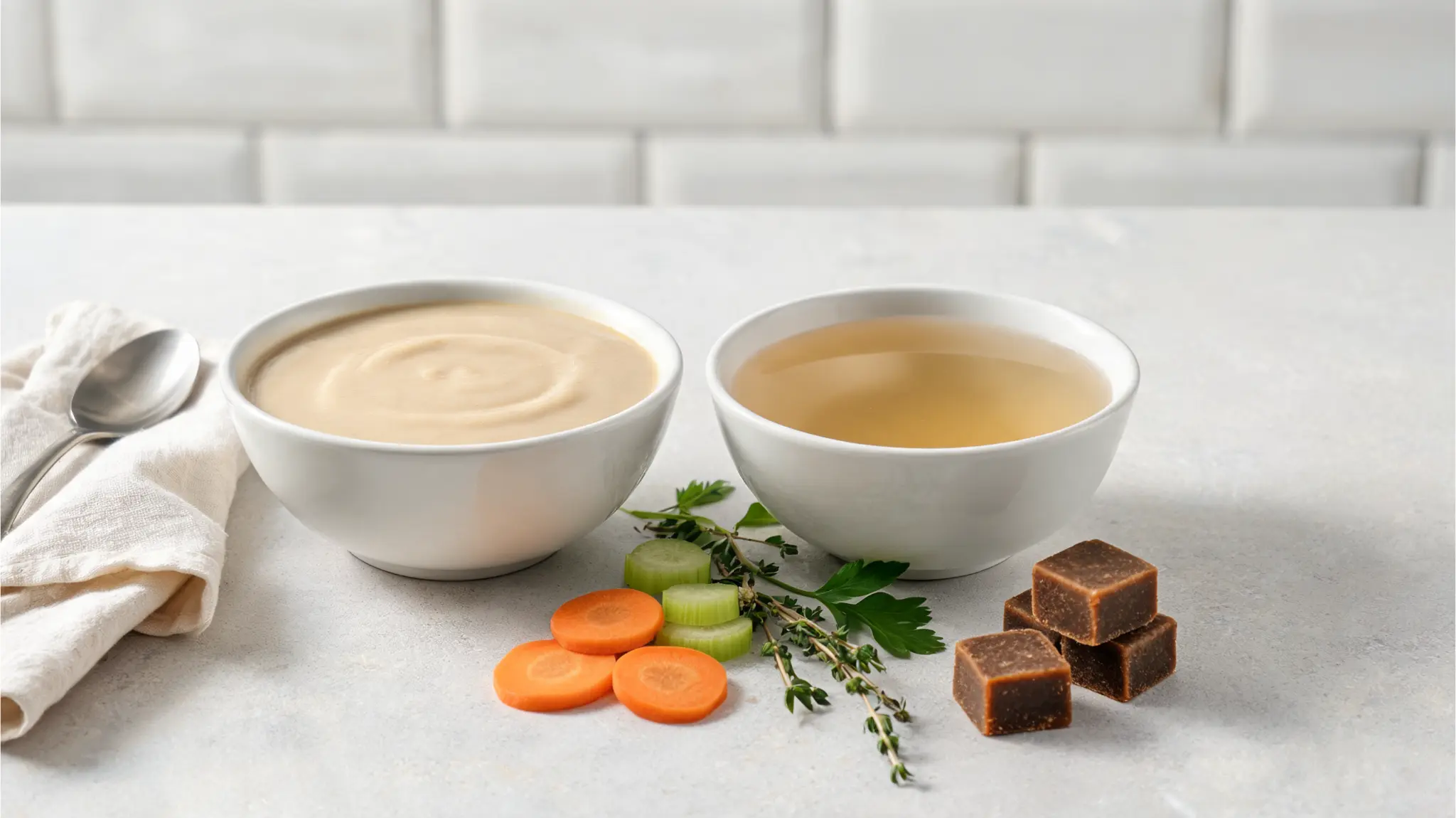
Canned soups, cream soups, soup bases, bouillon cubes, instant soup packets, ready meals, frozen meals, and seasoned rice mixes may contain wheat, barley, malt, or flavoring blends with gluten.
Clear broth is not always safe. I would check labels closely on chicken broth, beef broth, ramen packets, creamy soups, and frozen dinners. Some healthiest frozen foods still need a gluten check because sauces and coatings vary by brand.
10. Processed Meats and Meat Alternatives
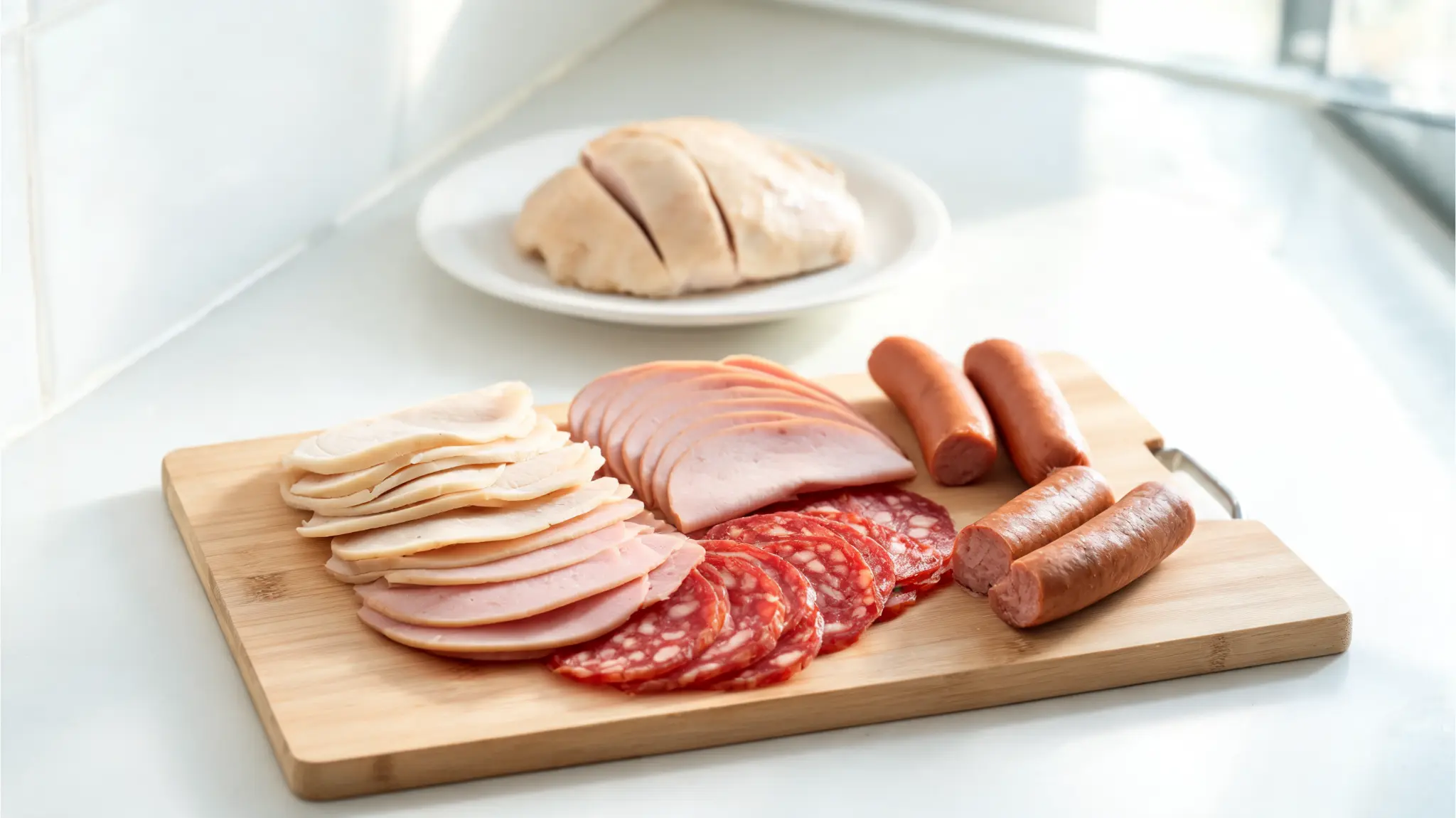
Plain fresh meat is naturally gluten-free, but processed meats need more care. Deli turkey, ham, salami, hot dogs, sausages, meatballs, frozen meat patties, veggie burgers, imitation seafood, plant-based nuggets, meatless crumbles, and mock meats may contain fillers, binders, flavorings, wheat protein, or shared-slicer risk.
Seitan is especially important to avoid because it is made from wheat gluten. If you eat plant-based foods, choose products clearly labeled gluten-free and check the ingredient list every time.
11. Fried, Breaded, and Coated Foods
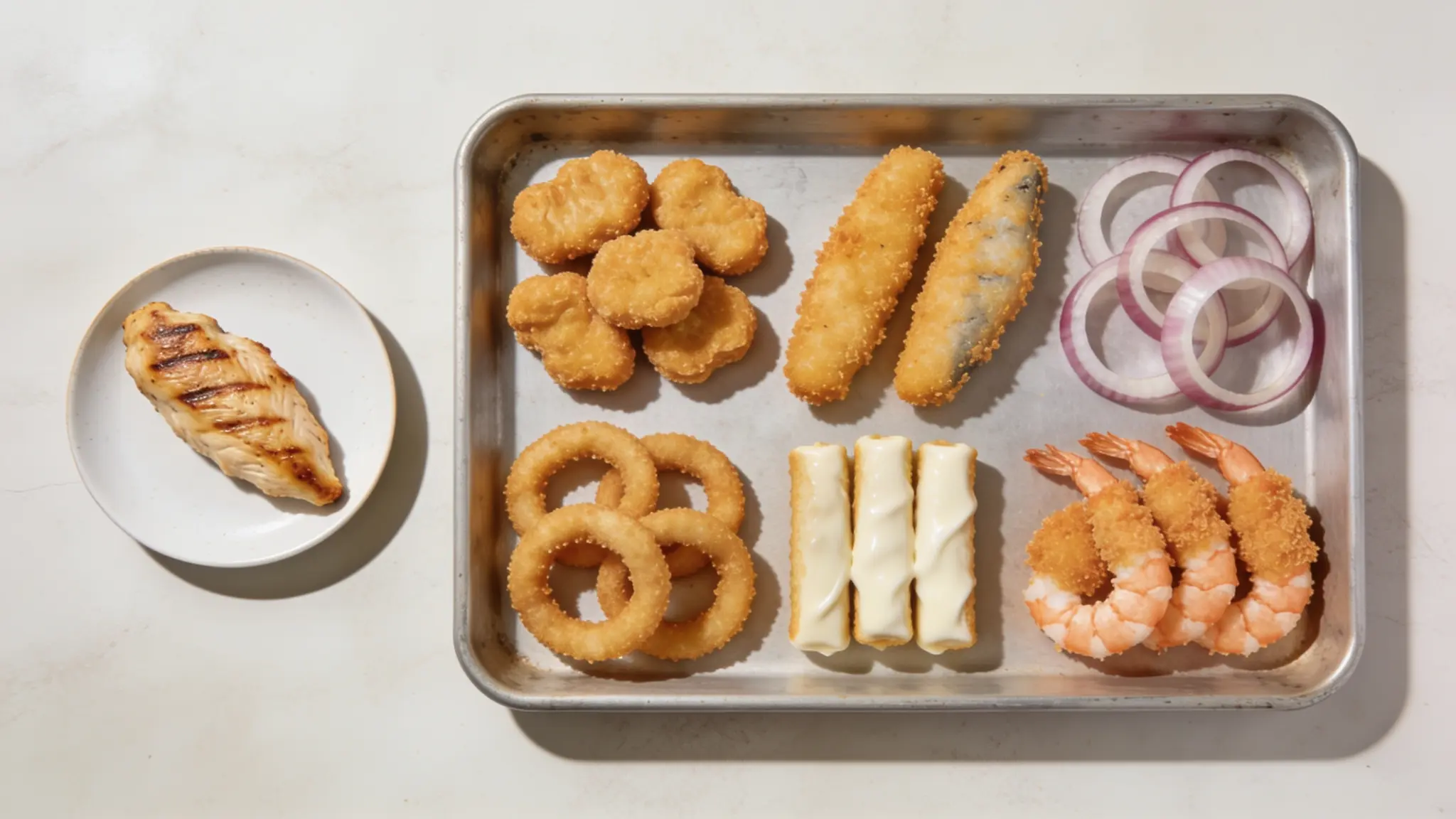
Chicken nuggets, fish sticks, fried chicken, fried fish, onion rings, mozzarella sticks, breaded shrimp, coated fries, battered vegetables, and frozen appetizers usually contain wheat flour or bread crumbs.
Even naturally gluten-free foods can become unsafe through coatings or shared oil. Potatoes are gluten-free, but restaurant fries may touch gluten if cooked in the same fryer as chicken tenders, onion rings, or mozzarella sticks.
12. Drinks That May Contain Gluten
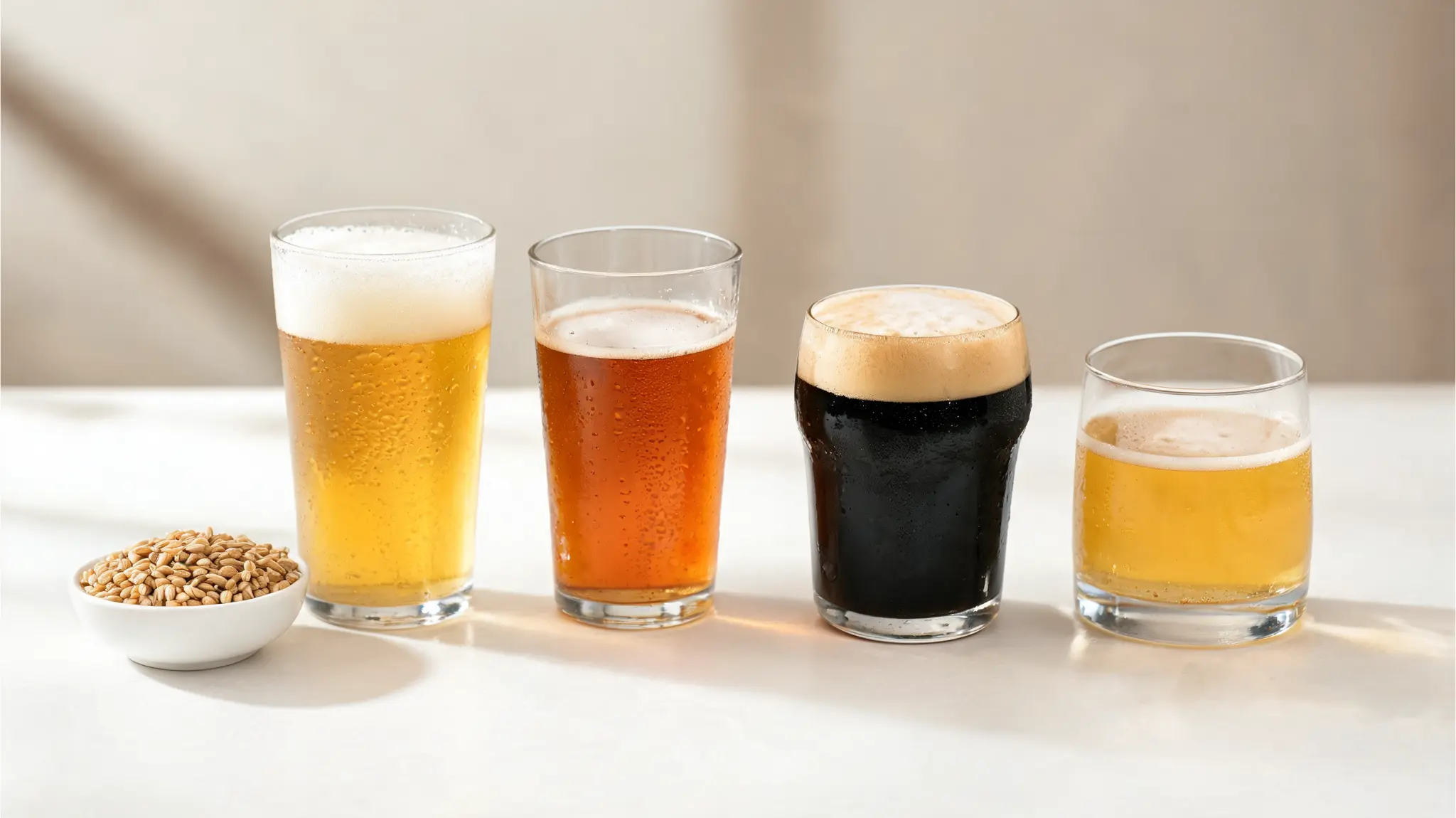
Some drinks contain gluten because they are made with barley, wheat, malt, or flavoring ingredients. This includes many beers, ales, lagers, stouts, malt beverages, malted milk drinks, some drink mixes, and some bottled or flavored coffee drinks.
Do not assume light beer is gluten-free. Most beer, including many light beers, is still made from barley.
Wine, cider labeled gluten-free, and many distilled spirits are usually gluten-free, but flavored versions still need a label check. If a drink uses malt flavoring or cookie-style mix-ins, check before buying.
Foods You Can Eat on a Gluten-Free Diet
A gluten-free diet is easier when you build meals around foods that are naturally gluten-free. This also helps keep the diet from becoming only packaged bread, crackers, and desserts.
1. Naturally Gluten-Free Foods
Fruits, vegetables, eggs, plain meat, plain poultry, fish, seafood, beans, lentils, nuts, seeds, plain dairy, potatoes, sweet potatoes, rice, and corn are naturally gluten-free.
The risk usually comes from what gets added later. Sauces, marinades, seasonings, breading, and shared tools can change a safe food into a risky one.
2. Gluten-Free Grains and Starches
Quinoa, buckwheat, millet, sorghum, amaranth, teff, certified gluten-free oats, rice, corn, potatoes, and tapioca can fit into a gluten-free diet.
This also matters for people who wonder whether gluten-free means carbs are gone. Gluten-free foods can still contain carbohydrates, especially rice, potatoes, corn, oats, and gluten-free breads.
3. Simple Meal Ideas
A few steady meals make gluten-free eating easier. You do not need expensive recipes to start. Build meals around plain protein, vegetables, fruit, rice, potatoes, corn, beans, dairy, nuts, seeds, and packaged foods labeled gluten-free.
| Meal | Easy gluten-free ideas | Simple swap to remember |
|---|---|---|
| Breakfast | Eggs with fruit, gluten-free oatmeal with banana, or yogurt with gluten-free granola | Choose gluten-free oats, cereal, toast, and granola |
| Lunch | Chicken rice bowl, turkey lettuce wraps, baked potato with tuna, or salad with grilled chicken | Use rice, potatoes, lettuce, or gluten-free bread instead of wheat bread or wraps |
| Snack | Apple with cheese, rice cakes with peanut butter, popcorn, nuts, yogurt, or gluten-free crackers | Replace pretzels and wheat crackers with labeled gluten-free snacks |
| Dinner | Grilled chicken with potatoes, salmon with rice, corn tortilla tacos, or gluten-free pasta with marinara | Use corn tortillas, rice, potatoes, or gluten-free pasta instead of wheat-based foods |
You can repeat a few meals while you learn what brands work for you. For easier planning, healthy meal prep ideas can make gluten-free meals feel less rushed during the week.
Gluten Ingredients to Watch For on Labels
Ingredient lists get easier once you know the main gluten clues. In the U.S., packaged foods that use a gluten-free claim must meet the FDA gluten-free labeling rule, including the limit of less than 20 parts per million of gluten.
| Label term | What it means |
|---|---|
| Wheat | Contains gluten |
| Barley | Contains gluten |
| Rye | Contains gluten |
| Triticale | Wheat and rye cross |
| Malt | Often barley-based unless labeled gluten-free |
| Malt extract | Usually barley-based |
| Malt syrup | Usually barley-based |
| Malt vinegar | Usually barley-based |
| Brewer’s yeast | Check source, may have gluten cross-contact |
| Durum | Wheat type |
| Semolina | Wheat product |
| Spelt | Wheat type |
| Farro | Wheat type |
| Kamut | Wheat type |
| Bulgur | Wheat product |
| Couscous | Usually wheat |
| Hydrolyzed wheat protein | Wheat ingredient |
| Wheat starch | Needs gluten-free labeling to be safe |
Also remember this: wheat-free does not always mean gluten-free. A product can skip wheat and still contain barley malt, rye, or cross-contact risk.
Eating Out Gluten-Free: What to Ask
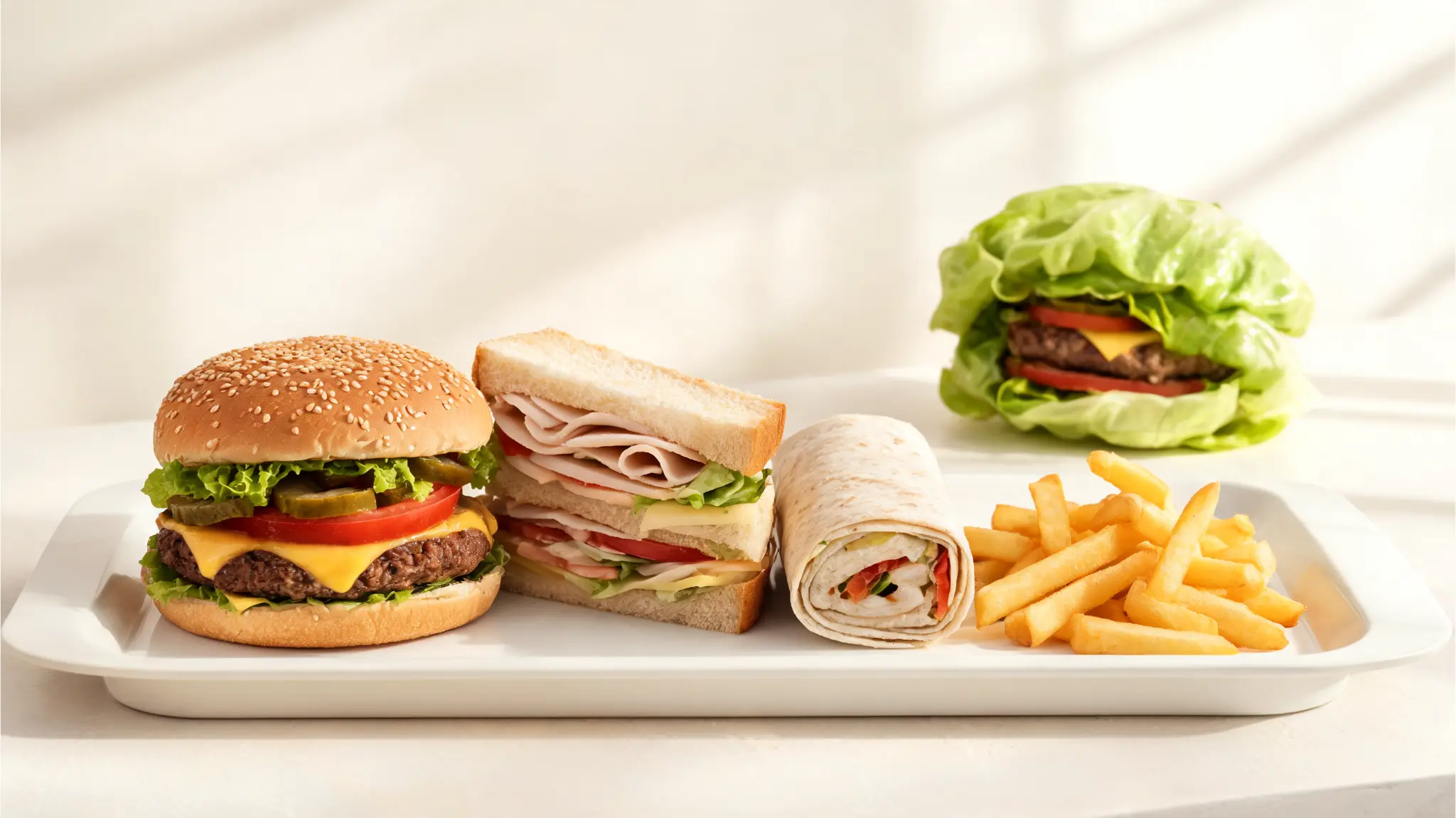
Restaurants can be tricky because gluten can show up in buns, wraps, breaded foods, sauces, fries, seasoning blends, shared grills, and shared fryers. If gluten affects your health, tell the server you need gluten-free food for medical reasons.
Ask about sauces, marinades, breading, shared fryers, and shared grills before ordering. Simple meals are usually easier to check: grilled protein, rice, potatoes, vegetables, beans, or salad without croutons.
For tacos or bowls, corn tortillas and rice can be useful, but restaurants still need questions about shared surfaces. If you often order Mexican food, healthy Mexican food choices can be easier to adapt when sauces and tortillas are checked first.
Common Mistakes to Avoid on a Gluten-Free Diet
Going gluten-free gets easier once you know what usually goes wrong. Most mistakes happen with labels, sauces, shared kitchen tools, and restaurant food. I would watch for these first because they show up in daily meals.
- Only Reading Front Labels: Words like “wheat-free,” “natural,” or “organic” do not always mean gluten-free. Read the ingredient list or look for a gluten-free label.
- Adding Sauce Without Checking: Soy sauce, gravy, marinades, salad dressings, and creamy sauces can change a safe meal fast.
- Assuming Oats Are Safe: Oats are naturally gluten-free, but regular oats can touch wheat, barley, or rye during processing.
- Ignoring Shared Fryers: Fries may be risky if the same oil is used for breaded chicken, onion rings, mozzarella sticks, or other wheat-coated foods.
- Skipping Seasoning Packets: Taco seasoning, soup mixes, gravy packets, and flavored rice blends may contain gluten.
- Using Shared Kitchen Tools: Toasters, cutting boards, butter knives, and spread jars can carry crumbs.
- Not Asking Restaurant Questions: Ask about sauces, breading, shared grills, and fryers before ordering.
- Leaving Without Snacks: Hunger makes risky choices easier. Keep nuts, fruit, yogurt, popcorn, or a gluten-free snack bar nearby.
You do not need to overthink every bite. Build a few steady habits, and spotting gluten gets much easier.
Frequently Asked Questions
Can symptoms happen from a small amount of gluten?
Yes, some people react to very small amounts of gluten, especially with celiac disease. Others may handle trace contact better. If symptoms are strong or frequent, ask a doctor for guidance.
How long does it take to feel better after avoiding gluten?
It depends on the person and the reason for avoiding gluten. Some people feel better in days, while others need weeks. If symptoms continue, hidden gluten may still be present.
Is eating gluten-free always healthier?
No. Gluten-free cookies, breads, and snacks can still be low in fiber or high in sugar. A balanced diet should include protein, fruits, vegetables, beans, nuts, and gluten-free grains.
Can gluten show up in supplements or medicine?
Yes, some supplements or medicines may use starches, fillers, or coatings that need checking. Ask a pharmacist or healthcare professional if you need strict gluten avoidance.
Should I avoid gluten if I do not have symptoms?
Not always. Gluten is not harmful for everyone. If you want to remove it for health reasons, it is best to speak with a doctor or dietitian first.
Final Thoughts
Finding gluten foods to avoid gets easier once you know the pattern. Start with wheat, barley, rye, triticale, and the foods made from them. Then check the places where gluten hides, such as sauces, soups, fried foods, processed meats, drinks, and packaged meals.
A gluten-free diet works best when it is simple, steady, and realistic. Build meals around foods you already trust, use gluten-free labels as a helpful tool, and keep an eye on shared fryers or kitchen tools. Share a comment if there is a gluten source you still find confusing.