











Two people can walk out of a massage studio feeling completely different things, one floats home, one winces getting into the car. The difference almost always comes down to which style was chosen and why.
Swedish vs deep tissue massage separates on pressure, pace, and purpose, and picking the wrong one for your body is surprisingly common. Having spent years in ayurvedic wellness practice and guided countless people through muscle tension, chronic tightness, and stress recovery,
I can tell you the choice matters more than most booking pages let on. This blog covers technique, body response, side effects, safety, and how to match each style to what your body actually needs.
Swedish vs Deep Tissue Massage: What to Know Before Booking
Before pressure and technique, it helps to know how each massage fits into an actual appointment. Duration, cost, and frequency shape your expectations before the therapist even starts.
| Factor | Swedish Massage | Deep Tissue Massage |
|---|---|---|
| Common Duration | 30, 60, or 90 minutes | 60 or 90 minutes |
| Cost Level | Usually standard spa pricing | Sometimes slightly higher |
| Frequency | Often monthly or as needed | Depends on tension, soreness, and goal |
| Best Booking Note | Mention pressure preference | Mention exact tight areas |
Pricing and session length vary by city, spa, clinic, and therapist experience, so treat this as a starting reference, not a fixed rule.
What Is Swedish Massage and How Does It Work
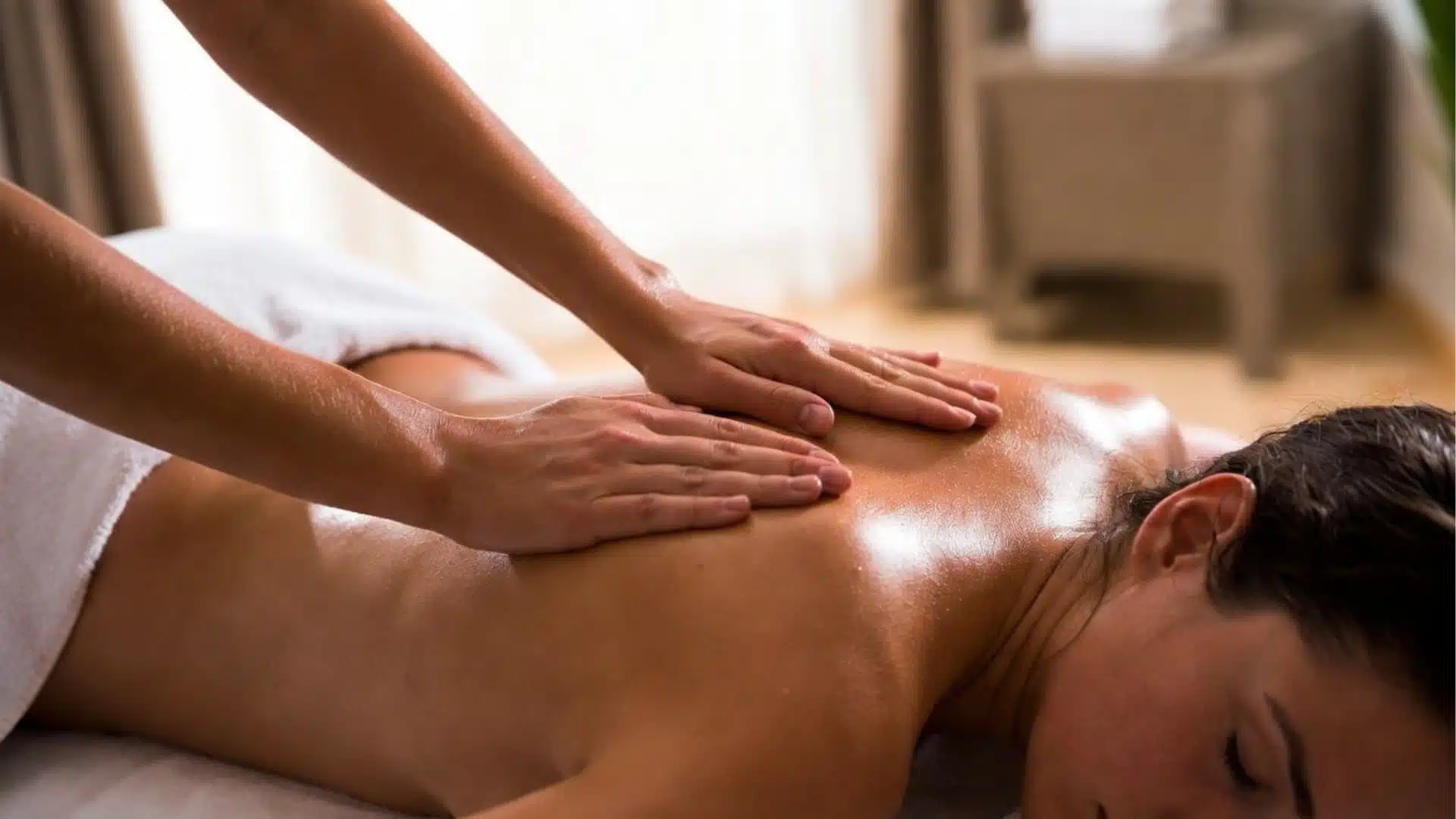
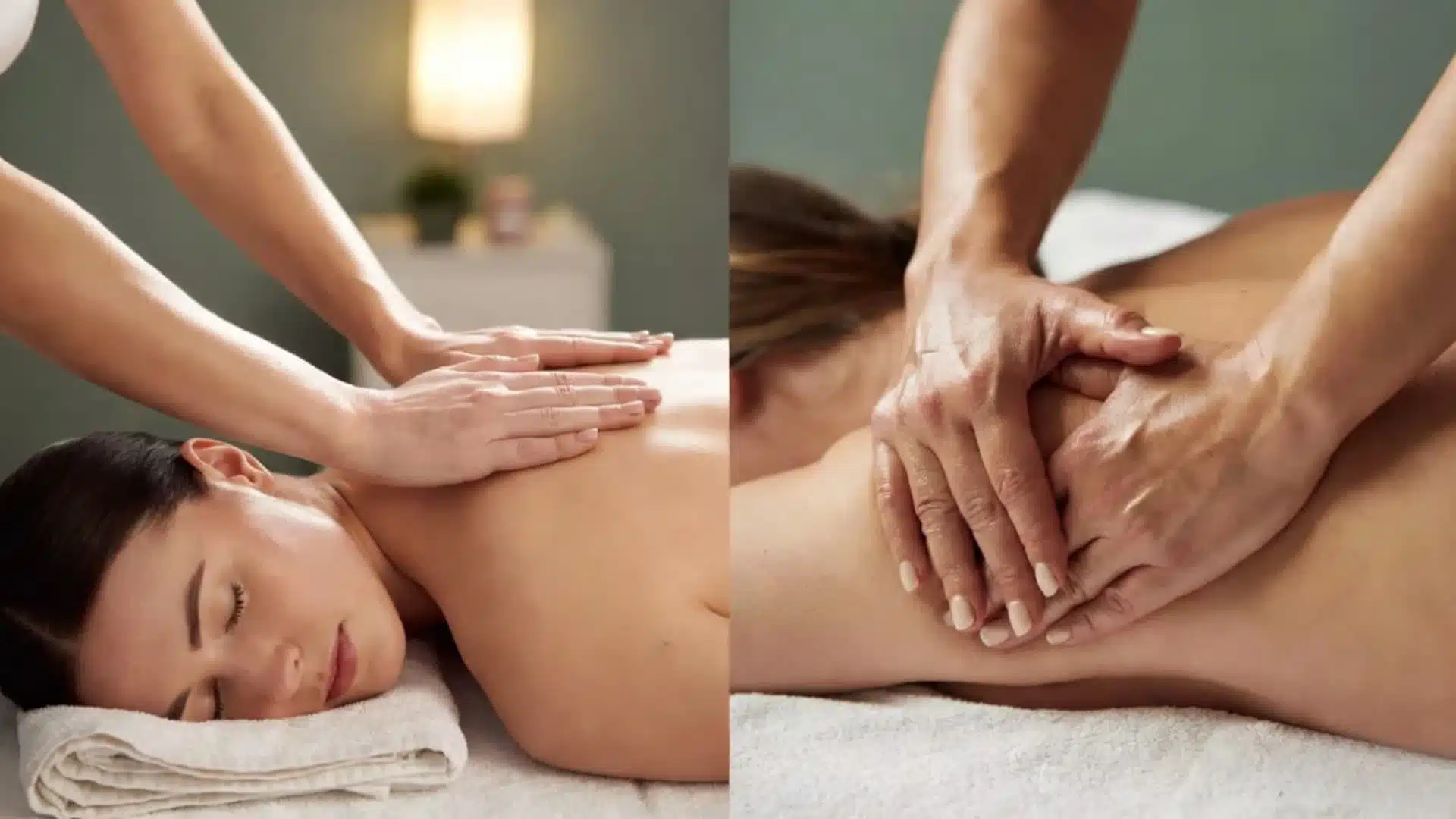
Swedish massage is built around smooth, flowing movements, long gliding strokes, kneading, circular pressure, tapping, and light friction. The therapist moves across broad muscle areas in a continuous rhythm rather than staying focused on one tight spot.
In ayurvedic practice, we often speak about working with the body rather than against it. Swedish massage follows a similar principle, it works through flow and even pressure rather than forcing the tissue to release.
For anyone carrying general stress, poor sleep, or mild tension, this style allows the nervous system to settle without being challenged.
If stress runs deeper than muscle tension alone, oil-based head therapies that work through the scalp and nervous system directly can complement what Swedish bodywork starts.
It can feel structured without feeling clinical. Most people find it easier to breathe more slowly within the first ten minutes of a Swedish session, which is already the body beginning to respond.
What Is Deep Tissue Massage and How Does It Work
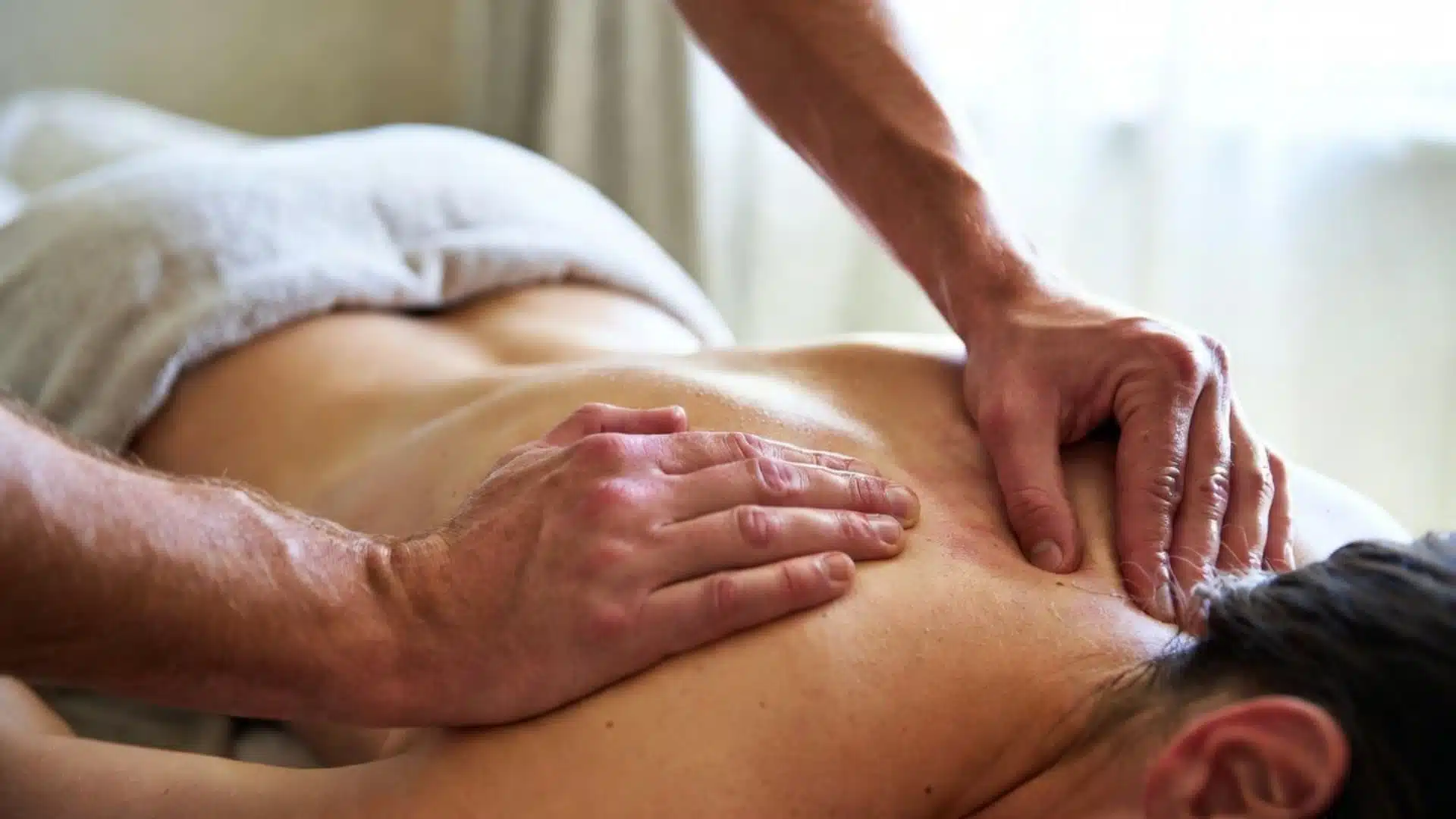
Deep tissue massage uses slower, sustained pressure to reach deeper layers of muscle and connective tissue.
The therapist typically spends more time on individual areas before moving on, using fingers, thumbs, knuckles, forearms, or elbows depending on what the muscle needs, the neck being one area where specific hand placement changes the outcome considerably.
Where Swedish massage flows across the body, deep tissue work pauses and sinks. It targets areas that feel dense, restricted, or chronically tight, the kind of tension that doesn’t ease with general relaxation.
What I tell people before their first deep tissue session is this: good deep work should feel like firm, purposeful pressure that builds gradually. If it feels like the therapist is forcing the body to submit, that is not skillful technique, that is too much, too fast. Speak up. A well-trained therapist adjusts.
Swedish Massage vs Deep Tissue Massage: Direct Comparison
Technique shapes the entire experience, from how pressure lands on the body to how muscles respond the next morning. Here is how both styles sit against each other.
| Technique Factor | Swedish Massage | Deep Tissue Massage |
|---|---|---|
| Pressure Depth | Stays near surface muscles with light to moderate pressure. | Works into deeper muscle tension with firmer, sustained pressure applied gradually |
| Stroke Speed | Long, steady strokes that flow continuously. | Slower, deliberate strokes that pause and sink into tight areas |
| Therapist Tools | Primarily uses palms, fingers, and gentle kneading techniques | Uses thumbs, knuckles, elbows, and forearms for targeted pressure |
| Target Pattern | Broad full-body coverage with evenly distributed focus on major muscle groups. | Focused work on specific areas like neck, shoulders, back, hips, or legs where tension is concentrated |
| Pressure Feel | Generally smooth, soothing, and relaxing. | Can feel intense and concentrated, but should remain manageable throughout |
| Session Rhythm | Continuous flow with minimal pauses | Stop-and-focus approach, spending extra time on tight or restricted areas |
| Muscle Response | Encourages relaxation and broad muscle ease | Aims to relieve deep tension and restore mobility in restricted areas |
Understanding how pressure is applied in each style makes it easier to predict which session your body will actually benefit from, and which one might leave you sore for the wrong reasons.
Pain, Stress, and Muscle Tightness
Most people searching this comparison have a specific concern in mind. The table below connects common needs to the style that tends to serve them better, based on what I have observed working with people across different tension patterns and wellness histories.
| Concern | More Commonly Matched Style | Why |
| Stress and relaxation | Swedish massage | Lighter pressure allows the nervous system to shift into rest more easily |
| Mild body fatigue | Swedish massage | Broad strokes support recovery without adding physical intensity |
| Chronic tightness | Deep tissue massage | Sustained pressure reaches layers that surface work cannot access |
| Posture-related tension | Deep tissue massage | Focused work on the neck, shoulders, and back addresses where posture loads sit |
| First massage experience | Swedish massage | Gentler entry gives the body time to adjust to therapeutic touch |
| Strong pressure preference | Deep tissue massage | Slower, firmer strokes satisfy those who find light pressure ineffective |
Your goal, pressure tolerance, and how your body typically holds tension matter more than any general rule. Use this as a starting point and adjust based on how your body responds after the first session.
Side Effects and Safety Considerations
Massage is physical work on the body, and it carries real considerations, especially when pressure goes deeper. Knowing what is normal, and what is not, helps you have a safer and more honest conversation with your therapist.
- Temporary Soreness: Some tenderness in the 24 to 48 hours after a deep tissue session is common and generally harmless, and so is mild head pressure some people notice in the hours after. Swedish massage rarely causes this, though mild post-session fatigue can still occur.
- Bruising Risk: Pressure that is too intense, or applied to already irritated tissue, can cause bruising in sensitive individuals. This is a sign the pressure was not calibrated well, not a sign of effective treatment.
- Medical Conditions: Anyone with blood clots, fractures, open wounds, severe inflammation, or active infection should consult a doctor before booking any massage.
- Pregnancy: Standard massage positioning and pressure are not always appropriate during pregnancy. Seek a therapist trained specifically in prenatal massage, not a general practitioner who offers it as an add-on.
From years of working in holistic wellness, the clearest advice I can give is this: a good therapist listens. If yours does not adjust when you signal discomfort, that is worth acting on, either by speaking firmly in the moment or by finding someone else.
Frequently Asked Questions
Does the oil or lotion used in Swedish massage affect sensitive skin?
It can. Swedish massage typically uses more oil or lotion than deep tissue work because the strokes are longer and glide-based. If your skin reacts to common massage oils, ask the therapist about fragrance-free or hypoallergenic options before the session starts. Most professional settings will accommodate this without issue.
Why does deep tissue massage sometimes make tight areas feel worse before they feel better?
Firm pressure on a chronically tense muscle can trigger a temporary protective response, the tissue tightens before it releases. This is one reason post-session soreness can peak around 24 hours and then ease. It is not a sign that something went wrong. It is more like the body recalibrating after sustained pressure it was not used to.
Is there a difference in how each massage affects sleep quality?
Yes, and noticeably so. Swedish massage tends to have a more immediate effect on sleep because it works through the parasympathetic nervous system, the rest-and-digest state. Deep tissue massage can also support better sleep, but often after the soreness phase passes. If sleep is your primary goal, Swedish is usually the more direct route.
Can someone with a low pain threshold still benefit from deep tissue massage?
Yes, with the right therapist. Deep tissue does not require high pain tolerance, it requires a therapist skilled enough to work gradually and listen carefully. Pressure builds incrementally, and a practitioner who rushes or forces depth is the problem, not the technique itself. Being vocal about comfort levels from the start makes a significant difference.
How does hydration before a session change the experience?
Well-hydrated muscle tissue responds differently to pressure than dehydrated tissue, it tends to be more pliable and less prone to post-session soreness. Drinking water in the hours before a session, particularly before deep tissue work, is one of the smaller adjustments that genuinely affects how the body feels afterward. It is not a dramatic difference, but it is a real one.
Conclusion
After years of helping people navigate muscle tension, stress, and physical recovery through an ayurvedic wellness lens, the pattern I see most often is this, people choose based on what sounds appealing rather than what their body actually needs.
Swedish massage works beautifully for nervous system rest and broad tension relief. Deep tissue massage earns its place when tightness is chronic, layered, and resistant.
The Swedish massage vs deep tissue massage decision is really a body conversation, not a spa menu choice.
Read what each section here tells you about your own tension patterns, then share your experience or question in the comments below.