












Carb cycling doesn’t mean starving on one day and indulging the next.
It’s a routine: carbs rise on days your body works hard, and drop on days it rests.
I’ve seen people stuck on the same flat meal plan for months, putting in effort without results. Carb cycling matches food to demand instead of using one number daily, and it works because it respects how your body uses energy.
Training receives energy. Recovery needs room. Your focus adjusts with upcoming priorities.
This blog covers how carb cycling functions, who it is suitable for, and provides a weekly meal plan to follow.
What is Carb Cycling Diet?
Carb cycling systematically alternates between high-, low-, and moderate-carb days weekly.
High-carb days pair with intense training and lean on rice, oats, fruit, and starchy vegetables.
Low-carb days pair with rest or light activity and shift the plate toward lean protein, greens, and healthy fats.
Moderate days sit in between and are often used on lighter training days.
Protein remains consistent, protecting muscles regardless of the day. Fat moves opposite carbs, increasing when carbs decrease. This is general info, not personalized advice; consult a dietitian before major diet changes.
Carb Cycling Benefits Worth Knowing
Carb cycling is supported by research, although some of its claims still require further evidence.
Although not a guaranteed solution, it defines why people persist with it even after fad diets don’t work.
- Trains the body to switch between burning carbs and fat depending on availability.
- Intermittent energy restriction, like carb cycling, improves weight loss.
- Greater insulin sensitivity than consistent restriction.
- Refeed-style high-carb days might slow metabolic decline from long restriction, but evidence is mixed.
- Syncing carbs to hormone shifts gets attention, but studies show no clear edge over consistent daily intake.
- Cutting carbs too low for too long disrupts energy balance and hormone signals, regardless of gender.
Is Carb Cycling Right for You?
This approach fits people with a set training schedule: lifters, runners, or anyone with clear hard and easy days.
It also suits people bored with flat, rigid meal plans and looking for more day-to-day flexibility.
It works best when you can track workouts and adjust carbs to match, rather than guessing. If your schedule changes constantly or you struggle with structured eating, a steady daily intake may serve you better.
A brief consultation with a dietitian can help determine if this aligns with your health requirements.
How Carb Cycling Actually Works Inside Your Body
Your muscles store carbs as glycogen, and that supply rises and falls with what you eat.
On high-carb days, glycogen stores refill, giving muscles fuel for hard training.
On low-carb days, glycogen drops, and the body leans more on stored fat for energy. Insulin also responds to this pattern, staying higher on carb-heavy days and lower when carbs drop.
This back-and-forth is what trains the body to shift fuel sources instead of relying on one.
Before You Start: Build Your Carb Cycling Schedule
Map your week against your actual training load before picking carb levels for each day.
| Day | Planned Activity | Carb Day Type |
|---|---|---|
| Monday | Heavy lift or intense cardio | High carb |
| Tuesday | Rest or light walk | Low carb |
| Wednesday | Moderate training | Moderate carb |
| Thursday | Rest or light walk | Low carb |
| Friday | Heavy lift or intense cardio | High carb |
| Saturday | Light activity | Moderate carb |
| Sunday | Rest | Low carb |
7-Day Carb Cycling Plan

Follow this sample week to see how carb intake varies daily with training load instead of remaining fixed.
Day 1: High Carb Meals
Together, these meals sit near the top of the carb range for the week, matched to a high-intensity training day.
Meals lean on slow-digesting carbs for lasting energy rather than a quick spike. A light snack midway keeps blood sugar steady between meals, so energy holds through training and after.
- Breakfast: Maple Oat Bowl With Banana | Protein 20g. Carbs 75g. Calories 620. Fat 14g.
- Lunch: Chicken and Sweet Potato Bowl | Protein 34g. Carbs 68g. Calories 560. Fat 12g.
- Snack: Apple With Almond Butter | Protein 6g. Carbs 28g. Calories 210. Fat 9g.
- Dinner: Turkey Chili With Brown Rice | Protein 36g. Carbs 60g. Calories 540. Fat 15g.
Workout pairing: High-intensity strength or cardio session.
Day 2: Low Carb Meals
This day pulls back sharply on carbs to match lighter activity or rest.
Meals lean into protein and healthy fats, which curb hunger even as carbs drop.
A quick snack keeps energy levels through the afternoon without adding extra carb load. Protein stays high throughout so muscle stays protected even as carbs drop.
- Breakfast: Veggie Egg Scramble | Protein 24g. Carbs 8g. Calories 320. Fat 22g.
- Lunch: Grilled Chicken Salad With Avocado | Protein 32g. Carbs 12g. Calories 420. Fat 26g.
- Snack: Celery With Peanut Butter | Protein 7g. Carbs 6g. Calories 160. Fat 12g.
- Dinner: Baked Cod With Roasted Broccoli | Protein 34g. Carbs 14g. Calories 380. Fat 18g.
Workout pairing: Rest day or light walk.
Day 3: High Carb Meals
Carbs climb again on day three, timed for another intense session.
Meals rotate in different proteins and flavors so the week doesn’t feel repetitive.
Consuming fast-digesting carbs close to your workout can improve performance and accelerate recovery.
This day mirrors day one in carb range but swaps in different proteins and flavors to avoid repetition.
- Breakfast: Berry Yogurt Parfait | Protein 22g. Carbs 70g. Calories 580. Fat 10g.
- Lunch: Beef and Rice Stir-Fry | Protein 35g. Carbs 72g. Calories 610. Fat 14g.
- Snack: Banana With Honey | Protein 2g. Carbs 32g. Calories 150. Fat 1g.
- Dinner: Salmon With Quinoa And Asparagus | Protein 38g. Carbs 50g. Calories 560. Fat 20g.
Workout pairing: High-intensity strength or cardio session.
Day 4: Low Carb Meals
Day four brings the week’s second low-carb stretch, geared toward rest or light movement. Fat intake rises here to offset the drop in carbs and keep meals satisfying.
A portable snack option makes it easy to stay on track without extra planning
- Breakfast: Smoked Salmon and Cream Cheese Wrap | Protein 26g. Carbs 10g. Calories 360. Fat 24g.
- Lunch: Steak and Roasted Vegetables | Protein 36g. Carbs 12g. Calories 460. Fat 28g.
- Snack: Hard-Boiled Eggs | Protein 12g. Carbs 1g. Calories 140. Fat 10g.
- Dinner: Chicken Lettuce Wraps | Protein 32g. Carbs 9g. Calories 380. Fat 20g.
Workout pairing: Rest day or light walk.
Day 5: Moderate Carb Meals
Day five sits between the high and low extremes, matched to lighter training or active recovery.
Meals balance moderate carbs with steady protein, giving the body enough fuel without a full carb load, while keeping the week’s rhythm steady before the next shift.
- Breakfast: Whole Wheat Toast With Eggs And Avocado | Protein 20g. Carbs 40g. Calories 440. Fat 20g.
- Lunch: Turkey Wrap With Brown Rice Tortilla | Protein 28g. Carbs 42g. Calories 420. Fat 12g.
- Snack: Cottage Cheese With Pineapple | Protein 14g. Carbs 18g. Calories 170. Fat 3g.
- Dinner: Shrimp and Vegetable Pasta | Protein 30g. Carbs 48g. Calories 460. Fat 14g.
Workout pairing: Light training or active recovery.
Day 6: Low Carb Meals
Day six marks the final low-carb stretch before the week closes on a high-carb note.
Meals lean heavily on protein and fat here, which keeps hunger low even with carbs cut back.
A light snack rounds out the day without adding much bulk.
- Breakfast: Spinach and Feta Omelet | Protein 24g. Carbs 6g. Calories 340. Fat 24g.
- Lunch: Tuna Salad Lettuce Cups | Protein 30g. Carbs 5g. Calories 320. Fat 20g.
- Snack: Cheese Slices With Cucumber | Protein 8g. Carbs 4g. Calories 140. Fat 10g.
- Dinner: Pork Chops With Sautéed Green Beans | Protein 34g. Carbs 8g. Calories 400. Fat 22g.
Workout pairing: Rest day.
Day 7: High Carb Meals
Day seven closes the week on a carb-forward note, timed for one last intense session before the cycle restarts.
Meals lean on familiar staples with a re-feed feel, replenishing energy stores ahead of the new week.
A quick snack completes your workout session.
- Breakfast: Whole Grain Pancakes With Berries | Protein 18g. Carbs 78g. Calories 600. Fat 12g.
- Lunch: BBQ Chicken With Sweet Potato Fries | Protein 32g. Carbs 70g. Calories 580. Fat 14g.
- Snack: Trail Mix With Dried Fruit | Protein 5g. Carbs 30g. Calories 210. Fat 8g.
- Dinner: Pasta With Grilled Chicken And Marinara | Protein 34g. Carbs 65g. Calories 560. Fat 12g.
Workout pairing: High-intensity strength or cardio session, closing the week on a re-feed note.
How to Match Carb Intake With Your Workout Schedule
Base your carb level on workout intensity, not the calendar day itself.
A hard leg day or long run calls for a high-carb day, while a rest day calls for low carb.
Time higher-carb meals closer to your workout window, before or after, so fuel lines up with effort.
Skip guessing by tracking session intensity for a week first. If your schedule shifts often, keep two or three backup meal options ready for each carb level, so plan changes don’t derail the pattern.
What to Eat on High, Moderate, and Low Carb Days
Use this list to stock your kitchen with go-to picks for each type of carb day.
| Category | High Carb Day Picks | Moderate Carb Day Picks | Low Carb Day Picks |
|---|---|---|---|
| Grains & Starches | Rice, oats, potatoes | Whole grain bread, brown rice tortilla | Skip or minimal |
| Fruit | Banana, mango, dried fruit | Berries, pineapple | Small portions only |
| Protein | Chicken, turkey, beef | Fish, shrimp, eggs | Steak, pork, salmon |
| Vegetables | Sweet potato, squash | Mixed greens, peppers | Broccoli, spinach, zucchini |
| Fats | Kept light | Moderate portions | Avocado, olive oil, nuts |
Common Beginner Mistakes that Make Carb Cycling Fail
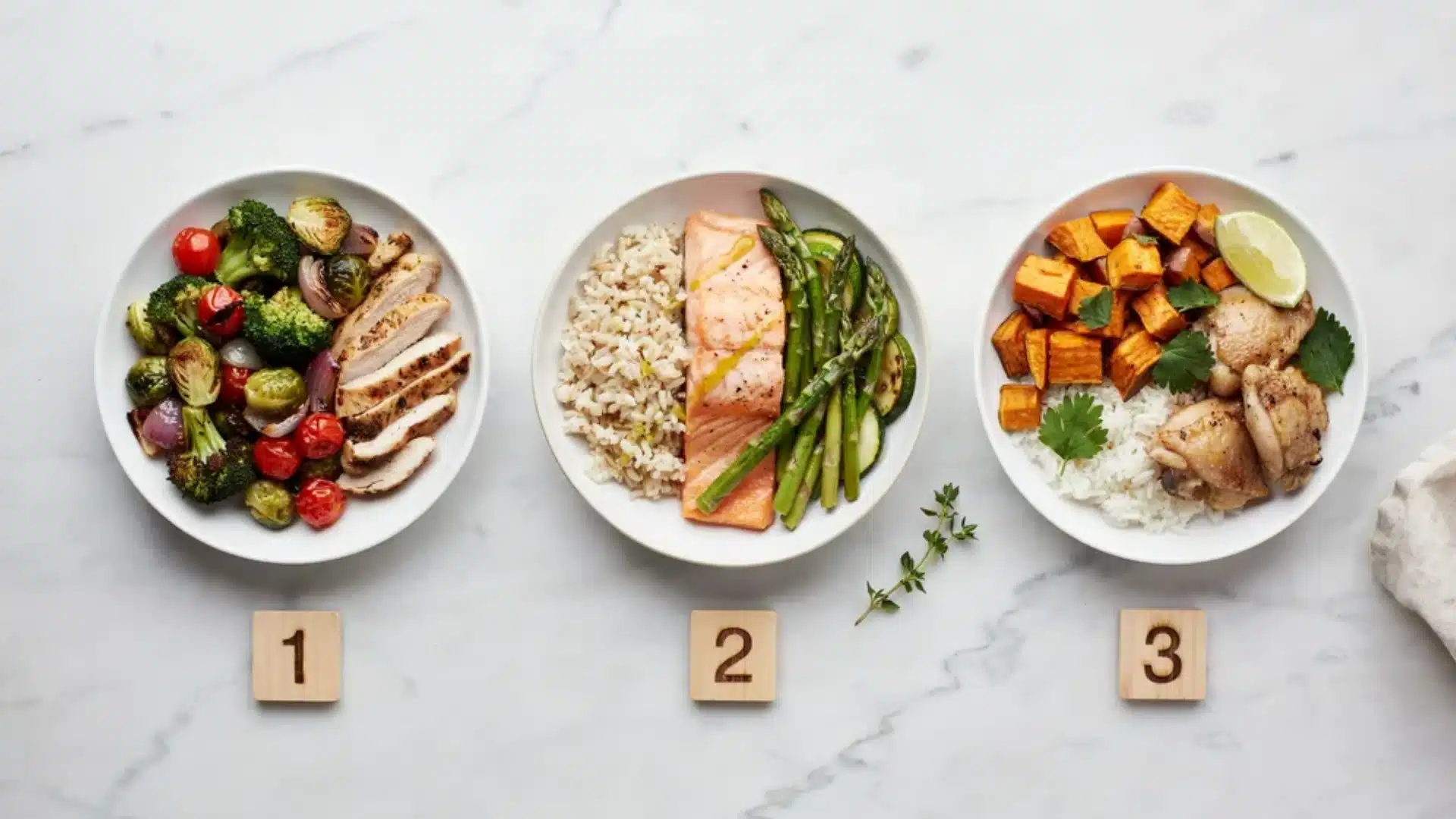
A few missteps can silently hinder progress, even when following a solid carb cycling plan.
- Guessing carb levels instead of mapping them to actual training days.
- Ignoring hunger or low-energy signals and pushing through anyway.
- Treating high-carb days as a free pass for any carb source.
- Skipping meal prep, which makes matching carbs to the day harder.
- Cutting carbs too low on rest days instead of following the plan.
- Losing consistency after one mismatched day instead of resetting on the next.
- Comparing progress to someone else’s plan instead of tracking personal results.
Who Should Avoid Carb Cycling
This approach isn’t right for everyone, and a few groups should steer clear or loop in a doctor first.
Pregnant or breastfeeding women need steady, consistent nutrition, not a structure built around fat loss.
Anyone with a current or past eating disorder should skip it, since alternating restriction can trigger old patterns.
People with insulin resistance, type 2 diabetes, blood-sugar issues, being underweight, or adrenal problems should seek medical guidance before changing carb intake. Their bodies need steady fuel, not planned dips.
When unsure, consulting a doctor quickly can confirm if this aligns with your health condition.
How to Know Whether Carb Cycling is Working
Track a few markers instead of relying on the scale alone.
Watch workout performance: strength or endurance should hold steady or improve over two to three weeks.
Note how clothes fit and check body measurements monthly, since these shift before weight does. Pay attention to sleep quality and mood, both of which suffer if carbs run too low for too long.
Give the plan at least three to four weeks before judging results, since short-term swings don’t reflect real progress.
Frequently Asked Questions (FAQ’s)
1. Is Carb Cycling a Good Way to Lose Weight?
Yes, when paired with a calorie deficit and steady training; the deficit drives results more than the cycling itself.
2. What Happens After 3 Days of No Carbs?
Glycogen stores drop, the body shifts toward burning fat, and some people notice low energy or brain fog.
3. What’s the Worst Carb for Belly Fat?
Refined sugars and processed carbs, like sodas and pastries, add calories with little nutrition or fullness.
4. How Many Carbs a Day to Lose 20 Lbs?
No fixed number fits everyone; a doctor or dietitian can set a safe target based on your goals.
5. What Not to Eat when Carb Cycling?
Skip refined sugar, fried foods, and processed snacks on any carb day, regardless of carb target.
End Note!
Carb cycling isn’t a one-time fix that you set and forget.
Your diet adjusts based on your training, sleep, and goals. Some weeks require more high-carb days, while others need fewer. Pay attention to your body’s signals instead of following others’ plans.
Adjustments over a few weeks matter more than getting every day perfect.
Give your body time to adjust before deciding whether this rhythm works for you.
Have you tried carb cycling before, or are you planning your first week?
Share what’s worked for you, or ask a question below.