










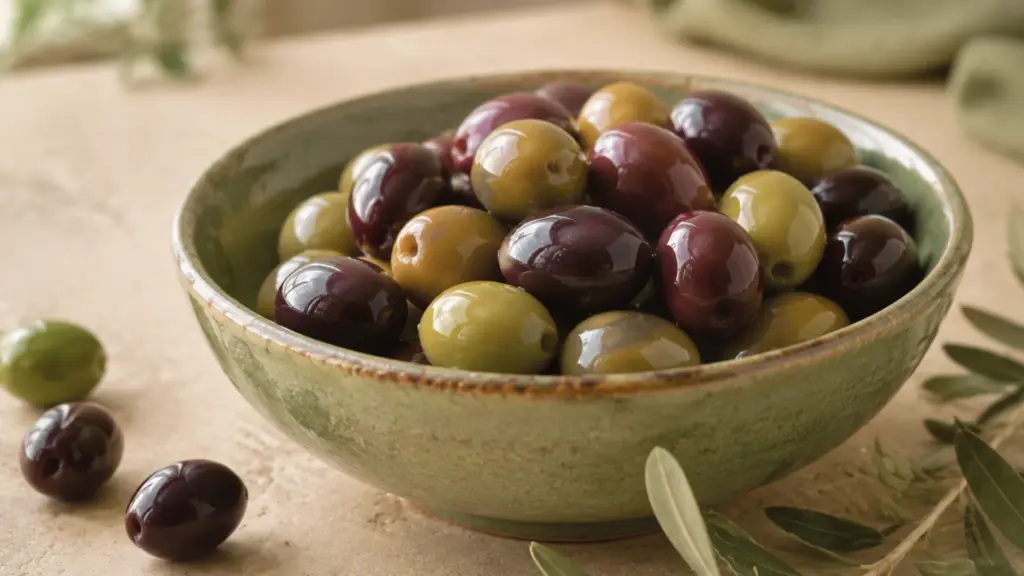

A raw olive straight off the tree is nearly inedible, bitter enough to make anyone spit it out immediately.
Curing changes a harsh, tannin-rich fruit into the salty, savory snack enjoyed worldwide.
That change process is exactly why nutrition numbers swing so widely between brands and varieties.
Are olives good for you? Numbers on a nutrition label only tell part of the story here. Fat composition, sodium levels after brining, and antioxidant content all shift depending on ripeness and curing method.
This blog presents the actual facts, avoiding the common assumptions people make about this fruit.
Are Olives Good for You?
Yes, olives can be a nutritious addition to a balanced diet when eaten in moderation.
They are rich in monounsaturated fats, especially oleic acid, and provide vitamin E, some fiber, and antioxidant plant compounds. These nutrients may support overall health as part of a varied diet.
However, most table olives are cured or brined, which can greatly increase their sodium content.
Their nutrition also varies depending on type, color, and added ingredients like stuffing or marinades.
Choosing reasonable portions and checking labels helps you enjoy olives without excess sodium or calories.
Olive Nutrition Facts
Olives pack healthy fats, mostly monounsaturated, plus vitamin E and a touch of iron.
A handful covers a solid chunk of daily fat needs, and that saltiness comes from curing, not the fruit itself.
Fiber sneaks in too, quietly aiding digestion. Small bite, real nutrition.
Numbers fluctuate between jars, so view this as a general overview, not exact facts.
A poke bowl nutrition breakdown shows the same pattern, where toppings and sauces shift the final numbers more than the base ingredient does.
- A standard serving has about 40-50 calories, fitting most eating plans easily.
- Protein content is minimal, so olives won’t impact those monitoring their protein intake.
- Antioxidants like polyphenols provide anti-inflammatory benefits beyond vitamins and minerals.
- Olives retain moisture despite curing, preventing them from being just dense fat bombs.
- Potassium sneaks in a small amount, aiding muscle and nerve function alongside sodium.
Why Olives Are Considered One of the Healthiest Foods
Olives have been on Mediterranean tables for centuries, now backed by scientific evidence.
Studies link regular olive consumption to lower rates of heart disease, largely thanks to their fat composition.
That same fat profile supports steady cholesterol levels over time.
Beyond fat, olives contain plant compounds that combat cellular damage, supporting longevity and chronic illness prevention. Their key role in the well-studied Mediterranean diet bolsters this evidence.
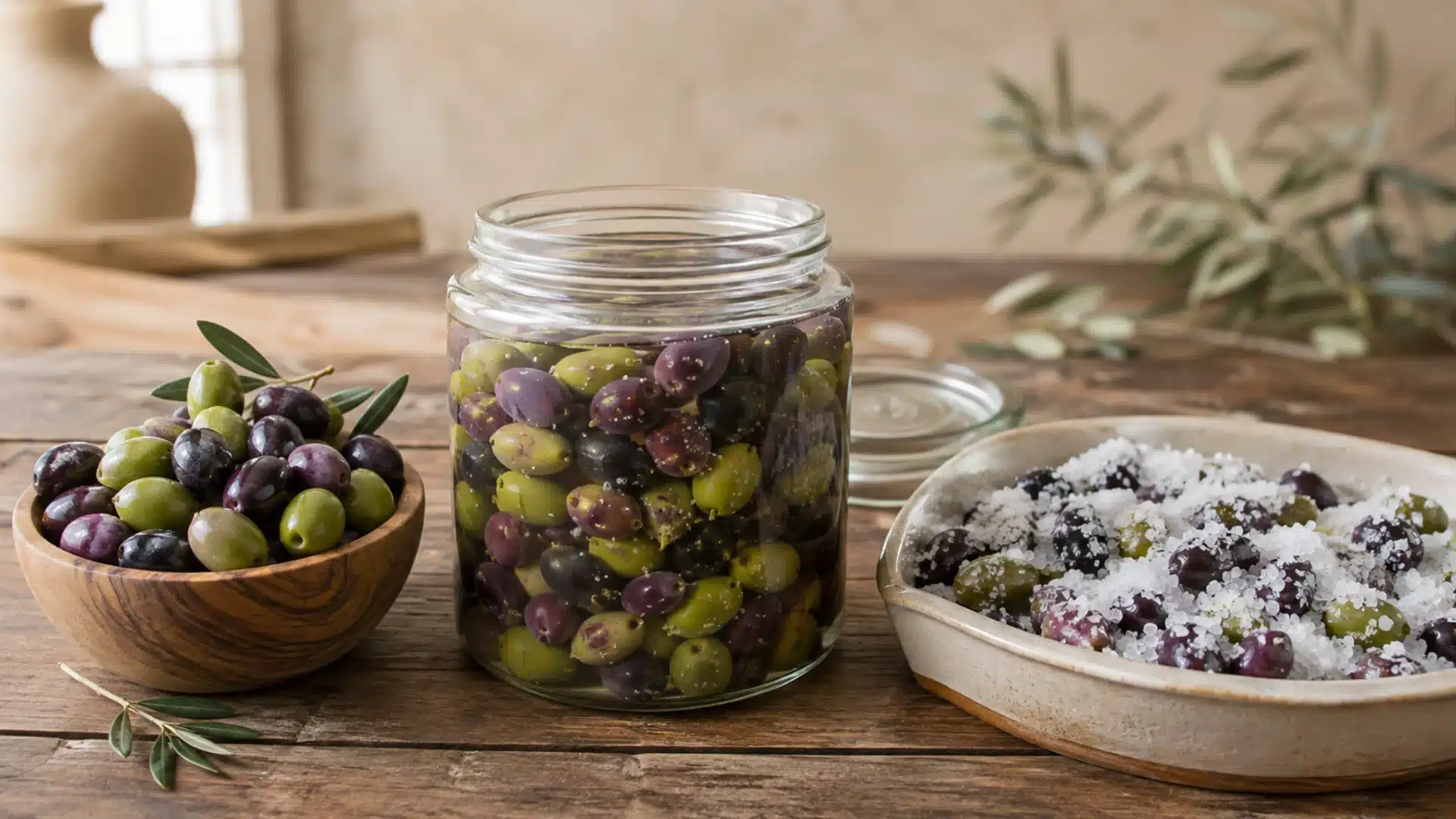
Fermentation during curing can even introduce beneficial probiotics, depending on the method used.
Include options for low sugar and minimal processing, and use checkboxes to select olives.
How Many Olives Should I Eat a Day?
There isn’t a one-size-fits-all answer, but 5 to 10 olives (about a quarter cup) suits most adults as a daily portion.
Size and prep matter, too. Stuffed, flavored, or oil-packed varieties often carry more sodium and calories per piece.
Eat several servings, and thirst, bloating, or digestive discomfort can follow.
Measure your portion instead of snacking straight from the jar. Pick plain or lower-sodium options, and rinse brined olives before eating. Pair them with vegetables, whole grains, or a protein source.
Follow personalized medical guidance if you have been advised to restrict sodium intake.
Potential Benefits of Eating Olives
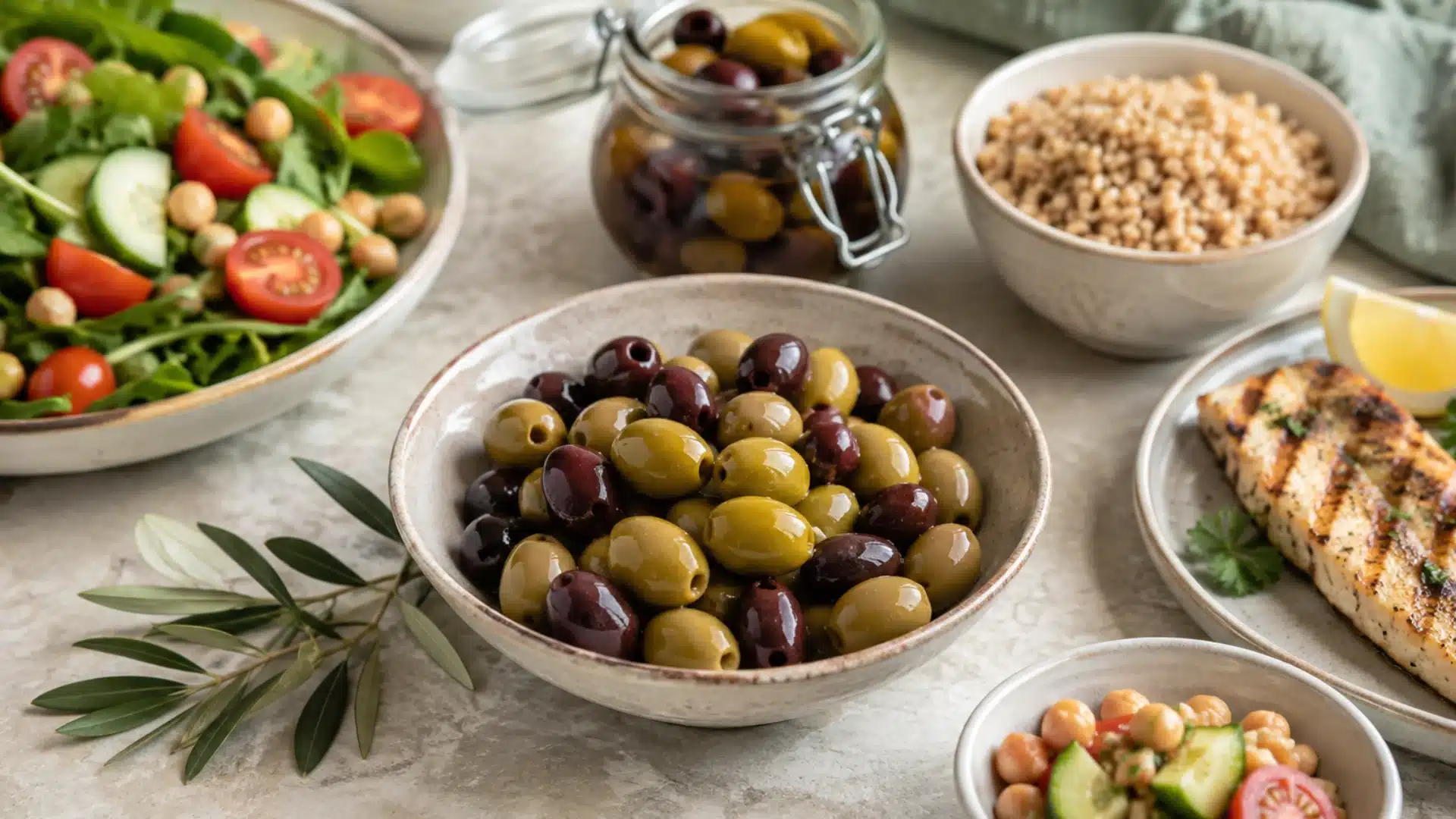
The benefits of eating olives come mainly from their monounsaturated fat, vitamin E, fiber, and plant compounds.
1. Supports Joint Health
Compounds in olives may ease inflammation linked to joint stiffness and discomfort over time.
Regular intake has been associated with reduced markers of chronic inflammation in some studies.
This matters most for people dealing with early-stage arthritis or general joint wear. While olives won’t replace medical treatment, they can complement an anti-inflammatory eating pattern.
Pairing them with other whole foods amplifies the effect further.
2. Boosts Brain Function
Healthy fats found in olives support brain cell structure and communication over the long run.
Some research ties Mediterranean-style eating, olives included, to slower cognitive decline with age.
Antioxidant compounds also help shield brain tissue from oxidative stress. This protective effect builds gradually, not overnight. Consistency in diet matters more than any single food choice alone here.
3. Aids Digestion Naturally
Olives stimulate bile production, which helps break down fats more efficiently during digestion.
This gentle nudge supports smoother nutrient absorption after meals.
Some people find olives settle their stomach better than heavier, processed snacks.
Digestive comfort can improve simply by swapping snack choices.
Still, overeating any cured food can backfire, so portion size stays important here too.
4. Strengthens Immune Response
Vitamin E and plant compounds in olives contribute to a more resilient immune system over time.
These nutrients protect immune cells from oxidative damage. A strong immune system responds quicker to illnesses. Olives won’t prevent sickness but provide support.
Combining them with a varied diet strengthens this effect considerably.
5. Supports Liver Function
Certain compounds in olives may assist the liver’s natural detoxification processes.
Animal studies suggest olive-derived nutrients can reduce fat buildup in liver tissue.
Human research is still emerging, but early signs are promising. A healthy liver processes nutrients and toxins more efficiently. Olives fit into a liver-friendly diet with other whole foods.
6. Protects Eye Health
Vitamin E in olives helps shield eye cells from oxidative stress linked to age-related decline.
This protection may slow certain changes tied to vision loss over time. Regular small amounts add up more than occasional large servings. Eye health depends on many nutrients working together, not one alone.
Olives contribute a small but meaningful piece to that puzzle.
7. Improves Skin Elasticity
Antioxidants in olives help maintain collagen structure, which keeps skin firm and elastic longer.
Vitamin E specifically supports skin repair after everyday environmental damage.
This benefit appears gradually with consistent intake, not quick fixes. Topical olive oil is common, but eating olives also supports skin from within. Hydration and sun protection are important alongside diet.
8. May Slow Cell Damage
Plant compounds in olives help neutralize harmful molecules before they damage healthy cells. This protective action may lower long-term risk tied to certain chronic conditions.
No food prevents disease alone, but consistent antioxidant intake helps.
Olives offer one accessible way to support this ongoing cellular defense.
9. Supports Mental Wellbeing
Healthy fats and antioxidants in olives may support brain chemistry linked to mood regulation.
Diets rich in these compounds have been loosely associated with lower depression rates in some studies.
The connection isn’t fully understood yet, but the pattern holds up. Mental wellbeing depends on many lifestyle factors beyond food. Olives simply add one supportive piece to that larger picture.
10. Eases Respiratory Symptoms
Anti-inflammatory compounds in olives may help calm airway inflammation tied to conditions like asthma.
Some studies link Mediterranean diets to lower asthma severity in children and adults alike. This effect likely comes from reduced systemic inflammation overall.
Olives shouldn’t replace prescribed treatment for respiratory conditions.
They can, however, support easier breathing as part of a balanced diet.
11. Encourages Gut Diversity
Fermentation during curing introduces beneficial bacteria that may support a more diverse gut microbiome.
A varied microbiome is linked to better digestion and stronger immune function overall.
Naturally fermented, unpasteurized olives provide the most microbial benefit. Store-bought pasteurized ones may lose some live bacteria. Check labels to identify these benefits.
12. Improves Blood Vessel Flexibility
Compounds in olives may help blood vessels stay flexible and responsive to changes in circulation.
This flexibility supports healthy blood pressure regulation over time. Stiffer vessels are linked to higher cardiovascular strain as people age. Regular olive intake fits into a broader vessel-friendly eating pattern.
Combined with exercise, this effect becomes more noticeable over months.
13. Slows Visible Aging
Antioxidants in olives combat oxidative stress, a key driver behind visible signs of aging.
This cellular protection extends beyond skin to tissues throughout the body.
Consistent long-term intake yields greater benefits than short-term use. Aging slows naturally due to genetics, lifestyle, and diet. Olives provide a small, steady contribution to this anti-aging effort.
Antioxidants in Olives
Olives get their strength mainly from oleuropein in the skin and flesh, which curing reduces to diminish bitterness.
This antioxidant neutralizes free radicals, molecules linked to aging and cell damage.
Hydroxytyrosol, formed during fermentation, is among the strongest plant antioxidants.
These compounds may protect blood vessels and support healthy blood pressure. Green olives usually have higher concentrations than black ones, as curing time affects compound breakdown.
Cooking or heavy processing can reduce potency, so raw or lightly cured versions retain more benefit
Potential Drawbacks of Eating Olives
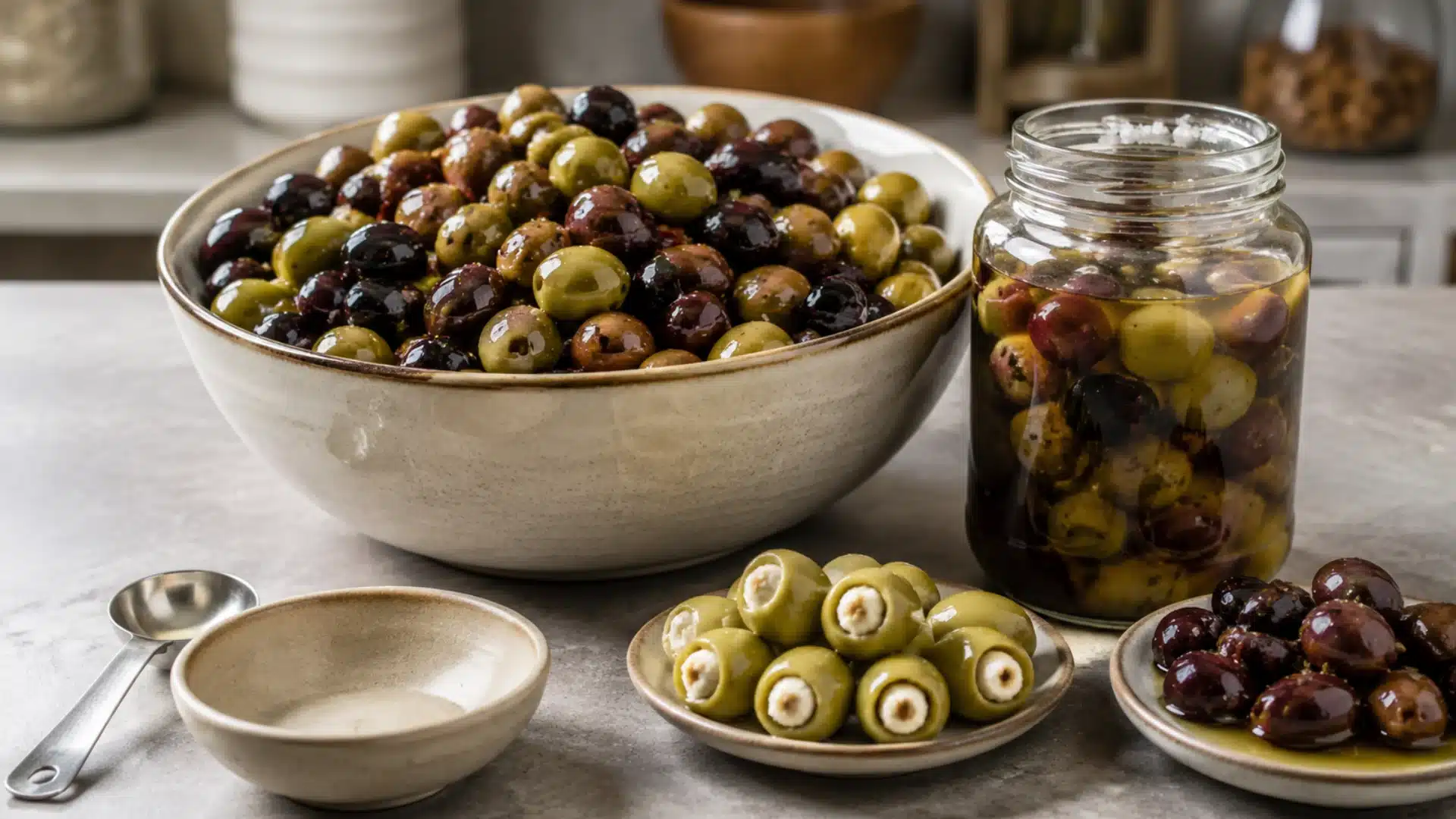
That salty, savory flavor has some trade-offs you should be aware of before grabbing another handful.
- High sodium content, a real concern for anyone managing blood pressure.
- Calorie buildup from oil-packed or heavily processed varieties.
- Possible allergic reactions in rare cases, especially with added ingredients.
- Risk of interaction with certain medications due to vitamin K content.
- Choking hazard from pits in whole or unpitted olives.
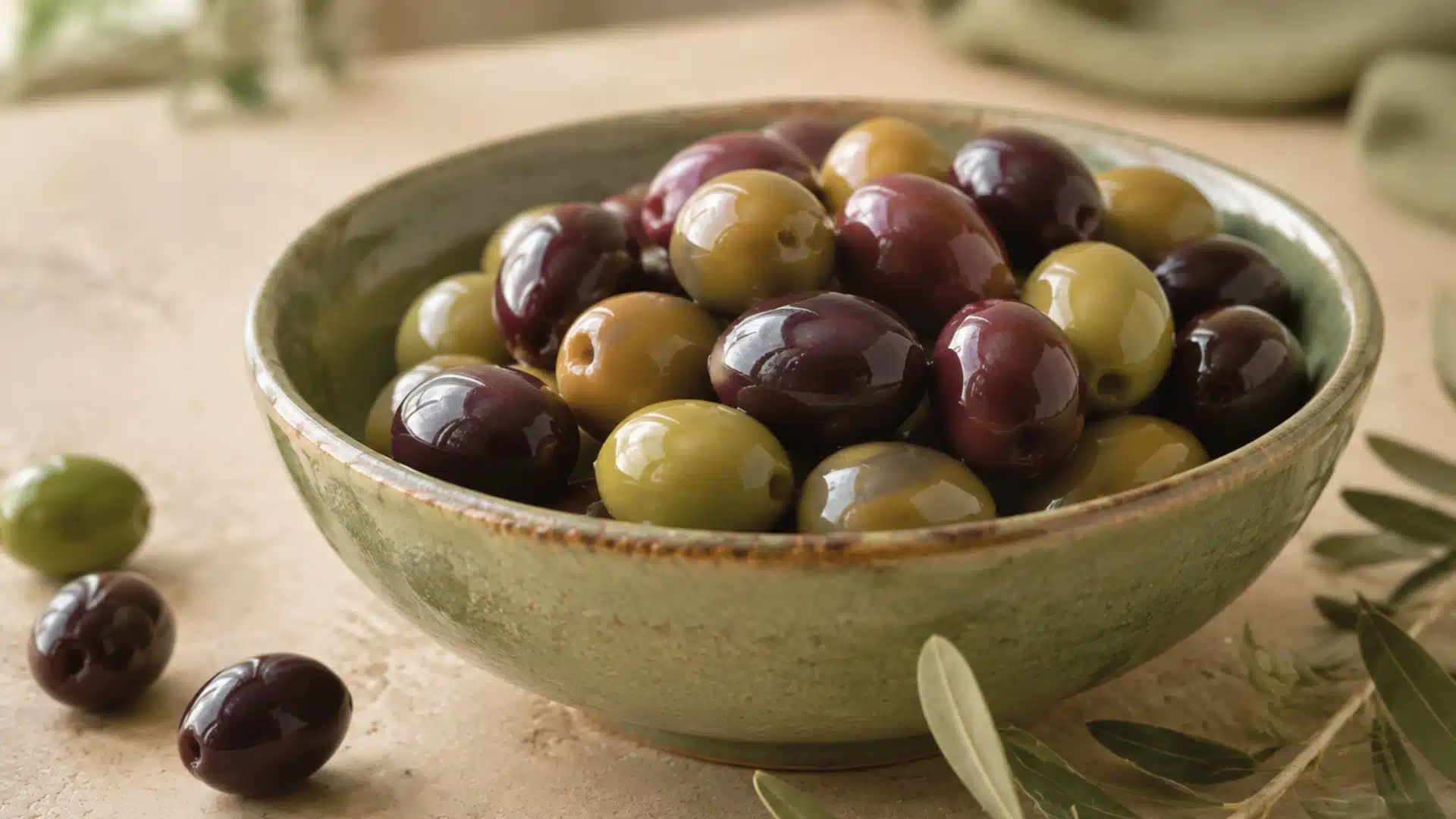
Green vs Black vs Other Types of Olives: Which is Healthier?
The color indicates ripeness, which influences both flavor and nutritional value.
| Type | Ripeness | Flavor | Nutrition note |
|---|---|---|---|
| Green olives | Picked unripe | Firm, tangy | Higher bitterness compounds |
| Black olives | Fully ripened | Soft, mild | More healthy fat per piece |
| Kalamata olives | Ripened, brined | Fruity, tangy | Notable vitamin E |
| Castelvetrano olives | Picked unripe | Buttery, sweet | Gentler on digestion |
Are Olives Good for Specific Health Goals?
Olives provide consistent energy for weight loss without causing blood sugar spikes.
Portion control still matters, since fat calories add up fast.
For heart health, their fat profile supports better cholesterol balance over time. Athletes benefit from quick electrolyte replenishment, thanks to natural sodium and potassium content.
For skin health, antioxidant compounds may help fight visible signs of aging from within.
Pregnant women can gain modest iron and calcium support, though sodium intake should be closely monitored.
Olives are a safer, blood sugar-friendly snack than many packaged options due to their low-carb content. Similarly, naturally low-calorie foods like mushrooms highlight that nutrient density can matter more than calories alone.
Trace amounts of calcium also provide a slight boost to bone health.
The Healthiest Types of Olives to Buy
Skip the flashy marketing and read the label; these options generally maintain their nutritional quality better.
- Water-cured or dry-cured olives, which carry less added sodium than brine-packed versions.
- Olives packed in olive oil rather than sunflower or vegetable oil blends.
- Unpitted, whole olives, since processing for pits can strip some nutrients.
- Organic varieties, which reduce exposure to pesticide residue during growing.
- Olives with simple ingredient lists, free from artificial preservatives or added sugars.
Does Rinsing Olives Reduce Sodium?
Rinsing olives under cool running water can remove surface brine, but it cannot eliminate sodium absorbed during curing. The amount removed varies with the olive type, processing method, and rinsing time.
Drain the olives, rinse them thoroughly, and pat them dry before serving.
Soaking them in refrigerated fresh water for several hours may reduce saltiness further.
Although it can soften their texture and weaken their flavor.
Lower-sodium products and controlled portions usually have greater impact, so compare nutrition labels carefully.
Simple Ways to Eat More Olives
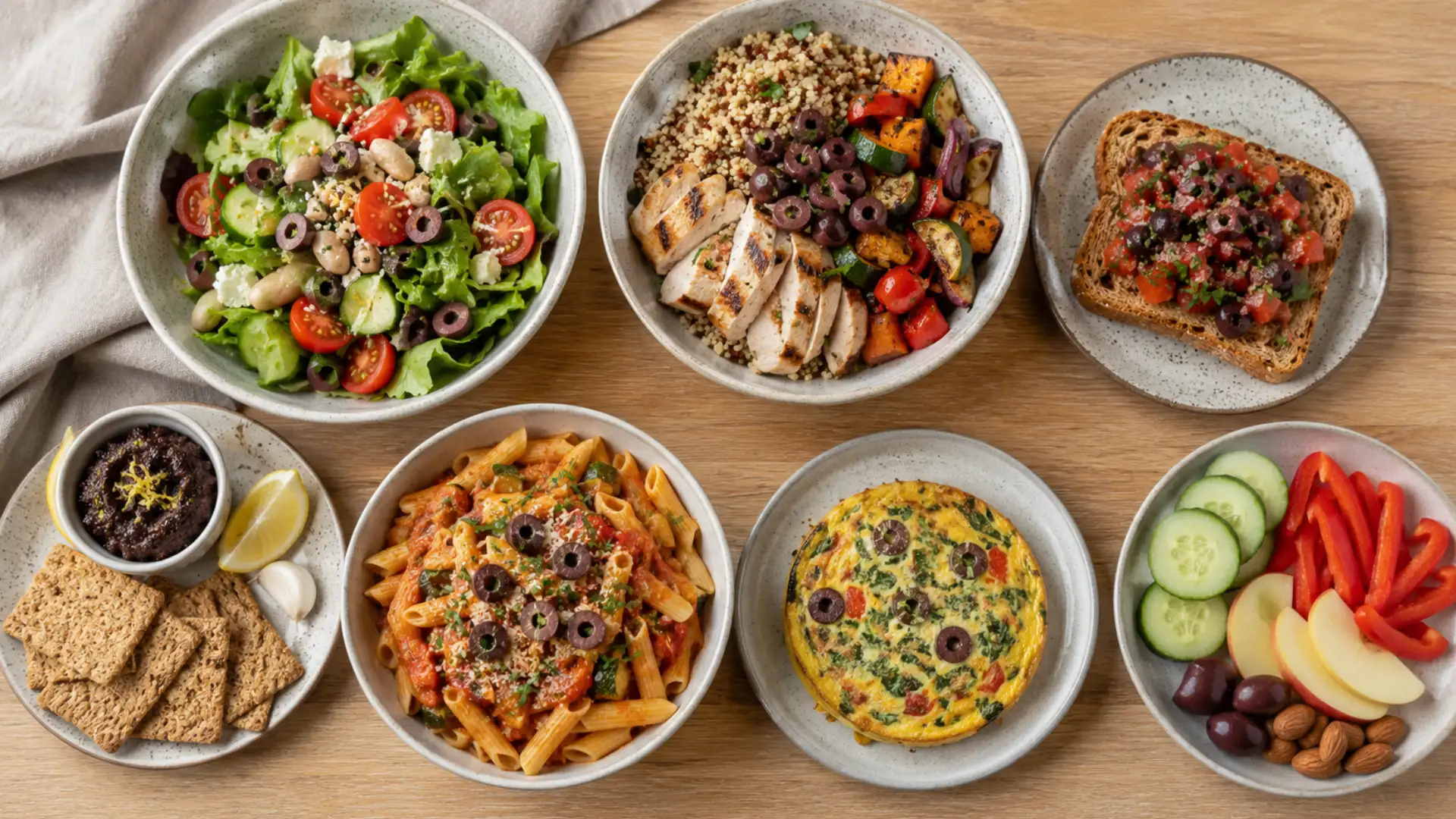
Olives add strong flavor to meals, so a small portion can go a long way.
Use them to complement vegetables, whole grains, and protein rather than treating them as an unlimited snack.
- Salads: Combine sliced olives with leafy greens, tomatoes, cucumbers, beans, and a lightly dressed whole grain.
- Grain bowls: Add a measured portion to quinoa, farro, or brown rice bowls with vegetables and lean protein.
- Whole-grain toast: Pair chopped olives with tomatoes, herbs, and a modest amount of cheese.
- Homemade tapenade: Blend olives with herbs, lemon, and garlic while limiting extra oil and salt.
- Pasta dishes: Use olives for flavor alongside vegetables and a tomato-based sauce.
- Egg dishes: Add a few chopped olives to omelets or frittatas instead of heavily processed meat.
- Balanced snacks: Pair olives with raw vegetables, fruit, or a small portion of unsalted nuts.
Drain and rinse brined olives, measure before serving, and compare labels for sodium.
Plain varieties generally offer more control than olives packed in oil or filled with salty ingredients.
Fresh Olives vs Cured Olives vs Olive Oil
Same fruit, three different forms, and each one changes how your body absorbs its benefits.
| Form | Processing | Best use | Nutrition note |
|---|---|---|---|
| Fresh olives | Raw, uncured | Rarely eaten this way | Naturally bitter, barely edible off the tree |
| Cured olives | Brined, dry, or oil-cured | Snacking, salads, garnish | Retains fiber and plant compounds |
| Olive oil | Pressed and extracted | Cooking, dressings | Concentrated fat, no fiber left behind |
Who Should Limit Their Olive Intake?
People with kidney disease need strict potassium and sodium limits, so olives should be watched closely.
People on low-sodium diets should eat olives only occasionally, not daily.
Those managing fluid retention may notice symptoms worsen after eating salty, brined foods.
People with a known sensitivity to fermented foods sometimes report headaches or digestive upset.
Infants and toddlers should avoid whole olives due to choking risk from pits and firm texture. Those recovering from gallbladder issues might also need to limit fat intake, including olives, until healed.
Frequently Asked Questions (FAQ’s)
1. Why Eat Green Olives Before Bed?
Their magnesium and healthy fats may support relaxation and sleep, but evidence is limited.
2. When Should You Not Eat Olives?
Skip them during flare-ups of digestive issues, sodium restrictions, or known allergies to fermented or cured foods.
3. Do Olives Go Bad in the Fridge?
Yes, especially once opened; use brined olives within one to two weeks for best quality and safety.
4. What is the White Stuff Floating in My Olives?
Usually harmless yeast or lactic acid bacteria from fermentation, though fuzzy mold signals spoilage.
5. What Are the Lumps in My Olive Oil?
Likely natural sediment or crystallized fats from cold storage, not spoilage, and safe to consume.
End Note!
Curing is what makes olives edible, and it’s also what makes sodium the real variable to track.
Ten olives from one jar may have twice the salt of those from another, depending on brining time and method.
Are olives good for you? Based on the fat profile, antioxidant content, and trace minerals covered above, the answer holds up under scrutiny, but sodium remains the deciding factor for specific health conditions.
Read labels, compare brining methods, and rinse when sodium counts matter most.
That habit primarily determines whether olives support or obstruct your goals.