


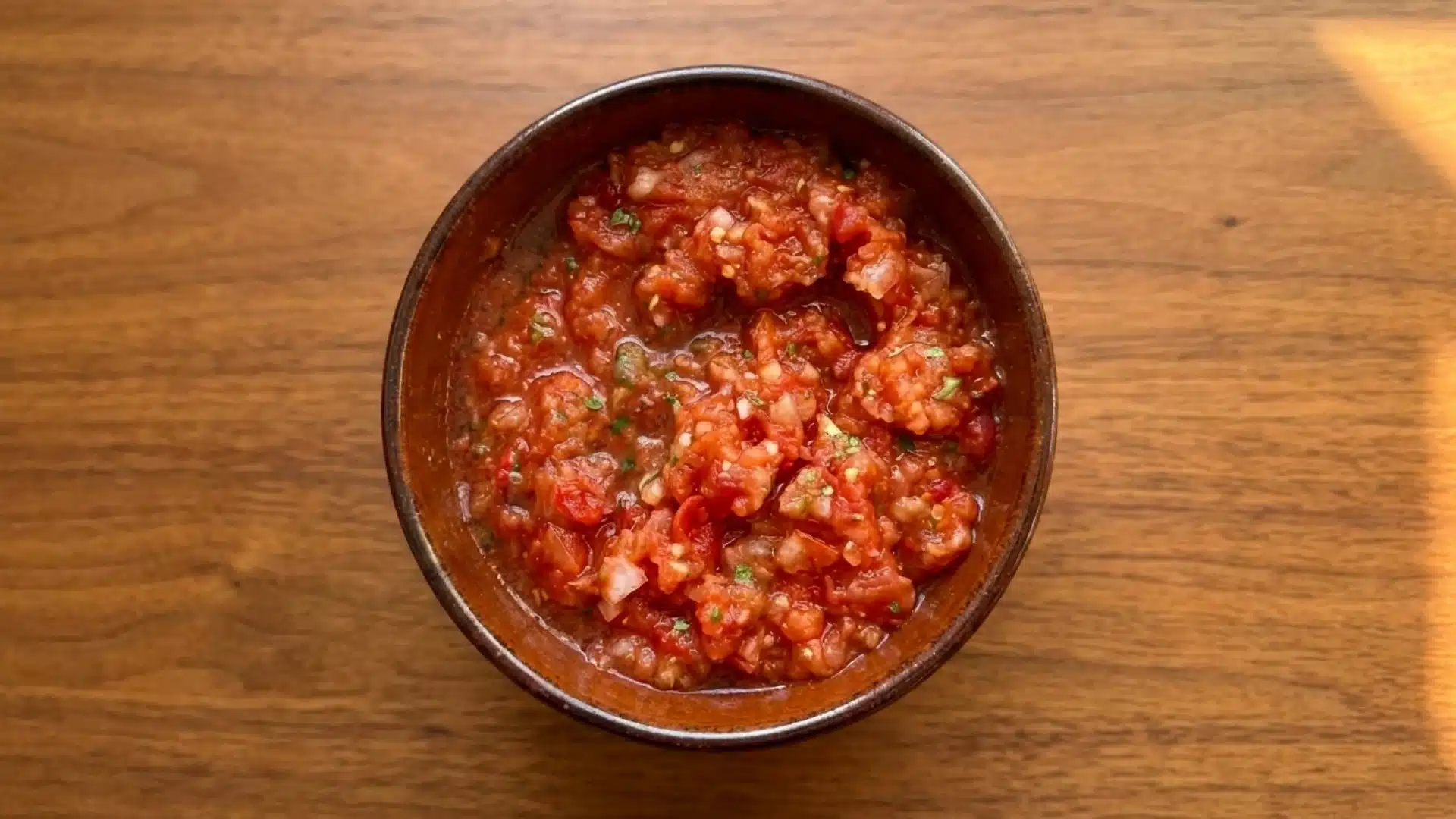









Salsa gets treated like a free side, a chip companion, nothing more. But dig into a spoonful, and there’s tomato, garlic, onion, and lime working together, doing more than just adding heat to a taco.
Nutrition labels rarely get a glance before that jar hits the cart, and that’s where things get interesting.
Some versions pack real nutrients. Others hide sugar and sodium behind a red color and a spicy kick.
So which jar actually belongs in a healthy kitchen?
This blog defines: Is salsa healthy? its nutritional and health benefits, like low calories and ingredient advantages, and compares how fresh homemade salsa versus jarred, store-bought, or processed options impact health.
Is Salsa Healthy? What Makes Salsa Healthy?
Salsa often doesn’t get the credit it deserves. Simple ingredients, real nutrition, and barely any downside.
Tomatoes, onions, garlic, and lime blend together, each adding something useful.
The mix stays fresh, light, and packed with plant-based goodness. Store-bought jars sometimes carry hidden sodium, so reading labels helps. Homemade versions skip that problem entirely.
Beyond taste, salsa supports digestion, keeps fat content low, and works as a satisfying, guilt-free topping.
This demonstrates that healthy food can be simple and flavorful.
A jar that combines bold flavor with authentic nutrition.
Salsa Nutrition at a Glance
A two-tablespoon serving runs around 10 calories. Sodium sits near 100-150 milligrams, depending on the brand.
Sugar stays minimal, usually under a gram, since ripe tomatoes provide natural sweetness.
Carbohydrate content is approximately 2 grams per serving. Protein and fat are nearly zero. Vitamin A and potassium show up in smaller amounts too. These light numbers make salsa an easy addition to almost any dish.
A standard 2-tablespoon serving stays light on calories but delivers real nutrients.
Is Salsa Low Calorie?
Yes, and significantly so.
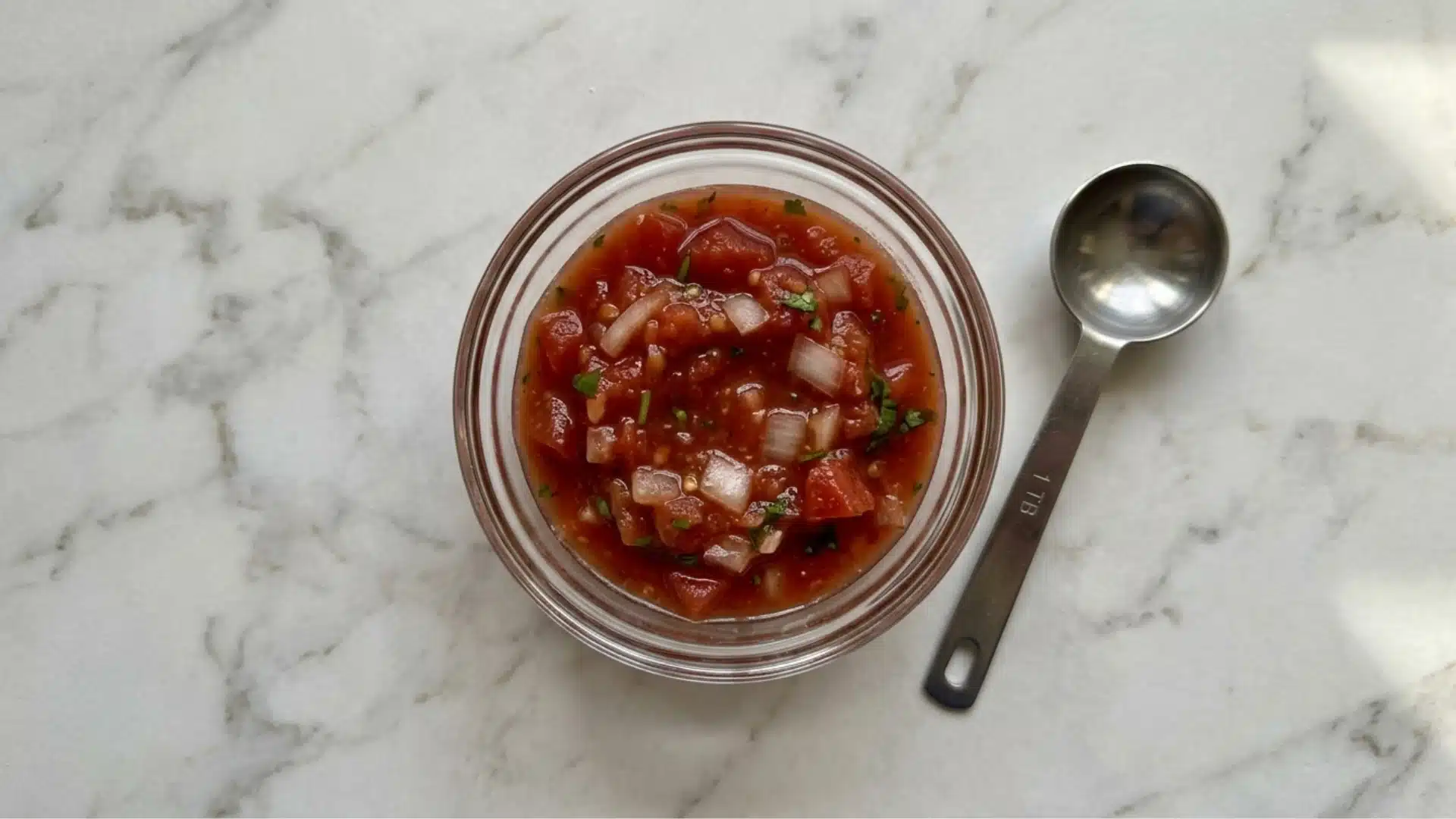
A two-tablespoon serving lands around 10 calories, which is nothing compared to creamy dips or cheese-based spreads. Ranch, for comparison, can run over 140 calories for the same amount.
Salsa’s low count comes from its base of watery vegetables instead of oil or dairy.
That means bigger portions without the guilt.
Someone could eat a quarter cup and stay under 20 calories total. This makes salsa a smart swap for anyone watching intake but still wanting bold flavor on tacos, eggs, or grilled meats.
Volume without the calorie load is rare, and salsa delivers exactly that.
Does Salsa Have Fiber?
Yes, the amount remains modest per serving. Tomatoes and onions add small amounts of fiber to a meal.
Chunkier salsas with visible vegetables tend to have more fiber than smooth, blended ones.
Skin-on tomatoes and peppers hold onto extra fiber that gets lost when peeled or strained.
Pairing salsa with fiber-rich foods like beans or whole grains boosts benefits. Salsa alone won’t hit daily fiber goals, but spreading it across tacos, bowls, or salads helps build up those small contributions over time.
Texture matters more than people realize when fiber content is the goal
Health Benefits of Salsa that Actually Matter
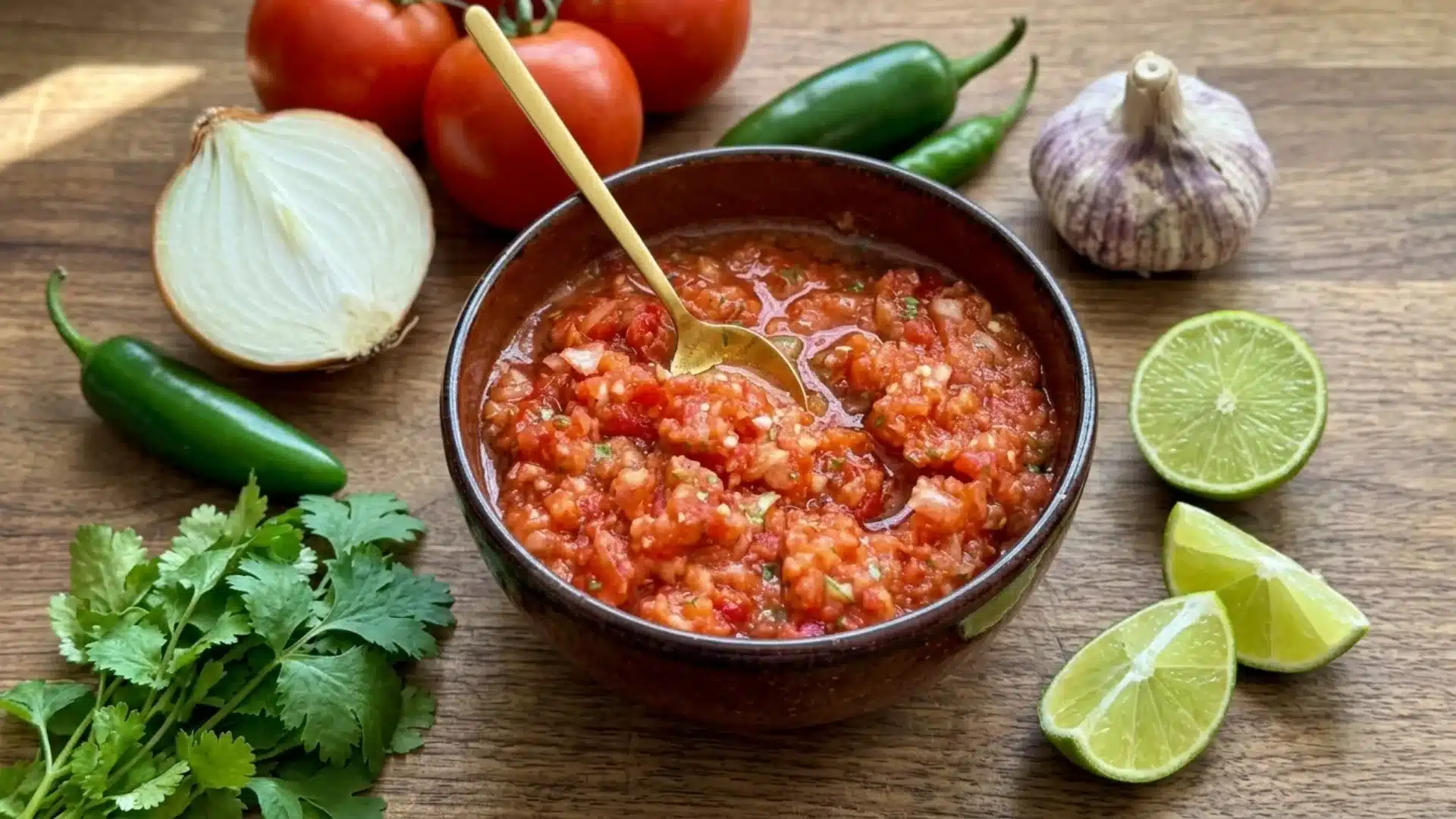
Beyond calories and fiber, salsa carries a handful of benefits that rarely make it into the conversation.
1. Supports Balanced Blood Sugar Levels
Salsa skips added sugar almost entirely, unlike many bottled sauces on the same shelf.
This keeps blood sugar spikes to a minimum after meals.
Pairing salsa with protein or whole grains further smooths out the glucose response.
Consuming small, consistent portions throughout the day prevents sharp fluctuations, which is important for long-term insulin sensitivity management.
2. Helps With Everyday Hydration
Tomatoes and peppers are mostly water, giving salsa a quiet hydration boost. A single serving adds to daily fluid intake without extra calories or sugar.
Natural electrolytes like potassium support fluid balance inside cells.
This makes salsa useful during warmer months or right after physical activity.
3. Feeds a Healthy Gut Microbiome
The fiber in salsa fuels beneficial bacteria living inside the gut lining.
Undigested fiber becomes food for these bacteria, supporting digestive balance over time. Short-chain fatty acids produced during this process help maintain gut lining strength.
A well-fed microbiome has been tied to immune resilience and mood regulation.
4. Promotes Better Eye Health
Peppers bring a meaningful dose of vitamin A, tied to long-term vision support.
This nutrient supports the retina directly and helps maintain healthy night vision.
The body efficiently converts plant-based beta-carotene into usable vitamin A. Getting this nutrient from food rather than supplements is the more sustainable approach.
5. Contributes to Stronger Bone Health
Cilantro quietly adds vitamin K to every batch of homemade salsa.
This nutrient plays a direct role in calcium regulation and bone density maintenance.
It also supports proper blood clotting alongside its skeletal benefits.
Small amounts add up meaningfully once salsa becomes a regular part of weekly meals.
6. May Help Lower Blood Pressure
The potassium found in tomatoes and onions supports cardiovascular health beyond fiber alone.
This mineral helps balance sodium levels and supports already healthy blood pressure readings.
It works by easing tension in blood vessel walls over time. This becomes especially relevant when salsa is made fresh instead of store-bought.
7. Protects Skin From Free Radicals
Antioxidants in salsa’s vegetables support visible skin health with regular use.
These compounds neutralize free radicals that contribute to premature skin aging. They also help defend collagen structures from everyday environmental stress.
Consistent intake from whole food sources tends to show up in skin health long-term.
8. Boosts Natural Energy Levels
Onions and garlic contribute small but steady amounts of B vitamins.
These vitamins support the conversion of food into usable fuel.
They also support nerve function, which helps keep energy signals running smoothly throughout the day. While amounts in a single serving are modest, they still add real value.
9. Supports Healthy Weight Management
Salsa delivers nutrient density without the calorie load found in heavier sauces and dips. Each serving provides vitamins and minerals without adding significant weight to a plate.
Its texture also encourages slower eating, which naturally supports portion awareness.
That combination makes it easier to stay on track with broader goals.
10. Calms Inflammation Throughout The Body
The antioxidant profile in salsa’s vegetables works to reduce inflammation markers with regular use.
Quercetin and lycopene ease chronic inflammatory responses when eaten as part of balanced meals. Together, they help protect cells from ongoing oxidative stress.
Reduced inflammation has been linked to a lower risk for several chronic conditions.
11. Supports Natural Liver Function
Garlic’s sulfur compounds assist the liver in processing and clearing toxins from the bloodstream.
These compounds support natural detoxification pathways during everyday liver function.
They work alongside other nutrients found throughout a typical batch of fresh salsa.
This makes garlic-forward recipes a genuine bonus for long-term wellness.
Different Types of Salsa and Their Nutrition Differences
Not all salsa is equal, and its type can significantly affect the nutrition profile.
Small prep differences, like raw or roasted ingredients, impact nutrient preservation over time.
Sweetness and texture also influence each variety’s nutritional value.
| Salsa Type | Base Ingredients | Calories (2 tbsp) | Sodium Level | Notable Trait |
|---|---|---|---|---|
| Pico de Gallo | Raw tomato, onion, cilantro | 8 | Low | High water content |
| Salsa Verde | Tomatillo, jalapeño | 12 | Moderate | Tangy, vitamin C-rich |
| Roja | Cooked tomato, chili | 15 | Moderate-High | Concentrated lycopene |
| Mango Salsa | Mango, red onion, lime | 20 | Low | Higher natural sugar |
| Chipotle Salsa | Smoked chili, tomato | 18 | High | Bold, smoky heat |
| Corn Salsa | Corn, black beans, pepper | 25 | Moderate | Extra fiber, starchier |
Signs of a Lower-Quality Salsa Jar
Not every jar on the shelf deserves a spot in the cart; a quick label check separates the better options.
These flags explain why homemade salsa often wins, as shown in the next section.
- Sodium: Anything above 300 milligrams per serving pushes salsa closer to a processed food than a fresh one.
- Added sugar: A red flag in sweeter varieties like mango or peach salsa.
- Ingredient list length: A short list with recognizable vegetables is a good sign, while long lists are not.
- Stabilizers and artificial colors: Usually a marker of a lower-quality jar.
Can Salsa Be Unhealthy? Situations to Watch For
Yes, but only in specific circumstances.
Restaurant salsas often pack extra salt to enhance flavor and shelf life, pushing sodium counts higher than expected. Some jarred brands add sugar or preservatives that dilute the health value.
Portion size matters too. Chip-and-salsa combos can quietly rack up calories if the chips do the heavy lifting.
People with acid reflux or sensitive stomachs may find citrus and spice levels irritating.
Canned varieties sometimes contain added corn syrup for taste balance. Reading ingredient lists helps separate clean recipes from processed ones. Salsa itself isn’t the issue. What surrounds it usually is.
Easy Homemade Salsa Ideas for Better Nutrition
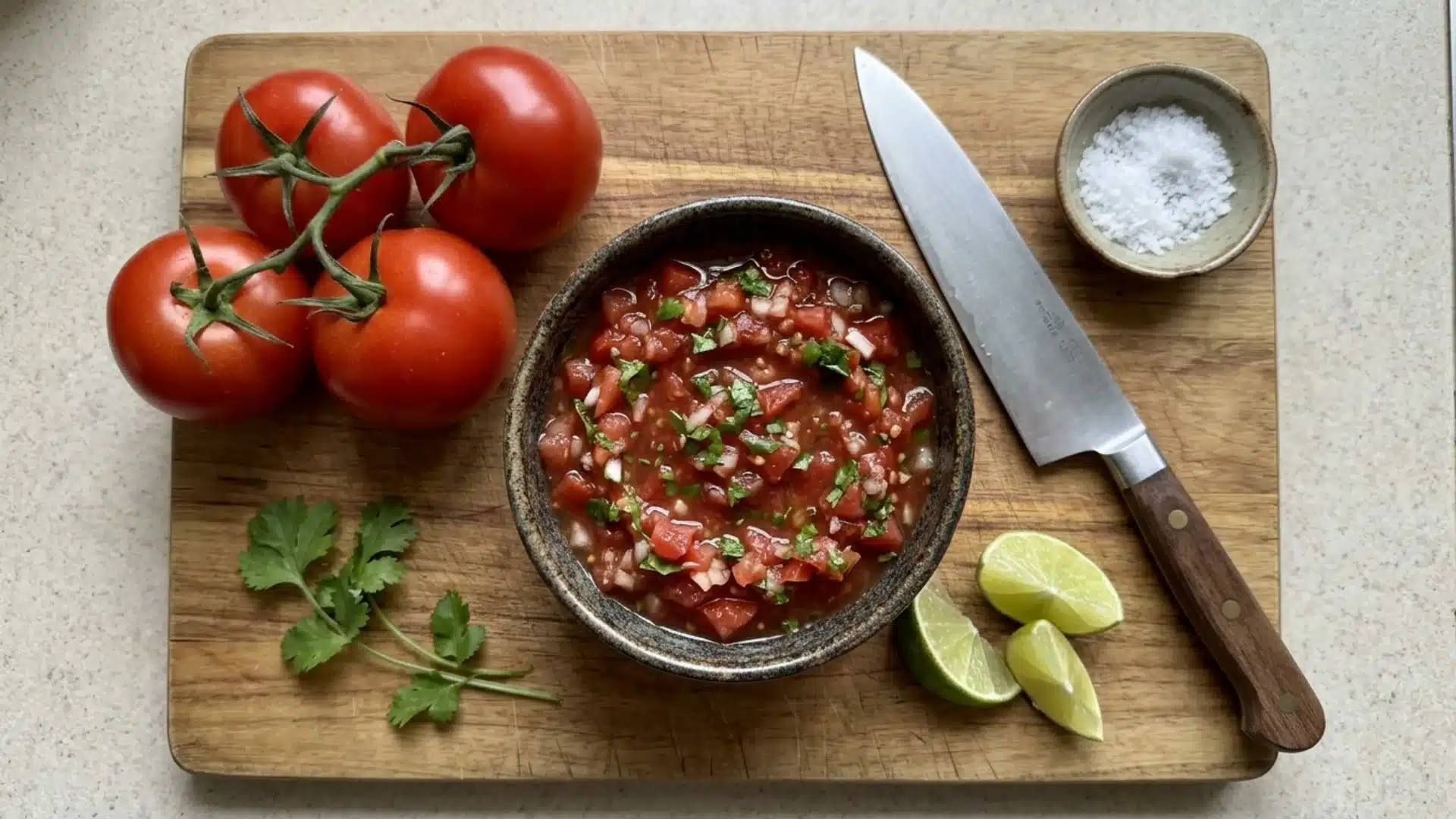
Making salsa healthier doesn’t need a complicated recipe overhaul just a few simple tweaks.
Most require no additional time and preserve the flavor that makes salsa enjoyable.
- Swap canned tomatoes for fresh ones to cut sodium.
- Skip added sugar in fruit salsas and let ripe mango or peach provide sweetness.
- Use lime juice instead of table salt for a balanced flavor.
- Measure a portion instead of eating straight from the jar.
- Pair chips with a protein source rather than eating chips alone.
Fresh Homemade Salsa vs Jarred Salsa: Which is Healthier?
The jar versus the cutting board debate comes down to control over what actually goes in.
| Factor | Homemade Salsa | Jarred Salsa |
|---|---|---|
| Ingredient Control | Full control, no additives | Limited, brand-dependent |
| Shelf Life | Short, 3-5 days | Long, months unopened |
| Preservatives | None needed | Often included |
| Nutrient Retention | Higher, fresher produce | Lower, processed handling |
| Texture | Chunky, customizable | Consistent, uniform |
| Cost | Cheaper per batch | Convenient, pricier long-term |
Who Should Limit Salsa?
Certain groups should approach salsa with more caution.
People managing high blood pressure need to track sodium closely, especially with restaurant or canned versions.
Those with IBS or gastritis may react to acidity and spice, triggering discomfort or flare-ups. Individuals on low-potassium diets for kidney conditions should monitor tomato intake carefully.
Pregnant women should confirm pasteurization on store-bought jars to avoid contamination risks.
Anyone with citrus allergies might need to skip lime-heavy recipes entirely.
Children with sensitive tastes often find it difficult to handle spicier options as well.
Being mindful of moderation and ingredients is more important than completely avoiding salsa.
Frequently Asked Questions (FAQ’s)
1. What’s the Healthiest Way to Eat Salsa?
Choose homemade, fresh salsa with minimal salt, paired with vegetables or lean proteins instead of fried chips.
2. Is Salsa Good for Blood Sugar?
Yes, salsa’s low sugar and glycemic index make it a safe, blood-sugar-friendly condiment for most diets.
3. Can Salsa Cause Acid Reflux?
It can, since tomatoes and citrus are acidic and may trigger reflux symptoms in sensitive individuals.
4. Is Salsa Keto-Friendly?
Mostly yes, as long as portions stay small and sugar-added varieties like mango salsa are avoided.
5. Is It Safe to Eat Salsa Every Day?
Generally yes, especially homemade versions, though sodium and acidity levels should be monitored consistently.
End Note!
Salsa proves that healthy eating doesn’t have to feel like a compromise.
Made from fresh tomatoes, onions, peppers, and lime juice, it offers nutrition without excess calories or sodium.
Homemade versions, reading labels, and pairing with protein make it a healthy part of a balanced meal.
Next time chips and salsa show up at the table, reach for the bowl without a second thought.
Got a favorite salsa recipe or brand worth trying? Drop it in the comments below.