











I’ve had times when I felt tired all the time and couldn’t figure out why, and maybe you’ve wondered the same.
“Does high cholesterol make you tired?” While cholesterol itself doesn’t directly cause fatigue, the way it affects your heart and circulation can definitely leave you feeling drained.
Today, I’ll walk you through how high cholesterol can impact your energy, why it might lead to tiredness, and what other signs to look for. You’ll also get practical tips, from making diet changes to adding exercise and checking out treatment options, to help lower cholesterol and improve your energy.
If you’ve been dealing with unexplained fatigue, this could be the missing piece. Let’s see if cholesterol might be behind your constant tiredness.
Understanding High Cholesterol
Cholesterol is a fatty substance found in the blood that’s essential for cell function, hormone production, and overall health.
There are two types: HDL (good cholesterol), which helps remove excess cholesterol, and LDL (bad cholesterol), which can build up in the arteries, leading to health problems like heart disease.
Maintaining a balance between the two is key to good health.
Causes of High Cholesterol:
Poor lifestyle choices like a diet high in saturated fats, lack of exercise, smoking, and excessive alcohol consumption often cause high cholesterol.
Genetics also plays a role, as some people inherit high cholesterol from their parents. Other factors, like age and certain medical conditions, can contribute as well.
The Role of Cholesterol in Your Body
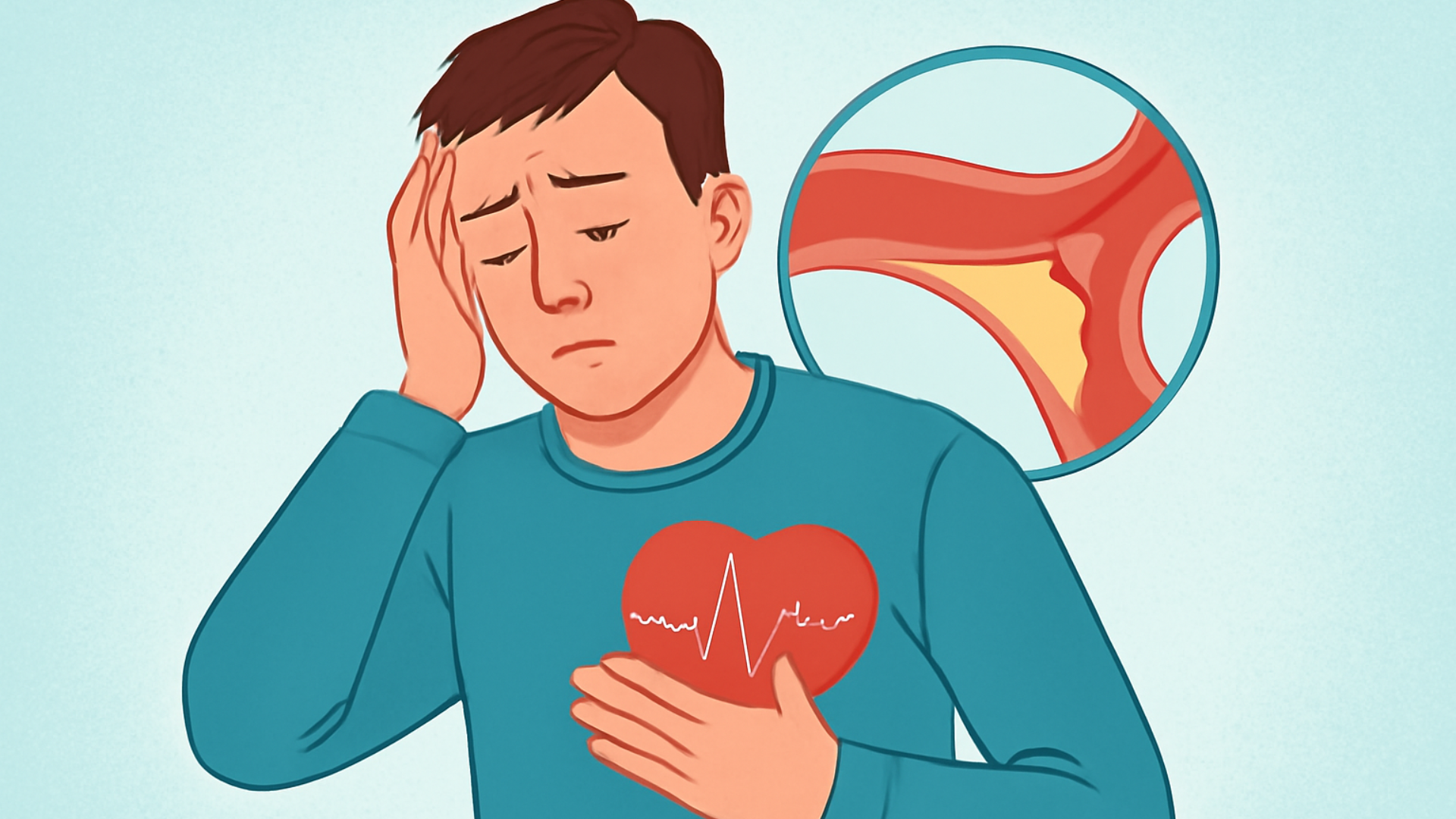
Cholesterol imbalance occurs when there is too much LDL (bad cholesterol) in the bloodstream. LDL contributes to plaque buildup in the arteries, narrowing and hardening them, which restricts blood flow.
At the same time, HDL (good cholesterol) helps remove excess cholesterol from the blood, but when HDL levels are low, the body struggles to clear the buildup.
This leads to damaged blood vessels that become thick and stiff, restricting circulation. Over time, this can affect heart health and overall circulation, causing symptoms like fatigue as the body struggles to deliver oxygen efficiently.
Does High Cholesterol Make You Tired?
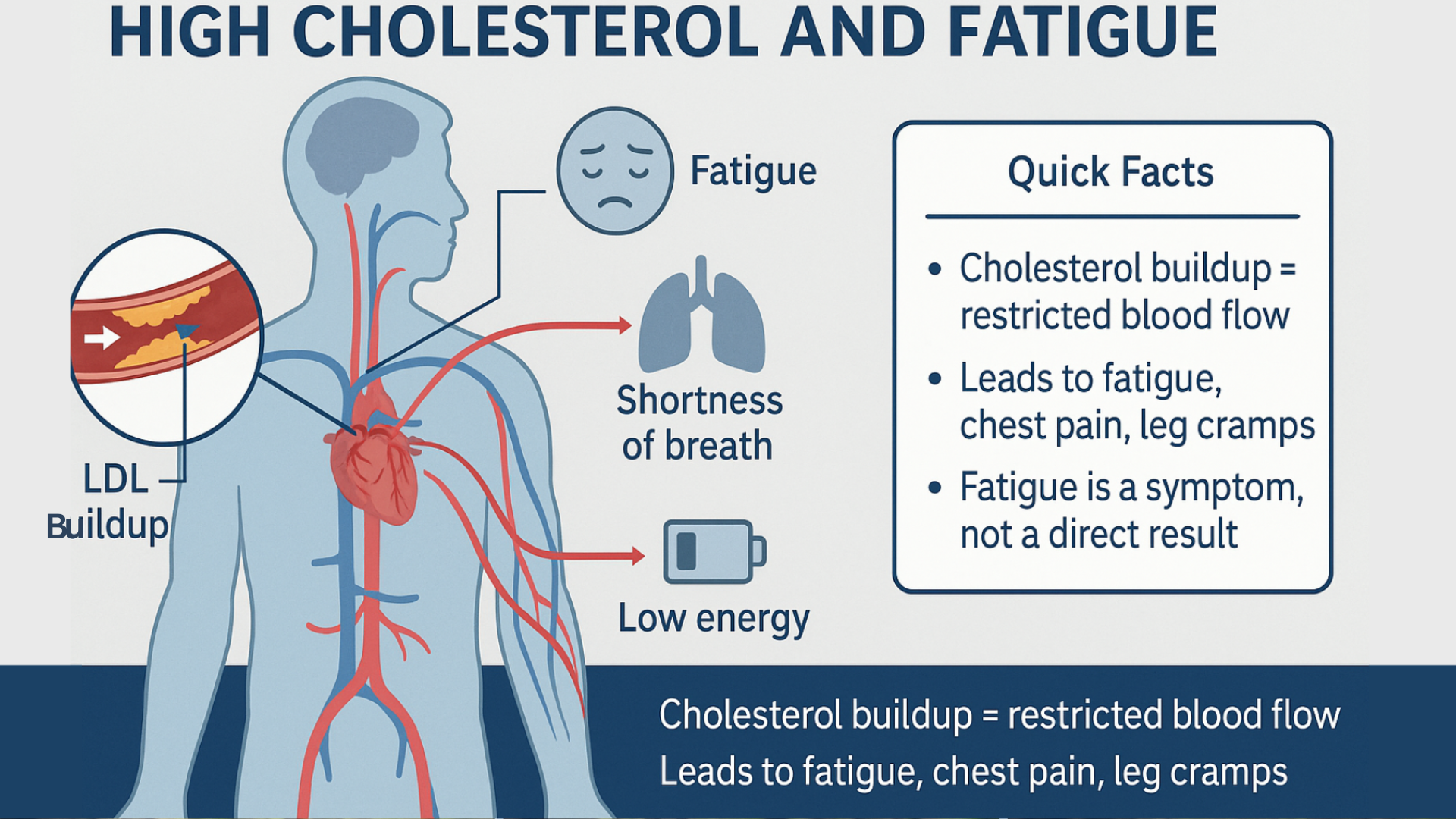
High cholesterol can lead to reduced blood flow, causing complications like heart disease, which may result in fatigue over time.
Can High Cholesterol Cause Fatigue?
High cholesterol itself doesn’t directly cause fatigue. However, it can lead to serious health problems like heart disease and poor circulation, which are linked to tiredness.
Cholesterol buildup in the arteries can restrict blood flow to vital organs, including the heart and legs, leading to exhaustion over time.
While cholesterol is often symptom-free, its long-term effects can contribute to feelings of fatigue as the body struggles with reduced blood flow.
Can High Cholesterol Cause Shortness of Breath?
Cholesterol buildup can lead to coronary artery disease, where plaque restricts blood flow to the heart, causing symptoms such as shortness of breath and chest pain.
This condition makes it harder for the heart to pump enough oxygenated blood throughout the body.
Additionally, plaque buildup in the arteries supplying the lungs can contribute to breathing difficulties. These complications can cause exhaustion and make everyday activities harder.
Why High Cholesterol Can Drain Your Energy
High cholesterol can lead to fatigue by causing plaque buildup in the arteries, which reduces blood flow and energy levels over time.
- Coronary Artery Disease and Fatigue: Cholesterol buildup can cause coronary artery disease, where plaque blocks blood flow to the heart. This reduces oxygen and nutrients, leading to fatigue, shortness of breath, and chest pain.
- Peripheral Artery Disease and Tiredness: Peripheral artery disease occurs when cholesterol buildup restricts blood flow to the legs. This causes tiredness, cramping, and weakness in the limbs. The reduced blood flow contributes to overall fatigue.
- The Long-Term Impact of Cholesterol Buildup: Chronic cholesterol buildup can gradually reduce circulation and strain the heart, leading to long-term fatigue.
Over time, plaque narrows arteries, limiting blood flow and energy levels. This constant lack of oxygen and nutrients affects daily activities, causing people to feel more tired.
Other Causes of Fatigue:
While high cholesterol can contribute to fatigue, several other health conditions might also be at play. Thyroid problems, anemia, sleep apnea, and depression are all common causes of fatigue.
If your fatigue persists despite lifestyle changes or worsens without a clear cause, it’s important to consult your healthcare provider to rule out other conditions.
Managing Fatigue Associated with High Cholesterol

To manage fatigue caused by high cholesterol, focus on lifestyle changes, exercise, and medication to improve both cholesterol levels and energy.
Lifestyle Changes and Diet Tips to Lower Cholesterol
Start by making healthy dietary choices to lower cholesterol. Increase fiber-rich foods like oats, beans, and whole grains, which help reduce LDL (bad cholesterol).
Replace unhealthy fats with healthy fats found in olive oil, avocados, and fatty fish like salmon. Reducing saturated fats from red meat and processed foods will improve heart health and energy.
Cutting back on alcohol and quitting smoking will also improve circulation, cardiovascular health, and energy levels.
Exercise to Combat Fatigue
Aerobic exercises like walking, jogging, cycling, and swimming strengthen the heart, improve circulation, and help maintain a healthy weight.
Aim for at least 30 minutes of moderate exercise most days to improve both cholesterol levels and overall energy.
Regular exercise increases blood flow, helping muscles receive more oxygen and reducing tiredness.
Medication Management and Alternatives
If lifestyle changes and exercise aren’t enough, statins are often prescribed to lower cholesterol. Statins can cause side effects, such as fatigue. If you experience persistent tiredness, consult your doctor about potential alternatives.
Other options, such as PCSK9 inhibitors or bile acid sequestrants, may be prescribed if statins are not effective or cause unwanted side effects.
Always follow your healthcare provider’s guidance for safe and effective cholesterol management.
When to See a Doctor
If you’re experiencing persistent fatigue and suspect it may be related to high cholesterol, consult a doctor for proper diagnosis and treatment options.
- Unexplained Fatigue: If tiredness persists for weeks or worsens, it could indicate an underlying health issue like high cholesterol.
- Shortness of Breath: Fatigue combined with difficulty breathing, especially during physical activity, could signal heart problems linked to high cholesterol.
- Chest Pain: If you experience chest discomfort or pain along with fatigue, it’s essential to seek immediate medical advice, as this may point to heart disease.
- Leg Pain or Cramping: Pain or cramping in your legs, along with tiredness, may suggest peripheral artery disease, a common complication of high cholesterol.
- Routine Cholesterol Testing: If you haven’t had your cholesterol checked recently, it’s a good idea to schedule a blood test to assess your levels and overall heart health.
Paying attention to these signs can help you catch problems early and protect your heart health. When in doubt, get checked by your doctor.
Conclusion
I’ve learned that high cholesterol can quietly affect your heart, blood flow, and overall energy, making everyday tasks feel harder.
If you’ve been asking yourself, “Does high cholesterol make you tired?” you now know it can play a role by putting extra strain on your heart and reducing circulation.
The good news is, small lifestyle shifts, like eating more nutrient-rich foods, moving your body regularly, and keeping up with routine check-ups, can improve both cholesterol levels and energy.
Stay alert to warning signs and take action early to protect your health. For more ways to keep your heart strong and your energy steady, check out my other blogs on healthy living and wellness tips.