












You’ve probably worn polyester many times, but have you ever wondered, is polyester bad for you? While it’s affordable and durable, concerns about the chemicals used in its production might make you think twice.
In this blog, I’ll explain the health risks polyester can pose, from skin irritation to long-term health problems. I’ll also offer practical tips to reduce exposure and find healthier fabric alternatives for your wardrobe.
Keep reading, and you’ll learn how to make better fabric choices for your health and the environment.
What is Polyester?
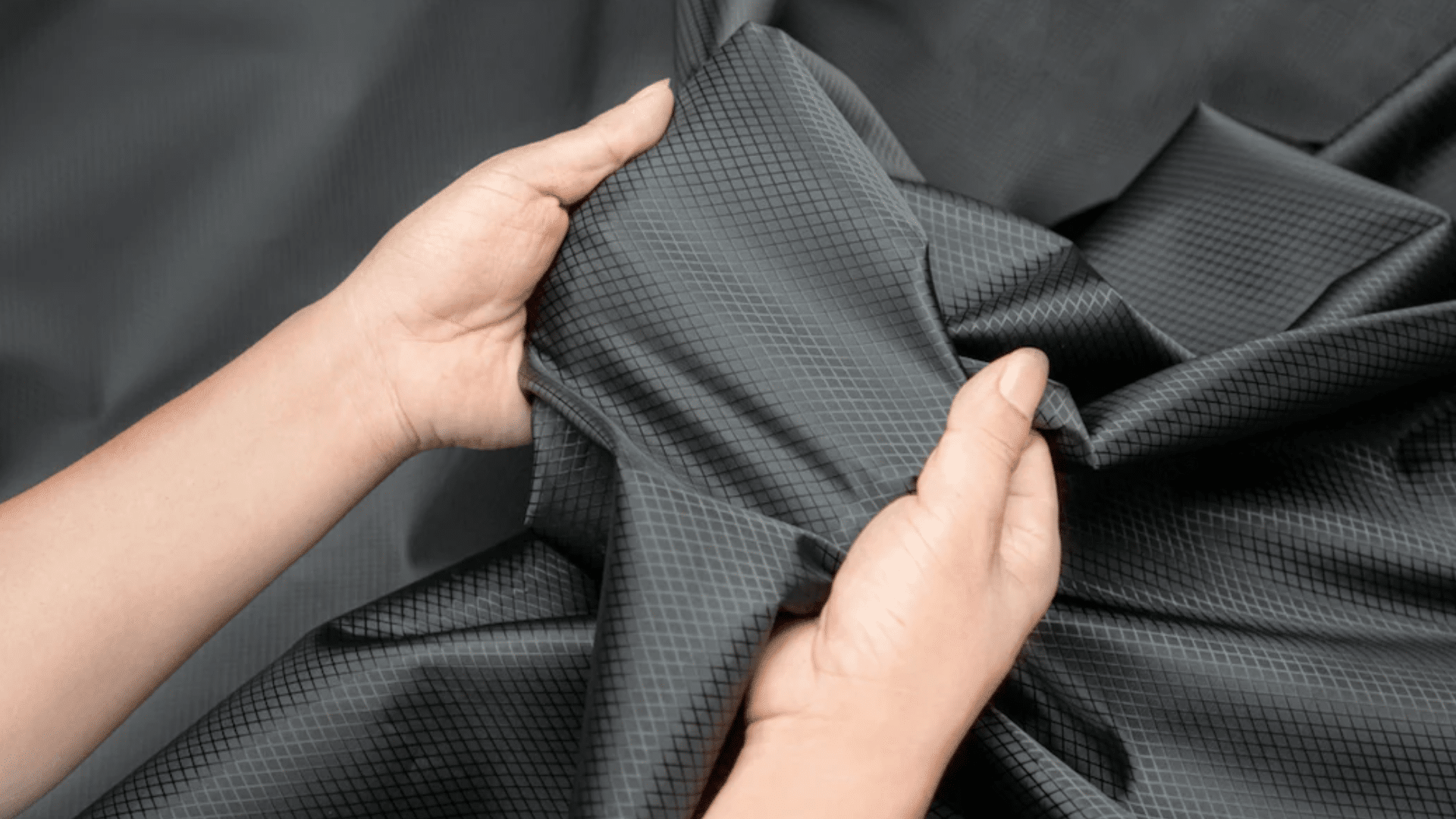
Polyester is a synthetic fiber made from petroleum-based products, primarily polyethylene terephthalate (PET).
Its affordability, durability, and resistance to wrinkles make it a popular choice in textiles, particularly in fast fashion.
The production process begins with the extraction of crude oil, which is then processed into ethylene glycol and terephthalic acid.
These materials are subsequently polymerized to create PET, a polymer that is spun into fibers.
This versatility has led to its widespread use in a variety of clothing items.
Is Polyester Bad for You: Health Risks Over Time
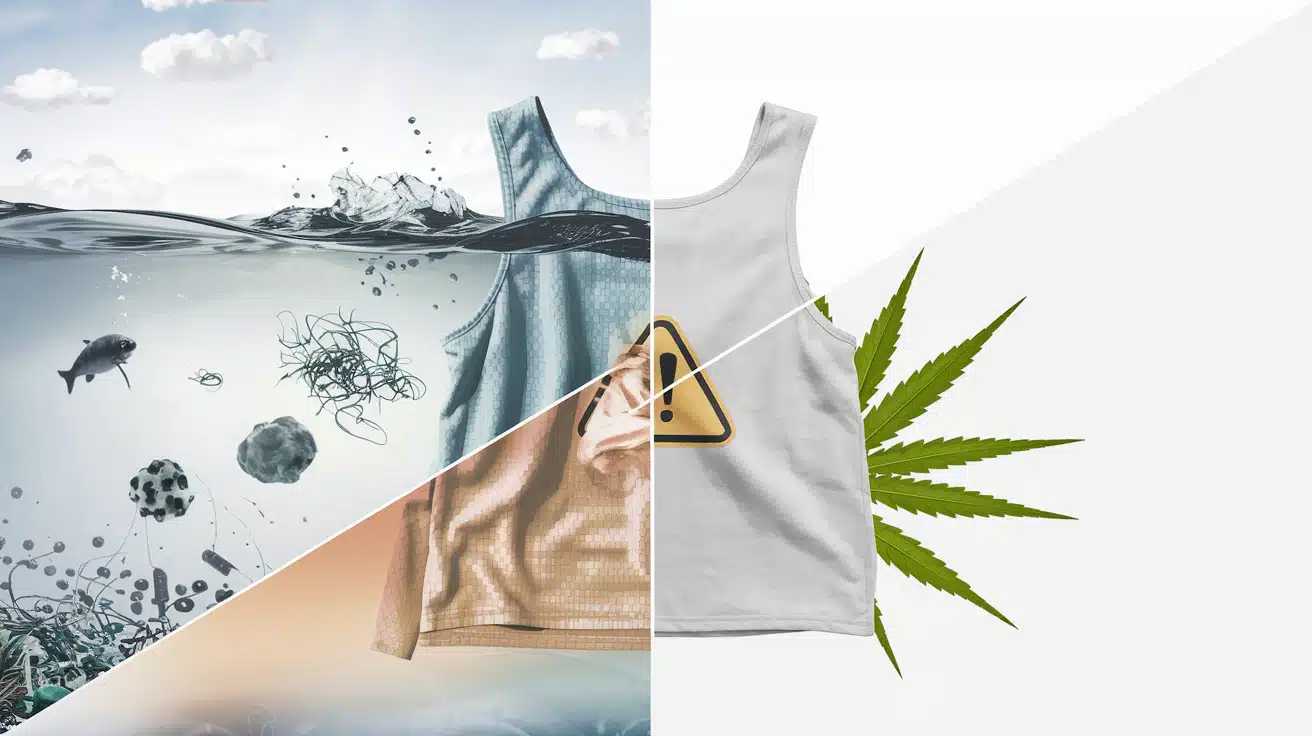
Polyester is produced using harsh chemicals like formaldehyde, synthetic dyes, and artificial finishes. These substances can be absorbed through your skin or released into the air as you wear the fabric.
That means your body is exposed to toxins over time. This exposure can cause skin irritation, allergic reactions, and breathing problems.
These cumulative risks can impact overall health, particularly for individuals with sensitive skin or respiratory conditions.
1. Cumulative Chemical Exposure
Continuous exposure to polyester’s chemicals, such as dyes and finishes, can lead to chronic health problems.
These chemicals may accumulate in the body, potentially causing hormonal disruptions, skin conditions like eczema, and respiratory issues.
Long-term exposure increases the risk of developing autoimmune diseases and even certain types of cancer, especially with poorly treated polyester garments.
The more frequent the contact, the higher the risk of accumulating harmful toxins over time.
2. Microplastics and Indirect Health Effects
Microplastics from polyester fibers shed during washing enter the environment, eventually contaminating the food chain.
These tiny particles are ingested by marine life and can also make their way into drinking water and the air.
Over time, humans may ingest microplastics through seafood, water, or even the air, posing unknown health risks.
The long-term effects of microplastic contamination on human health are still a growing concern, with some studies linking these particles to inflammation and other health complications.
3. Environmental and Health Link
Polyester’s environmental impact, including microplastic pollution, can indirectly affect human health as these particles enter the food chain through animals. This leads to toxin buildup in seafood consumed by humans.
Long-term exposure to polyester’s chemicals, such as heavy metals and dyes, can accumulate in the body, leading to skin conditions, hormonal imbalances, and respiratory issues.
This exposure also increases the risk of autoimmune diseases and cancers, especially when polyester is poorly treated or made from low-quality materials.
4. Toxin Absorption and Susceptibility
Toxins in polyester can be absorbed through the skin, especially when it’s in constant contact with the body.
Sensitive individuals, including children, the elderly, or those with weakened immune systems, are more susceptible to the harmful effects of these toxins.
Over time, the accumulation of chemicals from polyester can lead to skin issues, respiratory problems, and hormone disruptions.
Continuous exposure to polyester-treated fabrics heightens the likelihood of experiencing adverse health effects, especially for those more vulnerable to these substances.
Practical Solutions to Minimize Polyester Exposure
| Action | Details | Benefits |
|---|---|---|
| Choose certified non-toxic polyester | Look for fabrics with Oeko-Tex or similar certifications to ensure safety standards and fewer harmful chemicals. | Reduces exposure to toxic substances; safer for skin contact. |
| Opt for recycled polyester | Select polyester made from recycled materials instead of virgin polyester. | Cuts down on virgin material use, lowers environmental impact. |
| Safer chemical profile | Recycled polyester is often made with fewer chemical treatments. | Safer for human health and better for the environment. |
Step-by-Step Guide on Washing Polyester
Washing polyester correctly can help reduce chemical exposure and ensure the fabric remains in good condition. Here are some simple steps to follow:
- Use Cold Water: Always wash polyester in cold water to prevent the release of chemicals and to maintain the fabric’s quality.
- Choose Eco-Friendly Detergents: Opt for detergents that are free of harsh chemicals, fragrances, or dyes to reduce chemical buildup in the fabric.
- Avoid Fabric Softeners: Skip fabric softeners, as they often contain additional chemicals that can make the fabric less breathable and more harmful over time.
- Gentle Wash Cycle: Select a gentle wash cycle to avoid wear and tear, ensuring the polyester remains intact without excessive exposure to chemicals.
By following these steps, you can minimize exposure to harmful chemicals and help preserve the polyester fabric for longer use.
Brands That Use Safer Polyester
Look for brands that prioritize sustainability by using eco-friendly, less-toxic polyester options. Many now offer garments made from recycled polyester, which is produced with fewer chemicals and supports sustainable fashion.
Here are some brands that use safer polyester options:
- Patagonia (US): Uses recycled polyester in many products, leading in sustainable fashion.
- H&M Conscious Collection (Sweden): Features garments made from recycled polyester for an eco-friendly option.
- Everlane (US): Incorporates recycled polyester and emphasizes ethical manufacturing.
- Reformation (US): Focuses on sustainable fabrics, using recycled polyester in many eco-conscious items.
- Prana (US): Committed to using recycled polyester in its outdoor apparel.
These brands minimize their environmental impact by using recycled polyester.
Alternatives to Polyester
| Use Case | Recommended Fabrics | Benefits |
|---|---|---|
| Sensitive Skin | Organic cotton, linen, hemp | Less likely to cause irritation; free from harmful chemicals. |
| Active Wear | Bamboo, Tencel | Breathable, eco-friendly, gentle on the skin. |
| Children’s Clothing | Natural, untreated cotton | Avoids irritation from synthetics like polyester; ensures comfort and safety. |
Comparing Polyester with Other Fabrics
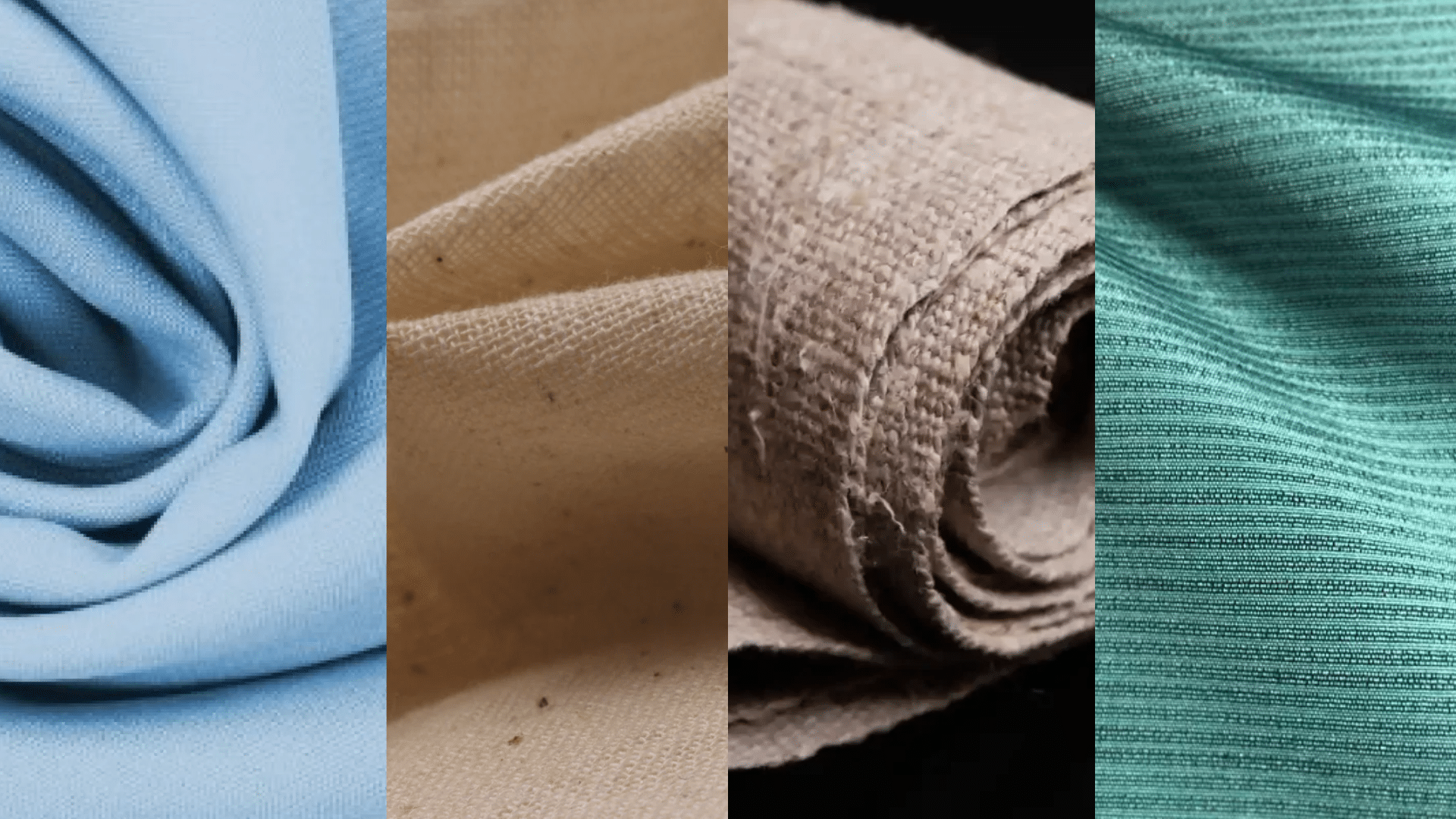
Here’s a concise comparison of polyester with cotton, bamboo/hemp, and recycled polyester, focusing on comfort, skin sensitivity, and environmental impact.
| Fabric | Polyester | Cotton | Bamboo/Hemp | Recycled Polyester |
|---|---|---|---|---|
| Comfort | Less breathable, traps heat | Soft, breathable, good for warm weather | Soft, breathable, moisture-wicking | Similar to polyester, fewer chemicals |
| Skin Sensitivity | May irritate sensitive skin | Gentle, hypoallergenic | Hypoallergenic, skin-friendly | Softer, fewer chemicals |
| Breathability | Low, can cause sweating | Highly breathable | Moisture-wicking, ideal for sensitive skin | More breathable than regular polyester |
| Environmental Impact | Non-biodegradable, high cost | Biodegradable, water-intensive | Low-impact, sustainable growth | Lower ecological footprint, less waste |
| Health Implications | Chemical exposure may cause irritation | Few health risks, except for pesticides | Gentle on skin, natural properties | Safer than virgin polyester, fewer chemicals |
This table summarizes the main differences to help you choose the fabric that best suits your comfort and environmental needs.
How to Make the Switch to Healthier Fabrics
Making the transition to healthier fabrics involves assessing your wardrobe, gradually switching to eco-friendly alternatives, and recycling old polyester items.
Assessing Your Wardrobe
Start by evaluating your current wardrobe for polyester-heavy items. Identify pieces that cause skin irritation or discomfort, and replace them with natural fabrics like organic cotton, hemp, or linen.
This step will help you understand which items need replacing and begin your journey toward healthier fabric choices.
Building a Sustainable Wardrobe
To build a sustainable wardrobe, begin by replacing essential items like underwear, socks, and outerwear with eco-friendly fabrics.
Gradually move on to other clothing categories as your budget allows. Opt for natural or recycled fabrics such as organic cotton, bamboo, or Tencel to reduce your environmental impact.
Recycling Old Polyester Clothing
Recycling polyester clothing helps reduce environmental impact. Look for textile recycling programs in your area or send garments to brands offering recycling services.
Donating old polyester items to charity or using specialized services to break them down into new fibers is an effective way to minimize waste.
Conclusion
Now that you understand how polyester is bad for you over time, it’s clear that while it’s not always harmful, prolonged exposure to chemicals and microplastics can lead to health issues.
You can reduce these risks by choosing safer fabrics, washing polyester properly, or switching to eco-friendly alternatives.
Don’t stop here, check out my other blogs for more tips on making better fabric choices for your health. You deserve to make informed decisions, and I’m here to help you with that.