












Living with kidney disease means rethinking foods that were never a concern before, and tomatoes are among the first to come up. For most people, they are a straightforward, healthy choice.
For someone managing chronic kidney disease (CKD), the question of whether kidney disease patients can eat tomatoes is worth understanding properly, not just avoiding them out of caution. The answer is not a flat no, and that matters.
What it requires is knowing which form of tomatoes to use, how much, and how to prepare them to keep potassium levels safe. Here, I break down the potassium risk, what the numbers mean, home preparation techniques to reduce potassium, and what to eat when tomatoes need to be limited.
Why Potassium Becomes a Problem With Kidney Disease
Healthy kidneys work continuously to regulate potassium levels in the blood, the same potassium that makes tomatoes valuable for muscle recovery, becomes a carefully managed variable when kidney function declines. When kidney function declines, that regulatory process breaks down.
Potassium starts to accumulate in the bloodstream rather than being excreted, leading to hyperkalemia, or abnormally high potassium levels in the blood. The consequences are not mild. Hyperkalemia can trigger dangerous heart rhythm disturbances, progressive muscle weakness, and, in severe, untreated cases, cardiac arrest.
This is why potassium intake is monitored in CKD management rather than left to chance. It is not about eliminating potassium entirely; the body still needs it, but about keeping levels within a range that damaged kidneys can still handle.
Not Every CKD Patient Needs to Restrict Potassium
Potassium restriction does not automatically apply to all CKD patients; the requirement depends on the kidney disease stage and individual blood test results.
- Stage 1–2 CKD: Potassium regulation is often still adequate. Restriction is generally not required unless blood results indicate otherwise.
- Stage 3–5 CKD: Potassium accumulates more easily as function declines. Monitoring and dietary restriction usually become necessary.
- Dialysis patients: Levels rise quickly between sessions. Stricter day-to-day dietary limits typically apply.
Always follow your renal dietitian, potassium requirements are determined by your individual blood results, not your CKD stage alone.
Two patients at the same stage can have completely different dietary needs.
How Much Potassium Is Actually in Tomatoes?
For CKD patients, the concern has never been carbs in tomatoes; it is entirely about how potassium concentrates as tomatoes are processed and concentrated across different forms.
Here is how the numbers break down across the most common tomato forms:
| Tomato Form | Serving Size | Potassium Content | Risk Level for CKD |
|---|---|---|---|
| Fresh medium tomato | 123g | ~292mg | Medium |
| Half a medium tomato | ~60g | ~145mg | Manageable |
| Tomato sauce | Half cup | 450–550mg | High |
| Tomato paste | Quarter cup | 600mg+ | Very high |
| Sun-dried tomatoes | Quarter cup | 900mg+ | Avoid |
The further tomatoes are processed and concentrated, the higher the potassium load, and the faster it pushes against a CKD patient’s daily limit.
Fresh tomatoes in small portions are manageable. Concentrated tomato products are where the risk escalates quickly and quietly.
Can CKD Patients Eat Fresh Tomatoes?
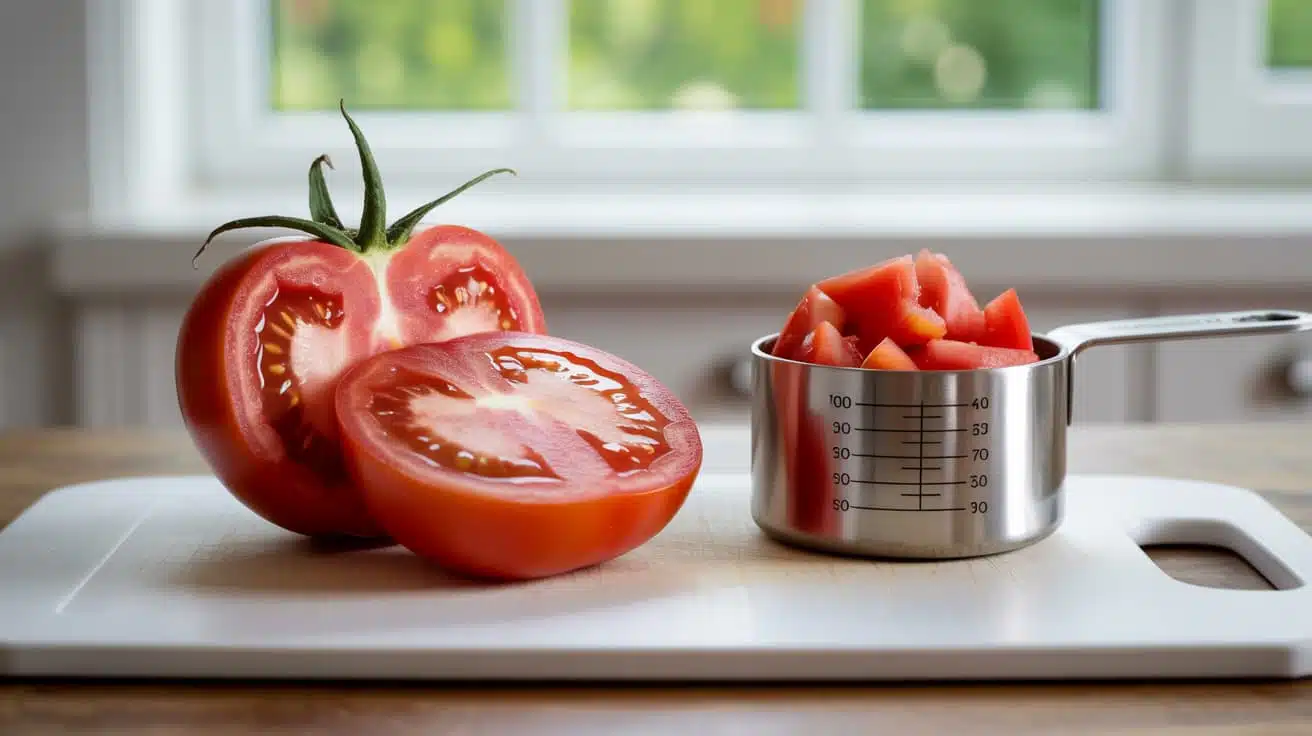
For many CKD patients, fresh tomatoes are not off the table; portion size and daily potassium intake determine if they fit. Half a medium tomato contains roughly 145mg of potassium.
Within a CKD diet where the daily limit typically falls between 2,000–2,500mg, that is a manageable number, as long as high-potassium foods are not stacking up across the rest of the day.
One or two cherry tomatoes in a salad is a very different situation from a bowl of tomato soup. Portion awareness is what keeps fresh tomatoes on the menu for most CKD patients, not elimination. A renal dietitian can calculate exactly how tomatoes fit into your individual daily potassium budget based on your current blood results.
How to Reduce Potassium in Tomatoes at Home
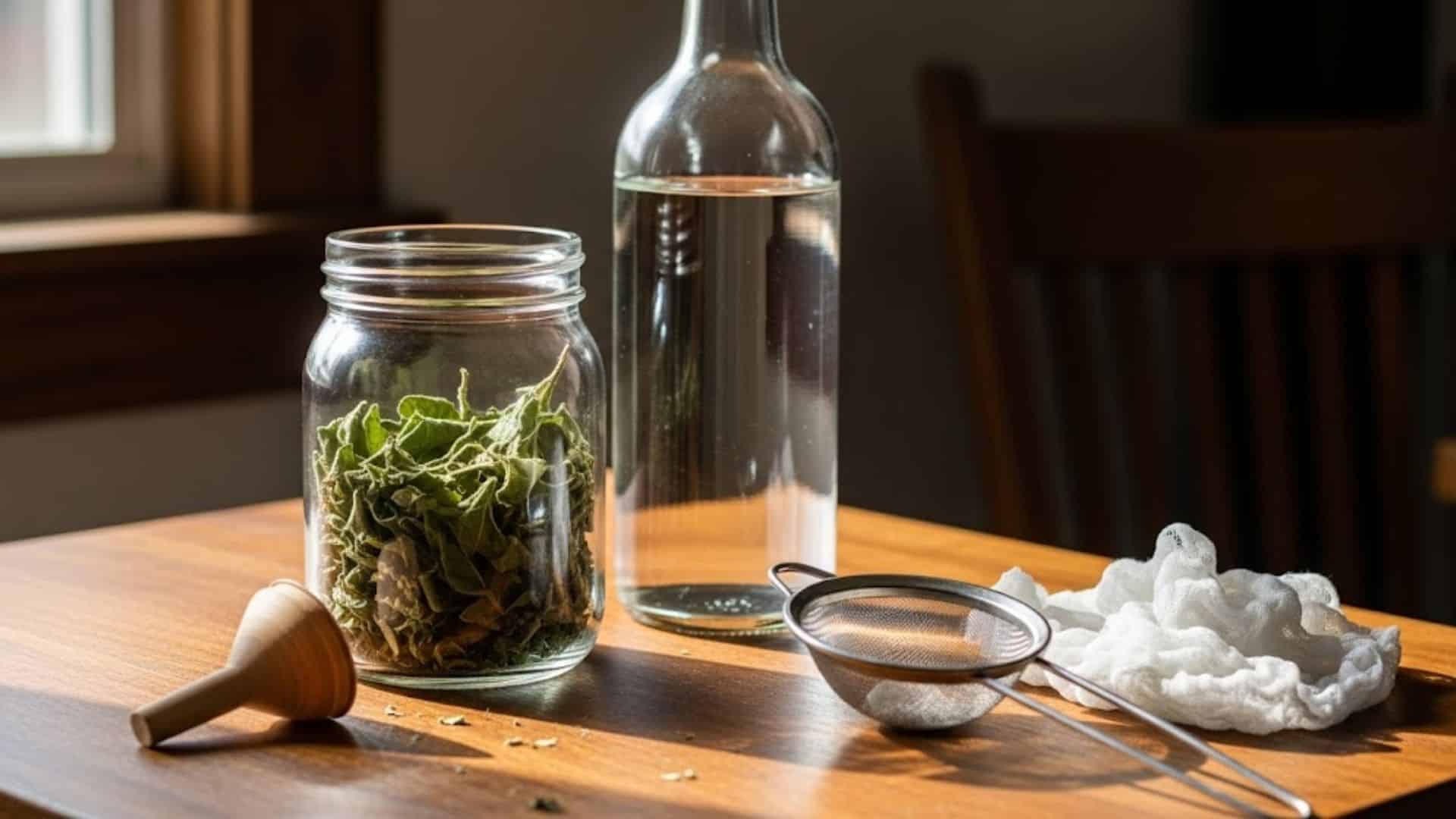
Leaching can reduce potassium content in tomatoes by 20–50%, making them more compatible with a restricted diet without eliminating them entirely. Here is how to do it at home:
- Peel the tomato: remove the skin completely
- Dice into small pieces: smaller pieces release more potassium
- Soak overnight: submerge in a large volume of cold water
- Drain and discard: pour the soaking water away completely
- Rinse thoroughly: run fresh cold water over the pieces
- Boil if required: discard that cooking water too
Leaching does not make tomatoes low in potassium, but it meaningfully reduces the load, often enough to make small portions workable.
Lower-Potassium Alternatives to Tomatoes
When tomatoes need to be significantly reduced or avoided, these alternatives replicate similar flavor profiles without the potassium load.
Here is how common tomato uses can be substituted:
| What You Are Replacing | Lower-Potassium Alternative |
|---|---|
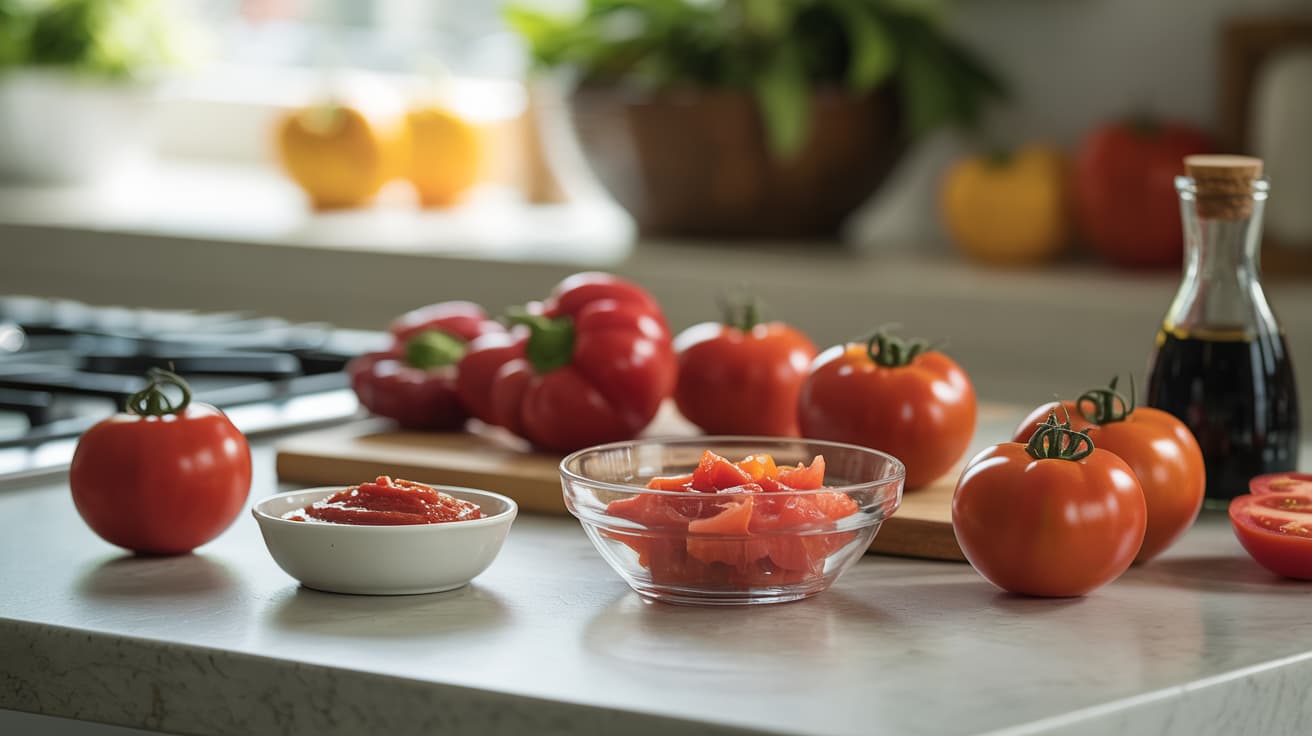
| Tomato colour and sweetness | Roasted red bell peppers |
| Acidity in dressings and sauces | A small amount of balsamic vinegar |
| Freshness and colour in salads | Cucumber or zucchini |
| Tomato base in pasta dishes | Olive oil, garlic, and fresh herbs |
Your renal dietitian can confirm appropriate amounts based on your individual blood results and daily potassium targets.
Hidden Tomato Sources in Packaged and Processed Foods
Tomatoes appear in far more packaged foods than most people realize, and for CKD patients on potassium restriction, these hidden sources accumulate quickly.
- Tinned and packet soups: tomato is one of the most common base ingredients
- Jarred pasta sauces: almost always tomato-heavy, regardless of the flavor label
- Ready meals and frozen dishes: tomato paste is frequently used as a base or seasoning
- Ketchup and salsa: small servings add up faster than expected
- Pizza sauce and flatbreads: often overlooked as a significant tomato source
- Canned baked beans: tomato sauce is a primary ingredient in most varieties
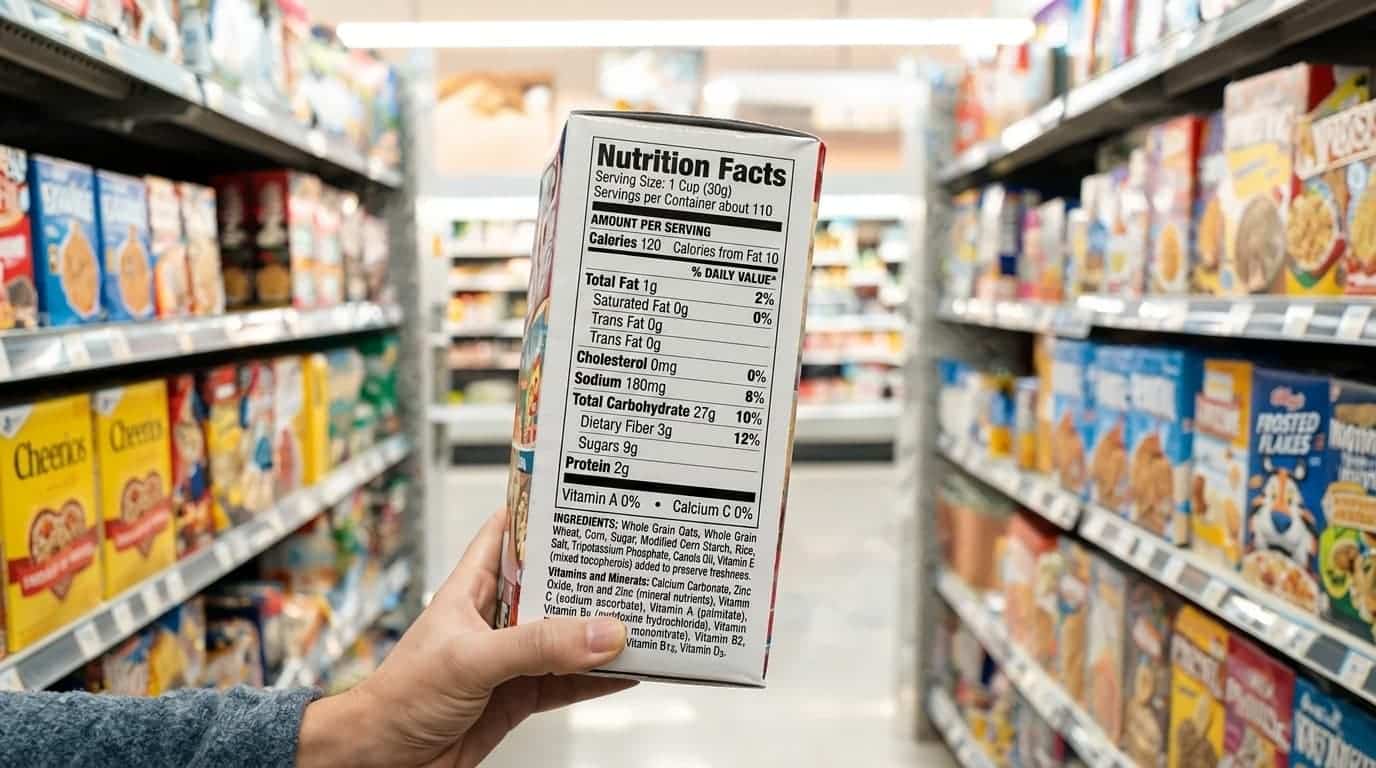
Reading labels carefully is one of the simplest and most effective habits a CKD patient can build into a daily routine.
Final Thoughts
Tomatoes are not off the table for CKD patients. The key is understanding portion size, preparation, and how tomatoes fit into your daily potassium budget.
Fresh tomatoes in small amounts are manageable for many patients. Concentrated forms like paste and sauce are where the risk builds quickly. Leaching reduces potassium meaningfully at home.
Hidden tomato sources in packaged foods are easy to overlook. Reading labels regularly makes a real difference.
Every CKD patient is different, and your blood results determine what works for you. A renal dietitian is the best person to guide that decision. Found this helpful? Drop a comment below and share what works for you.
Frequently Asked Questions (FAQs)
Is canned tomato worse than fresh for CKD?
Yes. Canning concentrates potassium significantly. Fresh tomatoes in small portions are always the safer choice for CKD patients over any canned tomato product.
Does cooking tomatoes change their potassium content?
Cooking concentrates potassium as water evaporates; it does not reduce it. Only leaching meaningfully lowers potassium in tomatoes.
How often should CKD patients check their potassium levels?
This depends on disease stage and individual risk. Most CKD patients have blood tests every 3–6 months, but those with unstable potassium levels may need more frequent monitoring.
Are green tomatoes lower in potassium than red ones?
Not significantly. Color reflects ripeness, not potassium content. Green and red tomatoes carry broadly similar potassium levels per gram.