












Ever wondered why cranberry juice tastes so sharp even in small sips? I often get asked if is cranberry juice acidic and what it means for daily drinking.
You may enjoy it for health reasons, but still worry about teeth, stomach comfort, or urinary health effects. I break down the acidity level, what causes the tartness, and how it may affect your body in simple terms.
You will also see when it helps, when it irritates, and how to drink it in a smarter, more balanced way. By the end, you will know what matters most before making it part of your routine.
Is Cranberry Juice Acidic?
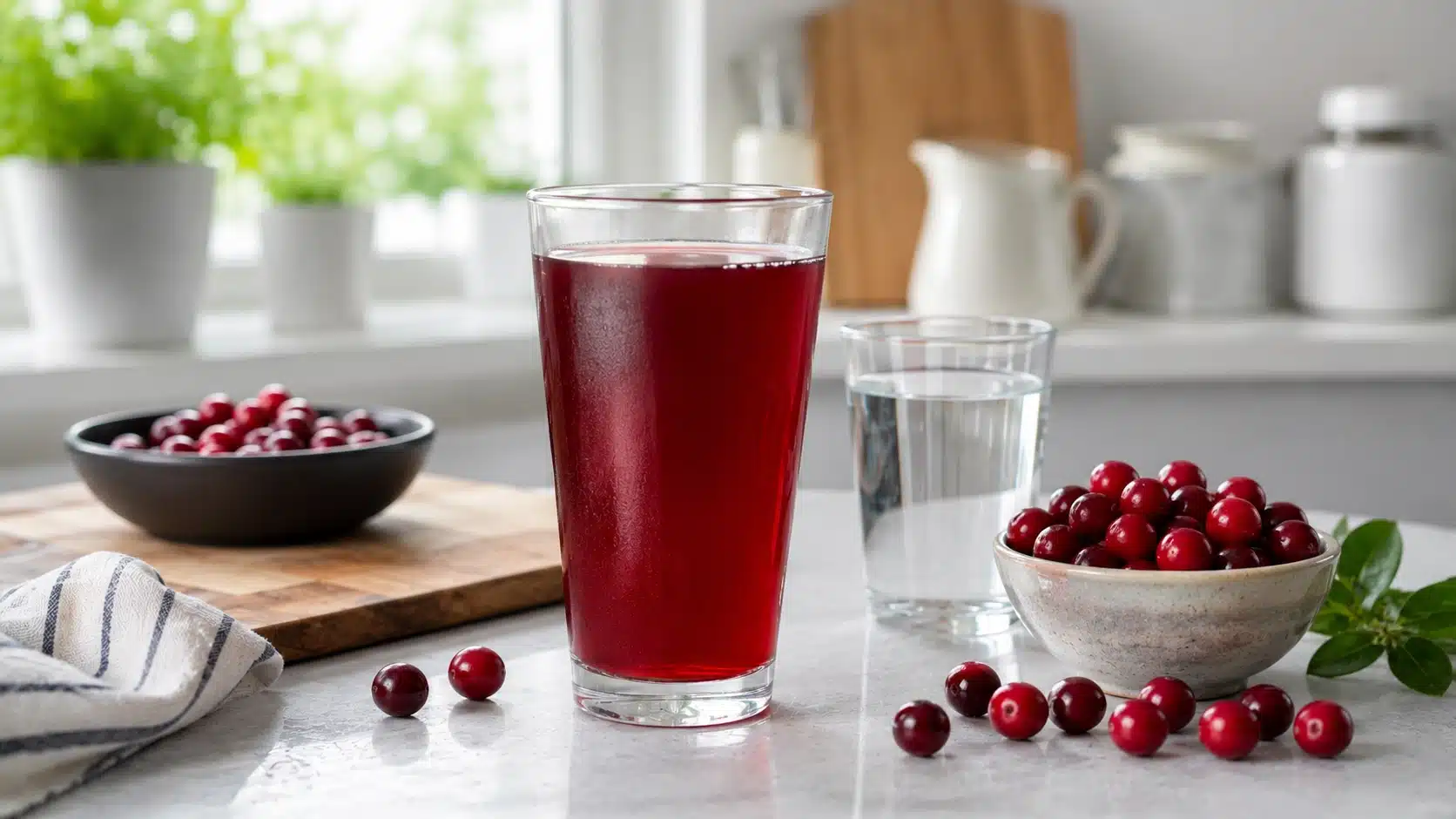
Cranberry juice has a pH between 2.3 and 2.5, which places it firmly in the highly acidic range, more acidic than orange juice (pH 3.5) and close to lemon juice (pH 2.0). That single number explains the sharp tartness in every sip and raises real questions about what regular consumption means for your teeth, stomach, and urinary health.
| Disclaimer: This article is for informational and educational purposes only. It does not constitute medical advice and should not replace consultation with a qualified healthcare provider. Always consult a doctor before making changes to your diet, supplement routine, or health practices. |
| Juice | Typical pH Range | Acidity Level |
| Cranberry juice | 2.3 to 2.5 | Highly acidic |
| Lemon juice | 2.0 to 2.6 | Highly acidic |
| Orange juice | 3.3 to 4.0 | Moderately acidic |
| Apple juice | 3.5 to 4.0 | Moderately acidic |
| Water | 7.0 | Neutral |
That pH range is not a formulation choice. It reflects what the fruit actually contains, and the acidity carries over directly into the juice. The table above puts cranberry in context: it sits near the most acidic end of the common juice spectrum.
What Makes Cranberry Juice So Acidic?
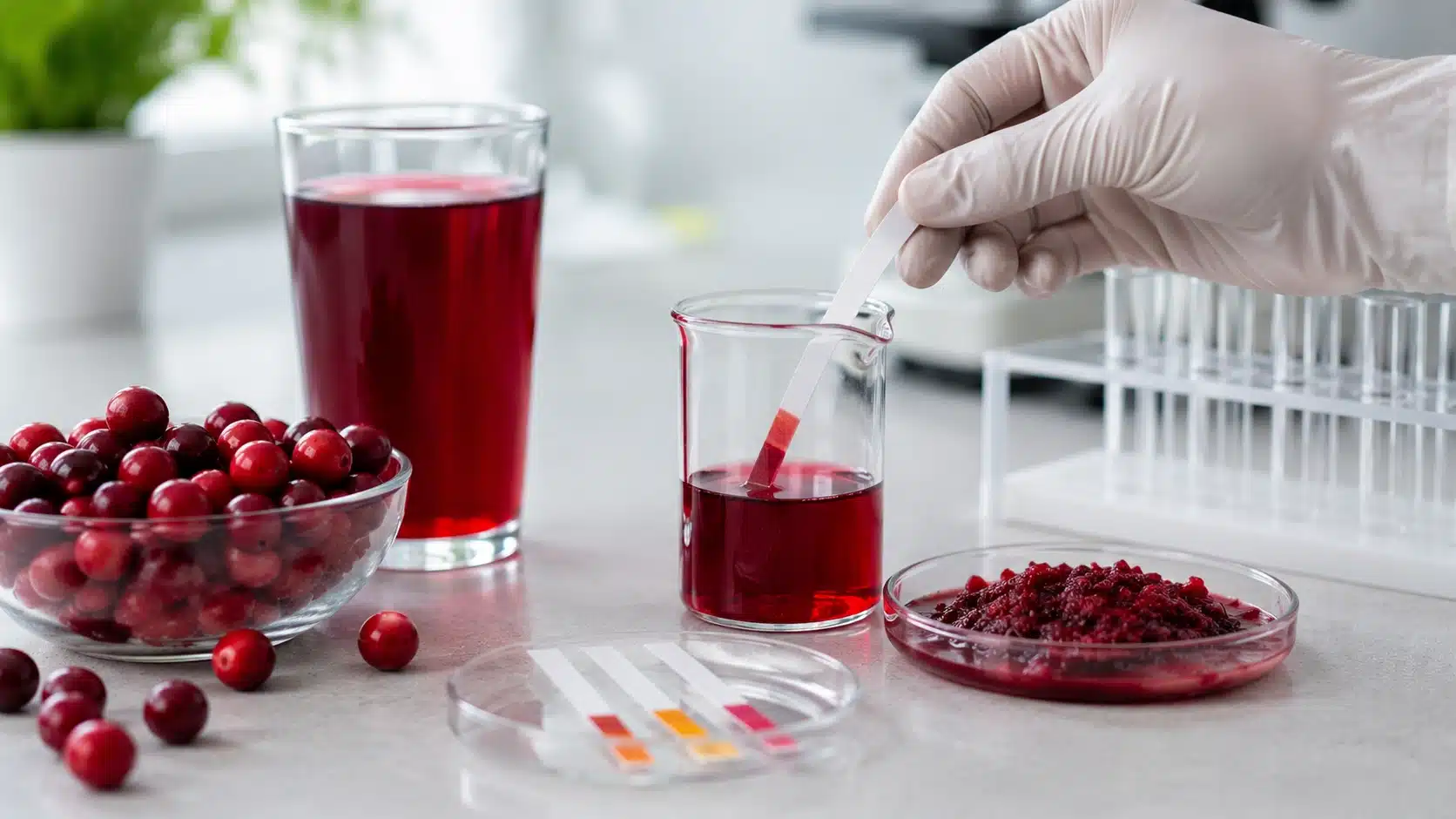
Cranberries grow naturally in acidic bogs, and their internal chemistry reflects that environment. The fruit contains four organic acids that collectively drive the low pH: quinic acid, malic acid, citric acid, and shikimic acid. These are not additives. They form as the berry develops, and they carry through fully into the juice.
Food scientists Victor Hong and Ronald E. Wrolstad documented the composition of these acids in a 1986 study published in the Journal of the Association of Official Analytical Chemists (Vol. 69, Issue 2). Their measurements, confirmed repeatedly since, showed a total organic acid content of approximately 2.1% w/v in pure cranberry juice.
| Acid | Approximate Amount | Flavor Role |
| Citric acid | 0.78% w/v | Sharp citrus edge |
| Quinic acid | 0.74% w/v | Dry tartness, the signature cranberry note |
| Malic acid | 0.53% w/v | Green-apple sourness |
| Shikimic acid | 0.03% w/v | Minor but distinct contribution |
| Total organic acids | ~2.1% w/v | The combined reason the juice is so tart |
Quinic acid is the most distinctive: it is the compound most responsible for cranberry’s signature dry bite, and it is present at levels far higher than in most other fruits. Sugar can mask that tartness, which is why cocktail versions taste smoother, but the underlying acid concentration in the cranberry portion does not change with sweetening.
Does Cranberry Juice Help Prevent UTIs?
This is where most people’s interest in cranberry juice actually lives, and the answer requires a precise distinction. Cranberry juice may reduce the risk of recurrent UTIs in some women. It does not treat an active UTI, and it does not work equally for everyone.
The National Center for Complementary and Integrative Health summarizes the current evidence as limited and inconsistent. Cranberry products may reduce repeat UTI risk in certain women, but the data is not strong enough to support a universal recommendation.
The U.S. Food and Drug Administration has issued a qualified health claim for specific cranberry products in this context, while noting the evidence remains limited.
The mechanism is not the acidity of the juice itself. The active compounds are proanthocyanidins, also called PACs, which research suggests may reduce the ability of E. coli to adhere to the walls of the urinary tract. If bacteria cannot stick, they are less likely to cause infection. That is a different biological process from acidic urine killing bacteria.
Cranberry is not the only fruit with a proposed role here; there are several fruits linked to urinary tract flushing that work through different mechanisms and are worth knowing alongside it.
| Note: Cranberry juice cannot treat an active UTI. Burning urination, pelvic pressure, cloudy urine, fever, or back pain require evaluation and, typically, antibiotics. According to MedlinePlus, delaying antibiotic treatment can allow infection to spread to the kidneys. Juice is a potential prevention support, not a treatment. |
PAC content varies significantly between products. Supplements and 100% juice tend to deliver more concentrated cranberry compounds than cocktails, which are mostly water and sweetener. If UTI prevention is the goal, product selection matters more than simply buying anything with “cranberry” on the label.
Is Cranberry Juice Good for Women’s Urinary Health?

Women face a lifetime UTI risk of roughly 50 to 60 percent, so this question is practical rather than theoretical. Cranberry juice may offer some support, but its role depends heavily on the situation, frequency of use, and individual response. It is not a universal solution and should be understood in context rather than as a guaranteed fix.
Recurrent UTI prevention shows the most relevance in research, especially for women who experience three or more infections per year. In these cases, consistent cranberry intake may help reduce bacterial adhesion in the urinary tract, but occasional use is not enough. Active infections still require medical treatment, and cranberry should never delay care.
For some women, bladder sensitivity may also lead to irritation because cranberry juice is acidic, making symptoms worse rather than better. Tracking personal response over time helps determine whether it is helpful or not.
How Cranberry Juice Affects Tooth Enamel
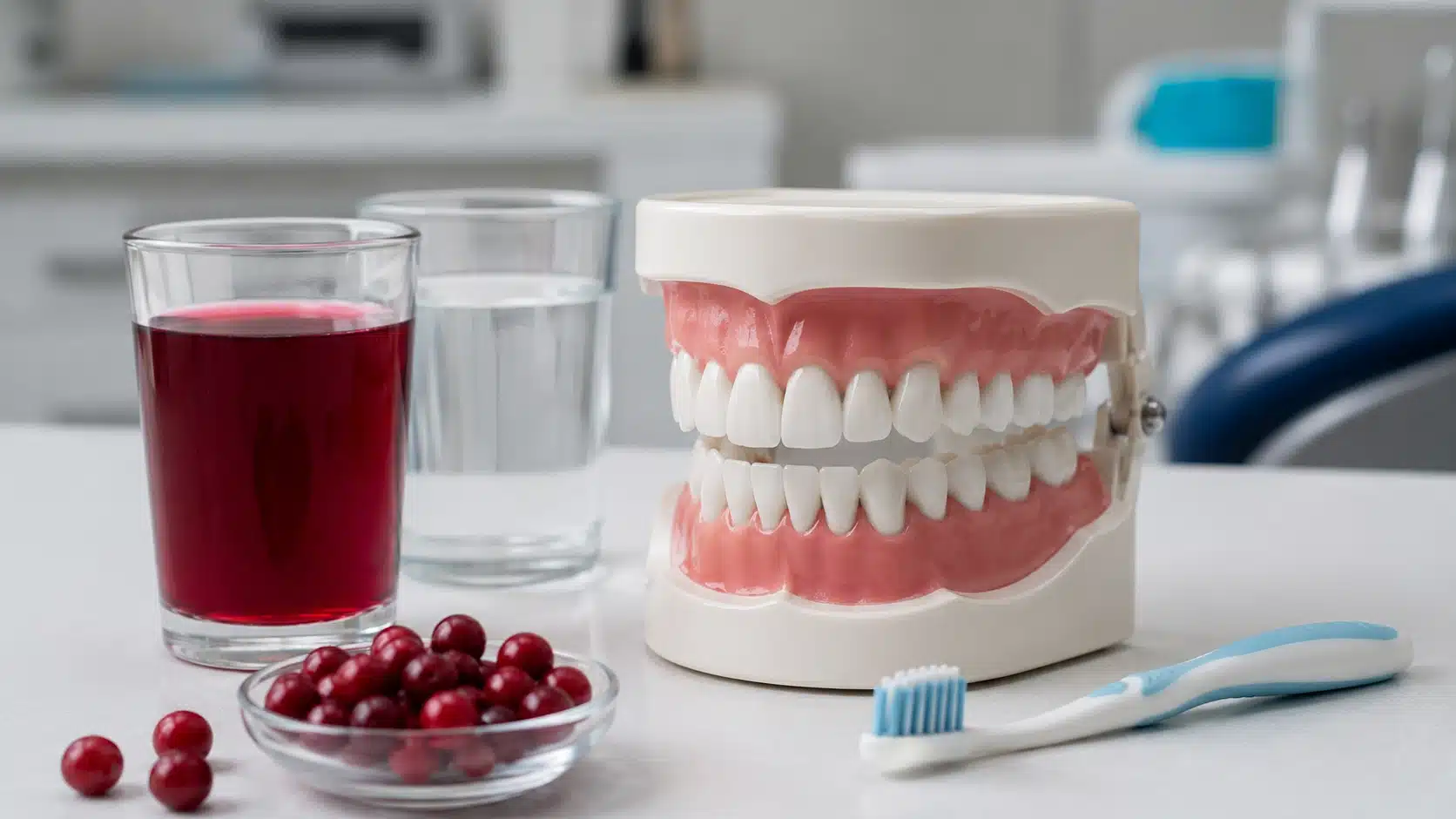
Enamel does not regenerate. That single fact makes the dental conversation worth taking seriously, especially for anyone drinking cranberry juice daily or between meals. The American Dental Association identifies frequent consumption of acidic beverages as a recognized contributor to dental erosion over time.
A single glass is not the problem. The problem is the pattern: how often the enamel is exposed, and for how long per exposure.
- Slow sipping extends acid contact time. Drinking a glass in ten minutes is meaningfully different from sipping the same volume over an hour. The longer the acid sits on enamel, the more opportunity it has to temporarily soften the surface.
- Sugar plus acid is a compounding problem. Sweetened cranberry drinks introduce both acid and the fuel for decay-causing bacteria. Those are two separate damage mechanisms operating simultaneously.
- Brushing immediately after is counterproductive. Enamel that has been temporarily softened by acid contact is more vulnerable to abrasive friction, not less. Waiting thirty minutes before brushing reduces that risk.
- A water rinse after drinking clears surface acid. This takes seconds and reduces lingering acid exposure without requiring any product change.
These are simple behavioral adjustments that do not require cutting cranberry juice out. They require drinking it with more intention than most people apply to any beverage. That same intentionality matters for the stomach too.
Can Cranberry Juice Trigger Acid Reflux or Stomach Irritation?
For people with GERD, acid reflux, or a sensitive stomach lining, cranberry juice is one of the more reliably irritating beverages. The low pH creates direct acid contact with an esophagus that is already prone to inflammation. This can present as heartburn, a sour aftertaste, or upper abdominal discomfort within thirty to sixty minutes of drinking. People actively managing reflux tend to do better with a structured acid reflux meal plan that maps which drinks and foods are tolerated at what times.
Sweeter cranberry cocktails may taste milder, but they do not solve the underlying pH problem. The sugar softens the perception of tartness without meaningfully raising the pH of the cranberry portion. For anyone managing reflux, the ingredient list matters more than the taste. A drink that is easy to sip is not necessarily easy on the stomach.
Smaller servings, consumed with food rather than on an empty stomach, tend to reduce the reflux trigger effect. If symptoms appear consistently after cranberry juice regardless of portion size, that is a clear signal to stop and discuss it with a clinician rather than adjusting technique further.
Cranberry Juice vs. Cranberry Cocktail: Which One to Choose?
These look similar on a store shelf and differ substantially in what they contain. For anyone using cranberry with a specific health goal, the product type determines whether the goal is achievable.
| Product Type | What It Contains | Best For | Watch Out For |
| 100% cranberry juice | Pure, tart, unsweetened or minimally processed | Concentrated PAC and polyphenol intake | Very acidic, difficult to drink straight |
| 100% cranberry juice blend | Cranberry mixed with other juices, no added sugar if labeled correctly | Milder taste with meaningful cranberry content | May be mostly apple or grape juice by volume |
| Cranberry juice cocktail | Diluted and sweetened, roughly 28% cranberry content | Taste and casual drinking | Added sugar, lower PAC concentration |
| Cranberry supplement | Concentrated cranberry extract in capsule form | Targeted UTI prevention with no sugar load | PAC content and standardization vary by brand |
A bottle labeled “cranberry juice” can legally contain far less actual cranberry than the name suggests if other juices, water, or sweeteners make up most of the volume. Checking the ingredient list and the added sugars line on the nutrition label is more reliable than reading the front of the bottle.
Other Health Benefits of Cranberry Juice
Beyond the UTI discussion, cranberry juice delivers some nutritional value that is worth noting, with the important caveat that the product type determines how much of that value actually makes it into the glass.
| Benefit | What the Research Shows | What to Check on the Label |
| Polyphenols and antioxidants | Cranberry polyphenols, including PACs and anthocyanins, may support antioxidant activity and cardiovascular health, per research published through the National Institutes of Health | Higher cranberry content, less added sugar |
| Vitamin C | Many cranberry juices provide a meaningful percentage of the daily vitamin C requirement, though amounts vary significantly by brand and processing method | Nutrition label, vitamin C percentage |
| Fluid intake | A small serving counts toward daily hydration, particularly useful for people who do not drink enough water | Lower sugar options for daily use |
These benefits hold up best in 100% juice products consumed in controlled portions. A large daily glass of sweetened cranberry cocktail adds significant sugar alongside the nutritional value, which is a trade-off worth thinking through clearly before making it a daily habit.
Who Should Be Careful With Cranberry Juice?
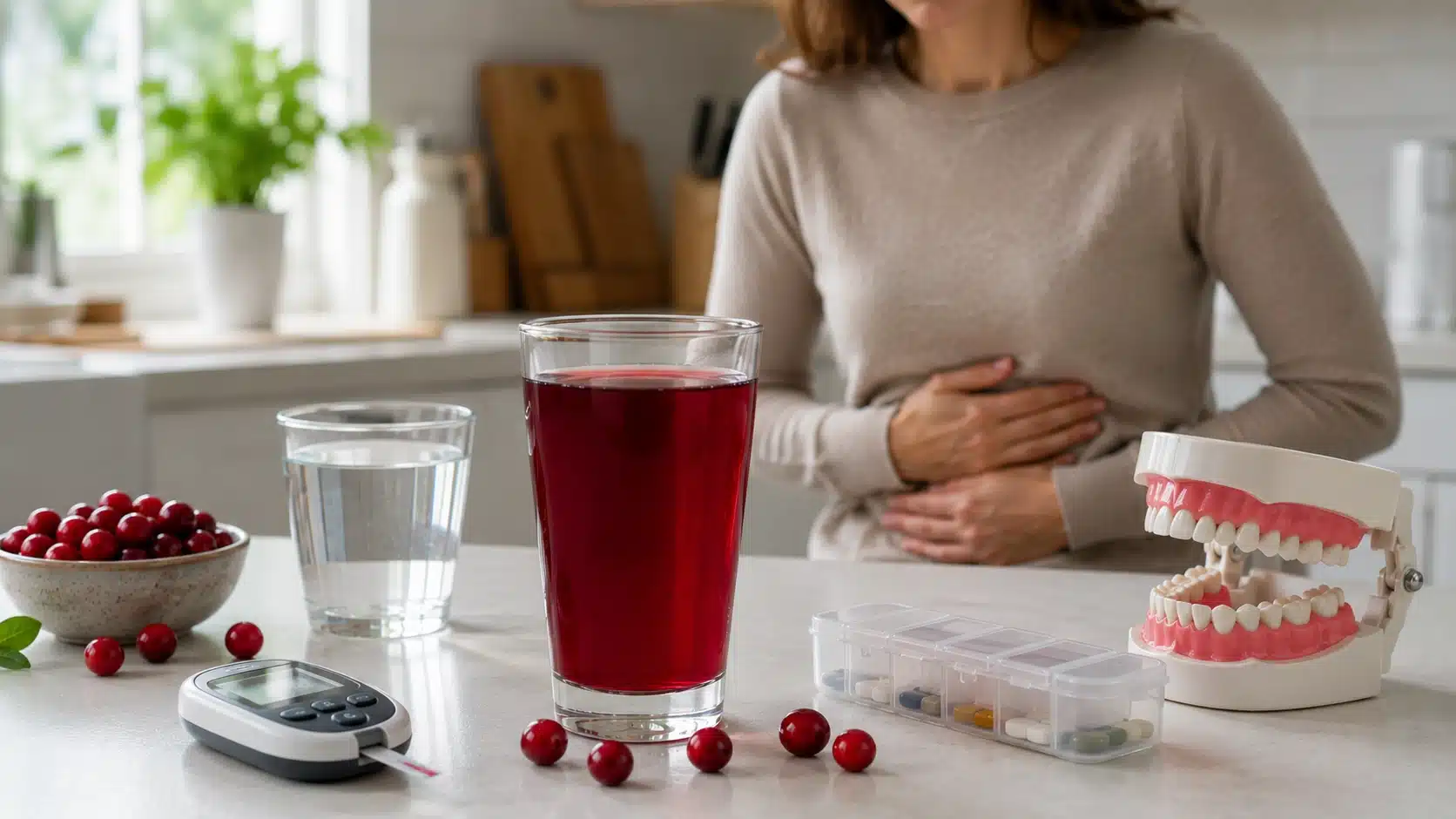
Cranberry juice is generally safe for most healthy adults in reasonable amounts. Several groups, however, should approach it with more care than the average person.
- People with GERD or acid reflux: Start with a small portion of no more than four ounces and notice whether symptoms appear within an hour of drinking.
- People with sensitive bladders or interstitial cystitis: Acidic liquids can increase urgency and discomfort in this population. Stop or reduce intake if symptoms worsen.
- People with significant enamel wear: Avoid slow sipping and rinse with water immediately after drinking. Consider a straw to reduce tooth surface contact.
- People monitoring blood sugar: Cranberry cocktails can carry 25 to 30 grams of sugar per serving. Read the added sugars line before making it a daily drink.
- People with active UTI symptoms: Seek testing and appropriate treatment. Do not substitute juice for care when infection signs are present.
- People taking warfarin or other blood thinners: Large, consistent cranberry intake may interact with anticoagulant medications. Discuss with a prescribing clinician before making cranberry a daily supplement.
The point is not that cranberry juice is risky for everyone. It is that matching the drink to the individual’s health situation, serving size, and actual goal determines whether it helps or creates unnecessary friction.
How to Drink Cranberry Juice More Intentionally
Most people who run into problems with cranberry juice are not drinking the wrong product. They are drinking the right product in ways that create preventable friction with their teeth, stomach, or blood sugar. These adjustments take the same juice and make it work better.
- Choose unsweetened or low-sugar options for regular daily use, reserving cocktail versions for occasional drinking.
- Keep portions to four to eight ounces per serving rather than drinking from a large glass continuously.
- Drink with a meal if acidic liquids tend to trigger stomach discomfort when consumed alone.
- Rinse the mouth with plain water after drinking to clear acid from tooth surfaces.
- Use a straw if dental sensitivity is already a concern, which reduces acid contact with enamel.
- Dilute pure cranberry juice with water if the flavor is too sharp to drink comfortably.
- If UTI symptoms appear, contact a clinician rather than increasing juice consumption.
Frequently Asked Questions
Is Unsweetened Cranberry Juice More Acidic Than Cranberry Cocktail?
Both contain cranberry in the acidic pH 2.3 to 2.5 range. Unsweetened juice tastes sharper because there is no added sugar to soften the perception of tartness, but the underlying acidity of the cranberry component is similar across product types. The cocktail is more diluted and sweetened, which changes the taste and the PAC concentration, not the fundamental acid chemistry of the cranberry itself.
Does Cranberry Juice Make Bladder Irritation Worse?
It can, particularly in people with interstitial cystitis or overactive bladder. The acidity that may deter bacteria from adhering to healthy urinary tissue can also irritate already-sensitized bladder tissue. If urgency, pressure, or burning increases after starting cranberry juice, stop for two weeks, note whether symptoms improve, and bring that observation to a clinician.
Which Juice Is Less Acidic Than Cranberry Juice?
Apple juice (pH 3.5 to 4.0), pear juice, peach juice, and most vegetable-based juices sit at a significantly higher pH and create less acid load for people managing reflux, enamel sensitivity, or bladder irritation. Cherry juice falls in the moderately acidic range and is worth considering for people who want fruit juice with somewhat lower acid exposure, along with its own documented anti-inflammatory properties.
Can Cranberry Juice Cure a UTI?
No. This is the single most important misconception to correct. Cranberry juice is studied for UTI prevention in people prone to recurrent infections, not for treating an active infection. A confirmed UTI requires clinical evaluation and, in most cases, antibiotic treatment. Using juice as a substitute for that care while symptoms are present can allow the infection to progress and potentially spread to the kidneys. If kidney health is a separate concern alongside urinary comfort, the evidence on cranberry juice and kidney health covers that question specifically.
Does Cranberry Juice Change Urine pH?
Its effect on urinary pH is modest and inconsistent across studies. The primary mechanism behind any UTI benefit is the PAC compound reducing bacterial adhesion, not the juice acidifying the urine enough to kill bacteria. People sometimes assume that if juice is acidic, it must make urine acidic enough to be bactericidal. The research does not support that chain of reasoning.
Is Cranberry Juice Safe to Drink Every Day?
For healthy adults without GERD, sensitive bladders, or enamel concerns, small daily portions of lower-sugar cranberry juice are generally well tolerated. A four-to eight-ounce serving of unsweetened or low-added-sugar juice fits comfortably alongside a meal for most people. Larger daily volumes, particularly from sweetened cocktails, introduce a sugar load that outweighs the nutritional benefit for most health goals.
Final Thoughts
Cranberry juice stands out for its sharp taste because it naturally carries strong organic acids. That acidity explains why I see questions about digestion, tooth sensitivity, and urinary comfort so often.
You have learned how the pH level works, what creates the tartness, and how it affects the body differently for each person. You also know that cranberry juice is not a treatment for infections, even if it may support prevention in some cases.
Understanding is cranberry juice acidic helps you choose better products, control portions, and avoid unnecessary discomfort in daily use.
I’d like you to think about how you currently drink it and share your experience or try a small adjustment next time.