










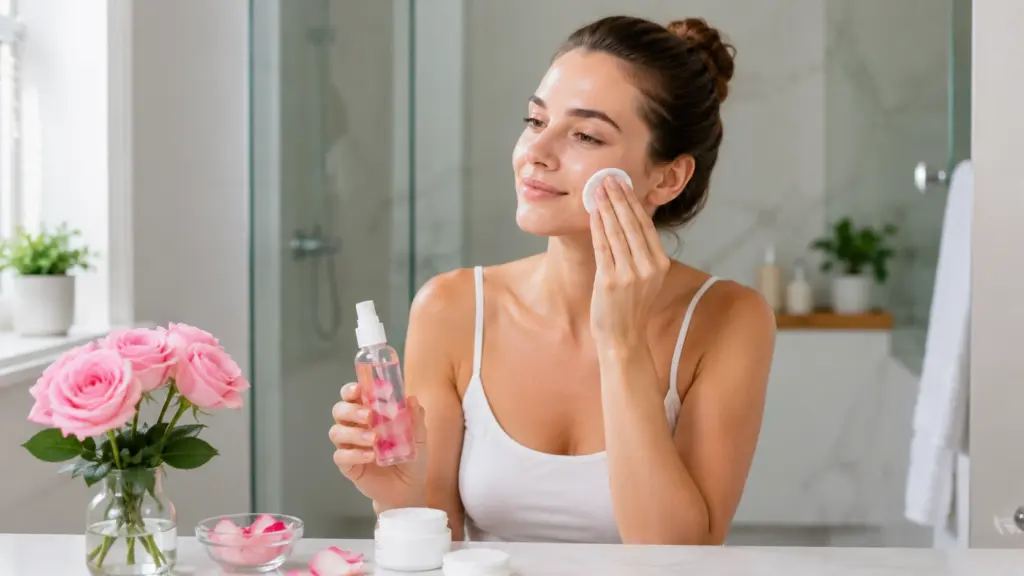

Is your countertop cluttered with hyped-up skincare products that promise a flawless complexion but leave your skin stinging and red? It is incredibly frustrating to invest time and money into a routine, only to end up with a disrupted skin barrier.
If you are wondering, is rose water good for your face, the honest answer depends entirely on the specific formula you choose and how you apply it.
I want to cut through the marketing noise to give you the exact science behind this ancient botanical.
By the end of this guide, you will understand the genuine biological benefits of true rose hydrosols, exactly who should avoid them, and how to safely craft your own batch right at home.
| Disclaimer: This article is for informational and educational purposes only. It does not constitute medical advice and should not replace consultation with a qualified healthcare provider. Always consult a doctor before making changes to your skincare routine, especially if you have a diagnosed skin condition. |
What Rose Water Actually Is
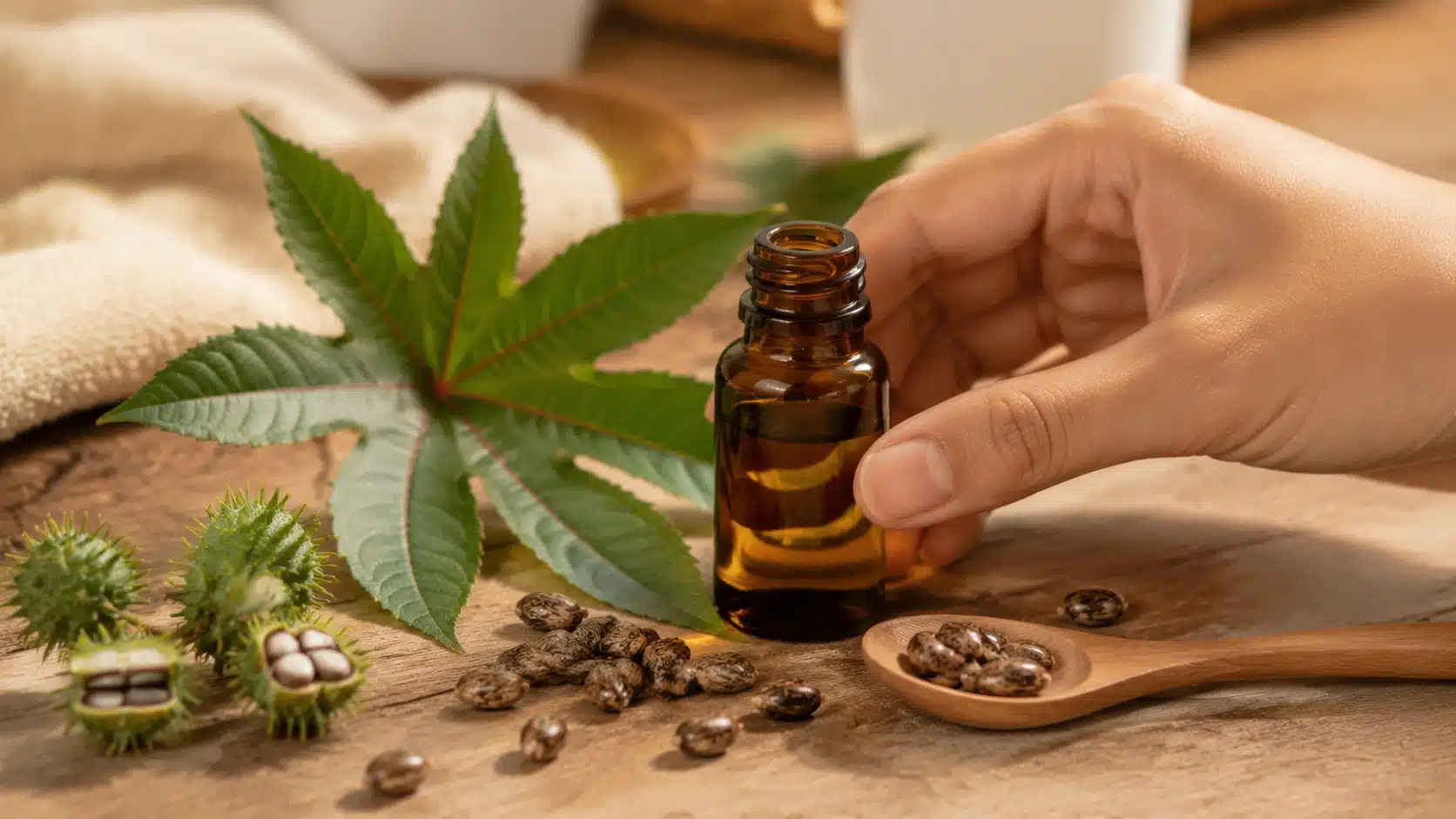
True rose water, known in herbalism as a hydrosol, is collected during steam distillation of rose petals, typically from Rosa damascena or Rosa centifolia.
Steam passes through the petals, and the condensed water captures gentle plant compounds: flavonoids, terpenes, and trace volatile molecules like citronellol and geraniol. This is not the same as water scented with rose fragrance or diluted rose extract, even though both are sold under the label “rose water.”
| Common Name | Scientific Name | Active Compounds | Traditional Use | Evidence Level |
| Rose Water (Hydrosol) | Rosa damascena or Rosa centifolia | Flavonoids, terpenes, citronellol, geraniol | Skin soothing, toning, and cooling; used in Ayurvedic and Persian medicine for centuries | Preliminary to Moderate |
That profile matters when you go to buy a product. The ingredient list tells you everything: look for damascena flower water or centifolia flower water listed first. If alcohol appears near the top or the product is heavily perfumed, the therapeutic value drops sharply, and the risk of irritation rises.
Benefits of Rose Water for Skin
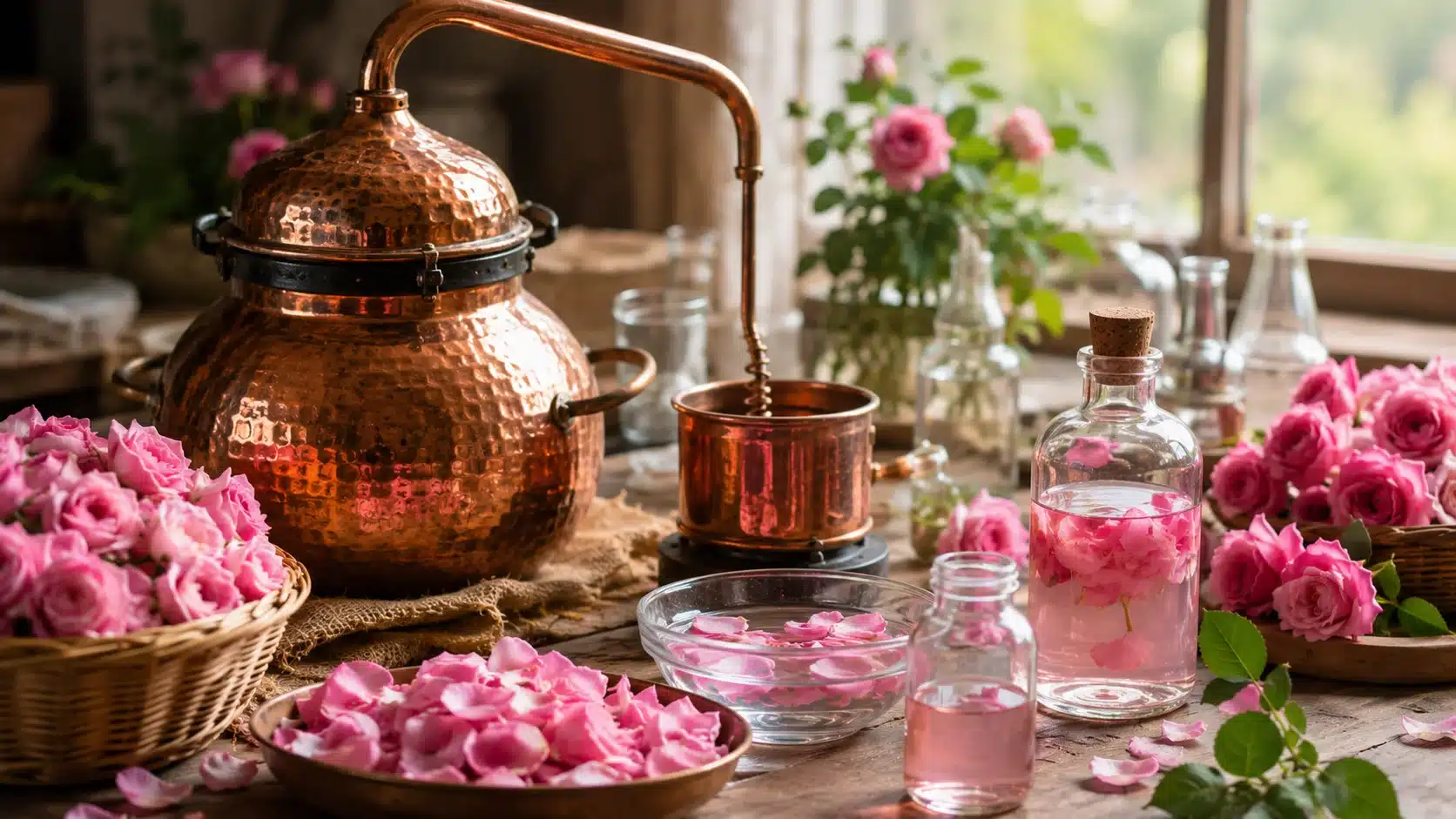
These are not marketing claims. Each benefit here is tied to what the compounds in genuine rose hydrosol actually do. I have also been clear about where the evidence is preliminary versus well-supported, because that distinction matters when you are deciding whether this belongs in your routine.
1. Anti-Inflammatory Action on Reactive Skin
Rose water applied to the skin has shown measurable anti-inflammatory effects in published research. A 2018 study found that topical application following sun exposure reduced a specific inflammatory signaling pathway in skin cells.
That pathway, when left unchecked, drives persistent redness and tissue irritation. For people whose skin reacts easily to cleansers, heat, or shaving, this is the most useful thing rose water reliably does.
2. Reduces the Appearance of Facial Redness
Related to the anti-inflammatory mechanism above: when surface inflammation is calmed, the face simply looks less flushed. This is most noticeable for redness caused by dryness, temporary heat, or mild post-cleanse irritation.
It is not a treatment for rosacea or eczema. If redness is persistent, spreading, or painful, that requires a dermatologist, not a mist bottle.
3. Light Surface Hydration Before Moisturizer
Rose water adds a thin layer of moisture to the surface of the skin. On its own that layer evaporates quickly, which is why every application needs to be followed immediately with a moisturizer.
Applied correctly, in the right sequence, it makes dry or stripped skin feel softer before your serum or cream goes on. Think of it as a prep step, not a standalone hydrator.
4. Antioxidant Activity from Flavonoids
Flavonoids in Rosa damascena have demonstrated free radical scavenging activity in laboratory studies. Free radicals generated by pollution, UV exposure, and everyday oxidative stress contribute to accelerated skin cell aging.
Rose water is not a potent antioxidant treatment compared to dedicated vitamin C or niacinamide serums, but it does add a gentle layer of antioxidant support as part of a broader routine. This is one area where the difference between a true hydrosol and a scented rose water product is significant: most of the flavonoids are in the genuine distillate.
5. Gentle Toning After Cleansing
Rose water can restore a comfortable, slightly damp feel to the face after cleansing, without stripping it further.
Unlike alcohol-based toners, which are common in drugstore formulas and frequently damage the skin barrier with repeated use, a simple rose hydrosol does not disrupt surface pH in the same way. It prepares the skin for the next step in a routine without adding another active ingredient to the stack.
6. Supports Skin Barrier Comfort
The skin barrier works best when it stays slightly hydrated and not over-stripped. Rose water, used between cleansing and moisturizer, helps maintain that comfort zone. It does not repair a compromised barrier on its own; for that, you need ceramides and occlusives.
But as part of a simple, gentle routine, it reduces the window between cleansing and moisturizing when the barrier is most exposed.
7. Antimicrobial Properties from Rose Compounds
Research on Rosa damascena extract has shown measurable antimicrobial activity, with bacterial counts decreasing as concentration increases.
In practice, this means true rose water may offer mild antimicrobial support on the skin surface, which is relevant for people prone to surface congestion or minor irritation from bacteria. It is not a substitute for proven acne treatments like benzoyl peroxide or salicylic acid, but it is a gentler option for non-acne skin that simply needs to stay clean and calm.
8. Cooling and Refreshing Effect
The volatile compounds in rose hydrosol, particularly citronellol, produce a cooling sensation on application. In hot or humid conditions, or after outdoor activity, this makes rose water genuinely useful as a midday mist.
The effect is immediate and mild, lasting a few minutes rather than hours. Keep the bottle in a cool place for a stronger cooling result.
9. Smoother Makeup Application Base
When the skin is dry or tight, foundation and tinted products often look uneven and settle into fine lines. A light application of rose water before moisturizer or primer gives the skin a softer, more hydrated surface for makeup to grip.
Do not overdo it: too much moisture before makeup leads to slippage. A single light pass and 30 seconds to absorb is enough.
10. Mood and Sensory Calming
Aromatherapy research has documented that rose scent, including that from Rosa damascena, can reduce perceived stress and promote a calming effect through olfactory pathways.
A genuine hydrosol has a subtle, natural rose scent that contributes to this effect. This is the most anecdotal benefit on this list, but it is worth naming honestly rather than leaving it off entirely. Skincare rituals that feel pleasant tend to be sustained, and that consistency is what produces results.
| Herbalist Tip: The difference between a true rose hydrosol and a scented rose water product is not cosmetic. Genuine distillates from Rosa damascena carry the active flavonoid and terpene content. A bottle listing “fragrance” or “rosa damascena extract” near the bottom of the ingredient list is, in effect, just scented water. |
How to Use Rose Water on Your Face: Methods and Steps
Rose water for the skin works best when applied lightly and always followed by moisturizer. Here are the most practical ways to use it, each suited to a different part of the day or routine.
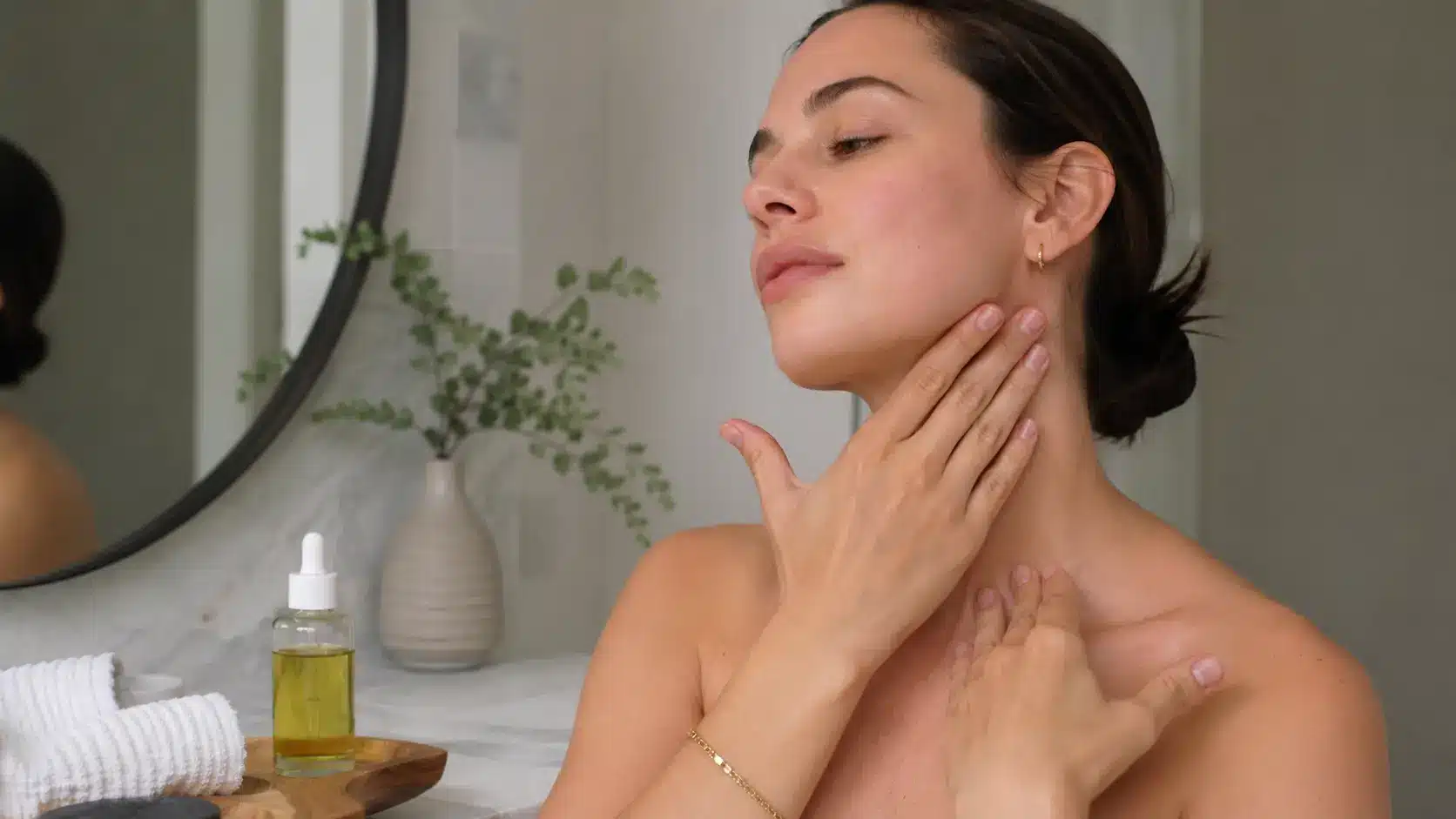
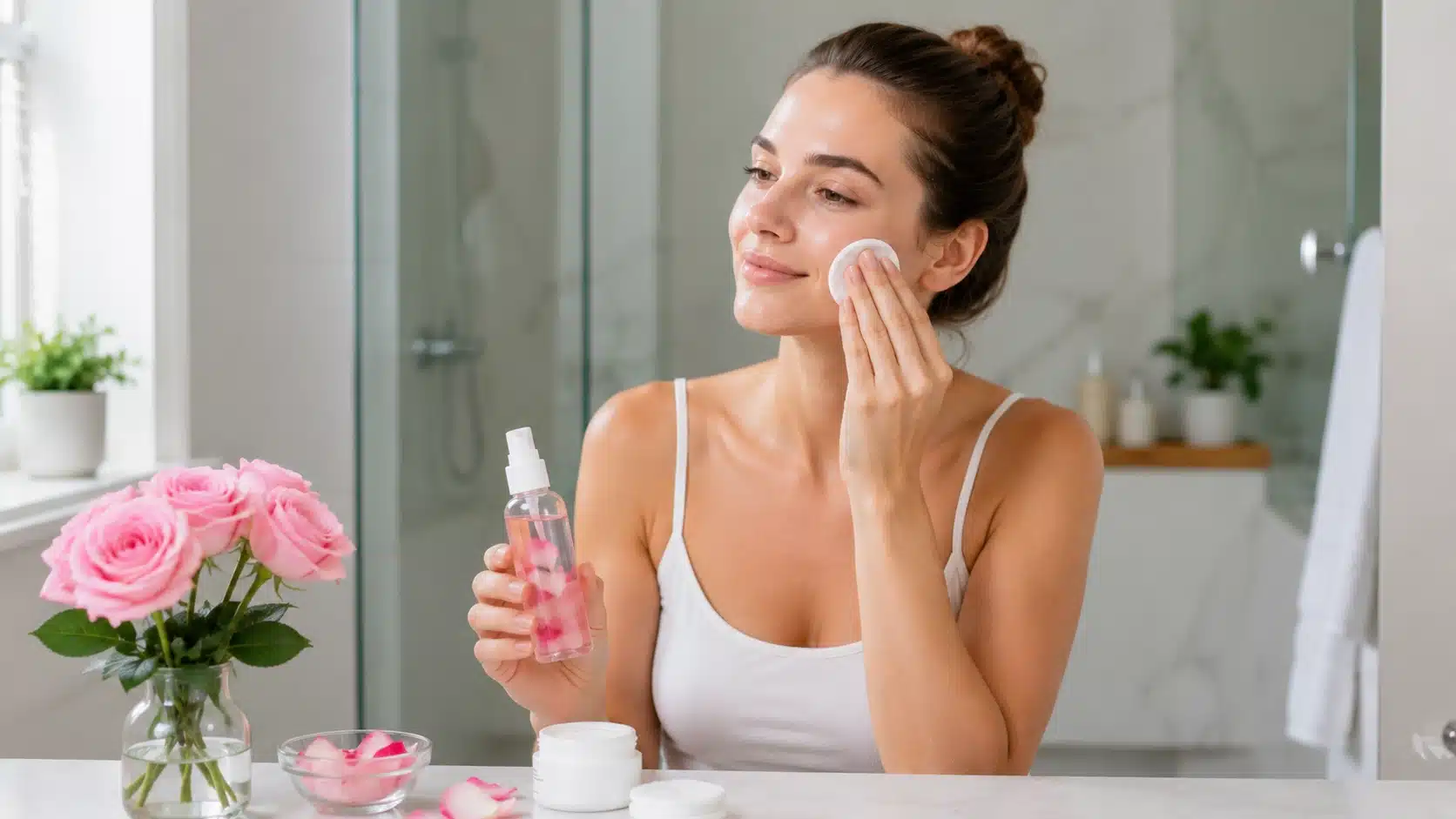
1. As a Toner After Cleansing
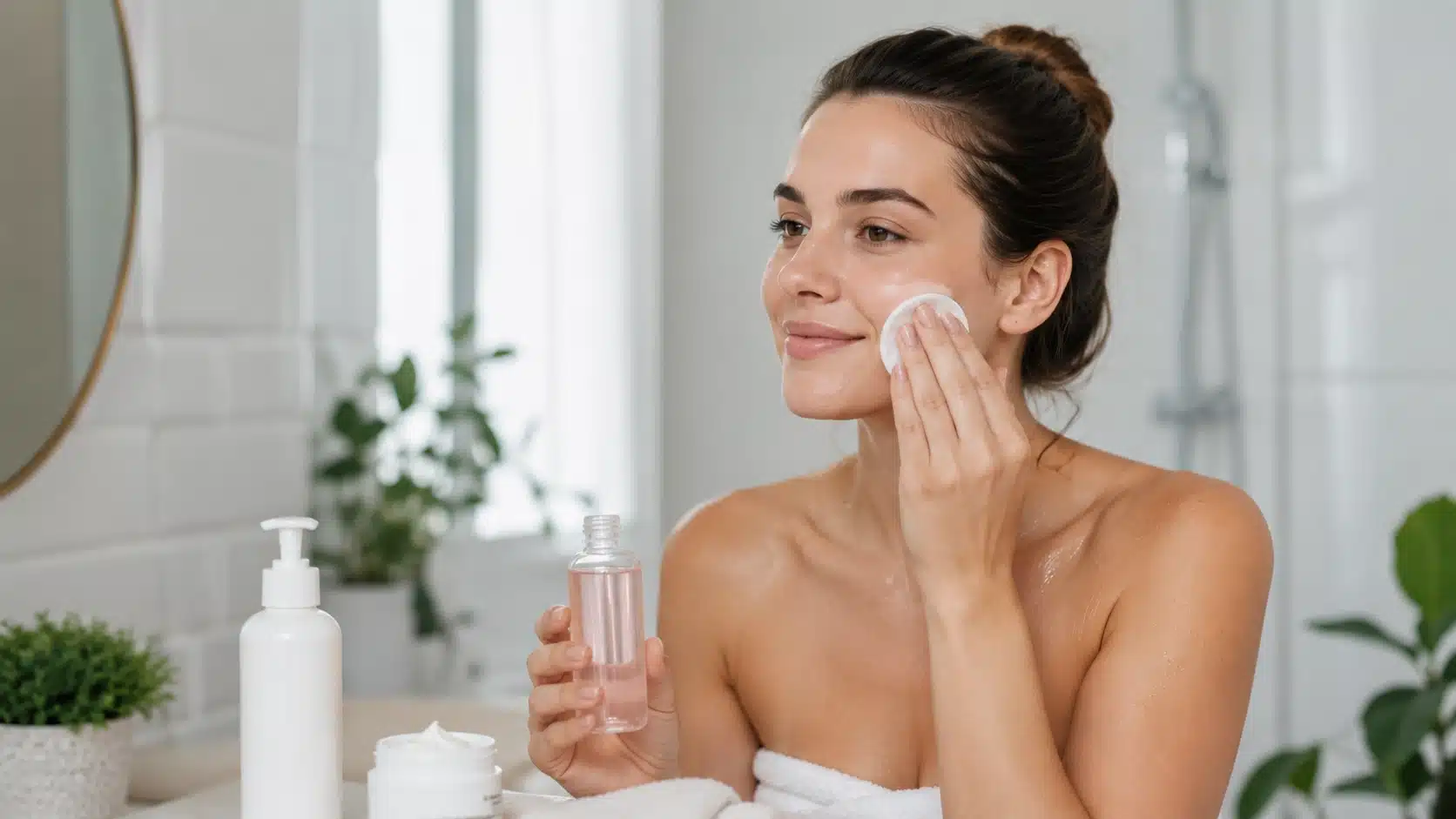
Using rose water as a toner works best when your skin feels a little dry or tight after washing. It gives your face a soft, damp base before serum or moisturizer, without using strong acids.
- Wash your face with your regular cleanser, and pat dry gently with a clean towel, leaving the skin slightly damp
- Pour a small amount of rose water onto a cotton pad or into clean hands
- Apply lightly across the face, moving from the center outward, avoiding the eye area if the skin there is sensitive
- Wait 20 to 30 seconds before applying serum or moisturizer so the rose water can settle
Follow immediately with your regular moisturizer while the skin still feels slightly damp to seal in the hydration.
This method is best for morning or night use after cleansing. Keep the layer light. If your skin feels sticky, tight, or warm afterward, use less product or switch to a simpler formula.
2. As a Midday Mist

A rose water mist is useful when your face feels warm, dull, or tired during the day. It gives a quick, fresh feel, but it should not replace moisturizer or sunscreen.
- Hold the spray bottle approximately 20 to 25 centimeters from the face
- Close the eyes and mist lightly across the forehead, cheeks, and chin in one or two short bursts
- Let it settle for a few seconds rather than rubbing it in
If skin feels dry after the mist evaporates, apply a small amount of moisturizer on top rather than misting again
This works best as a quick refresh, not something to repeat all day. Too much misting can leave dry skin feeling tighter, especially in air conditioning or dry weather.
3. As a Cooling Compress
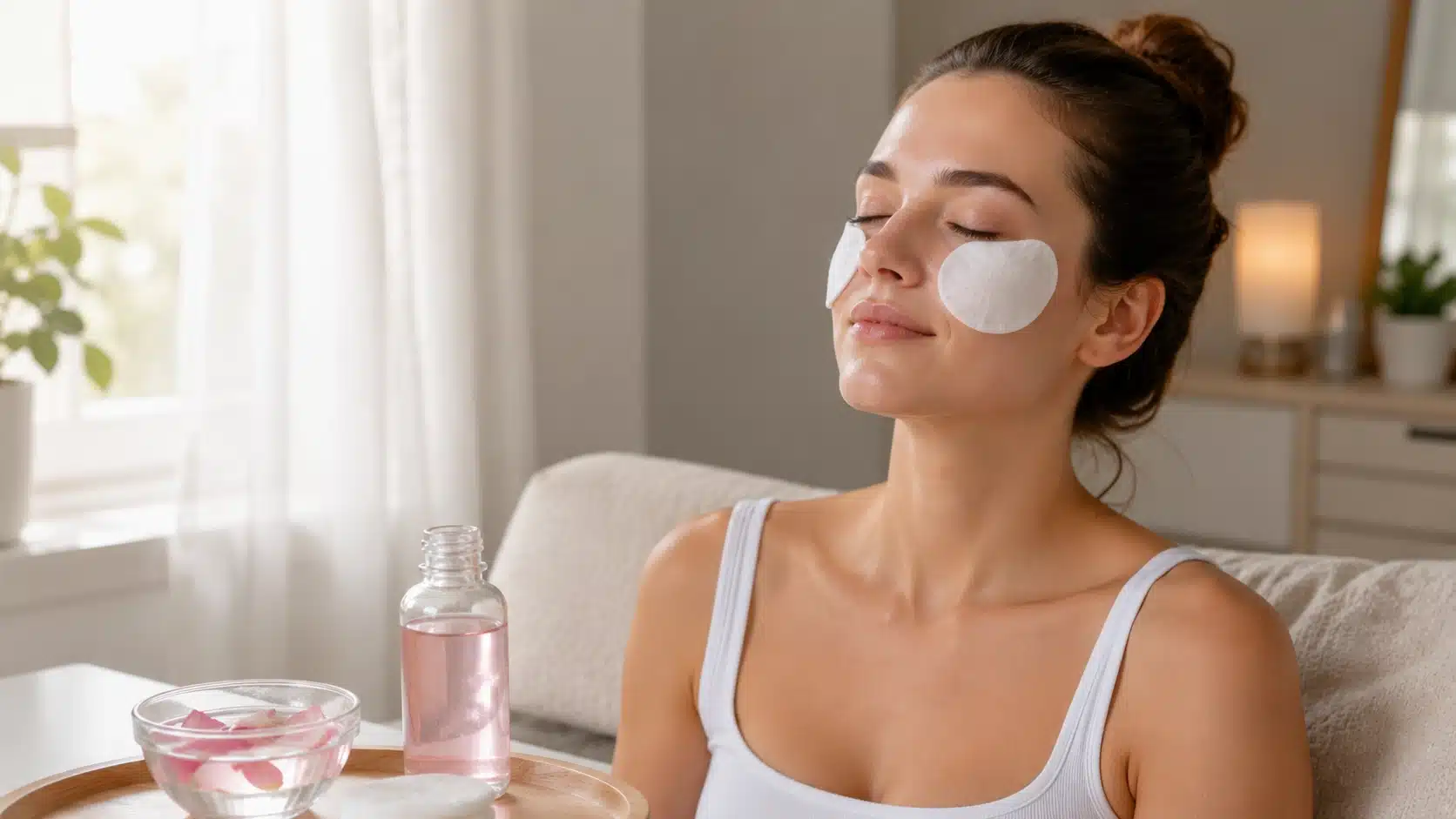
A cooling compress is helpful when your skin looks warm, tired, or slightly puffy. Chilled rose water can feel soothing, especially on the cheeks or under the eyes.
- Chill the rose water in the refrigerator for 15 to 20 minutes before use
- Soak a clean cotton pad until it is fully saturated but not dripping
- Place it gently over the under-eye area, cheeks, or any area that looks warm or feels uncomfortable
- Leave for 2 to 3 minutes, then remove and follow with moisturizer
Avoid this method on broken skin, open blemishes, rashes, or any area with active irritation
Use this only when your skin needs extra comfort. Do not press, rub, or leave the pad on too long. A short, cool contact is enough.
4. As a Base Before Moisturizer at Night
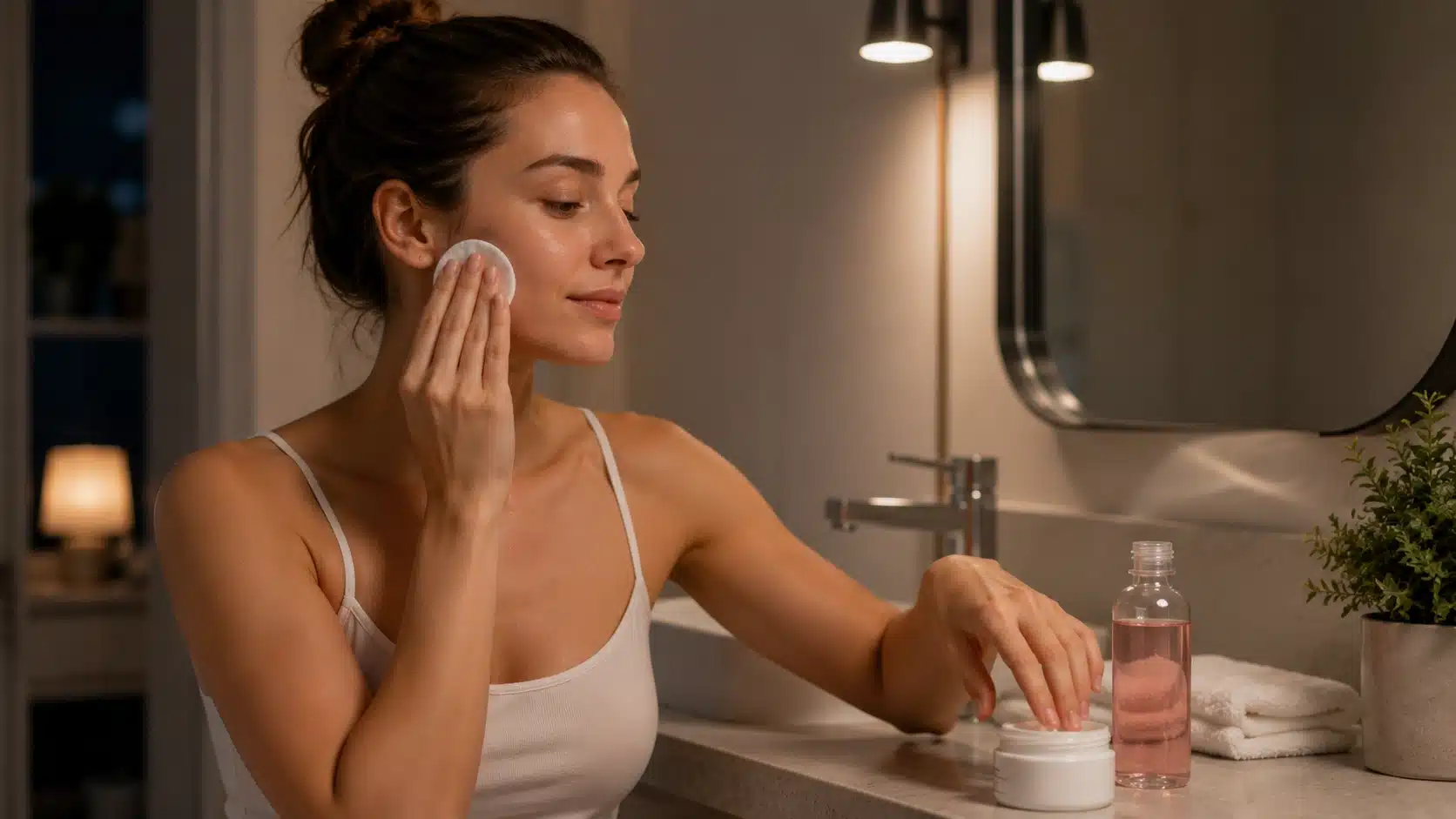
At night, rose water can be used before moisturizer to keep your routine soft and simple. It works well when your skin feels dry after cleansing, but does not need another active product.
- After your evening cleanse, apply rose water with clean hands or a cotton pad
- Let it absorb for about 30 seconds
- Apply your night moisturizer or facial oil on top while the skin is still lightly damp
Skip this step on nights when you use strong actives like retinol or high-concentration acids, to avoid any risk of irritation
This method is best for calm skin at night. If your routine already includes strong treatments, keep rose water separate or skip it to avoid overloading your skin barrier.
| Safety Note: Always patch test a new rose water product on the inner arm before applying to the full face, particularly if your skin reacts easily to botanical ingredients or fragrance compounds. Wait 24 hours and check for redness, itching, or stinging before proceeding. |
Side Effects Worth Knowing Before You Start
Rose water is gentle for many people, but your skin can still react to it, especially if the formula contains alcohol, perfume, or added fragrance. Watch how your skin feels after the first few uses.
- Stinging or burning: A mild tingle may happen on very dry skin, but burning is a warning sign. Rinse it off and stop using that product.
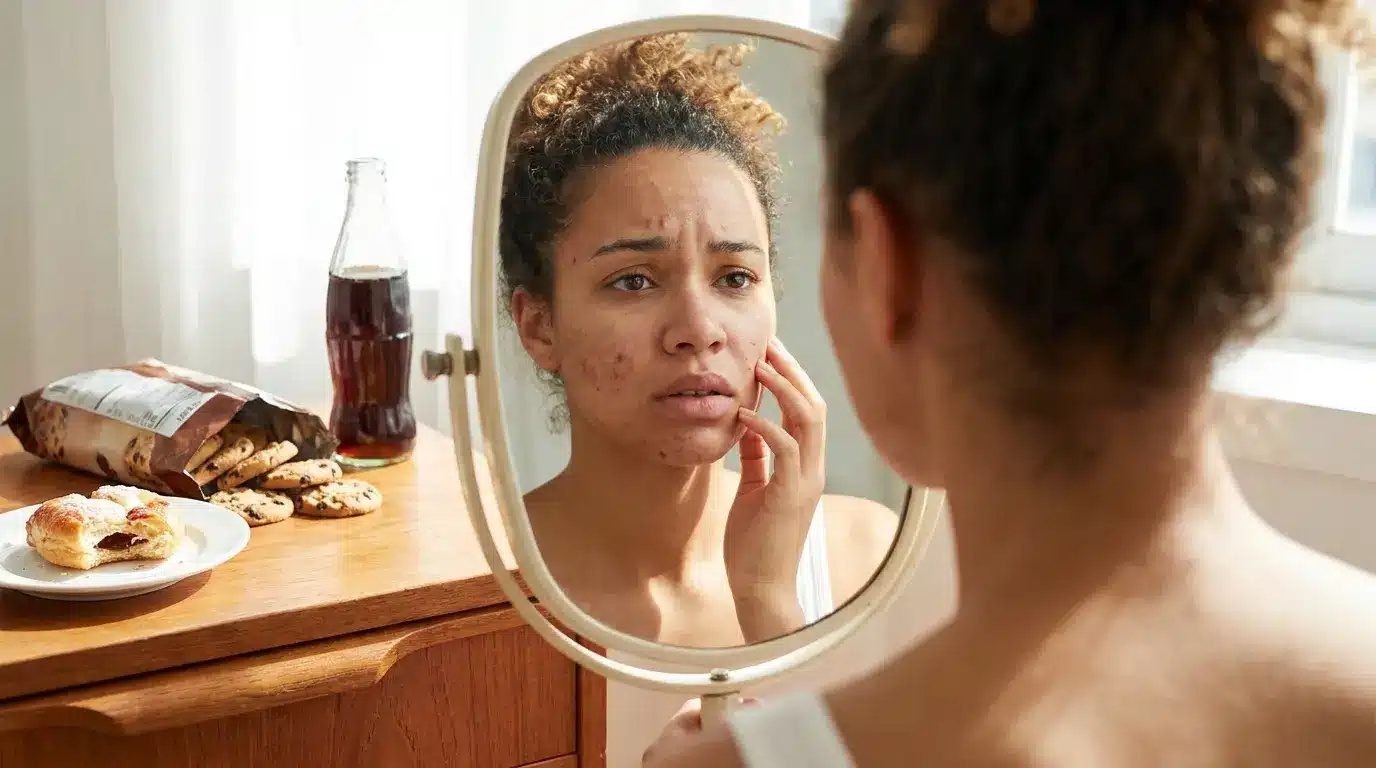
- Breakouts after use: Some formulas may clog or irritate acne-prone skin. If new bumps appear after use, pause it and check the ingredient list.
- Redness or itching: Redness and itching can mean your skin does not like the fragrance or botanical compounds. Patch testing helps avoid this reaction.
- Tightness after misting: If your face feels tight after rose water dries, it may be evaporating without enough moisture sealed in. Follow with moisturizer.
- Worsening rosacea symptoms: Rose water is not a rosacea treatment. If flushing, heat, or bumps get worse, stop using it and speak with a dermatologist.
If any reaction shows up, do not keep pushing through it. Your skin is giving you useful feedback. Switch to a simpler product, reduce how often you use it, or skip rose water completely if it keeps causing discomfort.
Who Should Use Rose Water and Who Should Avoid It?
Rose water is not for everyone, but it can fit well into many simple routines. The key is matching it to your skin type, your skin condition, and the formula you choose.
| Who Should Use Rose Water | Who Should Avoid Rose Water |
| People with normal skin who want a light, refreshing step | People with known rose or fragrance allergies |
| Dry skin types who use it before moisturizer | Anyone with burning, itching, or redness after use |
| Combination skin that feels tight after cleansing | People with active rashes, cuts, or broken skin |
| Oily skin that wants a quick, fresh feel, not oil control | Rosacea-prone skin that reacts to scented products |
| People who prefer a gentle toner without strong acids | Anyone using a heavily perfumed or alcohol-based formula |
Think of rose water as a comfort step, not a must-have. If your skin feels calmer and softer with it, keep it. If it stings, dries you out, or causes bumps, your routine may be better without it.
Mistakes That Make Rose Water Less Effective
Many people who say rose water does nothing are simply using it incorrectly. These are the most common mistakes worth correcting:
- Using a heavily scented product: Fragrance is the most common reason rose water irritates skin. A scented spray is not the same as a functional rose hydrosol
- Skipping the patch test: Always test on the inner arm before using a new product across the full face, especially if your skin has reacted to fragrance or botanical ingredients before
- Misting and walking away: Water that evaporates from skin without being sealed in can actually leave dry skin feeling tighter. Follow every mist with moisturizer
- Replacing moisturizer with rose water: Rose water adds a light layer of surface moisture but does not seal the skin barrier the way a cream or lotion does
- Mixing with harsh DIY ingredients: Avoid combining rose water with lemon juice, baking soda, or strong acids in the same application. These combinations increase the risk of irritation
- Expecting treatment results: Rose water is not a spot treatment for acne, wrinkles, or dark spots. Setting realistic expectations keeps the ingredient useful rather than disappointing
How to Make Rose Water at Home
Most people who say rose water does nothing are using it incorrectly, using the wrong product, or expecting it to do something outside its actual capability.
Using a scented product instead of a genuine hydrosol is the single most common issue. Fragrance is the primary reason rose water irritates skin. A scented spray is not a rose hydrosol.
Skipping the patch test, especially with botanical products, is avoidable and regularly leads to unnecessary full-face reactions.
Misting without following up with moisturizer is a setup for dryness rather than hydration: water evaporating off skin in dry environments pulls moisture with it.
Replacing moisturizer entirely with rose water does not work because it has no occlusive or film-forming properties to seal the skin barrier.
And setting expectations too high for treatment-level results, such as clearing acne, reducing wrinkles, or fading dark spots, leads to abandoning a genuinely useful comfort step prematurely
Wrapping Up
So, is rose water good for your face? Yes, it can be, as long as you choose the right kind and use it with realistic expectations. I like to think of rose water as a gentle support step. It can refresh tired skin, soften that tight feeling after cleansing, and give your face a light layer of comfort before moisturizer.
But it is not a cure for acne, dark spots, wrinkles, or rosacea. Your skin still needs the basics: a gentle cleanser, a moisturizer, sunscreen, and products suited to your skin type.
If you try rose water, start slow. Patch-test first, use a simple, alcohol-free formula, and notice how your skin feels after each use. If it helps, keep it. If it irritates, skip it.
Have you used rose water on your face before? Share your experience in the comments.
Frequently Asked Questions
Can I leave rose water on my face overnight?
Yes, if the formula is simple and your skin tolerates it. Apply it after cleansing and follow with your regular night moisturizer. Stop overnight use if you wake up with stinging, tightness, itching, or new breakouts, as these are signs the formula does not suit your skin barrier during extended contact.
What should you not mix rose water with?
Avoid mixing rose water with lemon juice, baking soda, rough scrubs, or multiple strong actives in the same step. These combinations increase the risk of barrier disruption, dryness, and surface redness, particularly if your skin is already reactive or if your barrier is compromised from recent product changes.
Can I use rose water with vitamin C or niacinamide?
Yes, you can usually use simple, alcohol-free rose water before vitamin C or niacinamide. Apply rose water after cleansing, then use your serum and moisturizer. If your skin stings, flushes, or feels tight, use rose water at a different time or stop using it.