




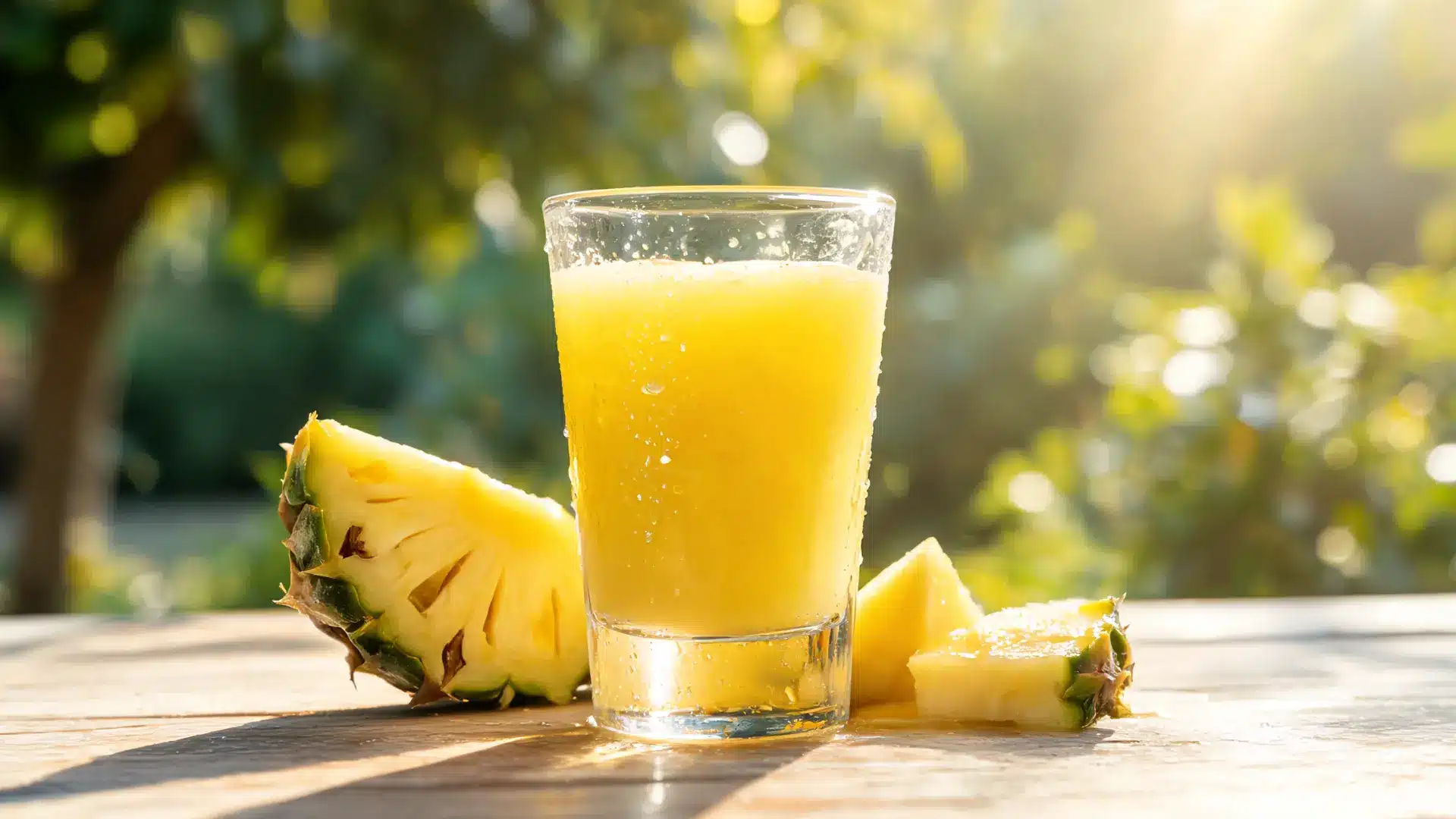









Sweet, tangy, and packed with health claims, but is pineapple juice really worth the hype? Pineapple juice sounds healthy, but how much of the hype is actually true?
You may have heard it helps digestion, boosts immunity, supports skin, or even reduces inflammation. That is a lot to sort through, especially when juice also contains natural sugar and acid.
The real pineapple juice benefits come from nutrients like vitamin C, manganese, antioxidants, and bromelain, an enzyme linked with protein digestion.
I’ll keep it practical and clear, so you can understand what pineapple juice may do, what claims need caution, and when a smaller serving or whole pineapple may be the better choice.
What Is in Pineapple Juice?
| Food | Serving | Calories | Protein | Carbs | Fat | Key Nutrient |
| Pineapple juice (unsweetened) | 1 cup (240 ml) | ~132 kcal | <1 g | ~32 g | <1 g | Vitamin C (122% DV), Manganese (55% DV) |
Nutritional values based on USDA FoodData Central data. Individual values may vary by brand, preparation method, and serving size. Verify current data at fdc.nal.usda.gov.
| Medical Disclaimer: This article is for informational purposes only and does not constitute medical advice, diagnosis, or treatment. The information provided is not a substitute for professional medical consultation. If you have a medical condition, are pregnant, or are taking medications, consult your healthcare provider before making any dietary or supplement changes. Individual results vary. |
One cup of unsweetened pineapple juice contains 132 calories, 32 grams of carbohydrates, and 25 grams of natural sugar, with almost no fiber or fat. That nutritional profile tells you exactly what to expect: useful vitamins and a fast energy source, but a drink that calls for portion control.
The pineapple juice benefits that matter most come from three nutrients: vitamin C at 122% of the daily value, manganese at 55% of the daily value, and bromelain, a proteolytic enzyme that is unique to pineapple.
Understanding what these actually do in the body cuts through a lot of online noise about this juice.
The table below gives a complete picture of what one cup delivers and why each component matters for your health.
| Nutrient | Amount (1 cup) | What It Does |
|---|---|---|
| Vitamin C | ~122% DV | Supports immune cell function and collagen synthesis |
| Manganese | ~55% DV | Supports bone formation and metabolic enzyme activity |
| Copper | ~19% DV | Supports connective tissue and iron metabolism |
| Vitamin B6 | ~15% DV | Supports neurotransmitter production and energy metabolism |
| Potassium | ~200-250 mg | Helps regulate fluid balance and muscle function |
| Bromelain | Variable by source | May support protein digestion and the inflammation response |
| Natural sugar | ~25 g | Fast-digesting energy; raises blood sugar quickly without fiber to slow it |
| Water | ~85% | Contributes to daily fluid intake |
That manganese figure is the one that surprises most people. At 55% of the daily value per cup, pineapple juice is one of the strongest dietary sources of manganese available, which matters for bone health and the activity of enzymes involved in carbohydrate and amino acid metabolism.
Pineapple Juice Benefits Worth Knowing
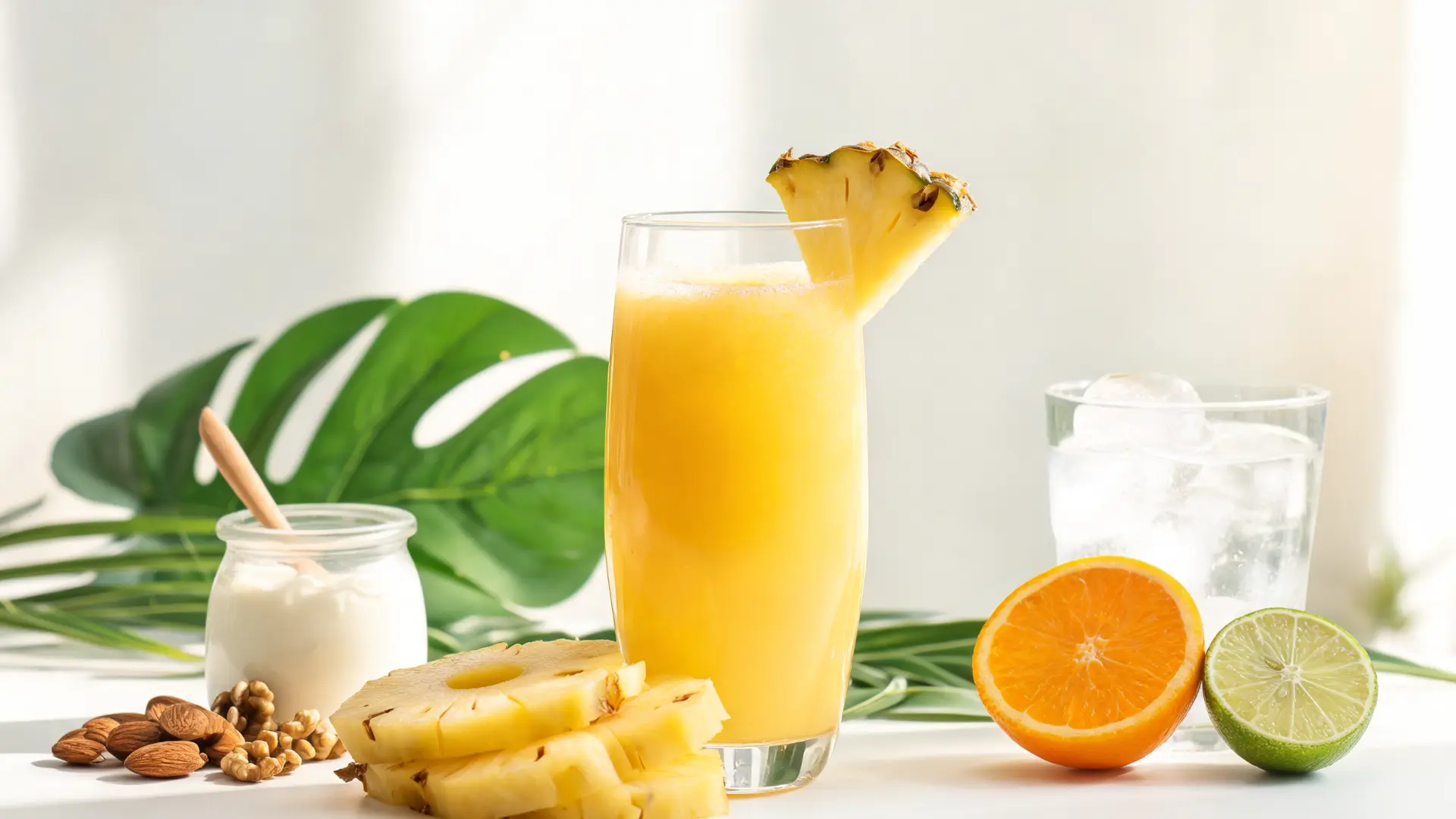
Pineapple juice can do more than taste sweet and refreshing. Its vitamin C, bromelain, antioxidants, and natural fluids may support digestion, immunity, hydration, and skin health when you drink it in moderation.
1. Supports Immune Health Through Vitamin C
Pineapple juice delivers 122% of the daily value for vitamin C in a single cup. Vitamin C supports the production and function of white blood cells, helps protect immune cells from oxidative damage, and plays a structural role in maintaining skin as a physical barrier against pathogens. These are documented mechanisms, not marketing claims.
What vitamin C does not do is prevent colds on its own. The research on vitamin C and cold prevention shows modest benefits at best, mostly in reducing duration rather than incidence. Pineapple juice can help you meet your daily vitamin C target consistently, and that matters for long-term immune function, but it works as part of a diet, not as a standalone fix.
People who stack multiple immune-supporting ingredients together, for example ginger, turmeric, and lemon in a concentrated daily wellness shot, tend to get more consistent results than relying on any single juice alone.
2. May Support Protein Digestion via Bromelain
Bromelain is a proteolytic enzyme, meaning it breaks protein chains into smaller peptides and amino acids. Some people notice less bloating or heaviness after protein-heavy meals when they drink fresh pineapple juice alongside them, and bromelain is the likely reason. The enzyme helps pre-digest protein before it reaches the small intestine.
The critical qualifier is processing. Pasteurization and canning both involve heat, and heat denatures bromelain. If digestion support is your primary reason for drinking pineapple juice, fresh-pressed juice is the only version that reliably delivers active enzymes. Bottled or canned juice has most of the vitamin C intact but significantly reduced bromelain activity.
3. Provides Antioxidants That Support Cellular Health
Beyond vitamin C, pineapple juice contains flavonoids and phenolic compounds that act as antioxidants. These compounds neutralize free radicals, which are reactive molecules that accumulate from UV exposure, air pollution, intense exercise, and normal metabolic processes.
Chronic free radical accumulation is associated with accelerated cellular aging and a higher risk of chronic disease.
Antioxidant benefits are cumulative and long-term, not immediate. A glass of pineapple juice is not going to produce a noticeable effect in 24 hours. What it can do is contribute meaningfully to your total daily antioxidant intake when it sits alongside other colorful fruits and vegetables.
4. Bromelain May Help With Inflammation Response
The anti-inflammatory research on bromelain is genuine, but the context matters. Clinical studies showing measurable reductions in swelling and recovery time have used concentrated bromelain supplements, typically in the range of 500 to 2,000 milligrams of bromelain daily, not juice.
The amount of active bromelain in a cup of fresh pineapple juice is a fraction of those doses.
That does not mean pineapple juice has no role in an anti-inflammatory diet. It does mean you should not expect it to act like ibuprofen. Think of it as a mild dietary contributor alongside omega-3 fats, leafy greens, and other anti-inflammatory foods, not as a treatment for any specific condition.
5. Contributes to Daily Hydration
Pineapple juice is roughly 85% water, and it contains both potassium and magnesium, two electrolytes that support fluid balance in cells. A small glass after exercise or on a hot day contributes to rehydration alongside food.
The practical limitation is sugar. At 25 grams of natural sugar per cup, pineapple juice adds up quickly if you are using it as your primary hydration source. Diluting it with water or low-sugar sparkling water at a 1:1 or 1:2 ratio keeps the tropical flavor, cuts the sugar load, and stretches a small amount into a more hydration-appropriate drink.
6. Supports Skin and Connective Tissue Through Collagen Production
Vitamin C is a required cofactor for collagen synthesis. Without adequate vitamin C, the body cannot produce or maintain collagen properly, which affects skin structure, wound healing, and the integrity of tendons and ligaments. Pineapple juice at 122% DV per cup is a reliable way to hit that daily requirement.
What this does not mean: pineapple juice applied topically or consumed in large quantities will not visibly clear skin or eliminate wrinkles. The benefit is nutritional, not cosmetic in the direct sense. Consistent, adequate vitamin C intake supports the structural processes that keep skin healthy over time.
7. Provides Quick Energy Before Activity
The 25 grams of fast-digesting sugar in pineapple juice make it a reasonable pre-workout option for people who need quick fuel without a heavy meal. Because there is almost no fiber, fat, or protein to slow digestion, it absorbs quickly and raises blood glucose within about 30 minutes.
For stable, sustained energy throughout the day, this is actually a limitation. Pair a small glass of pineapple juice with a protein source like Greek yogurt or a handful of nuts, and that blood sugar spike moderates into a slower, more sustained curve. On its own, the juice gives a short energy window.
8. May Support Post-Workout Recovery
After exercise, the body needs both fluids and carbohydrates to begin restoring glycogen stores. Pineapple juice provides both in a palatable form.
A 4-ounce serving alongside a protein-containing food covers the two primary recovery needs: carbohydrate for glycogen replenishment and protein for muscle repair. Yogurt after exercise is one of the cleanest pairings for this purpose, since it digests quickly and delivers both whey and casein protein.
On its own, juice is not a recovery drink. The protein component is essential. Pineapple juice works as the carbohydrate and hydration portion of a post-workout snack, not as a standalone recovery tool.
9. Manganese Supports Bone Health and Metabolism
Manganese is required for the activity of enzymes involved in bone matrix formation, and it plays a supporting role alongside calcium and vitamin D in maintaining bone density. Most people do not think of pineapple juice as a bone-supporting food, but at 55% of the daily manganese requirement per cup, it is one of the better dietary sources available.
Manganese also activates enzymes involved in metabolizing carbohydrates, amino acids, and cholesterol. These are background metabolic functions that most people never notice when they are working well, but that show up as fatigue, poor wound healing, and skeletal issues when intake is chronically low.
10. Fits Into a Heart-Supportive Diet
Vitamin C, potassium, and antioxidants all appear in the research literature as nutrients associated with cardiovascular health markers. Vitamin C may help support arterial elasticity. Potassium supports blood pressure regulation. Antioxidants reduce oxidative stress on vascular tissue. Pineapple juice provides all three.
The caveat, again, is portion size and sugar. A large daily intake of fruit juice raises triglycerides in people with metabolic concerns, and that is a cardiovascular risk factor in its own right.
Keeping pineapple juice to 4 to 6 ounces as part of a diet built around whole vegetables, lean proteins, whole grains, and unsaturated fats is where the heart-health framing makes sense. The juice alone is not a cardiovascular intervention.
| Nutrition Tip: Keep pineapple juice to 4 to 6 ounces per serving, choose 100% unsweetened juice, and treat it as a nutrient splash rather than a standalone drink. Pairing it with protein or fat from whole foods gives you the vitamin C and manganese without the blood sugar spike. |
Bromelain in Pineapple Juice: What the Research Actually Shows
Bromelain is the nutrient that generates the most interest around pineapple juice, and also the most confusion. Here is what the evidence actually supports.
Bromelain is a cysteine protease, meaning it cleaves peptide bonds in protein chains using a cysteine residue at its active site. This is why your tongue feels tingly when you eat a lot of fresh pineapple: the enzyme is acting on the proteins in your mouth’s soft tissue. That same action, in a gentler form in the gut, may ease the digestion of dietary protein from meat, eggs, and legumes.
Anti-inflammatory effects from bromelain are documented in clinical studies, but consistently in supplement form at doses of 500 milligrams or more daily.
A 2016 review published in Biomedical Reports confirmed anti-edema and anti-inflammatory effects from bromelain supplementation in surgical and injury recovery contexts. Fresh pineapple juice contains some active bromelain, but at levels far below supplement doses. Pasteurized and canned juice contains significantly less due to heat denaturation.
The practical takeaway: if you are drinking fresh pineapple juice for digestive support, that is reasonable. If you are hoping pineapple juice will reduce arthritis inflammation or speed surgical recovery, you need a bromelain supplement, not juice, and a conversation with your doctor first.
Fresh vs Bottled and Canned: Which Form Delivers the Most Benefit
Processing makes a meaningful difference to what you actually get from pineapple juice, particularly for bromelain. The table below breaks down each form by what it does and does not preserve.
| Type | Best For | What to Know |
|---|---|---|
| Fresh pressed juice | Active bromelain and full fresh flavor | Drink within 24 hours; enzyme activity degrades quickly |
| Cold-pressed unpasteurized | More enzyme activity than bottled | Handle carefully; shorter shelf life; refrigerate immediately |
| Pasteurized bottled juice | Consistent vitamin C and convenience | Heat processing reduces active bromelain significantly |
| Canned juice | Long shelf life and cooking use | High-heat processing; minimal bromelain activity remains |
| Juice blends and cocktails | Flavor variety | Often contain added sugar; check the label for pineapple juice percentage |
If your goal is general nutrition, vitamin C, and manganese, any 100% unsweetened version works. If bromelain is the reason you are reaching for pineapple juice, fresh or cold-pressed is the only form that delivers meaningful enzyme activity.
Pineapple Juice vs Whole Pineapple: Which Is the Better Daily Choice
Whole pineapple is the better everyday choice for most people, and the reason comes down to fiber. One cup of fresh pineapple chunks provides about 2.3 grams of fiber and the same vitamin C as juice, but its natural sugars are buffered by that fiber, which slows absorption and produces a smaller, slower blood sugar response.
Pineapple juice removes the fiber entirely. That makes it faster to drink, easier to use in recipes, and more convenient, but it also means the 25 grams of sugar hit your bloodstream more rapidly. For someone managing blood sugar, this is a meaningful difference. For someone who needs quick fuel before a workout, it is an advantage.
A practical approach: eat whole pineapple most of the time for fiber, satiety, and a lower glycemic impact. Use pineapple juice in 4 to 6 ounce portions where the convenience or liquid form specifically serves your purpose, whether that is a smoothie base, a marinade, or a pre-workout drink.
For people weighing juice against other low-sugar drink options, the comparison of kidney-friendly juice choices covers how pineapple juice ranks alongside other common options for potassium load and sugar content.
Simple Ways to Add Pineapple Juice to Your Diet

You do not need a full glass to get the benefits. Small, strategic uses of pineapple juice keep the sugar in check while adding genuine nutritional and flavor value to meals throughout the day.
- Diluted drink: Mix 3 to 4 ounces of pineapple juice with still or sparkling water, a squeeze of lime, and ice. You get the tropical flavor with roughly half the sugar of a full glass. This works especially well as an afternoon hydration option when plain water feels boring.
- Smoothie base: Add a small splash to smoothies with Greek yogurt, banana, spinach, or protein powder. The juice adds sweetness and moisture without requiring added sweetener, and the protein and fiber from other ingredients moderate the glycemic impact.
- Protein marinade: Combine 3 to 4 ounces of fresh pineapple juice with ginger, garlic, soy sauce, and a neutral oil. Use it to marinate chicken thighs, salmon, tofu, or shrimp for 30 to 60 minutes. Bromelain in fresh juice helps tenderize protein while the flavor penetrates. Do not marinate longer than 2 hours as the enzyme can make meat mushy.
- Alcohol-free mocktail: Mix 2 ounces of pineapple juice with sparkling water, fresh mint, and crushed ice. The ratio of water to juice keeps sugar low while the flavor remains prominent.
- Breakfast add-in: Add a tablespoon or two to overnight oats or chia pudding. It adds natural sweetness without syrup, and the volume of oats or chia provides the fiber needed to offset the sugar.
- Post-workout pairing: Drink 4 ounces alongside a protein source within 30 to 45 minutes of exercise. The juice covers carbohydrate replenishment; the protein source handles muscle repair.
- Frozen portion control: Pour pineapple juice into an ice cube tray and freeze. Add one or two cubes to water, smoothies, or sparkling drinks throughout the day for slow tropical flavor without the temptation to pour a full glass.
Who Should Be Careful With Pineapple Juice
Pineapple juice suits most healthy adults in moderate amounts. The people who need to exercise real caution are specific, and the reasons are worth understanding rather than just avoiding the juice arbitrarily.
| Condition | The Concern | What to Do |
|---|---|---|
| GERD or acid reflux | Acidity may trigger heartburn or throat irritation, especially on an empty stomach | Drink with food; avoid before bed; try diluting first |
| Diabetes or blood sugar management | 25 grams of fast-digesting sugar with no fiber raises blood glucose quickly | Keep to 2 to 4 ounces maximum; pair with protein or fat; monitor response |
| Dental enamel concerns | A combination of acidity and sugar can erode enamel with frequent sipping | Drink with meals, use a straw, rinse mouth with water afterward |
| Pineapple allergy | Can cause tingling, oral irritation, or systemic allergic reactions | Stop immediately if swelling, hives, or breathing difficulty occur |
| Kidney disease | Potassium content may exceed restricted dietary limits | Consult your nephrologist before including regularly; check your lab values |
| Blood thinners or pre-surgery | Bromelain may affect blood clotting and interact with anticoagulant medications | Inform your physician if consuming regularly; avoid in the week before surgery |
The medication interaction point is the one that most often goes unmentioned. Bromelain at supplement doses has documented interactions with warfarin and other anticoagulants. Juice levels are lower, but if you are on prescribed blood thinners and drinking pineapple juice regularly, it is worth flagging with your prescribing doctor.
| Important: If you take blood-thinning medications such as warfarin, aspirin therapy, or other anticoagulants, consult your doctor before adding pineapple juice to your regular diet. Bromelain may affect how these medications work. Do not stop or adjust medications without medical guidance. |
Frequently Asked Questions About Pineapple Juice
Does pineapple juice help with bloating immediately?
Fresh pineapple juice may help some people feel lighter after a protein-heavy meal because bromelain supports protein breakdown. The effect is not instant for everyone, and it depends on the individual’s digestion, what they ate, and whether the juice was fresh. Chronic or painful bloating has causes beyond enzyme activity and warrants a look at overall diet and gut health rather than a juice fix.
Can you drink pineapple juice on an empty stomach?
Yes, but it is not ideal for everyone. The juice is acidic, and some people experience mild irritation, nausea, or a rapid blood sugar response when drinking it without food. Drinking it alongside or after a meal is gentler on digestion and blunts the glycemic response by slowing gastric emptying.
Does pineapple juice interact with medications?
Bromelain can interact with blood-thinning medications including warfarin, aspirin, and certain antibiotics. Juice contains lower bromelain levels than supplements, but regular consumption is worth discussing with your doctor if you are on any of these medications or have a procedure scheduled.
Is pineapple juice good for hydration compared to water?
It contributes to hydration because it is mostly water and contains potassium. However, its 25 grams of sugar per cup means it should not replace water as your primary fluid source. People who reach for vitamin-enhanced drinks face the same trade-off: some minerals, but a sugar cost that accumulates quickly. Pineapple juice works best diluted or as an occasional drink, not as a substitute for plain water throughout the day.
Can pineapple juice help with a sore throat?
Anecdotally, the liquid content and mild anti-inflammatory properties of bromelain may provide temporary relief. It is not a treatment for infection, and its acidity can irritate some people’s throats further. Warm fluids, adequate hydration, and rest remain the most evidence-backed approaches to sore throat relief.
Does pineapple juice damage teeth over time?
With regular sipping, yes. The combination of natural sugar and citric acid can gradually erode enamel. Drinking it with meals rather than sipping continuously, using a straw, and rinsing your mouth with plain water afterward significantly reduces this risk.
How much pineapple juice should I drink per day?
Four to six ounces per day is a practical target for most healthy adults. This gives you a meaningful dose of vitamin C and manganese without overcorrecting on sugar. People managing blood sugar, acid reflux, or kidney disease should discuss appropriate amounts with their healthcare provider before making it a daily habit.
Final Verdict: Are the Pineapple Juice Benefits Worth It?
Pineapple juice can be a helpful drink, as long as you treat it like a small add on rather than a cure. The main pineapple juice benefits come from vitamin C, bromelain, antioxidants, water, and natural carbohydrates.
These may support digestion, immune health, hydration, skin health, and quick energy. I like it best in modest servings, especially when it is unsweetened, diluted, or paired with food.
You should also watch the sugar, acid, and possible issues with reflux, teeth, allergies, kidney disease, or medications. I’d often choose a whole pineapple and use the juice with care. Try the tips above, then share what works best for you.
Sources
USDA Agricultural Research Service, “FoodData Central: Pineapple juice, canned or bottled, unsweetened.” 2024. fdc.nal.usda.gov
Healthline (reviewed by Kim Rose-Francis, RDN, CDCES, LD), “7 Science-Based Benefits of Pineapple Juice.” healthline.com/nutrition/pineapple-juice-benefits
Medical News Today, “Pineapple juice: Benefits, nutrition, and diet.” medicalnewstoday.com/articles/317061
Rathnavelu V, et al., “Potential role of bromelain in clinical and therapeutic applications.” Biomedical Reports. 2016. PubMed Central: PMC5007450
WebMD, “Pineapple Juice Health Benefits.” webmd.com/diet/pineapple-juice-health-benefits