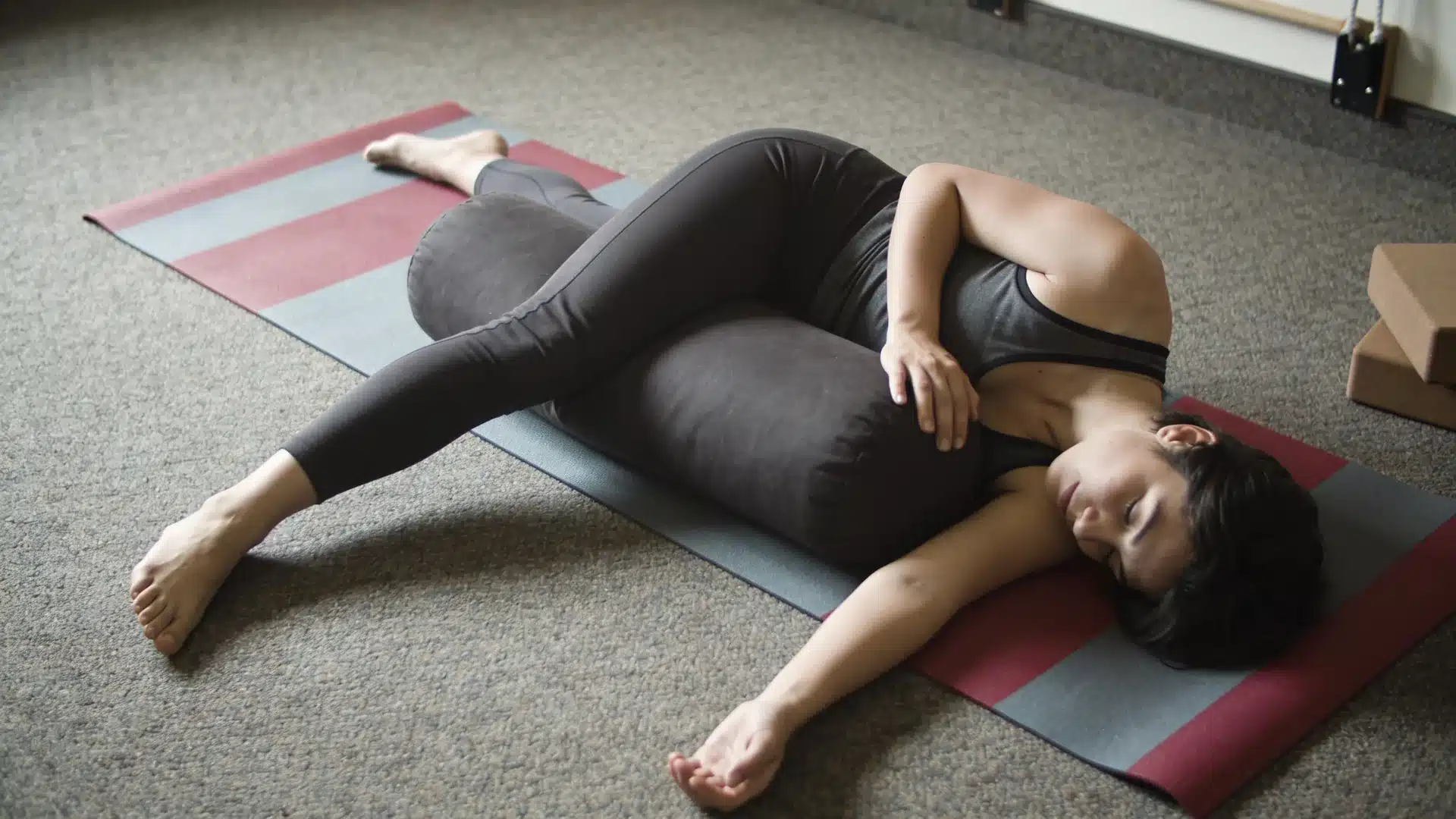















Kundalini Yoga is often seen as a powerful tool for spiritual growth, combining physical postures, breathwork, meditation, and chanting to awaken energy within. But with its potential for transformation comes a significant risk.
Many wonder, Why is Kundalini Yoga dangerous? While it offers a deep spiritual awakening, the intense energy it unlocks can cause psychological and physical challenges, especially for those who are unprepared.
In this blog, I’ll discuss the genuine risks associated with Kundalini Yoga, including everything from mental exhaustion to physical strain.
I’ll also share expert advice on how to practice safely, minimizing the risks while reaping the profound benefits. Ready to uncover the truth behind the risks and rewards? Keep reading to find out.
Practices and Techniques of Kundalini Yoga
Kundalini Yoga combines physical postures (asanas), breathwork (pranayama), mantra chanting, and meditation to awaken spiritual energy.
Asanas involve repetitive movements and sustained positions to target the energy centers, while pranayama techniques, such as the “Breath of Fire”, stimulate the nervous system and create internal heat.
Mantra chanting, such as “Sat Nam,” activates energy centers, and meditation techniques focus on body points and breath to quiet the mind. The goal is a complete transformation of consciousness, leading to spiritual awakening, increased vitality, and emotional healing.
Practitioners often report heightened creativity, intuitive abilities, and a more profound sense of purpose. However, these can be overwhelming, making Kundalini Yoga require careful preparation and expert guidance to avoid potential psychological and physical risks.
Why Kundalini Yoga is Perceived as Dangerous
Kundalini Yoga carries significant risks that can be overwhelming if not approached with caution and care. Understanding the dangers, both psychological, physical, and spiritual, is key to practicing safely and responsibly.
Psychological Risks of Kundalini Yoga
Psychological Overload: Kundalini awakening can flood the mind with overwhelming sensations and altered states, leading to emotional distress, anxiety, and confusion. Many practitioners experience psychological purging, bringing up suppressed traumas that can be difficult to handle.
The Danger of a Sudden Awakening: The unpredictable nature of Kundalini awakening can lead to identity confusion, detachment from reality, and existential crises, particularly for those who are unprepared for such profound shifts.
The Fear of Losing Control: Involuntary body movements and extreme emotional fluctuations can leave practitioners feeling out of control, leading to fears of possession or mental instability, particularly if they lack understanding of the process.
Physical Risks Associated with Kundalini Yoga
Physical Strain from Intense Postures: The demanding poses of Kundalini yoga can strain the body, particularly the spine and joints, leading to potential injury if practiced without proper technique or guidance.
Breathing Techniques and Hyperventilation: Techniques like “Breath of Fire” can lead to dizziness, fainting, or panic attacks when overdone, causing significant physical discomfort and anxiety.
Energy Overload: When Kundalini energy rises too quickly, it can overwhelm the body, resulting in symptoms like heart palpitations, muscle spasms, and extreme heat, which can mimic serious health issues.
Spiritual and Emotional Disturbances
Spiritual Crisis or Misalignment: Kundalini awakening can lead to spiritual inflation or deflation, causing confusion about one’s beliefs and identity. Unprepared practitioners may struggle with the intensity of the spiritual experiences.
Cultural Misunderstanding and Misuse: Misunderstanding the cultural and spiritual context of Kundalini Yoga can lead to misuse of its techniques, exacerbating risks when not properly guided or integrated into one’s life.
Unnecessary Fear and Misinterpretation: Many experiences in Kundalini practice, such as emotional purging or vivid dreams, can be misinterpreted as signs of danger rather than natural purification, amplifying fear and panic.
By understanding these dangers and approaching the practice with respect, guidance, and preparation, individuals can mitigate the risks and safely experience its benefits.
Why Kundalini Yoga Can Be Risky

Experts warn that Kundalini Yoga carries significant risks if practiced improperly. Isha Sadhguru calls it “the most potent and the most dangerous” form of yoga. He emphasizes that expert supervision and thorough preparation are essential to prevent harm.
Traditional yogis agree, saying Kundalini practices should only be attempted after years of foundational work. Without purification and mental stability, premature awakening can cause psychological breakdown or “spiritual madness.”
There are disturbing reports of psychic attacks, where practitioners experience terrifying encounters with malevolent entities. These experiences illustrate the dangers of Kundalini awakening when one is unprepared.
The rise of untrained teachers, who lack a deep understanding and crisis management skills, exacerbates these risks. Some students face serious mental health crises. Experts emphasize the importance of qualified guidance and careful progression for safety.
How to Safely Practice Kundalini Yoga: Strategies to Minimize Risks
While Kundalini Yoga offers profound benefits, it must be practiced with caution to avoid potential risks. Proper preparation, qualified guidance, and careful attention to safety protocols are crucial.
- Start Slow with Basic Practices: Begin with gentler practices, such as Hatha yoga and basic pranayama, to build flexibility and breath control. Work under an experienced teacher’s guidance to ensure a solid foundation before progressing to advanced techniques.
- Ensure Grounding and Emotional Stability: Grounding techniques, such as walking barefoot and eating warm foods, help stabilize the energy. Emotional regulation skills, such as therapy and journaling, are essential for handling the psychological shifts that occur during practice.
- Avoid Triggers and Understand Personal Limits: Consult with healthcare professionals if you have a history of mental health or physical conditions. Respect your body’s limits and avoid pushing through discomfort; practice consistency over intensity for gradual growth.
- Follow a balanced lifestyle by maintaining a healthy routine that includes adequate sleep, a balanced diet, and regular self-care. Surround yourself with a supportive community and stay grounded in practical responsibilities to ensure long-term spiritual development.
With careful attention to these strategies, Kundalini Yoga can be practiced safely, offering profound benefits while minimizing risks.
Key Benefits of Kundalini Yoga: Transition with Safety
Kundalini Yoga can be life-changing when practiced safely, offering profound benefits to the physical, emotional, and spiritual aspects of life. When approached with proper preparation, it can lead to increased vitality, mental clarity, and emotional healing.
Many practitioners report enhanced creativity, heightened intuition, and a more profound sense of purpose. The awakening of Kundalini energy stimulates the chakras, promoting balance and alignment throughout the body and mind.
Additionally, it can foster spiritual growth, helping practitioners feel more connected to themselves and the universe. However, these benefits come with the need for cautious, mindful practice.
By understanding the risks and following proper safety protocols, you can safely unlock the transformative potential of Kundalini Yoga and enjoy its full benefits without harm.
Always work with a qualified teacher and proceed at your own pace to ensure a positive experience.
Conclusion
Kundalini Yoga offers powerful potential for spiritual growth, but it also comes with real risks if not approached with care. I’ve shared how proper preparation, finding the right teacher, and understanding your limits can minimize these risks and help you safely experience its benefits.
By following the strategies I outlined, you can enjoy the spiritual awakening and physical vitality that Kundalini Yoga promises without putting yourself at risk. Just remember to stay grounded, go slow, and always seek expert guidance.
Why is Kundalini Yoga dangerous? It’s mostly about how it’s practiced. Take your time, respect the process, and always prioritize your safety. If you’re interested in learning more, check out my other blogs on yoga safety and mindfulness practices.